How to Monitor Heart Rate: Quick Steps
Your heart beats around 100,000 times a day, and tracking those beats can reveal critical insights about your health, fitness, and recovery. Whether you’re checking for fitness progress, managing stress, or watching for warning signs, knowing how to monitor heart rate effectively is essential. With so many tools available, from smartwatches to manual checks, it is easy to get inaccurate readings if you don’t follow the right steps.
This guide breaks down everything you need to monitor heart rate reliably: normal ranges, best tools, proper techniques, and when to seek help. You’ll learn not only how to measure your pulse but also how to interpret the data, avoid common errors, and use heart rate trends to improve your overall well-being.
Know Normal vs. Abnormal Ranges
Understanding what’s typical helps you spot problems early.
Resting Heart Rate Standards
For most adults, a normal resting heart rate falls between 60 and 100 beats per minute (bpm). Athletes or highly fit individuals may have rates as low as 40 to 50 bpm due to superior cardiovascular efficiency.
Aim for an ideal range of 50 to 70 bpm, as this often reflects strong heart function and good autonomic balance. Consistently above 100 bpm at rest (tachycardia) or below 60 bpm with symptoms (bradycardia) warrants attention.
Recognize Warning Classifications
- Tachycardia: Above 100 bpm at rest
Causes: Stress, dehydration, caffeine, fever, or heart conditions. - Bradycardia: Below 60 bpm at rest
Note: Normal in athletes; concerning if paired with fatigue or dizziness. - Arrhythmia: Irregular rhythm with skipped, extra, or fluttering beats
Alert: May signal Atrial Fibrillation (AFib), increasing stroke risk. - Tachy-Brady Syndrome: Heart alternates between fast and slow
Requires medical diagnosis.
If your rate consistently falls outside the normal range, or you feel symptoms like lightheadedness, chest pain, or shortness of breath, consult a healthcare provider.
Manual Pulse Check: Step-by-Step
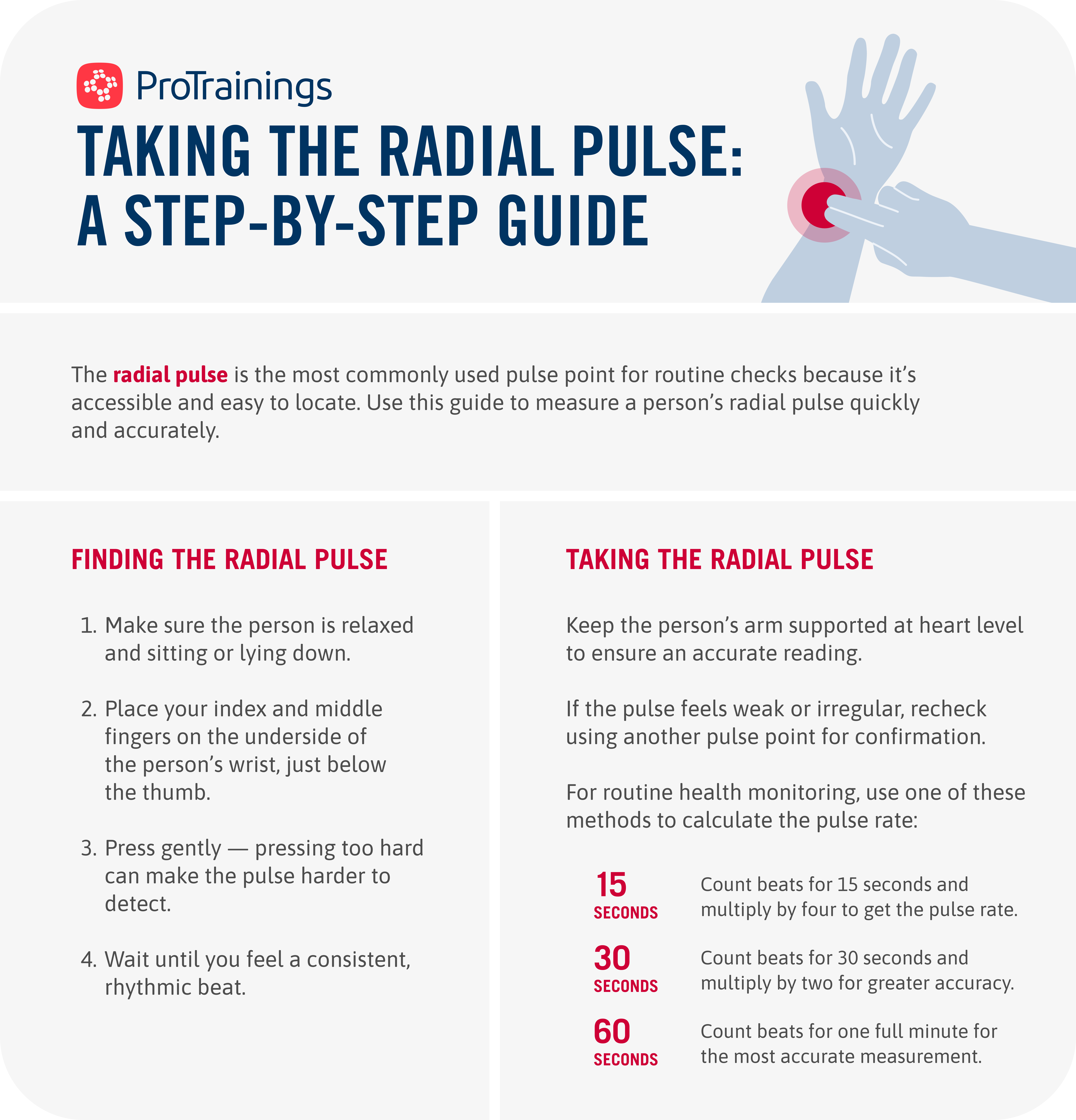
When tech fails, your fingers are the most reliable tool.
Find the Right Artery
Use one of two accessible sites:
– Wrist (Radial Artery): Place index and middle fingers on the thumb side of the opposite wrist, just below the base of the thumb.
– Neck (Carotid Artery): Gently press fingers beside the windpipe, below the jawline.
Warning: Never press both sides of the neck at once, as this can restrict blood flow to the brain.
Count Beats Accurately
- Sit quietly for at least 5 minutes before measuring.
- Avoid testing after caffeine, exercise, or stress (wait 1 to 2 hours).
- Choose a counting method:
| Method | Steps | Use Case |
|---|---|---|
| 15-Second Count | Count beats × 4 | General checks |
| 6-Second Count | Count beats × 10 | Quick estimate |
| Full 60 Seconds | Count all beats | Irregular rhythms |
For best accuracy, repeat the test three times and average the results.
Example: 80, 84, and 91 → Sum = 255 ÷ 3 = 85 bpm average.
Choose the Right Electronic Monitor
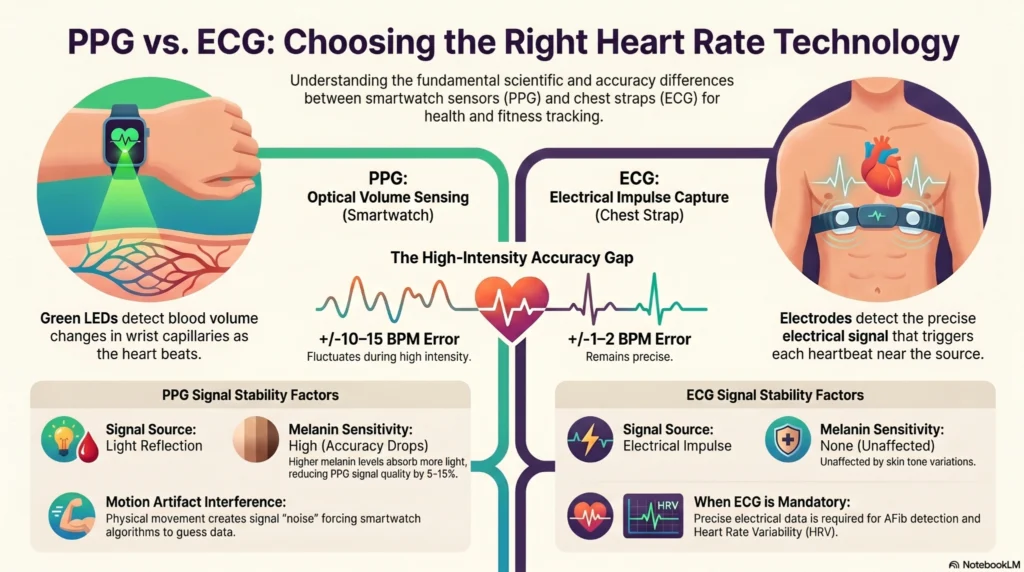
Not all devices are created equal. Pick based on accuracy and use case.
Chest Strap Monitors
- Best for: High-intensity workouts and athletes
- How it works: Uses EKG technology to detect electrical signals from the heart
- Accuracy: Highest among consumer devices
- Tip: Pair with a fitness watch or app for real-time feedback
Smartwatches and Fitness Bands
- Best for: All-day tracking, sleep monitoring, and HRV
- Technology: Photoplethysmography (PPG) via green LEDs
- Limitations: Less accurate during intense movement; may struggle with dark skin tones
- Wear Tip: Snug fit, about a finger’s width above the wrist bone
Smartphone Apps
- How it works: Camera and flash detect blood flow changes under your fingertip
- Accuracy: Varies widely; useful for spot checks only
- Best Use: Occasional verification when no wearable is available
Avoid Gym Equipment Sensors
Handgrip monitors on treadmills or bikes are notoriously unreliable due to poor contact and sweat interference. Use them only as a rough estimate.
Blood Pressure Cuffs
Many digital cuffs display pulse rate alongside BP. Useful for cross-checking heart rate at home, especially for older adults.
Maximize Device Accuracy
Even the best tech fails without proper usage.
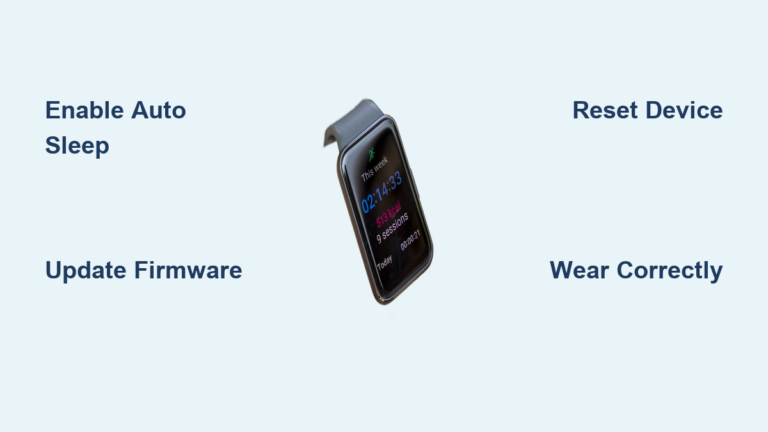
Wear Smartwatches Correctly
- Fit: Snug but comfortable, with no more than two fingers under the band
- Position: Back sensor must contact skin; rotate wrist if needed
- Calibration: Update firmware and recalibrate per manufacturer instructions
Reduce PPG Errors
Optical sensors (PPG) can misread due to:
– Loose fit
– Excessive motion
– Cold hands (reduces blood flow)
– Darker skin pigmentation (absorbs more light)
Pro Tip: Take a reading while still for 30 seconds post-workout for better accuracy.
Verify with Manual Check
If your device shows a strange number (e.g., 130 bpm while resting), confirm with a manual pulse check. Trust your body. If you feel fine but the device alarms, it may be faulty.
Understand Heart Rate Variability (HRV)
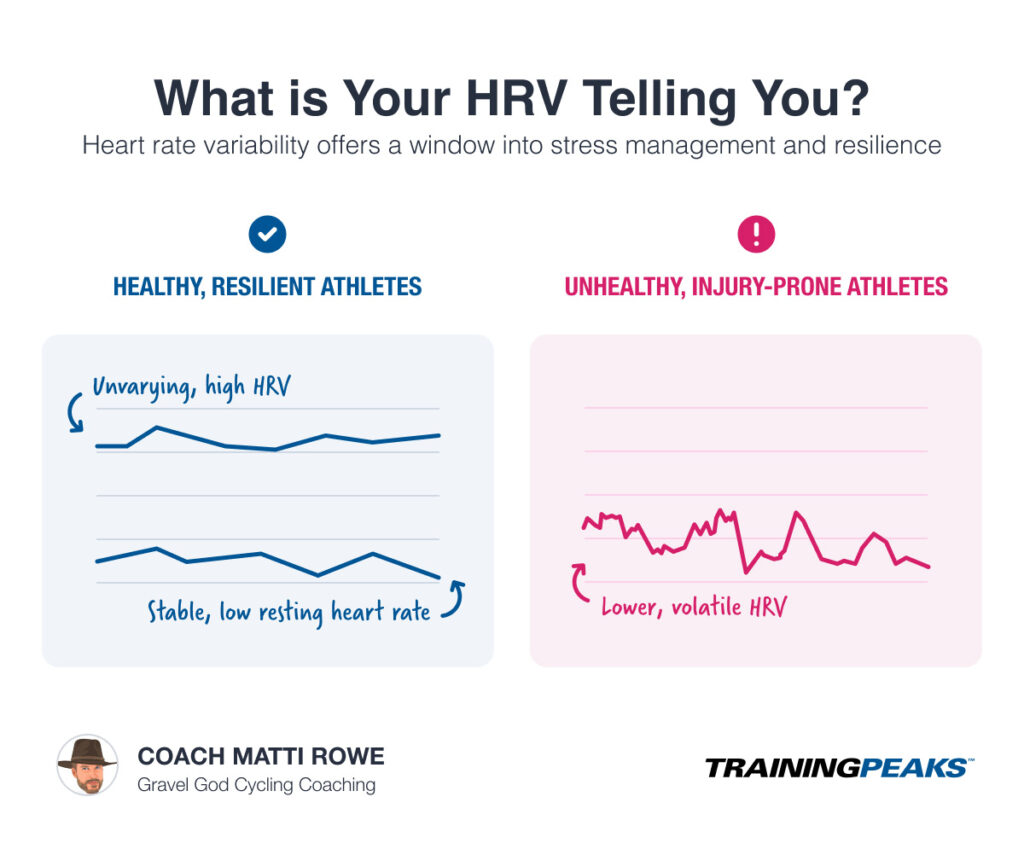
HRV measures the variation between beats, and it is a powerful health metric.
What HRV Reveals
- High HRV: Body is recovered and resilient to stress
- Low HRV: Signal of overtraining, illness, or poor sleep
Smartwatches like Apple Watch, Garmin, and Oura Ring track HRV overnight. A sudden drop may mean you need rest, even before feeling tired.
Boost HRV Naturally
You can improve HRV through lifestyle choices:
Eat Anti-Inflammatory Foods
- Fatty fish (salmon, mackerel, sardines): Rich in Omega-3s
- Nuts (walnuts, almonds), seeds (chia, flax)
- Olive oil and avocados
Prioritize Plant-Based Nutrition
- Leafy greens, berries, legumes, whole grains
- Supports gut health and lowers systemic inflammation
Time Meals Wisely
- Eat balanced meals every 3 to 4 hours
- Avoid late-night eating, as digestion disrupts sleep recovery
Stay Hydrated
- Drink water throughout the day
- Check urine color: pale yellow = good hydration
Limit Alcohol
- Even one drink lowers HRV and disrupts sleep
- Recommendation: Max 1 drink per day or abstain
Track During Exercise Safely
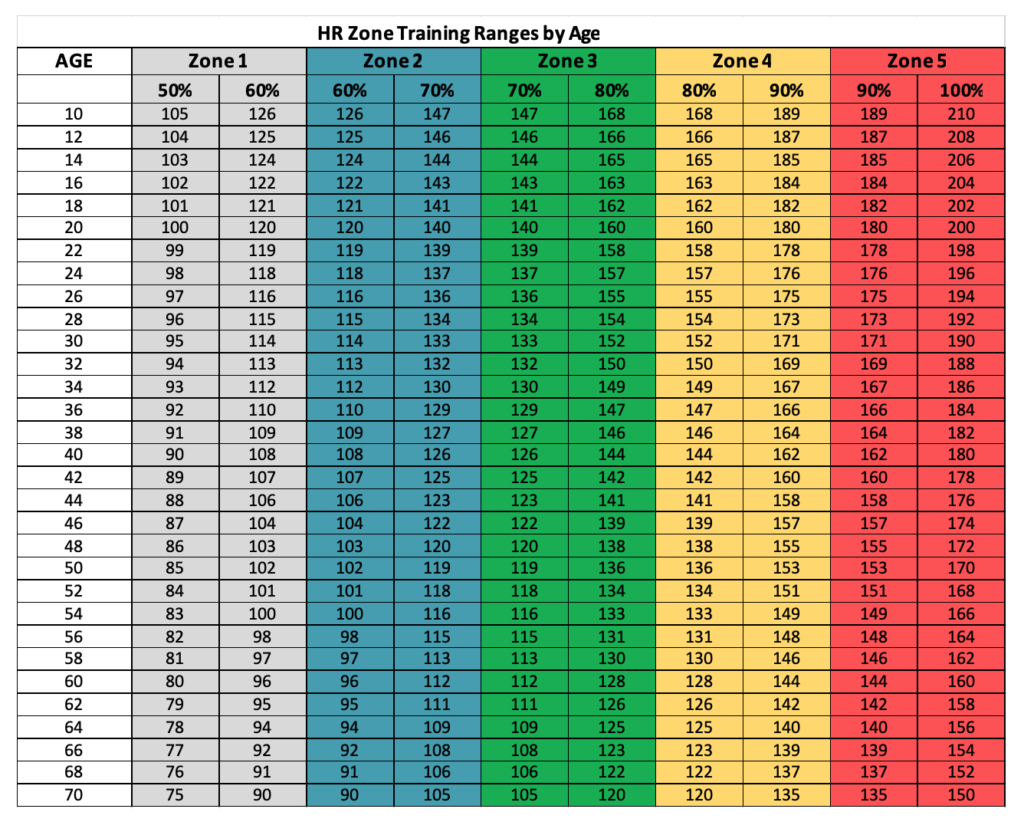
Use heart rate to guide workout intensity instead of guessing.
Calculate Your Max Heart Rate
Use the standard formula:
MHR = 220 – Age
Example: 40-year-old → MHR = 180 bpm
Note: No one should exceed 200 bpm, regardless of age.
Hit the Right Zones
| Intensity | Target % of MHR | Example (Age 40) |
|---|---|---|
| Moderate | 50% to 70% | 90 to 126 bpm |
| Vigorous | 70% to 85% | 126 to 153 bpm |
Use these zones to:
– Build endurance (moderate zone)
– Improve VO₂ max (vigorous zone)
Always consult a doctor before starting a new exercise program, especially if you have heart concerns.
Lower a High Heart Rate Fast
If your heart races due to stress, anxiety, or overexertion, calm it quickly.
Activate the Parasympathetic Nervous System
- 4-2-6 Breathing:
– Inhale 4 sec → Hold 2 sec → Exhale 6 sec
– Repeat for 1 to 2 minutes - Lie Down Immediately: Reduces strain on the heart
- Sip Water: Rehydration lowers heart workload
- Cool Down: Remove layers, fan yourself, step into shade
- Practice Mindfulness: Meditation, yoga, or deep focus calms the nervous system
Avoid stimulants like caffeine or nicotine during episodes.
Avoid Common Measurement Mistakes
Small errors lead to misleading data.
Top Errors and Fixes
| Error | Solution |
|---|---|
| Loose wearable | Tighten band; ensure skin contact |
| Moving during reading | Stay still for 30+ seconds |
| Measuring after coffee | Wait 60 to 90 minutes post-caffeine |
| Using gym handgrips | Skip them; use chest strap or watch |
| Ignoring personal baseline | Track weekly to know your normal |
Skin tone can affect PPG accuracy, so choose devices validated across diverse populations when possible.
When to See a Doctor
Monitoring helps, but it does not replace medical care.
Consult Your Provider If:
- Resting heart rate is consistently above 100 or below 60 bpm with symptoms
- You feel palpitations, dizziness, chest pain, or fainting
- Your rhythm feels irregular or “skippy”
- You’re unsure what the data means
Share your wearable data with your doctor. It provides context beyond a single clinic reading.
Go to ER Immediately for:
- Chest pain or pressure
- Severe shortness of breath
- Loss of consciousness
- Sudden, extreme heart rate change
These could signal heart attack, AFib, or other emergencies.
Follow Medical Best Practices
Experts recommend a balanced, informed approach.
Weekly Monitoring Routine
- Check resting heart rate once a week, same time each day
- Older adults (60+) may benefit from daily checks
- Track trends over time instead of fixating on single numbers
Choose Devices with Guidance
Talk to your doctor if you:
– Have heart disease
– Take medications affecting heart rate (e.g., beta-blockers)
– Experience unexplained symptoms
They can help select a medically appropriate monitor.
Use Data Responsibly
- Don’t obsess: Constant checking can cause anxiety
- Set boundaries: Monitor during workouts or sleep, not all day
- Correlate with symptoms: A high number without discomfort may not be urgent
Summary: Key Metrics at a Glance
| Metric | Normal Range | Action Threshold |
|---|---|---|
| Resting Heart Rate | 60 to 100 bpm | Above 100 or below 60 with symptoms |
| Ideal Resting Rate | 50 to 70 bpm | Deviation from personal baseline |
| Moderate Exercise | 50% to 70% MHR | Exceeding zone without reason |
| Vigorous Exercise | 70% to 85% MHR | Near 200 bpm (max limit) |
| Max Heart Rate | 220 – Age | Never exceed 200 bpm |
| HRV Status | High = Healthy | Low = Stress/illness/overtraining |
| Hydration Level | Pale yellow urine | Dark yellow = Dehydration |
Frequently Asked Questions About Heart Rate Monitoring
What is a dangerous heart rate?
A resting heart rate consistently above 100 bpm (tachycardia) or below 60 bpm (bradycardia) with symptoms like dizziness, chest pain, or fainting can be dangerous. Seek immediate medical care for sudden extreme changes, chest pressure, or loss of consciousness.
How accurate are smartwatch heart rate monitors?
Smartwatches using PPG technology are generally accurate for resting and moderate activity but can struggle during intense movement. Chest straps using EKG technology offer the highest accuracy for serious athletes and clinical use.
When should I check my resting heart rate?
Check your resting heart rate once a week at the same time of day, after sitting quietly for at least 5 minutes. Avoid measuring after caffeine, exercise, or stress, as these can elevate readings for 1 to 2 hours.
Can heart rate monitors detect AFib?
Some advanced smartwatches (like Apple Watch and certain Garmin models) can flag irregular rhythms suggestive of AFib. However, these alerts are not diagnoses. Confirm any irregularity with a healthcare provider using a medical-grade EKG.
Does a low heart rate mean I’m healthy?
A low resting heart rate (below 60 bpm) often indicates good cardiovascular fitness in athletes. However, if accompanied by fatigue, dizziness, or shortness of breath, it may signal bradycardia requiring medical evaluation.
How can I lower my heart rate quickly?
Use the 4-2-6 breathing technique (inhale 4 sec, hold 2 sec, exhale 6 sec) for 1 to 2 minutes. Lie down, sip water, cool your body, and practice mindfulness. Avoid stimulants during episodes.
Key Takeaways for Monitoring Your Heart Rate
Learning how to monitor heart rate accurately comes down to three core principles: consistency, proper technique, and context. Use the manual pulse check as your baseline for verifying any device, and remember that trends matter more than single readings. Whether you rely on a smartwatch, chest strap, or your fingertips, always pair the numbers with how you actually feel. Technology gives you insight, but your body gives you the truth. Start tracking today, stay consistent, and share your data with your doctor for a complete picture of your heart health.