5 Benefits of Cardio Cycling for Health
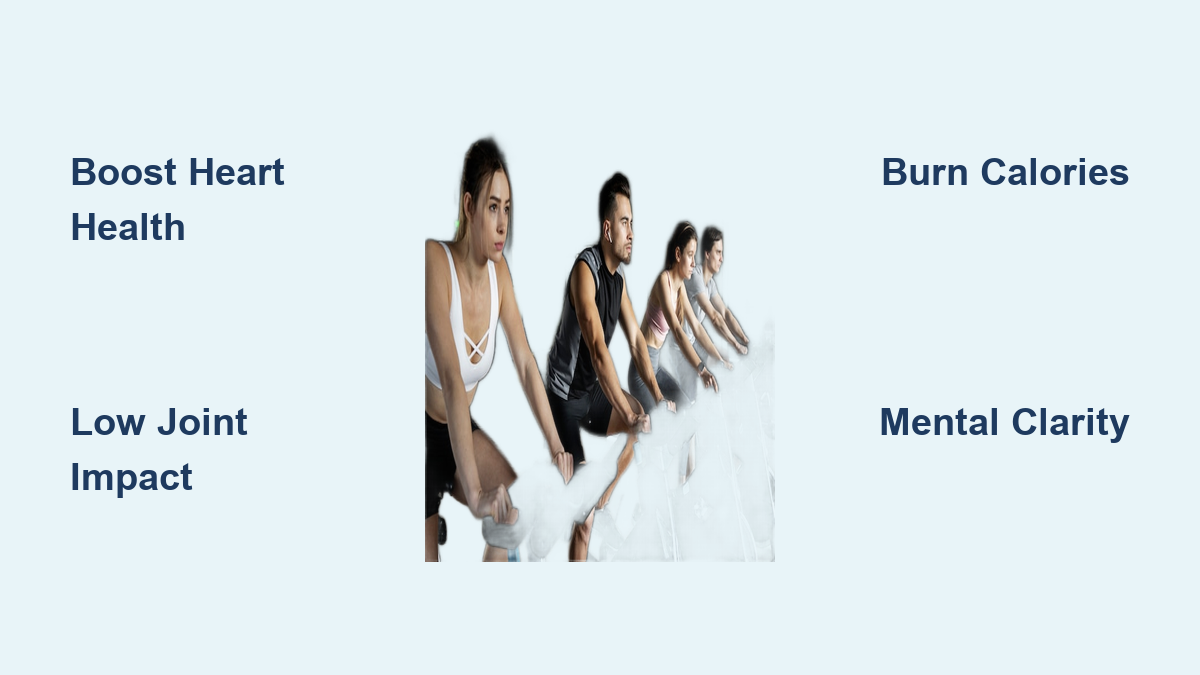
Cardio cycling isn’t just a way to get from point A to point B. It’s a powerful, full-body workout with benefits that ripple across your physical health, mental clarity, and daily life. Whether you’re pedaling through city streets, conquering mountain trails, or sweating it out in a spin class, cardio cycling delivers sustained aerobic activity that strengthens your heart, burns calories efficiently, and builds endurance, all with minimal stress on your joints.
Backed by research from large-scale studies, including a landmark UK analysis of over 263,000 commuters, cycling is linked to lower risks of heart disease, cancer, and early death. It helps regulate blood pressure, cholesterol, and blood sugar, making it a frontline defense against chronic illness. From weight management and muscle toning to environmental impact and cost savings, the benefits of cardio cycling are as practical as they are profound.
Boost Heart Health and Longevity
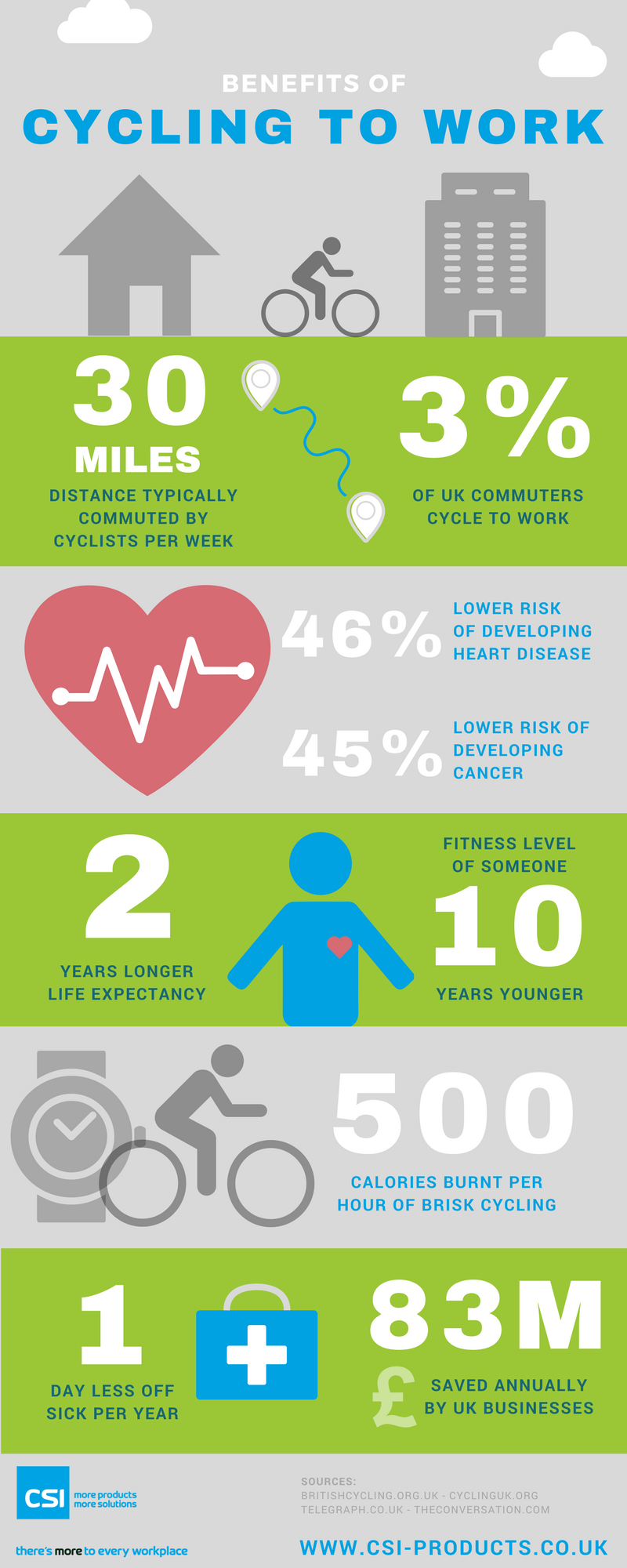
Cycling strengthens your cardiovascular system like few other activities can. As a sustained aerobic exercise, it elevates your heart rate, improves circulation, and enhances oxygen delivery to muscles, the key markers of cardiovascular endurance.
Lower Risk of Heart Disease and Stroke
A major UK study tracking 263,450 commuters aged 40 to 60 found that those who cycled to work had a significantly lower risk of cardiovascular disease, cancer, and premature death. The rhythmic effort of pedaling trains the heart to pump more efficiently, leading to a lower resting heart rate and improved blood pressure regulation.
Improve Cholesterol and Blood Sugar Control
Regular cycling helps manage key risk factors for heart disease:
– Raises HDL (“good”) cholesterol
– Lowers triglycerides
– Enhances insulin sensitivity, reducing Type 2 diabetes risk
These metabolic improvements are especially valuable for sedentary adults. Just 150 minutes per week of moderate cycling, about 30 minutes a day, five days a week, meets global health guidelines and can dramatically reduce long-term health risks.
Avoid Overtraining Pitfalls
While cycling is highly beneficial, moderation matters. Engaging in vigorous biking for more than 5 hours per week may begin to negatively affect heart health in some individuals. Steady, moderate rides offer the greatest protective benefits without overexertion.
Protect Joints While Staying Active

One of the most underrated benefits of cardio cycling is its low-impact nature. Unlike running or jumping, cycling doesn’t pound your joints, making it ideal for long-term fitness.
Gentle on Knees, Hips, and Ankles
The circular motion of pedaling minimizes compression on weight-bearing joints. This makes cycling a go-to exercise for older adults, people with arthritis, or anyone recovering from injury. Physical therapists often recommend stationary cycling early in rehab because it promotes mobility without strain.
Ideal for Injury Recovery and Cross-Training
Athletes in high-impact sports use cycling to maintain fitness during recovery. It allows cardiovascular conditioning while reducing the risk of overuse injuries. For beginners or those carrying extra weight, cycling offers a pain-free entry point to regular exercise.
Balance with Weight-Bearing Work
Because cycling is non-weight-bearing, it doesn’t stimulate bone density like walking or strength training. To prevent osteoporosis, pair cycling with resistance exercises or short walks. Also, ensure proper bike fit, as poor posture or seat height can lead to low back pain or knee strain.
Burn Calories and Manage Weight
Cycling is a smart, sustainable way to create a calorie deficit, especially for those who struggle with high-impact workouts.
Match or Exceed Running’s Calorie Burn Over Time
While running burns more calories per minute, cycling allows longer, more frequent sessions due to lower joint stress. A 155-pound person can burn 260 to 300 calories in 30 minutes of moderate cycling, and even more with hills or resistance.
Increase Duration Without Overexertion
Because cycling feels less taxing than running, people often ride longer. A 60-minute ride can burn 500 or more calories, making it highly effective for weight loss. Indoor HIIT cycling classes amplify this with interval bursts that boost afterburn.
Suppress Appetite and Improve Metabolism
Studies show cycling can temporarily suppress appetite in young adults, helping control post-workout cravings. It also reduces visceral fat, the dangerous fat around organs linked to diabetes and heart disease, especially when combined with a balanced diet.
Build Lower Body Strength and Endurance
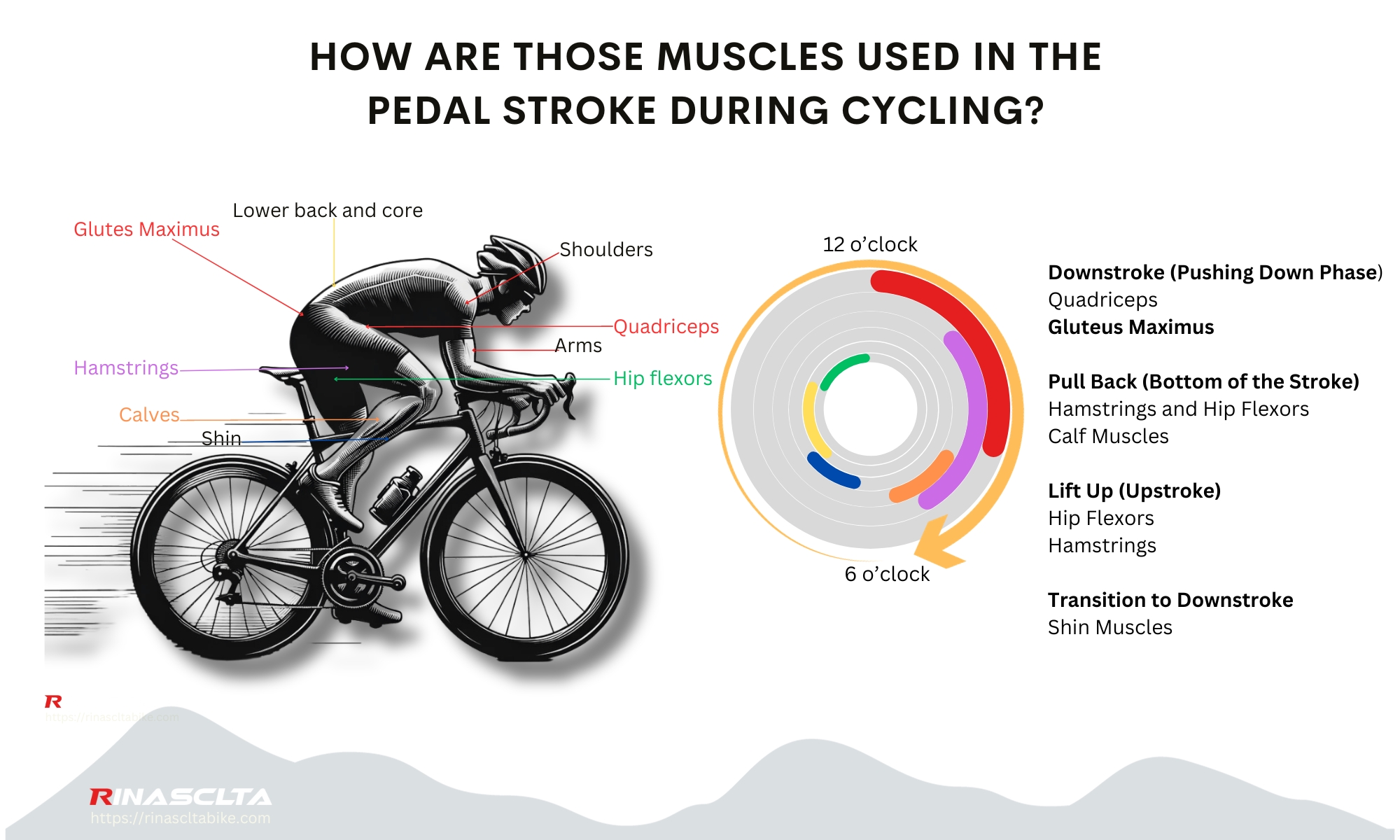
Cycling isn’t just cardio. It’s resistance training in disguise. The pedal stroke engages major muscle groups with every revolution.
Target Quads, Glutes, Hamstrings, and Calves
The primary muscles worked include:
– Quadriceps: Drive the downstroke, especially during climbs
– Glutes: Activate on uphill resistance or standing pedaling
– Hamstrings and Calves: Assist in the full pedal circle
Over time, this builds muscular endurance and tone. Unlike running, which creates leaner legs, cycling can increase leg muscle size due to resistance.
Engage Core and Stabilizer Muscles
Maintaining balance on the bike recruits your core, lower back, and hip stabilizers. When riding out of the saddle or on rough terrain, your arms, shoulders, and upper back work harder to control the bike.
Improve Neuromuscular Coordination
The repetitive, rhythmic motion strengthens brain-to-muscle communication. This leads to smoother pedal strokes, better balance, and enhanced coordination, especially valuable as we age.
Enhance Mental Clarity and Emotional Health
The mental benefits of cardio cycling are just as powerful as the physical ones. It’s exercise, therapy, and adventure rolled into one.
Reduce Stress Through Moving Meditation
The steady rhythm of pedaling can induce a meditative state. Focusing on breath, terrain, and motion clears mental clutter, reducing cortisol levels and promoting relaxation. Many riders describe a flow state where worries fade and focus sharpens.
Fight Anxiety and Depression
Exercise triggers endorphins and serotonin, the natural mood boosters. Regular cyclists report lower levels of anxiety and depression. Just 120 minutes a week in nature, easily achieved on outdoor rides, improves mental well-being and heart health.
Build Confidence and Connection
Group rides, spin classes, or family bike outings foster social bonds. Shared challenges like climbing a hill or finishing a long ride create camaraderie. For many, cycling becomes a source of empowerment, independence, and joy.
Choose the Right Cycling Style for You

Different forms of cycling offer unique benefits. Picking the right one keeps you engaged and consistent.
Road Cycling for Endurance and Speed
Smooth pavement allows steady pacing and high speeds. The consistent rhythm supports mental focus and cardiovascular conditioning, making it ideal for building stamina or commuting.
Mountain Biking for Focus and Adventure
Technical trails demand full attention. You’ll stand, shift weight, and use upper body strength, boosting coordination, balance, and mental resilience. The immersion in nature enhances creativity and emotional healing.
Gravel Biking for Exploration and Community
A mix of road and trail, gravel riding offers adventure without extreme difficulty. Often social and non-competitive, it emphasizes exploration over speed, perfect for weekend rides and connection.
Indoor Cycling for Efficiency and Control
Spin classes or apps like Zwift deliver structured, weather-proof workouts. You control resistance, cadence, and intensity, ideal for HIIT, strength training, or consistency in winter.
E-Biking for Accessibility and Inclusion
Electric assist makes hills and long distances manageable. Great for older adults, beginners, or mixed-ability groups. You still pedal and gain fitness, just with less fatigue.
Save Money and Reduce Environmental Impact
Cycling isn’t just good for your body. It’s good for your wallet and the planet.
Cut Commuting Costs
A bike costs far less than a car, with no fuel, insurance, or parking fees. Even e-bikes are cheaper to maintain than vehicles. Over time, replacing short car trips with bike rides adds up in savings.
Lower Carbon Footprint
The average car emits 4.6 metric tons of CO₂ per year, while cycling produces almost zero emissions. Replacing just one car trip a day with a bike ride significantly reduces your environmental impact.
Boost Urban Efficiency
In traffic-heavy cities, cycling is often faster than driving. With no parking hunt or gridlock, it turns commute time into fitness time, doubling your productivity.
Stay Safe and Ride Smart
Maximize benefits by minimizing risks. Proper preparation ensures long-term success.
Always Wear a Helmet and Lights
Head protection is non-negotiable. Add front (white) and rear (red) lights for visibility, especially at dawn, dusk, or night.
Maintain Your Bike Regularly
Check these key components:
– Tire pressure weekly
– Brake function before each ride
– Chain lubrication monthly
A well-tuned bike performs better and lasts longer.
Follow Traffic Rules and Use Signals
Cyclists have the same rights and responsibilities as drivers. Stop at lights, signal turns, and make eye contact with drivers to avoid accidents.
Get a Proper Bike Fit
Incorrect seat height or handlebar position can cause knee pain or back strain. Visit a bike shop or consult a trainer to optimize your setup.
Make Cycling a Sustainable Habit
Consistency is key. Build a routine that fits your life.
Start Slow and Build Gradually
Begin with 20 to 30 minute rides at a comfortable pace. Add time or resistance as fitness improves. Don’t compare yourself to others. Your journey is personal.
Mix It Up to Prevent Boredom
Rotate between indoor and outdoor rides. Try new routes, join a group, or use a cycling app. Variety keeps motivation high.
Aim for 150 Minutes Weekly
This aligns with global health guidelines and delivers measurable benefits. Break it into 5 sessions of 30 minutes or 3 rides of 50 minutes.
Consult a Professional If Needed
If you have heart disease, diabetes, or joint issues, talk to your doctor before starting. A trainer can help design a safe, effective program.
Frequently Asked Questions About Cardio Cycling
How many calories does cardio cycling burn?
A 155-pound person can burn 260 to 300 calories in 30 minutes of moderate cycling. Hills, higher resistance, and longer sessions increase this number significantly.
Is cycling better than running for weight loss?
Running burns more calories per minute, but cycling allows longer sessions due to lower joint stress. Over time, total calorie burn can be comparable, making cycling more sustainable for many people.
Can cycling help lower blood pressure?
Yes. Regular cycling improves circulation and trains the heart to pump more efficiently, which helps regulate blood pressure and reduce hypertension risk.
How often should I cycle to see health benefits?
Aim for 150 minutes per week of moderate-intensity cycling, or about 30 minutes a day, five days a week. This aligns with global physical activity guidelines.
Is cycling safe for people with knee problems?
Generally, yes. Cycling is low-impact and often recommended for people with arthritis or joint issues. However, proper bike fit is essential to avoid strain.
Do I need special equipment to start cycling?
At minimum, you need a well-fitted bike and a helmet. For comfort and safety, consider lights, reflective clothing, and padded shorts as you progress.
Key Takeaways for Embracing Cardio Cycling
The benefits of cardio cycling span every dimension of wellness. It strengthens your heart, protects your joints, burns calories, builds muscle, and sharpens your mind. It saves money, reduces your carbon footprint, and adapts to any fitness level or lifestyle.
Start with short, moderate rides and build gradually. Mix indoor and outdoor sessions to stay engaged. Aim for 150 minutes per week and listen to your body along the way.
Hop on a bike today and let the ride transform your health, one pedal stroke at a time.