Connect Garmin Heart Rate Monitor to Apple Watch
You just unboxed a Garmin chest strap or arm band, ready to capture every beat during your next run. Then you realize your Apple Watch does not have a simple “pair HRM” button. That small gap between devices can feel frustrating, especially when you want accurate training data without switching ecosystems.
This guide walks you through what is actually possible when pairing a Garmin heart rate monitor with an Apple Watch. You will learn which Garmin HRM models work, which apps bridge the gap, and how to troubleshoot common connection hiccups so you can focus on your workout, not your tech.
Why Apple Watch Does Not Pair Directly With Garmin HRM
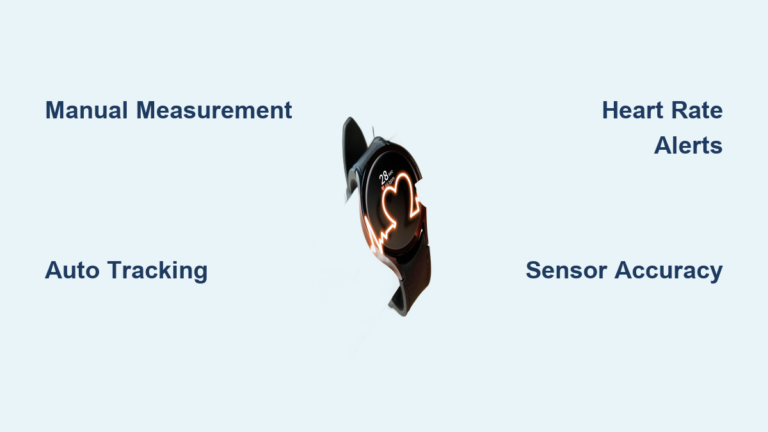
Apple Watch is designed to read heart rate data from its built-in optical sensor or from Bluetooth heart rate accessories that broadcast standard BLE signals. Garmin heart rate monitors do broadcast over Bluetooth Low Energy, which sounds promising, but Apple has not added native support for pairing third-party HRM straps inside the Workout app.
This means you cannot simply open Settings, find your Garmin HRM-PRO or HRM-Dual, and connect it like AirPods. You need a third-party app that acts as a translator between the Garmin sensor and your Apple Watch workout screen.
Garmin HRM Models That Work With Apple Watch
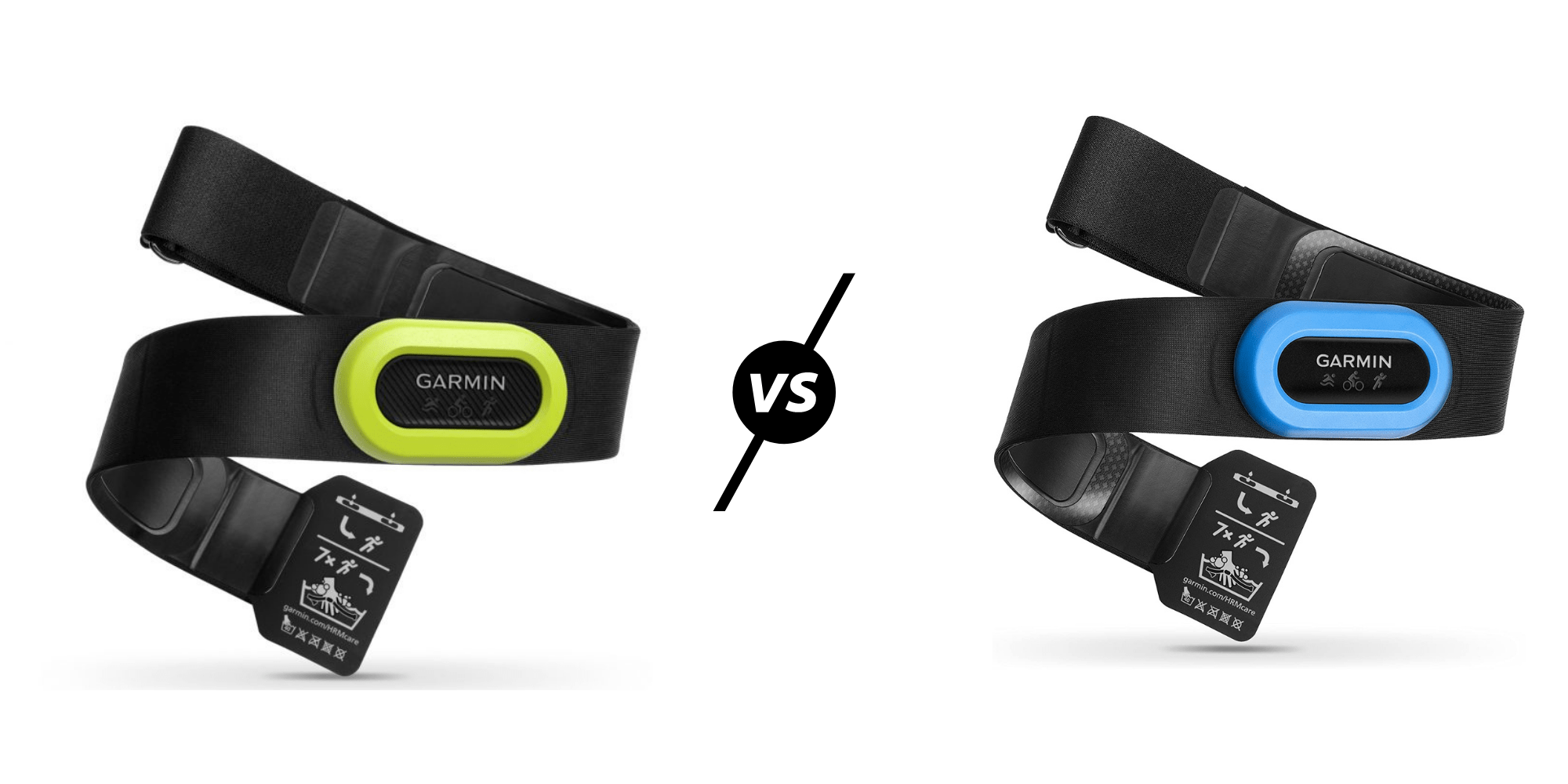
Most modern Garmin heart rate monitors use standard Bluetooth Smart (BLE) heart rate profiles. The following models are commonly tested and confirmed to broadcast in a format third-party iOS apps can read:
• HRM-PRO (chest strap)
• HRM-PRO Plus (chest strap with running dynamics)
• HRM-Dual (chest strap)
• HRM-Swim (chest strap for pool use)
• HRM-Tri (triathlon chest strap)
• HRM-Fit (women’s cropped top style)
Older Garmin ANT+ only models will not connect to an Apple Watch because Apple Watch does not include ANT+ radio hardware. If your strap only supports ANT+, you will need an ANT+ to Bluetooth bridge accessory, which is a separate purchase.
What You Need Before You Start Pairing
Before you attempt any connection, gather these items so the setup goes smoothly:
• A charged Apple Watch with watchOS 8 or later
• An iPhone running iOS 15 or later
• A Garmin heart rate monitor with a fresh battery
• A compatible third-party app installed on both iPhone and Apple Watch
• The Garmin HRM moistened or worn snugly (for chest straps)
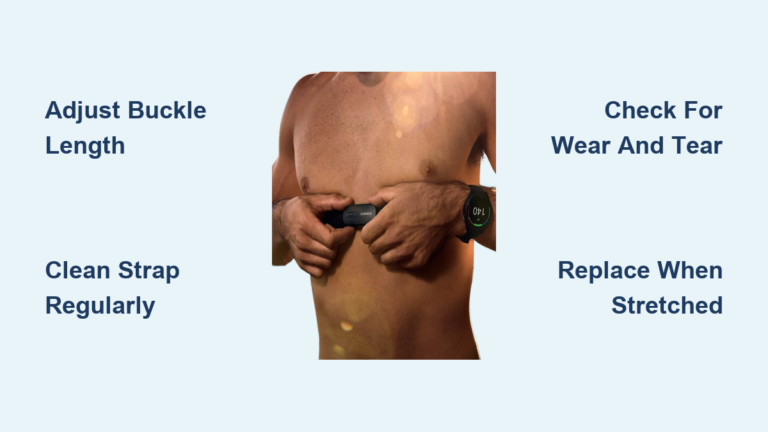
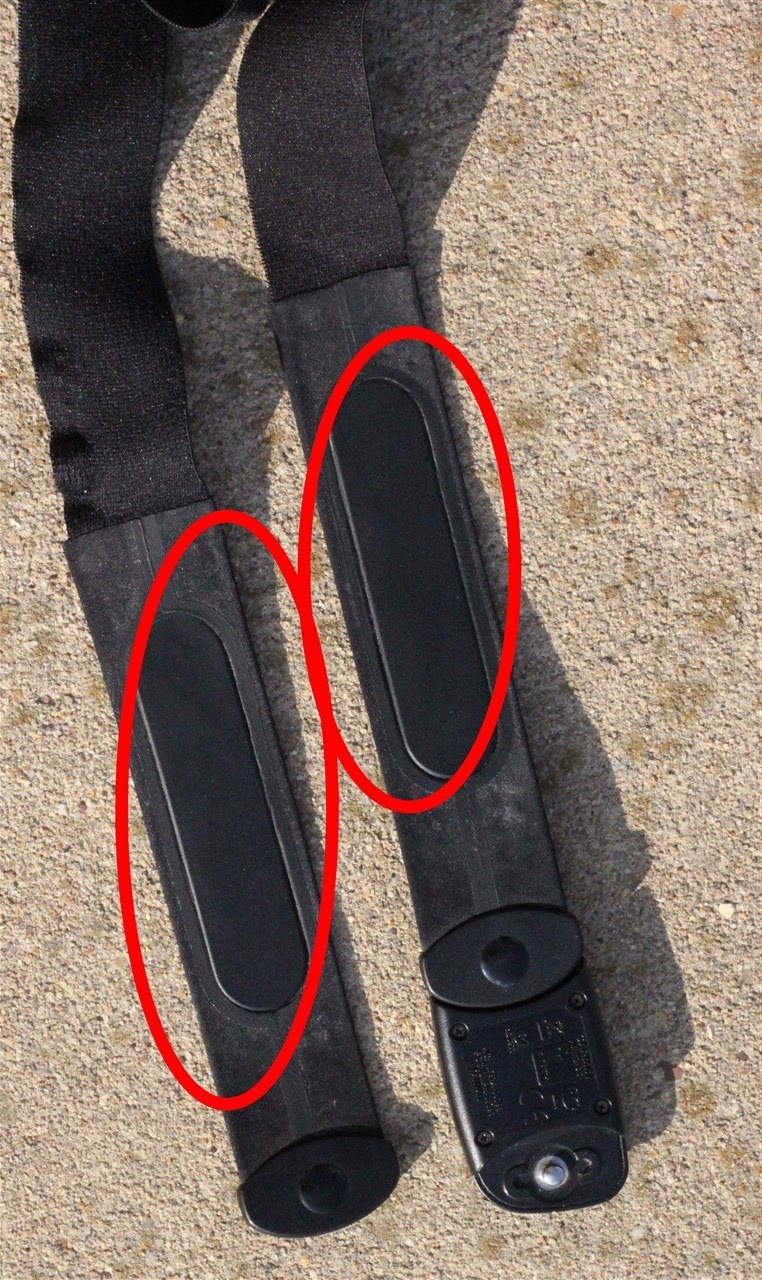
Wet the chest strap electrodes or clip the optical arm band firmly. A loose strap is the number one reason a heart rate monitor fails to broadcast a stable signal.
Best Apps to Connect Garmin HRM to Apple Watch
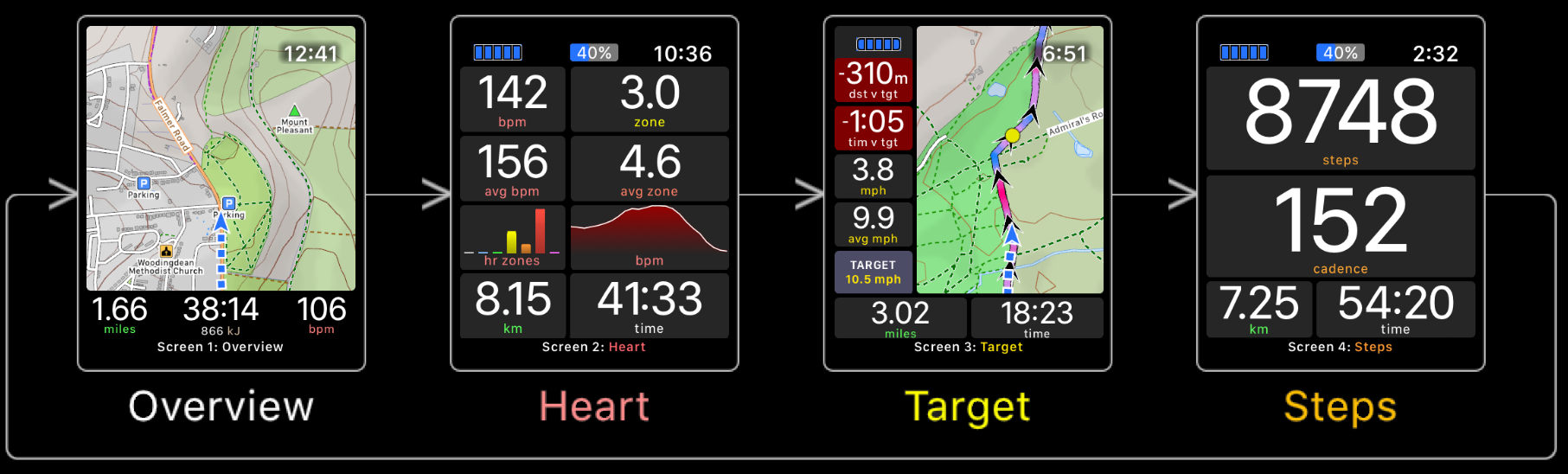
Since Apple does not offer native HRM pairing, third-party apps fill the gap. Each app handles the connection differently, so pick one that matches your training style.
Workoutdoors
Workoutdoors is a popular choice for runners and cyclists. It supports external Bluetooth heart rate monitors and can broadcast that data to your Apple Watch screen in real time. You can also export workouts to Garmin Connect, Strava, and Apple Health.
HeartCast
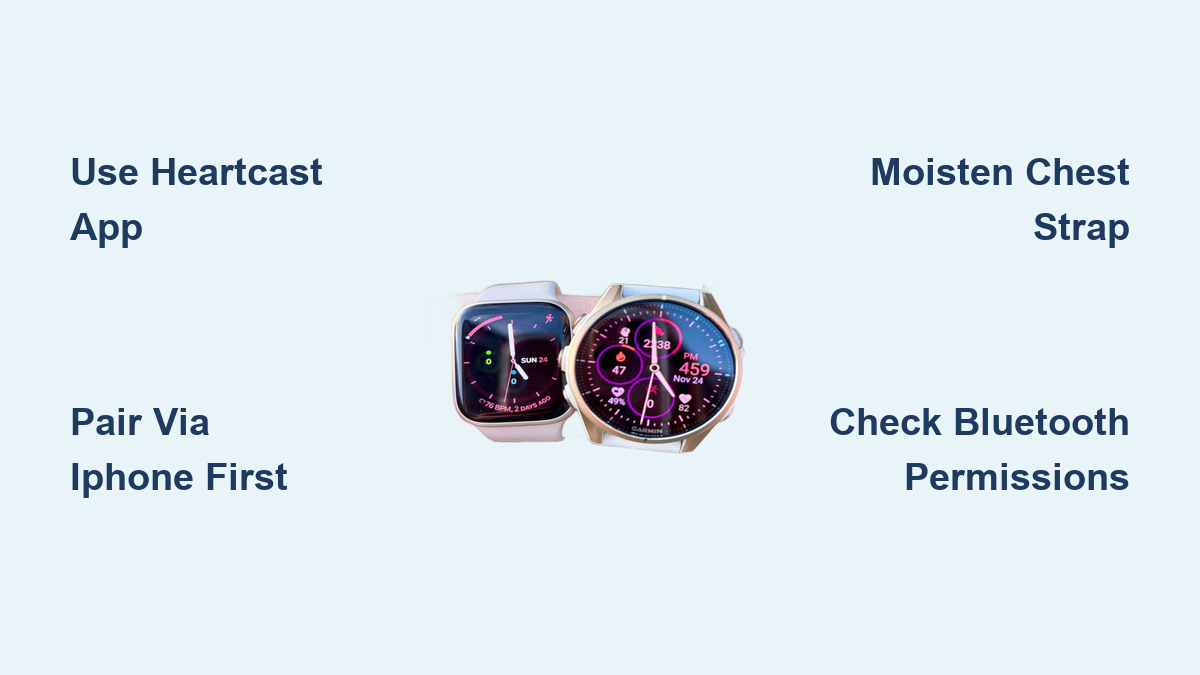
HeartCast is built specifically to relay heart rate data from a chest strap to your Apple Watch. It reads the Garmin HRM signal on the iPhone and forwards it to the watch face or workout app. This is often the simplest option if you only care about heart rate visibility.
Watch Outdoors
Watch Outdoors offers offline maps and external sensor support, including Garmin HRM straps. It is a good pick for hikers and trail runners who want both navigation and heart rate data on the wrist.
CardioVision
CardioVision focuses on heart rate zone training and accepts external HRM input. It works well if you want structured zone workouts without buying a Garmin watch.
Step by Step: How to Connect Garmin Heart Rate Monitor to Apple Watch
The exact steps vary slightly by app, but the general flow is consistent.
Step 1: Install the App on iPhone and Apple Watch
Download your chosen app from the App Store on both devices. Make sure the Apple Watch companion app is installed through the Watch app on your iPhone, not just the phone version.
Step 2: Put On and Activate the Garmin HRM
Wear the chest strap and secure the buckle, or clip on the arm band. The strap will automatically wake up and begin broadcasting once it detects skin contact or movement.
Step 3: Open the App and Grant Bluetooth Permissions
Launch the app on your iPhone first. Allow Bluetooth and Health permissions when prompted. Without Health access, the app cannot write heart rate samples to Apple Health.
Step 4: Pair the HRM Inside the App
Navigate to the Sensors or Devices section. Tap “Add Sensor” or “Pair New.” The app will scan for nearby Bluetooth heart rate devices. Select your Garmin HRM from the list. A confirmation message should appear within a few seconds.
Step 5: Start a Workout on Apple Watch
Open the same app on your Apple Watch. Begin a workout activity. Your real time heart rate from the Garmin strap should now appear on the watch screen within 10 to 30 seconds.
Step 6: Verify the Signal
Check that the BPM number updates as your effort changes. If the number stays at zero or freezes, the strap likely lost contact with your skin or the battery is low.
Troubleshooting Common Connection Problems
Even with the right app, connection drops can happen. Try these fixes before giving up.
Heart Rate Shows Zero on Apple Watch
• Re moisten the chest strap electrodes
• Reposition the strap so the logo is centered on your chest
• Move your iPhone closer to your Apple Watch during the workout
• Replace the HRM battery if it is older than 12 months
Apple Watch Will Not Detect the Garmin HRM
• Confirm the strap is broadcasting by checking the Garmin Connect app on iPhone
• Forget the device in Bluetooth settings and re pair
• Restart both iPhone and Apple Watch
• Update the third party app to the latest version
Connection Drops Mid Workout
• Disable Wi-Fi on the Apple Watch to reduce Bluetooth interference
• Keep the iPhone on the same side of your body as the watch
• Avoid placing the iPhone in a rear pocket or backpack far from the watch
Battery Drains Quickly on iPhone
Streaming heart rate data uses Bluetooth continuously. Carry a small battery pack on long workouts or lower the iPhone screen brightness to extend runtime.
Pro Tips for the Most Accurate Heart Rate Data
A few small habits make a big difference in signal quality.
• Replace the strap battery every 6 to 12 months
• Wash chest straps after every workout to remove salt and skin oils
• Avoid wearing the strap over a shirt, which weakens skin contact
• Use a conductive gel in cold weather if the strap struggles to read
Frequently Asked Questions About Connecting Garmin HRM to Apple Watch
Can Apple Watch display heart rate from a Garmin chest strap?
Yes, but only through a third-party app such as HeartCast or Workoutdoors. Apple Workout does not natively pair with Garmin HRM devices.
Does Garmin HRM-PRO work with Apple Watch?
Yes. The HRM-PRO broadcasts over Bluetooth Low Energy and is compatible with most third-party iOS apps that support external heart rate sensors.
Why does my Apple Watch lose the Garmin HRM signal during runs?
Bluetooth interference, low strap battery, or loose skin contact are the most common causes. Keep your iPhone close, replace the battery yearly, and wet the strap before each workout.
Do I need Garmin Connect to pair the strap with Apple Watch?
No. Garmin Connect is not required for third-party pairing. You only need a compatible app like Workoutdoors, HeartCast, or Watch Outdoors.
Can I broadcast Garmin HRM data to the Apple Workout app?
Not directly. Apple Workout only reads heart rate from Apple-built sensors. You must use a third-party app for your Garmin strap data to appear on your wrist.
Will older Garmin ANT+ straps ever work with Apple Watch?
No. Apple Watch hardware does not include ANT+ support, so ANT+ only straps cannot connect without a separate bridge accessory.
Final Thoughts on Pairing Your Garmin HRM With Apple Watch
Connecting a Garmin heart rate monitor to an Apple Watch is entirely possible with the right app, even though Apple does not offer native pairing. Choose a third-party app like Workoutdoors or HeartCast, keep your strap battery fresh, and position the sensor snugly against your skin for the most stable signal.
Your next step is simple: pick one app from the list above, install it on both iPhone and Apple Watch, and run through the pairing steps before your next training session. Once the connection feels reliable, you can stop worrying about the tech and start focusing on the workout.