Best Cardio for Stress Relief (2026 Guide)
Feeling overwhelmed, tense, or mentally exhausted? You’re not alone. In a world that rarely slows down, stress has become a constant companion for millions of adults. Yet one of the most effective antidotes doesn’t come from a bottle, an app, or a therapist’s couch. It comes from your own two feet. Cardio for stress relief is a science-backed strategy that rewires your nervous system, lifts brain-fog, and restores emotional balance in ways few other interventions can match.
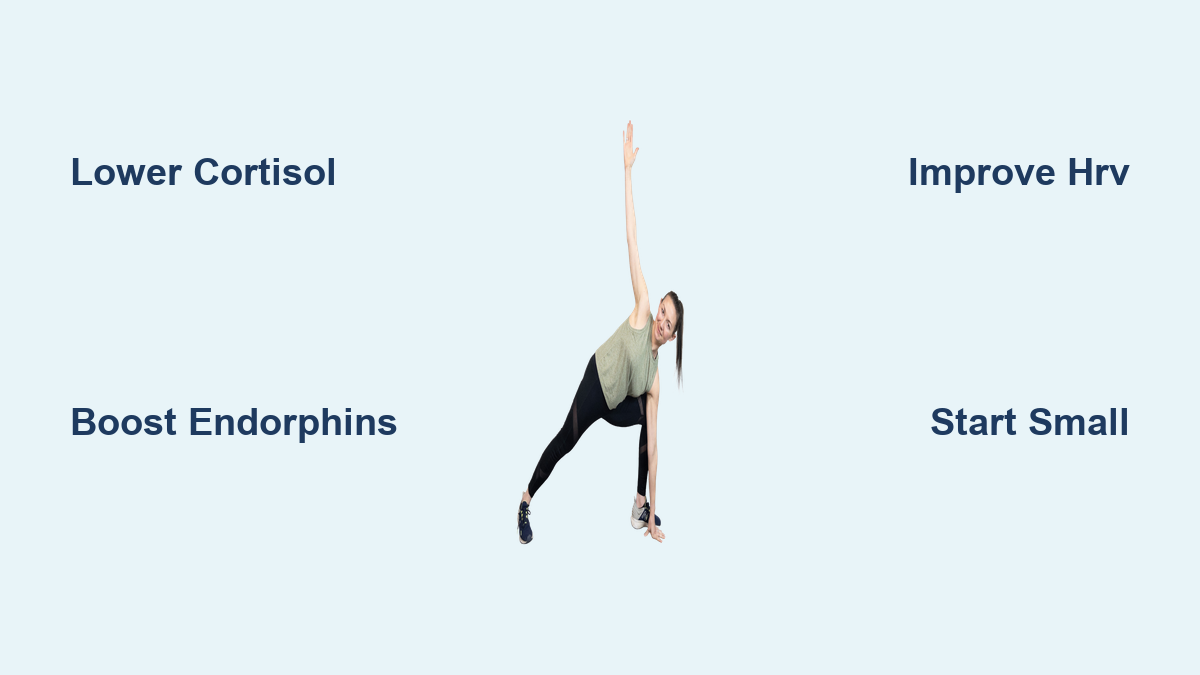
When you engage in aerobic exercise, whether it’s a brisk walk, a bike ride, or a dance session in your living room, your body releases endorphins, lowers cortisol, and activates your parasympathetic nervous system. This biological shift doesn’t just offer a temporary mood lift; it builds lasting resilience. Research shows that 62% of adults who use cardio to manage stress rate it as “very” or “extremely” effective, more than double the relief reported from scrolling or watching TV. This guide breaks down exactly how cardio calms your mind, which workouts work best, and how to stay consistent even when stress makes you want to quit.
How Cardio Resets Your Stress Response

Your stress response is designed for short-term emergencies, not daily commutes, deadlines, and notifications. When activated too often, it keeps your body stuck in “high gear,” flooding your system with cortisol and adrenaline. Cardio acts as a physiological reset button, reversing these effects through measurable biological pathways.
Lowers Cortisol and Adrenaline
Regular aerobic exercise improves the function of your hypothalamic-pituitary-adrenal (HPA) axis, the command center for your stress response. Over time, consistent cardio lowers baseline levels of cortisol and adrenaline, meaning your body becomes less reactive to everyday frustrations. That tense feeling in your chest during a work meeting? It fades as your physiology adapts to your routine.
Triggers Endorphin Release
Cardio stimulates the release of endorphins, your brain’s natural painkillers and mood elevators. These neurotransmitters create the famous “runner’s high,” a wave of euphoria and mental clarity that follows sustained movement. Even a 20-minute walk can spark this effect, offering stable mood support without the crash that comes from caffeine or sugar.
Improves Heart Rate Variability (HRV)
Heart rate variability, the variation in time between heartbeats, is a key marker of stress resilience. Low HRV signals a rigid, overtaxed nervous system; high HRV indicates adaptability and recovery capacity. Aerobic exercise strengthens your parasympathetic nervous system, the “rest-and-digest” branch that helps you bounce back after stressful events.
Best Cardio Types for Stress Reduction

Not all cardio delivers the same mental benefits. The most effective options combine rhythmic movement, breath control, and an element of enjoyment that keeps you coming back.
Brisk Walking: The Accessible Stress Reliever
Walking at a pace of at least 3 mph is one of the lowest-barrier, highest-reward forms of stress-reducing cardio. It requires no gym membership or special equipment, just a pair of shoes and a safe path. Walking outdoors amplifies benefits by reducing rumination and mental fatigue, especially in green spaces like parks or tree-lined streets. Aim for 20 to 30 minutes daily, or split it into two 10-minute sessions if time is tight.
Cycling: Rhythmic and Focused
Cycling, whether on a stationary bike or outdoors, offers a meditative rhythm that disrupts anxious thought loops. The repetitive pedaling engages your body while freeing your mind, and outdoor rides add sensory variety that breaks mental cycles. It’s an excellent choice for people who feel trapped in overthinking.
Swimming: Full-Body Sensory Reset
Water provides a uniquely calming environment. Buoyancy reduces joint strain, while hydrostatic pressure creates a gentle compression effect that promotes relaxation. The rhythmic breath control required in swimming mirrors deep breathing exercises, and the underwater silence offers a full sensory break from external stimuli. Focus on stroke rhythm rather than speed to maximize stress relief.
Dancing: Joy-Driven Cardio
Dancing transforms exercise into play. Music activates your brain’s reward system, while movement releases physical tension and sparks creativity. No skill is required; turn on your favorite playlist and move freely at home. Research shows that 53% of teens who dance or play sports report feeling good about themselves, a higher rate than passive screen activities.
HIIT: Fast but Cautious
High-Intensity Interval Training delivers efficient stress relief in just 15 to 20 minutes. However, excessive HIIT without adequate recovery can increase cortisol and worsen stress, especially during burnout or insomnia. Limit sessions to two or three per week and pair them with lower-intensity cardio on other days.
Why Exercise Beats Sedentary Coping
When stress hits, many people default to scrolling, streaming, or zoning out. These habits provide short-term distraction but often deepen anxiety and guilt over time.
Screen Time vs. Sweat Time
The numbers paint a clear picture. Adults spend an average of 3.9 hours per day watching TV and 3.7 hours online, yet only 29% to 33% rate these activities as effective stress managers. In contrast, 62% of those who exercise report it as highly effective. Sedentary coping leads to passive consumption, which can fuel isolation and low self-worth. Exercise, on the other hand, fosters active mastery. Finishing a workout or hitting a step goal builds self-efficacy, a powerful buffer against stress.
The Guilt Trap
After hours of scrolling, most people report feeling worse. Exercise rarely brings regret. Instead, it creates a small but meaningful shift in self-perception: “I’m glad I did that.” Over time, this compounds into a stronger sense of agency and control.
Overcoming the Stress Paradox: Why We Skip Exercise When We Need It Most
Here’s the frustrating reality: the people who would benefit most from cardio are often the least likely to do it. Among adults with high stress levels (8 to 10 on a 10-point scale), 64% skip workouts when overwhelmed, compared to just 15% of low-stress adults. This creates a dangerous cycle: stress leads to inactivity, which leads to more stress, guilt, and deeper inactivity.
Breaking the Cycle
Reframe exercise as mental maintenance. Instead of “I have to work out,” try “I’m giving my brain a reset.” This shifts the focus from obligation to self-care.
Start ridiculously small. When overwhelmed, even a five-minute walk feels impossible. Lower the bar to something almost laughable, like putting on shoes and walking to the end of the block. Just 10 minutes of moderate activity can improve mood, and momentum often takes over once you begin.
Schedule it like a meeting. Treat cardio as a non-negotiable appointment. Morning sessions set a calm tone for the day, while midday workouts break up work-related tension. Avoid intense sessions late in the evening if they disrupt your sleep.
Use social accountability. Exercising with a friend, partner, or group multiplies stress-relief benefits through connection and commitment. Millennials, who exercise weekly at the highest rate (72%), often rely on social or group fitness to stay consistent.
Mind-Body Cardio: When Movement Meets Mindfulness
Some forms of cardio double as moving meditation, integrating breath, body awareness, and rhythm to deepen stress relief.
Yoga: Stretch, Breathe, Release
Yoga combines gentle cardio with breathwork and mental focus. It reduces muscle tension, slows breathing, and lowers heart rate. For high-stress individuals, Hatha, Restorative, or Yin styles are ideal; avoid power yoga if you’re feeling highly anxious. Many classes end with Savasana, a guided relaxation that trains your body to rest deeply.
Tai Chi: Moving Meditation
Tai Chi uses slow, flowing movements to harmonize body and mind. It enhances balance, focus, and parasympathetic activation, making it ideal for older adults, those with joint issues, or anyone seeking a gentle entry into mindful movement.
Pilates: Core Strength and Mental Clarity
Pilates improves posture, core stability, and breath control, all areas affected by chronic stress. Shallow breathing and slumped posture feed anxiety; Pilates reverses both, leaving you physically aligned and mentally clearer.
Build Your Stress-Relief Routine: Practical Steps
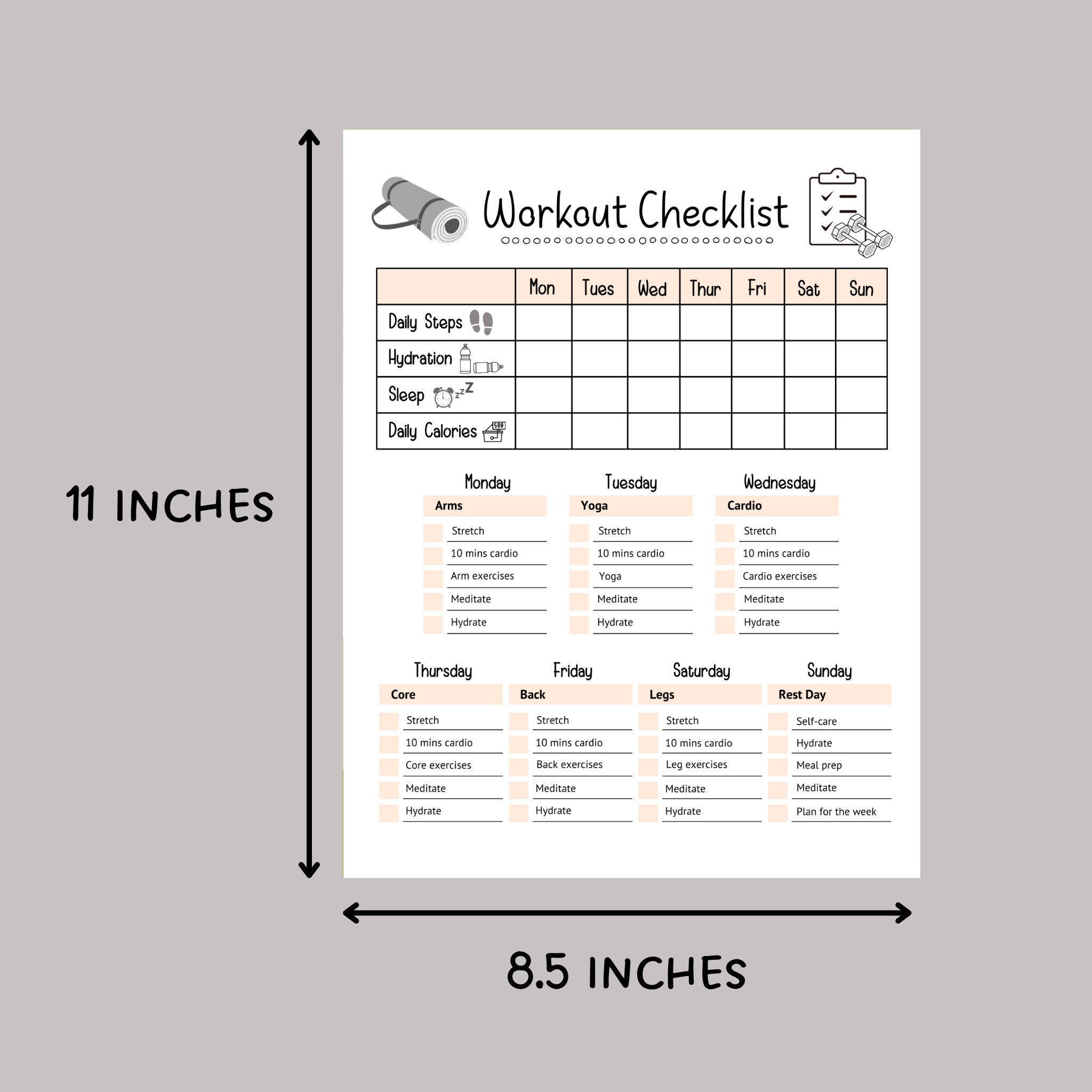
Consistency matters more than intensity. Use these evidence-based strategies to create a sustainable cardio habit.
Step 1: Choose Your Favorite Form of Cardio
Pick something you genuinely enjoy. If you hate running, don’t run. Try walking with a podcast, cycling through a park, dancing in your living room, or swimming laps with waterproof headphones. If it feels like punishment, you won’t stick with it.
Step 2: Start with 10 Minutes a Day
The minimum effective dose for mood improvement is 10 minutes of moderate cardio. In your first week, walk for 10 minutes after lunch. In week two, add a second 10-minute session in the morning. By week three, gradually increase to 30 minutes or boost intensity.
Step 3: Combine Cardio with Breathing
Enhance stress relief by syncing breath with movement. While walking, inhale for three steps and exhale for three steps. While cycling, take deep belly breaths with each pedal stroke. Finish each session with five minutes of seated deep breathing.
Step 4: Track Non-Scale Victories
Don’t measure success by weight or speed. Look for mental wins: “I felt calmer after my walk,” “I didn’t ruminate as much today,” or “I slept better.” These are the real indicators of progress.
When to Seek Additional Support
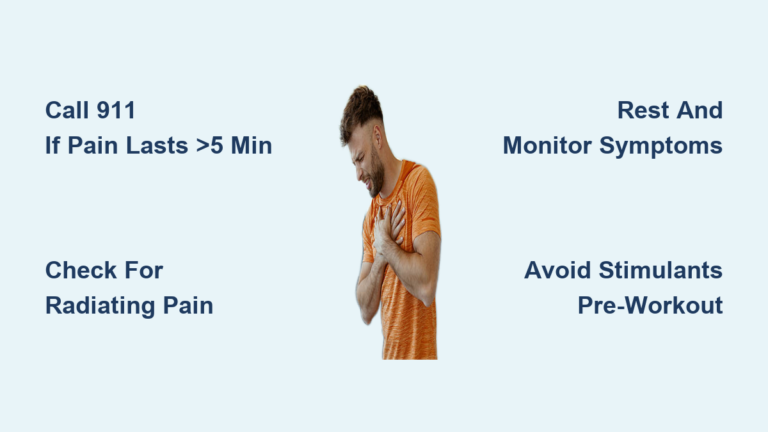
Cardio is powerful, but it’s not a cure-all. If stress is overwhelming, persistent, or interfering with daily life, it may signal clinical anxiety or depression.
Warning Signs
- Inability to function at work or home
- Constant fatigue or insomnia
- Feelings of hopelessness
- Avoiding social contact
Complementary Tools
Exercise works best alongside therapy, such as Cognitive Behavioral Therapy, which helps reframe negative thought patterns. When prescribed, medication can restore brain chemistry balance. Sleep hygiene also matters; cardio improves sleep, creating a positive feedback loop that further reduces stress. Always consult a healthcare provider before starting a new exercise program if you have heart conditions, chronic pain, or other medical concerns.
Long-Term Benefits: More Than Just Stress Relief
The rewards of cardio extend far beyond mental calm. Regular aerobic activity builds a resilient body and mind.
Disease Prevention and Healthy Aging
Cardio lowers blood pressure, improves cholesterol, and enhances insulin sensitivity. It reduces the risk of heart disease, diabetes, colon and breast cancers, and dementia. Physically active adults also have longer telomeres, biomarkers of slower cellular aging, and they maintain mobility, strength, and independence longer into life.
Better Sleep and Energy
Stress disrupts sleep; cardio restores it. People who exercise regularly fall asleep faster and experience deeper, more restorative rest, leading to higher daytime energy and sharper cognitive function.
Frequently Asked Questions About Cardio for Stress Relief
How quickly does cardio reduce stress?
Even a single 10-minute session of moderate cardio can trigger mood-enhancing changes, including endorphin release and reduced cortisol. However, lasting benefits build over weeks of consistent activity.
What is the best cardio exercise for anxiety?
Brisk walking, swimming, cycling, and yoga-based movement are among the most effective. The “best” option is one you enjoy enough to repeat regularly.
Can too much cardio increase stress?
Yes. Overtraining without adequate recovery can elevate cortisol and worsen anxiety. Balance intense sessions with lower-intensity days and prioritize sleep.
How often should I do cardio to manage stress?
Aim for at least 150 minutes of moderate-intensity cardio per week, spread across most days. Even short daily sessions (10 to 15 minutes) produce meaningful benefits.
Is cardio better than medication for stress?
Cardio is highly effective for everyday stress and mild anxiety, but it is not a substitute for professional treatment. For clinical anxiety or depression, combine exercise with therapy, medication (if prescribed), and social support.
What if I feel too stressed to exercise?
Start with a micro-goal, like putting on shoes and walking for five minutes. Often, beginning is the hardest part; momentum takes over once you start moving.
Key Takeaways for Using Cardio to Relieve Stress
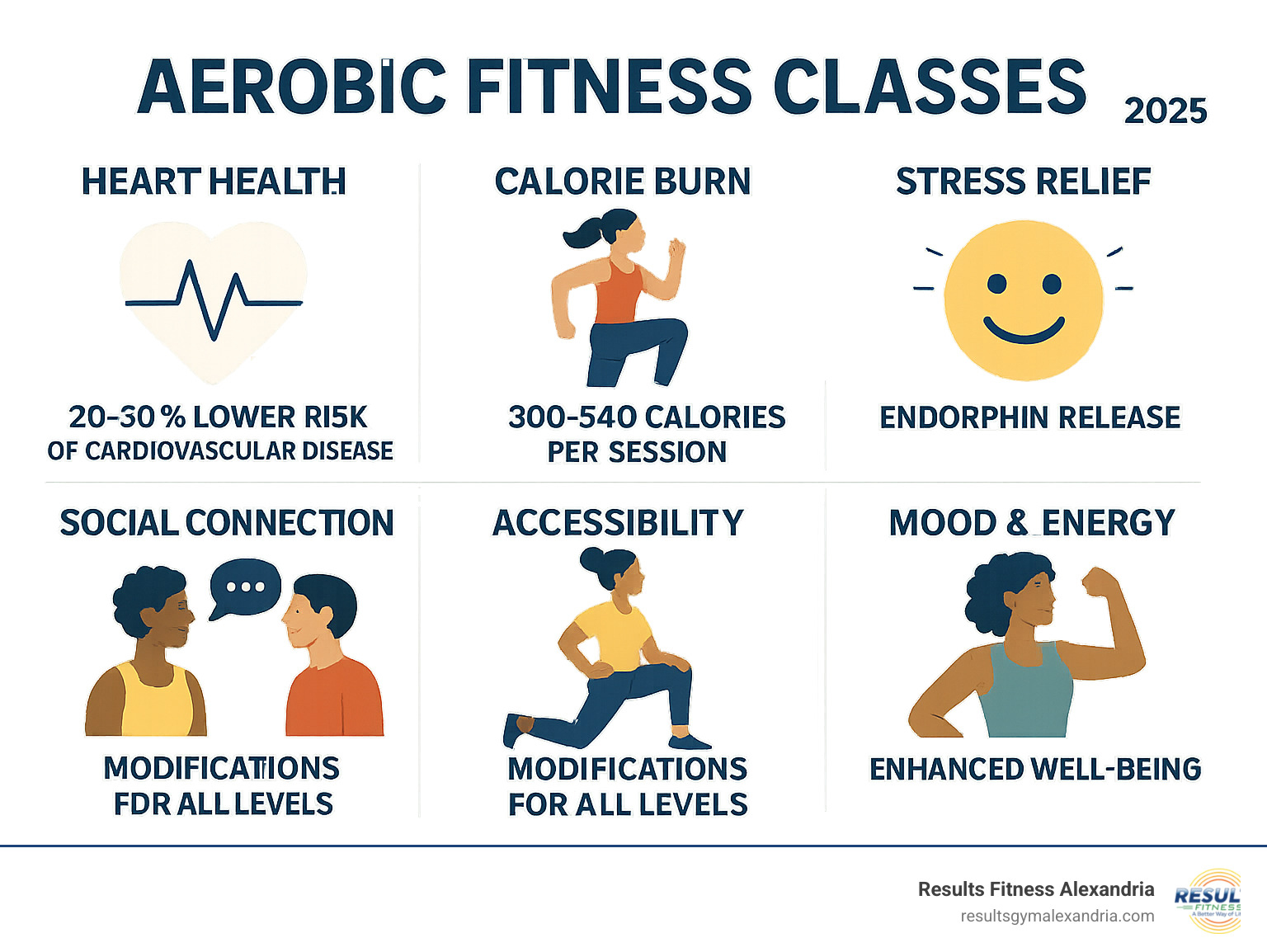
Cardio for stress relief works because it addresses the problem at its source: your nervous system, hormones, and brain chemistry. Regular aerobic activity lowers cortisol, boosts endorphins, and improves heart rate variability, all of which build resilience against future stress. You don’t need intense workouts or long sessions; 10 minutes of enjoyable movement can shift your mood and physiology in a single day. The biggest barrier is the stress paradox itself: high-stress individuals are most likely to skip exercise. Breaking that cycle requires reframing movement as self-care, starting small, and leaning on social accountability.
Your next step is simple: choose one form of cardio you enjoy, commit to 10 minutes today, and notice how you feel afterward. That single session could be the start of a calmer, more resilient you.