Best Cardio Exercises for Obese People (2026 Guide)
Living with obesity often means dealing with joint pain, low energy, and fear that exercise will cause more harm than good. The truth is, the right cardio exercises for obese people can dramatically improve heart health, blood sugar, and mobility, even before significant weight loss occurs. Carrying extra weight increases strain on your knees, back, and cardiovascular system, but low-impact movement can reduce that burden safely and sustainably.
You don’t need to run a mile or spend hours at the gym to see real benefits. Even 5 to 10 minutes of movement per day improves insulin sensitivity, lowers blood pressure, and boosts mood. This guide covers the safest cardio options for beginners, how to avoid injury, how to stay consistent, and how to choose activities that feel empowering rather than punishing.
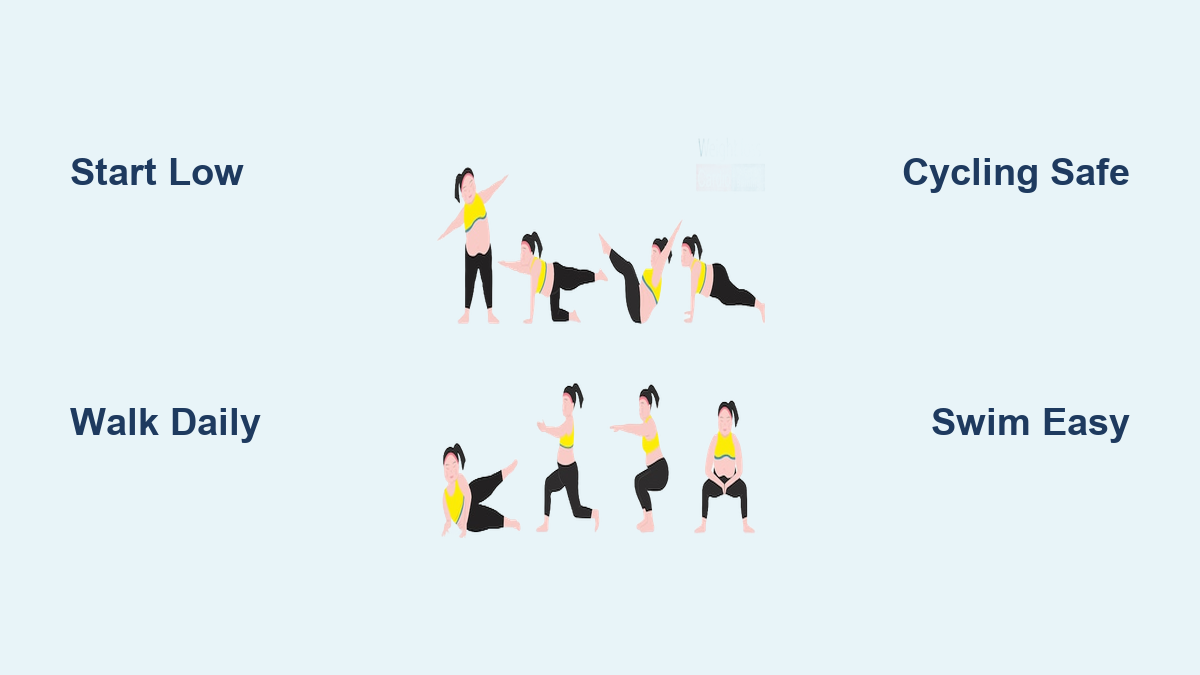
Start Low, Go Slow
The most important rule for beginning cardio is simple: start low and go slow. Jumping into intense workouts increases injury risk and burnout. Instead, build a foundation of consistency with manageable sessions you can repeat daily.
Begin with 5 to 10 Minute Sessions
If you haven’t been active recently, start with just 5 to 10 minutes of movement per day. That’s enough to begin reaping metabolic and cardiovascular benefits. Use a simple timer or fitness tracker to stay accountable.
- Frequency: Aim for 3 days per week at first
- Progression: Add 5 minutes each week until you reach 30 minutes per session
- Accumulate: Break activity into chunks. Three 10-minute walks count as much as one 30-minute walk
Choose Low Intensity First
Begin at a pace where you can talk but not sing. If even walking feels hard, start with seated movements or water-based exercise. Focus on duration before intensity and build stamina gradually.
Pro Tip: Use the “talk test” to monitor effort. If you can’t speak in full sentences, slow down or take a break.
Low-Impact Cardio Options That Work
Protecting your joints is crucial when starting exercise with obesity. High-impact activities like running or jumping can cause pain or injury. These joint-safe cardio exercises minimize stress while still delivering heart health benefits.
Walking: The Best Starter Exercise
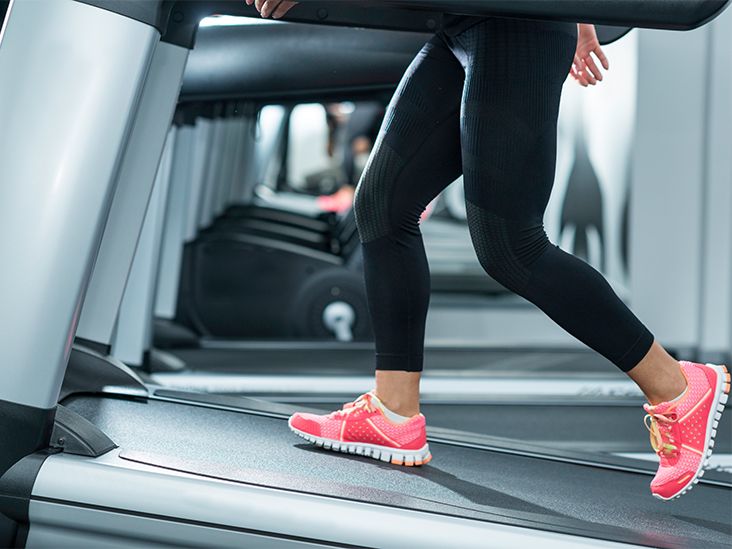
Walking is the most accessible form of cardio and highly effective due to the energy cost of moving extra body weight. It requires no special equipment and can be done almost anywhere.
Start Indoors or Outdoors
- Treadmill: Begin at 1.0 to 2.0 mph with 0% incline for 5 to 10 minutes
- Outdoors: Walk around your block, a mall, or a park. Wear supportive shoes with good cushioning
Boost Intensity Without Impact
To increase effort without straining joints:
– Raise the incline on a treadmill instead of speeding up
– Try incline walking at 3 to 5% grade to engage more muscles safely
Visual Cue: Look for a slight increase in breathing and warmth, not breathlessness or joint pain.
Cycling: Seated and Stress-Free
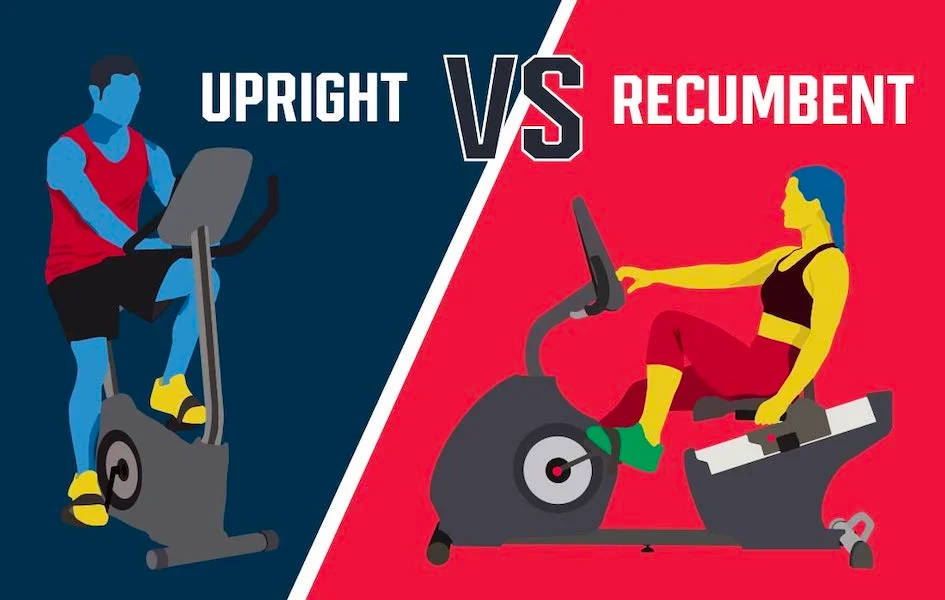
Cycling, especially on a recumbent or stationary bike, removes weight-bearing pressure from your knees and ankles while delivering solid cardiovascular benefits. Higher body weight actually increases calorie burn on a bike.
Recumbent Bike vs. Upright
| Feature | Recumbent Bike | Upright Bike |
|---|---|---|
| Back Support | Yes, reduces spinal load | No, requires core strength |
| Seat Comfort | Wider, reclined seat | Smaller, upright saddle |
| Best For | Joint pain, back issues, balance problems | Stronger core, better balance |
How to Start Cycling
- Duration: 10 to 15 minutes, 3 times per week
- Resistance: Begin with low tension and focus on smooth pedaling
- Tip: Watch TV or listen to podcasts to stay engaged and make time pass quickly
Calorie Burn: 400 to 750 kcal per hour depending on effort, and higher with greater body weight.
Swimming and Water Aerobics: Zero-Impact Power
Water supports up to 90% of your body weight, making it ideal for those with severe obesity or joint pain. Water also provides natural resistance, doubling as light strength training.
Benefits of Water Workouts
- Reduces impact on hips, knees, and spine
- Provides natural resistance in all directions
- Helps regulate body temperature, so less overheating
Options to Try
- Water walking: March in chest-deep water for 10 to 20 minutes
- Lap swimming: Use a kickboard or pull buoy if needed
- Aqua aerobics classes: Structured, social, and beginner-friendly
Barrier Alert: Pool access and comfort in swimwear can be challenges. Look for private swim times, women-only sessions, or home pools to ease concerns.
Elliptical Training: Run Without the Impact

The elliptical mimics running motion without foot-strike force, making it a great bridge between walking and higher-intensity cardio. It engages both arms and legs for a full-body workout.
Why It Works
- Engages upper and lower body simultaneously
- Low joint stress when used with proper form
- Adjustable resistance and incline options
Safety Tips
- Stand tall and don’t lean heavily on the handles
- Keep strides smooth and controlled
- Start with 10 minutes at low resistance
Avoid if: You have balance issues or severe knee instability. A recumbent bike may be safer.
Rowing Machine: Full-Body Efficiency
A rowing machine builds endurance and burns calories efficiently with minimal joint impact when done correctly. It works your legs, back, arms, and core all at once.
Key Advantages
- Works multiple muscle groups in one motion
- Low compression on the spine compared to running
- High caloric expenditure in a short time
Technique Matters
- Sequence: Push with legs first, then engage core, then pull with arms. Reverse on the return
- Posture: Maintain a neutral spine with a slight forward lean from the hips
- Start: 5 to 10 minutes with light resistance
Warning: Poor form can strain the lower back. Learn the technique from a trainer or instructional video before increasing intensity.
Alternative and Fun Cardio Ideas
Enjoyment is the secret to long-term success. The “E” in FITTE stands for Enjoyment, and if you like the activity, you’ll stick with it.
Dancing: Move to the Beat
Dancing improves coordination, endurance, and mood. Research shows it’s effective for overweight teens and adults alike.
- Try YouTube dance workouts like Hip-Hop or Zumba
- Join a beginner class in your community
- Dance at home with no rules, just movement to your favorite music
Pickleball: Play Your Way Fit
This slower racket sport boosts agility, balance, and heart rate without extreme exertion. It’s social, fun, and adaptable.
- Great for social motivation and accountability
- Can be played standing or seated in adapted versions
- Improves reaction time and helps control blood pressure
Exergaming: Fitness Disguised as Fun
Video games like Ring Fit Adventure or Just Dance get you moving without feeling like traditional exercise. They’re ideal for home workouts.
- Increases daily step count naturally
- Encourages consistency in a low-pressure way
- Perfect for rainy days or limited mobility
Pro Tip: Pair exergaming with a standing desk or light resistance bands for added benefit.
Other Recreational Options
- Pedal boating: Similar to cycling but on the water, offering a relaxed environment
- Hiking: Engages different muscles than flat walking and improves bone density
- Golf: Walking the course instead of using a cart adds significant steps and endurance work
Strength and Flexibility: Essential Partners to Cardio

Cardio alone isn’t enough. Adding strength training and flexibility work protects joints, preserves muscle, and boosts metabolism during weight loss.
Bodyweight Strength Moves (Modified)
Start with supported versions to build confidence and avoid strain:
- Chair squats: Sit-to-stand from a sturdy chair
- Wall push-ups: Easier on shoulders and core than floor push-ups
- Glute bridges: Lie on your back and lift your hips to strengthen the posterior chain
- Step-ups: Use a low step of just 2 to 4 inches
Frequency: 2 days per week, 1 to 2 sets of 10 to 12 reps
Resistance Bands: Portable and Adjustable
Bands let you build strength anywhere. They’re affordable and easy on the joints.
- Banded rows for back strength
- Clamshells for hip stability
- Overhead triceps extension
- Seated chest press
Tip: Start with light resistance and focus on slow, controlled motion rather than heavy loads.
Stretching and Mind-Body Work
Improve mobility and reduce pain with daily gentle movement:
- Yoga: Enhances flexibility, reduces stress, and curbs emotional eating
- Pilates: Builds core stability and full-body control
- Tai Chi: Proven to reduce waist size in adults with central obesity
Stretch Focus: Prioritize hips, hamstrings, shoulders, and spine, areas often tight in individuals with obesity.
Overcome Common Barriers
Starting exercise with obesity comes with real challenges, but they are not roadblocks. Here’s how to move past them.
Beat Self-Consciousness
Fear of judgment keeps many people away from gyms or group classes. Reframe your mindset and choose your environment wisely.
Solutions:
- Work out at home using apps or YouTube videos
- Visit off-peak gym hours like mid-morning or late evening
- Hire a trainer experienced in bariatric fitness
- Focus on function, not appearance. Remind yourself: “I’m doing this to feel stronger”
Truth: Most people at the gym are focused on their own workout, not on judging others.
Manage Physical Discomfort
Fatigue, sweating, and muscle soreness are normal at first. Learn to tell the difference between healthy effort and harmful pain.
Differentiate:
- Good discomfort: Muscle fatigue and mild soreness 24 to 48 hours after exercise
- Bad pain: Sharp joint pain, dizziness, or chest pressure. Stop immediately and seek medical advice
Reduce Strain:
- Wear moisture-wicking clothing
- Stay hydrated before, during, and after activity
- Cool down with slow walking and gentle stretching
Handle Increased Hunger
Exercise can trigger hunger as your body adjusts to higher activity levels. Fuel wisely without overeating.
Strategies:
- Eat protein-rich meals like chicken, eggs, or Greek yogurt
- Include healthy fats such as avocado, nuts, and olive oil for satiety
- Drink water regularly. Sometimes thirst masquerades as hunger
- Avoid “rewarding” exercise with high-calorie foods
Key: Don’t over-diet. Fuel your body adequately to support movement and recovery.
Special Considerations for Health Conditions
If you have comorbidities, tailor your approach with care and always get medical clearance first.
Joint or Back Pain
Avoid high-impact or twisting movements that jar the spine.
Safer Choices:
- Swimming
- Recumbent cycling
- Water aerobics
- Elliptical with hand support
Modification: Swap lunges for leg presses and avoid deep squats if knees are painful.
Heart Disease or Hypertension
Monitor intensity closely and stay within a safe zone.
Safe Zone:
- Talk test: You should be able to speak in full sentences
- Target HR: Stay in moderate zone (50 to 70% of max heart rate)
- Avoid straining: Never hold your breath during effort
Must-do: Consult your doctor before starting any new program.
Type 2 Diabetes
Exercise improves insulin sensitivity but also affects blood sugar levels.
Precautions:
- Check glucose before and after workouts
- Carry fast-acting carbs like juice or glucose tablets
- Avoid intense exercise if blood sugar is very high or very low
- Adjust medications as needed under medical supervision
Benefit: Regular cardio can reduce A1C levels significantly over time.
Mobility or Balance Issues
You can still exercise even if standing is difficult or unsafe.
Chair-Based Options:
- Seated marching
- Arm circles with light weights
- Resistance band rows
- Chair yoga or Pilates
Equipment: Use a stable, armless chair with non-slip feet for safety.
Track Progress Beyond the Scale
Weight isn’t the only or best measure of success. Focus on functional improvements that show real health gains.
What to Monitor
| Metric | Why It Matters |
|---|---|
| Daily Steps | Tracks NEAT (non-exercise activity thermogenesis) |
| Workout Duration | Shows consistency and endurance growth |
| Circumference Changes | Waist, hips, and thighs may shrink before weight drops |
| Clothing Fit | A practical sign of fat loss |
| Energy Levels | Improved stamina signals better fitness |
| Mood and Sleep | Exercise reduces anxiety and improves rest quality |
Tool Tip: Use a fitness tracker or a simple journal to log progress weekly.
Follow the 10% Rule
To prevent injury, don’t increase weekly exercise volume by more than 10% per week.
- If you’re doing 150 minutes one week, next week max is 165 minutes
- Increase time first, then intensity
Build Long-Term Success
The goal isn’t a short-term fix. It’s lifelong health. These strategies help turn exercise into a sustainable habit.
Schedule It Like an Appointment
Treat workouts as non-negotiable, just like a doctor’s visit.
- Pick a consistent time (morning often works best)
- Set phone reminders to build the habit
- Lay out workout clothes the night before
Use Accountability Tools
- Workout log: Mark off days completed on a calendar
- Fitness buddy: Partner with a friend for mutual support
- Trainer or coach: Provides structure, feedback, and motivation
Celebrate Non-Scale Victories
Acknowledge wins that have nothing to do with the scale:
- Walking up stairs without stopping
- Completing a full 20-minute session
- Feeling less joint pain during daily activities
- Sleeping better and waking more rested
Mindset Shift: Focus on feeling stronger, not just looking thinner.
Frequently Asked Questions About Cardio Exercises for Obese People
What is the best cardio exercise for obese beginners?
Walking is the best starting point because it’s low-impact, free, and requires no special equipment. Cycling on a recumbent bike and water aerobics are excellent alternatives for those with joint pain.
How many minutes of cardio should an obese person do per week?
The CDC recommends at least 150 minutes per week of moderate-intensity activity. For weight loss or preventing regain, the ACSM suggests up to 250 minutes per week. Start with less and build gradually.
Can obese people do cardio without hurting their knees?
Yes. Choose low-impact options like swimming, recumbent cycling, or elliptical training. These activities minimize stress on the knees while still providing cardiovascular benefits.
Is it safe to start cardio without losing weight first?
Absolutely. Exercise improves blood pressure, insulin sensitivity, mood, and mobility even without significant weight loss. Health benefits begin with the very first session.
How quickly will I see results from cardio exercise?
Most people notice improved energy, mood, and sleep within 2 to 4 weeks. Measurable fitness improvements typically appear within 6 to 8 weeks of consistent activity.
Should I consult a doctor before starting cardio with obesity?
Yes. A medical evaluation is recommended, especially if you have a BMI over 40, heart disease, diabetes, hypertension, or joint problems. Tools like the PAR-Q can help screen for readiness.
Key Takeaways for Starting Cardio Safely with Obesity
The most effective cardio exercises for obese people are the ones you can do consistently and enjoy. Low-impact options like walking, cycling, swimming, and elliptical training protect your joints while building cardiovascular health. Start with just 5 to 10 minutes per day, progress slowly using the 10% rule, and combine cardio with strength and flexibility work for full-body benefits.
Focus on non-scale victories like better sleep, more energy, and less joint pain. These markers often appear long before the scale moves and are far better indicators of improving health. Always get medical clearance if you have comorbidities, and consider working with a trainer experienced in bariatrics for personalized guidance.
Your next step is simple: choose one activity from this guide and commit to 5 minutes today. Consistency beats intensity every time, and every small session is a vote for the healthier, stronger version of yourself.