Heart Rate Monitor Flatline: Quick Fix
A heart rate monitor flatline is one of the most urgent signals in medicine, indicating either cardiac arrest or, in some cases, brain death. For healthcare workers, patients, and even filmmakers, understanding what a flatline truly represents can mean the difference between life and death, or between accurate storytelling and dangerous misinformation.
This guide breaks down the medical reality behind a flatline reading, explains how to respond, separates fact from fiction, and clarifies the critical difference between cardiac and neurological flatlines.
What a Flatline Actually Shows on a Monitor
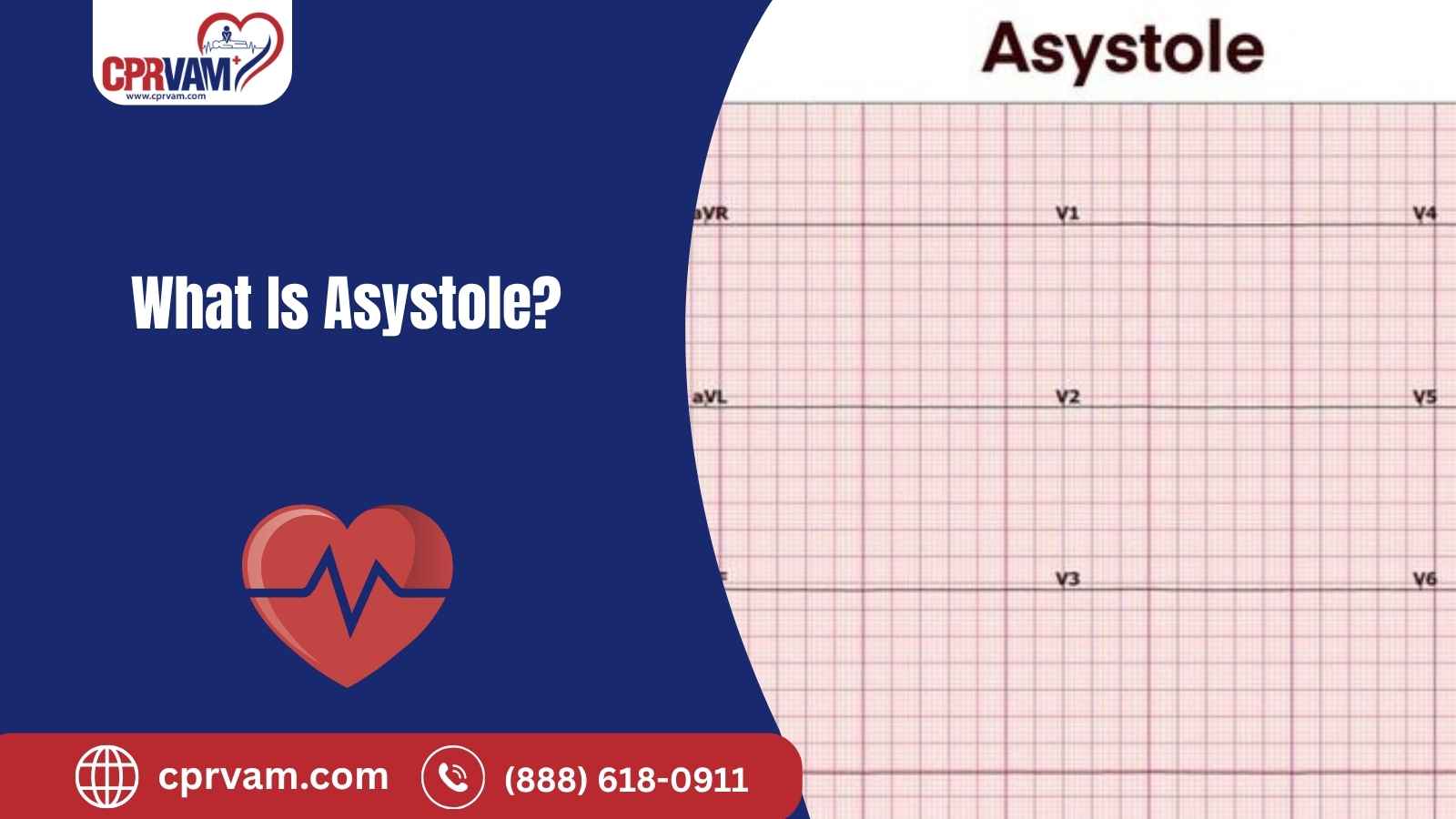
A heart rate monitor flatline is a flat, horizontal line with no spikes, rhythm, or variation. Medically, this is called asystole, the complete absence of electrical activity in the heart. It is visible on an Electrocardiogram (ECG) and signals a non-shockable cardiac arrest rhythm.
However, not every flatline reflects biological death. Two distinct types exist:
- Cardiac flatline (asystole): The heart has stopped generating electrical impulses.
- Neurological flatline (brain death): The brain shows no electrical activity on an EEG.
Only cardiac flatline may respond to immediate intervention. A neurological flatline is permanent and legally recognized as death.
Common Causes of a Cardiac Flatline
Hypoxia and Oxygen Depletion
When the heart muscle is deprived of oxygen, it cannot produce energy or electrical signals. This often follows respiratory arrest, drowning, severe asthma, or airway obstruction.
Electrolyte Imbalances
Abnormal potassium levels, including hypokalemia (too low) or hyperkalemia (too high), disrupt the heart’s electrical conduction. Severe hyperkalemia can rapidly push the heart into asystole.
Severe Blood Loss
Hypovolemia reduces circulating volume until the heart can no longer pump effectively. Trauma, internal bleeding, or extreme dehydration can trigger this collapse.
Drug Overdose and Toxins
Opioids, beta-blockers, and calcium channel blockers can suppress cardiac activity. Overdose often causes slowing heart rhythms before progressing to a flatline.
Mechanical Obstructions
Tension pneumothorax (air trapped around the lungs) or cardiac tamponade (fluid around the heart) physically prevents the heart from filling, leading to electrical silence.
Blood Clots
Pulmonary embolism or coronary thrombosis can block blood flow, causing infarction and eventual asystole.
False Flatlines: When Equipment Is to Blame
Loose or Misplaced Leads
A frequent cause of an apparent flatline is poor ECG lead placement. Dry, loose, or improperly attached electrodes can produce a flat trace even when the heart is beating. Always verify clinical signs before assuming asystole.
Monitor Malfunction
Dead batteries, disconnected cables, or software errors can mimic a flatline. Clinicians should perform a quick visual inspection and switch lead views to confirm.
Pseudo-Asystole
Sometimes, very fine electrical activity (like tiny P-waves) is present but too small to trigger alarms. This pseudo-asystole may still allow intervention if detected early.
How to Confirm a True Cardiac Flatline
Check Clinical Signs First
Before trusting the monitor, confirm:
- No response to voice or pain
- No breathing
- No palpable carotid pulse
These signs must align with the ECG reading.
Verify Lead Integrity
Ensure leads are:
- Correctly placed on the Right Arm, Left Arm, and Left Leg
- Secure and conductive
- Free from motion artifact or electrical interference
Switch to a different lead view (such as Lead II to V1) to rule out technical errors.
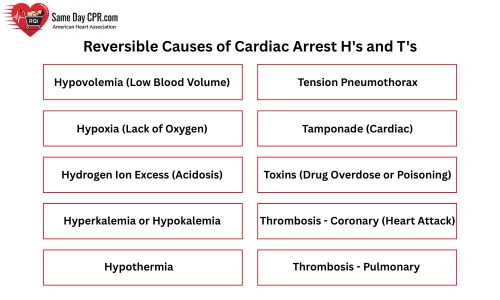
Use the “Hs and Ts” Checklist
ACLS protocols recommend identifying reversible causes using the Hs and Ts:
| H’s | T’s |
|---|---|
| Hypovolemia | Toxins |
| Hypoxia | Tamponade (cardiac) |
| Hydrogen ions (acidosis) | Tension pneumothorax |
| Hyperkalemia/Hypokalemia | Thrombosis (pulmonary or coronary) |
| Hypothermia | — |
Treating these factors early can prevent irreversible asystole.
How to Respond to a Cardiac Flatline
Start CPR Immediately
Begin high-quality chest compressions:
- Rate of 100 to 120 per minute
- Depth of 2 to 2.4 inches (5 to 6 cm)
- Allow full chest recoil between compressions
- Minimize interruptions
CPR maintains minimal blood flow to the brain and heart, buying critical time.
Do Not Use a Defibrillator
Defibrillation does not work on asystole. Shocks are only effective for shockable rhythms like ventricular fibrillation or pulseless ventricular tachycardia. Shocking a flatline wastes time and offers no benefit.
Administer Epinephrine
During Advanced Cardiac Life Support (ACLS), give epinephrine 1 mg IV or IO every 3 to 5 minutes. It raises coronary and cerebral perfusion pressure, improving the chance of restoring circulation.
Treat the Underlying Cause
While performing CPR, address reversible triggers:
- Provide oxygen and secure the airway
- Give calcium for hyperkalemia
- Use naloxone if opioid overdose is suspected
- Perform needle decompression for tension pneumothorax
- Consider thrombolytics for suspected massive pulmonary embolism
Brain Death: The Neurological Flatline
What an EEG Flatline Means
A neurological flatline appears on an EEG and indicates brain death, the irreversible loss of all brain function, including the brainstem. Unlike cardiac arrest, this condition cannot be reversed.
Clinical Criteria for Brain Death
Three findings must be present:
- Coma with no response to painful stimuli
- Absence of brainstem reflexes, including fixed pupils, no eye movement during cold caloric testing, and no gag or cough reflex
- Apnea confirmed by a formal apnea test (no breathing effort despite rising CO₂ levels)
An isoelectric EEG supports the diagnosis but is not always required if clinical criteria are met.
Life Support After Brain Death
Mechanical ventilation can keep the heart beating and organs oxygenated, creating the appearance of life. However, this is artificial support of a deceased person.
Life support may continue only for:
- Family time
- Pregnancy management
- Organ donation coordination
Once confirmed, brain death is legally equivalent to death in all U.S. states and many countries worldwide.
Can You Survive a Flatline?
Return of Heart Activity Is Rare
A landmark study in the New England Journal of Medicine analyzed 480 patients after at least one minute of flatline:
- 14% achieved return of spontaneous circulation (ROSC)
- 0% regained consciousness
This means the heart may restart temporarily, but the brain often suffers irreversible damage from oxygen deprivation.
Time Is the Deciding Factor
Brain cells begin dying after 4 minutes without oxygen. After 10 minutes, survival with intact neurological function is extremely rare. Even when ROSC occurs, long-term outcomes often include severe cognitive impairment or a vegetative state.
The History Behind Flatline Detection
From Stethoscope to ECG
Before electronic monitors, death was declared by listening for heart sounds:
- 1837: Dr. Eugene Bouchut used the stethoscope, declaring death after 2 minutes of silence.
- 1883: He extended the requirement to 5 minutes of auscultatory silence.
The Birth of Modern ECG
- 1887: Augustus Waller recorded the first human ECG.
- 1901 to 1905: Willem Einthoven invented the string galvanometer, creating the modern ECG.
- 1924: Einthoven received the Nobel Prize for this work.
EEG and the Definition of Brain Death
- 1924: Hans Berger recorded the first human EEG, identifying alpha waves.
- 1959: French neurologists Mollaret and Goulon coined le coma dépassé (“beyond coma”), defining brain death through clinical and EEG criteria.
These advances redefined death, not by a stopped heart or breath, but by the absence of electrical activity.
The Flatline Sound in Movies vs. Reality
Why Films Get It Wrong
In movies and TV, a flatline is often shown as a long, continuous high-pitched tone. Real hospital monitors use intermittent beeping or alarm sequences, not endless tones.
Modern monitors typically:
- Sound repeated short beeps
- Flash red warnings
- Display “ASYS” or “NO PULSE” alerts
A continuous tone may signal system failure rather than patient status.
Common Audio Types in Production
| Sound Type | Duration | Typical Use |
|---|---|---|
| Steady heartbeat | ~11 sec | Normal rhythm, tension build-up |
| Continuous flatline tone | 5 to 55+ sec | Depicting death |
| Dying heartbeat | ~59 sec | Slowing rhythm into flatline |
| Sharp cardiac alarm | ~5 sec | Sudden arrest |
| Repetitive high-pitched beep | ~27 sec | Cinematic effect |
| Irregular glitchy flatline | 24 to 58 sec | Sci-fi or digital failure |
These sounds fall under Medical, Film & Special Effects, and Alarm sound libraries.
Cardiac vs. Neurological Flatline: Key Differences

| Feature | Cardiac Flatline | Neurological Flatline |
|---|---|---|
| Organ Affected | Heart | Brain |
| Diagnostic Tool | ECG | EEG |
| Reversibility | Rarely, with immediate CPR | Never |
| Reflexes Present? | Pulse absent, no breathing | No pupillary or gag reflex |
| Legal Status | Cardiac arrest (not death) | Legally dead |
| Treatment Goal | ROSC and survival | Organ donation or withdrawal |
| Time to Onset | Instant (trauma or illness) | 2 to 20 seconds after cardiac arrest |
Understanding this distinction prevents confusion in both clinical and public contexts.
Prevention and Early Warning Signs
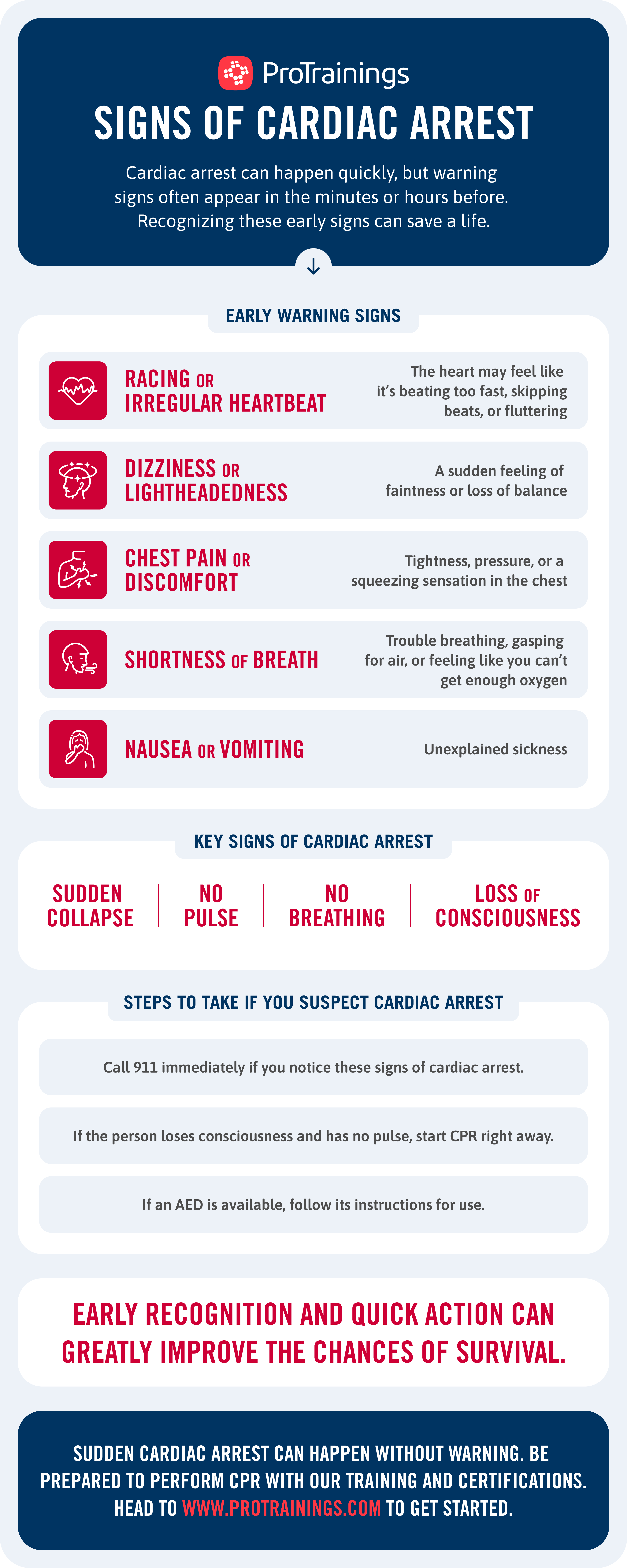
Recognize Pre-Arrest Symptoms
Watch for these warning signs:
- Severe chest pain or pressure
- Sudden shortness of breath
- Extreme dizziness or fainting
- Profound weakness or fatigue
- Palpitations or irregular heartbeat
Early intervention can stop progression to asystole.
Use Wearable Monitors Carefully
Consumer devices like smartwatches can detect bradycardia or pauses but cannot diagnose asystole. False alarms are common due to motion artifact or poor signal.
If your device shows a flatline:
- Stay calm
- Check for symptoms
- Verify with a manual pulse check
- Seek medical help if symptomatic
Never rely solely on wearables for life-threatening diagnoses.
Frequently Asked Questions About Heart Rate Monitor Flatlines
What does a flatline on a heart rate monitor mean?
A flatline indicates asystole, the complete absence of electrical activity in the heart. It is a non-shockable cardiac arrest rhythm requiring immediate CPR.
Can a person survive a heart rate monitor flatline?
Survival is rare. About 14% of patients in one major study achieved return of spontaneous circulation, but none regained consciousness after at least one minute of flatlining.
Why can’t you defibrillate a flatline?
Defibrillation works by resetting chaotic electrical activity in the heart. In asystole, there is no electrical activity to reset, so shocks are ineffective and waste critical time.
What is the difference between a cardiac flatline and brain death?
A cardiac flatline (asystole) is the cessation of heart electrical activity, sometimes reversible with CPR. Brain death is the irreversible loss of all brain function, confirmed by EEG and clinical exams, and is legally recognized as death.
How long after the heart stops does brain death occur?
Neurological flatline typically occurs 2 to 20 seconds after cardiac arrest, depending on the individual and circumstances.
Can a flatline reading be wrong?
Yes. Loose leads, dead batteries, or monitor malfunctions can cause false flatlines. Clinicians must verify clinical signs, including pulse and breathing, before confirming asystole.
Key Takeaways for Understanding Heart Rate Monitor Flatlines
A heart rate monitor flatline is a powerful medical signal, but it is not always the end. True asystole demands immediate CPR and treatment of underlying causes, though survival with brain function remains rare. Brain death, confirmed by EEG and clinical exams, is irreversible and legally recognized as death. False flatlines caused by equipment issues are common and must always be ruled out.
From the invention of the stethoscope to modern ACLS protocols, our understanding of flatline has evolved dramatically. Public perception should evolve too. Knowing the facts saves time, reduces panic, and ensures the right response when every second counts.
If you or someone near you experiences symptoms of cardiac arrest, call emergency services immediately and begin CPR. Quick action is the single most important factor in survival.