Fitness Tracker for Weight Loss (2026 Guide)
You finish a brutal set of heavy squats, glance at your wrist, and your tracker says you barely worked out. Sound familiar? Most fitness tracker weights are designed for runners, not lifters. They miss the muscular strain of a heavy deadlift session because they rely almost entirely on heart rate. In 2026, a new generation of wearables finally understands strength training, measuring muscular load, tracking tonnage, and guiding recovery based on what your muscles actually experienced. This guide breaks down the top fitness trackers for weightlifting so you can find one that matches your training style, budget, and goals.
Top Strength-Specific Fitness Trackers

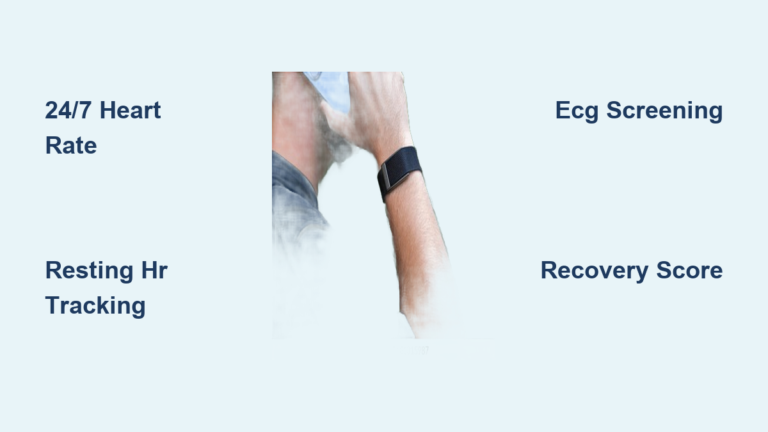
WHOOP 5.0: Measure Muscular Load, Not Just Heart Rate
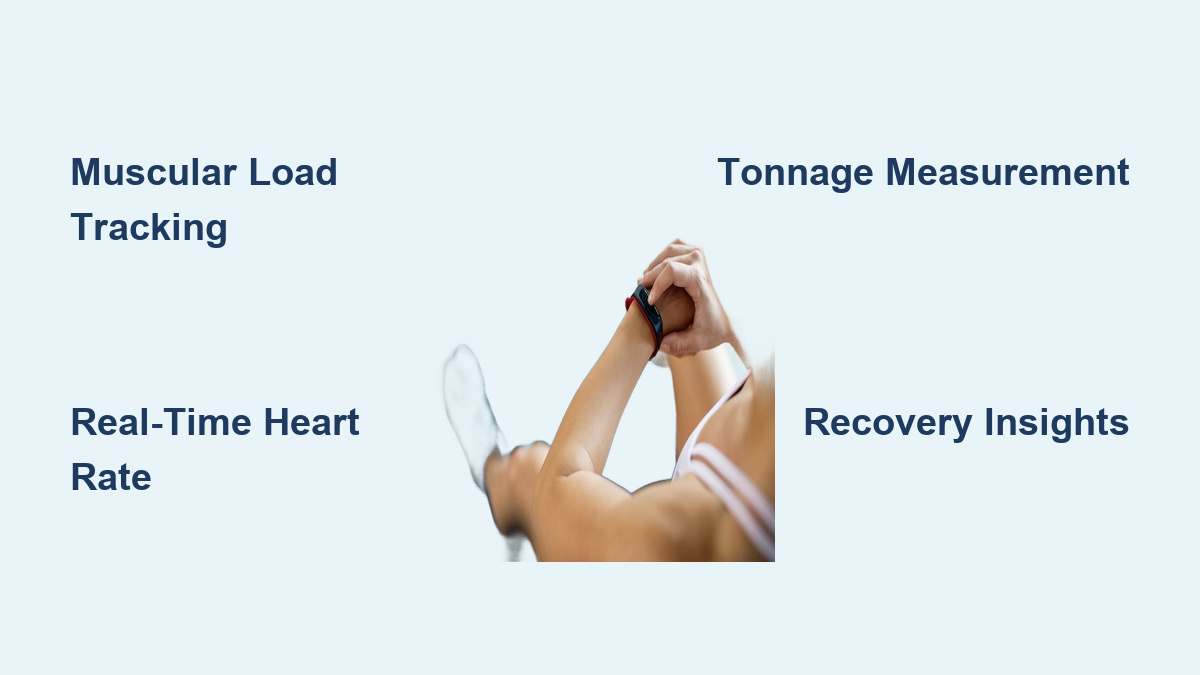
WHOOP 5.0 is the definitive choice for serious lifters who want data that reflects true strength training stress. Unlike standard wearables, it calculates muscular load by combining heart rate data with accelerometer and gyroscope inputs. This matters because a heavy 5×5 deadlift may not spike your heart rate, but it still demands serious recovery.
The Strength Trainer feature lets you build custom workouts, add supersets, and integrate cardio intervals. After your session, WHOOP breaks down how much of your effort was muscular versus cardiovascular and adjusts your daily Strain Score accordingly. This ensures your recovery recommendations remain accurate, even on non-cardio days.
Key Strength Tracking Features
- Real-time workout logging: Build and follow custom lifting plans
- Muscular load calculation: Combines motion data with heart rate
- Tonnage tracking: Total weight lifted per session
- Strength Trainer Trends: View long-term progress, volume trends, and fatigue patterns
Design and Wearability
- Weight: 26.5 grams
- Form factor: Screenless strap (minimalist, no distractions)
- Wear options: Wrist, bicep, or inside WHOOP Body clothing
- Battery life: 10 to 14 days; charge on-the-go with slide-on battery pack
WHOOP operates on a subscription model ($20–$30 per month), with no upfront hardware cost. While it doesn’t track reps or form, its recovery and strain analytics are unmatched for serious lifters. Pair it with a logging app like Strong for full workout tracking.
Polar Verity Sense: Armband HR Accuracy for Lifters
For lifters who hate wrist bulk during heavy sets, the Polar Verity Sense offers a sleek alternative: an optical heart rate armband. Worn on the bicep or forearm, it avoids contact with barbell knurling and delivers chest-strap-level accuracy.
It doesn’t count reps or track sets, but it excels at real-time heart rate monitoring during HIIT, circuits, and strength training. It connects via ANT+ and Bluetooth, syncing with gym machines, smart bikes, and training apps.
- Battery life: 20 hours
- Internal storage: 600 hours of workout data (use phone-free)
- Weight: Lightweight, unobtrusive design
- Best for: Lifters who want accurate HR without wrist interference
Pair it with apps like StrengthLog or Gymaholic to log reps and weight while using Verity Sense for heart rate feedback.
Best Smartwatches for Gym Use
Apple Watch Series 11: Power of Third-Party Apps
The Apple Watch doesn’t natively track strength training in depth, but its app ecosystem transforms it into a top-tier gym companion. Any model running watchOS 26 supports powerful lifting apps that fill the gaps.
Top Apps for Lifters
- Strong: Clean interface for checking off sets; tracks RPE, warm-ups, and 1RM progress
- Gymaholic: 3D exercise demos, ideal for beginners learning form
- StrengthLog: Full program tracking with PR history and analytics
The Apple Watch gives you real-time metrics on-screen, including heart rate, time, and rest timers, without pulling out your phone. It’s perfect for mid-workout adjustments.
- Weight: Varies by model (30–50g)
- Battery life: 18–36 hours
- Water resistance: 5 ATM
- Best for: iPhone users who want a smartwatch and lifting tool in one
Limitation: Relies on heart rate, which lags during short, intense sets. No native muscular load tracking.
Garmin Vivoactive 6: Balanced Fitness Tracker
The Garmin Vivoactive 6 strikes a sweet spot between smart features and gym functionality. It’s lighter and more stylish than rugged models but offers robust tracking for general lifters.
- Weight: 36 grams
- Battery life: Up to 11 days (5 with always-on display)
- Display: 1.2″ AMOLED touchscreen
- Durability: 5 ATM water resistance, Gorilla Glass
Strength features:
– Auto rep counting
– Pre-loaded strength, cardio, and yoga workouts
– Side buttons for easy navigation mid-set
While it lacks advanced training metrics like WHOOP’s Strain Score, it logs volume, heart rate, and recovery data, ideal for those who lift 3–4 times a week.
Drawback: Limited third-party app support compared to Apple.
Garmin Forerunner 165: Hybrid Runner-Lifter Choice
If you split time between running and lifting, the Forerunner 165 is a cost-effective hybrid option. It’s built for runners but includes key gym features.
- ANT+ support: Syncs with connected cardio machines (treadmills, bikes)
- Workout import: Pull custom strength plans from Garmin Connect
- Auto rep tracking: Detects sets and reps for common lifts
- Compatibility: Works with Android and iPhone
Not as strong on recovery analytics as WHOOP, but a solid all-rounder for mixed training.
Fitness Rings: Recovery-Focused and Lightweight
Oura Ring Gen 4: Best for Sleep and Readiness
The Oura Ring Gen 4 is the top choice for lifters who prioritize recovery. It tracks HRV, sleep stages, body temperature, and stress to generate a daily Readiness Score (1–100), telling you whether to push hard or take it easy.
- Weight: 3.3–5.2 grams (lightest on this list)
- Battery life: 5–8 days
- Water resistance: 10 ATM (great for saunas, swimming)
- Wearability: Discreet, comfortable for 24/7 wear
Why lifters love it:
– Predicts recovery status before you even lift
– Detects illness early via temperature deviations
– No screen distractions during workouts
Downsides:
– No real-time workout metrics
– Finger swelling during intense sessions can cause tightness
– Subscription required ($5.99/month) for full data access
Best paired with a logging app like Strong for complete training insights.
Ultrahuman Ring AIR: No Subscription Alternative
The Ultrahuman Ring AIR competes directly with Oura but with a major advantage: no monthly fee. It tracks the same key metrics, including HRV, sleep, temperature, and activity, with similar accuracy.
- Weight: Varies by size (~4–5g)
- Battery life: Up to 6 days
- Water resistance: 10 ATM
- Design: Stylish, available in five colors
Pros:
– No subscription required
– Fast charging (90 minutes)
– Trade-in program for competitor rings
Cons:
– App connectivity issues reported by some users
– Sizing differs from standard rings (free sizing kit provided)
– 1-year warranty (shorter than competitors)
Ideal for lifters who want recovery data without recurring costs.
Budget and Specialized Options
Fitbit Charge 6: Best for Casual Lifters
At around $200, the Fitbit Charge 6 is a solid budget pick for general fitness and light strength training.
- Auto exercise detection: Recognizes workouts (though sometimes misfires, e.g., driving as biking)
- 40+ exercise modes: Including strength, HIIT, and yoga
- Google integration: Maps, Wallet, YouTube Music
- Battery life: 7 days
- Display: Color touchscreen
Limitations:
– Small screen, hard to read mid-lift
– No music storage
– Advanced features (Daily Readiness Score) require Google Health Premium
Best for beginners or those who lift occasionally.
Xiaomi Mi Smart Band 7: Cheapest Entry Point
Priced under $60, the Xiaomi Mi Smart Band 7 offers incredible value for new lifters.
- Weight: Just 13.5 grams
- Battery life: Up to 14 days
- Screen: 1.62″ AMOLED
- Workout modes: 110+ (including strength, SpO₂, sleep tracking)
Downsides:
– Metrics less accurate than premium brands
– Some users report skin irritation from band material
– Poor customer service and website navigation
A great starter tracker. Upgrade later as your training intensifies.
Coros Apex 2: For Endurance Athletes Who Lift
Targeted at triathletes and runners, the Coros Apex 2 excels in GPS accuracy and battery life but has limited smart features.
- Battery: 45 hours (GPS), 14 days (daily use)
- Weight: 42–53g (depending on band)
- Durability: 5 ATM, dual-frequency GNSS
Strengths:
– Excellent for outdoor runners who also lift
– Reliable heart rate tracking
– Offline maps and barometer
Weaknesses:
– No third-party apps (Spotify, Strava sync issues)
– Basic notifications
– Not ideal as a primary smartwatch
Best for hybrid athletes focused on endurance with supplementary strength work.
Garmin Fenix 8 AMOLED: Premium All-in-One Tracker
If budget isn’t a concern, the Garmin Fenix 8 AMOLED is the most capable wearable on the market.
- Display: 1.3″ or 1.4″ AMOLED
- Battery life: Up to 16 days (smartwatch mode)
- Features: Multi-band GNSS, Pulse Ox, altimeter, music, Garmin Pay, topographic maps
Strengths:
– Best-in-class GPS and battery
– Full sensor suite for outdoor and gym use
– Durable, rugged design
Drawbacks:
– Expensive ($700+)
– Bulky for small wrists
– Steep learning curve
– Some features require subscription
Ideal for elite athletes, military, or adventurers who also train hard in the gym.
How to Choose the Right Tracker for Lifting
Measure Muscular Load, Not Just Heart Rate
Most trackers rely on heart rate to estimate effort. But in strength training, muscular fatigue often precedes cardiovascular strain. A heavy set of 3 reps may not raise your HR much, but it still taxes your nervous system.
Best approach: Devices like WHOOP 5.0 use motion sensors to estimate muscular load and total tonnage. This gives a more accurate picture of workout intensity and recovery needs.
Avoid: Trackers that only use HR for strain scoring; they’ll undervalue your lifting sessions.
Prioritize Connectivity: ANT+ and Bluetooth
If you use smart gym equipment (treadmills, bikes, rowers), ANT+ and Bluetooth Smart are essential. These let your watch pull real-time data, including speed, resistance, and power, directly from the machine.
- Garmin and Polar devices lead in ANT+ support
- Apple Watch relies on Bluetooth but works with most apps
Consider Form Factor: Wrist, Bicep, or Ring?
- Wrist: Most common, but can get in the way during bench presses or cleans
- Bicep/Armband: Less interference, better HR accuracy under load (e.g., Polar Verity Sense)
- Ring: Lightest option, best for recovery tracking (Oura, Ultrahuman)
- Screenless: Less distraction, more durable (WHOOP)
Choose based on comfort and workout interference.
Watch for Subscription Traps
Some brands lock core features behind monthly fees:
- WHOOP: $20–$30/month (no upfront cost, but long-term expensive)
- Oura: $5.99/month for full metrics
- Fitbit/Google: Premium features require subscription
- Garmin, Apple, Coros, Ultrahuman: No mandatory subscriptions
Tip: If you hate subscriptions, go Garmin or Ultrahuman.
Maintenance Tips for Gym Wearables
Clean Regularly to Prevent Irritation
Sweat and bacteria build up under bands, especially with 24/7 wearables like WHOOP or Oura. Clean weekly with alcohol wipes to prevent rashes and maintain sensor accuracy.
Protect Screens from Knurling
Barbell knurling can scratch watch faces. Use screen protectors or cases on Apple Watch and Garmin models. Consider screenless options (WHOOP, rings) for heavy lifting days.
Manage Battery Smartly
- Long battery: Garmin and Withings (11–30 days) reduce charging stress
- Fast charging: Oura and Ultrahuman rings charge in under 90 minutes
- On-the-go charging: WHOOP’s slide-on battery lets you charge during the day
Choose based on your lifestyle.
Update Firmware for Better Accuracy
Manufacturers fix bugs and improve algorithms over time. WHOOP, for example, resolved early superset tracking issues via firmware updates. Always keep your app and device updated.
Frequently Asked Questions About Fitness Trackers for Weightlifting
Do fitness trackers accurately measure strength training?
Most fitness trackers rely on heart rate, which often underestimates the intensity of heavy lifting. Devices like WHOOP 5.0 improve accuracy by combining motion sensors with heart rate to calculate muscular load and total tonnage, giving a clearer picture of effort.
Can a smartwatch count reps automatically?
Some smartwatches, including the Garmin Vivoactive 6 and Forerunner 165, offer auto rep counting for common lifts. Accuracy varies by exercise, and complex movements like Olympic lifts may not be detected reliably.
Are fitness rings good for lifting?
Rings like the Oura Ring Gen 4 and Ultrahuman Ring AIR excel at recovery tracking but don’t provide real-time workout metrics. They’re best paired with a separate workout logging app for complete training insights.
What is muscular load tracking?
Muscular load is a metric that reflects the physical stress of resistance training independent of cardiovascular strain. It uses accelerometer and gyroscope data alongside heart rate to estimate how hard your muscles worked, not just your heart.
Is WHOOP worth it for weightlifting?
WHOOP 5.0 is highly regarded among serious lifters because it tracks muscular load, tonnage, and recovery with depth. However, the $20–$30 monthly subscription and lack of native rep counting mean it’s best paired with a logging app like Strong.
Which fitness tracker has the longest battery life?
The Garmin Vivoactive 6 offers up to 11 days, while the Withings ScanWatch Light lasts up to 30 days. WHOOP also delivers 10–14 days with a unique slide-on charging system for continuous wear.
Final Thoughts on Choosing a Fitness Tracker for Weightlifting
The best fitness tracker for weights isn’t the fanciest device on the market. It’s the one that accurately reflects your effort, helps you recover properly, and fits your lifting style. Focus on muscular load tracking, recovery insights, and long-term progression rather than step counts alone.
Match your tracker to your primary goal: WHOOP 5.0 for serious strength athletes, Garmin for hybrid training, Apple Watch for iPhone users who want versatility, Oura or Ultrahuman for recovery-focused lifters, and Xiaomi or Fitbit for budget-conscious beginners. With the right wearable, you’ll finally see how hard you’re really working and how to get stronger, safer, and smarter.