Cardio and Stretching Workout Guide
Most people treat stretching as an optional add-on to cardio, squeezing it in when time allows or skipping it entirely. The truth is, a cardio and stretching workout without both phases is incomplete. Dynamic stretches prepare your body for action, while static stretches ensure faster recovery and lasting flexibility.
A well-structured cardio and stretching workout improves blood flow, reduces muscle stiffness, and primes your nervous system for movement. Whether you run, cycle, do HIIT, or simply want to move better, knowing which stretches to do and when can transform your results. This guide breaks down exactly how to pair cardio with targeted stretching for peak performance and injury prevention.
Warm Up with Dynamic Stretches

Before any cardio session, your body needs active movement to raise core temperature, increase blood flow, and improve joint mobility. Dynamic stretching sends muscles through their full range of motion without holding positions, enhancing performance rather than reducing power.
Activate Core and Hips
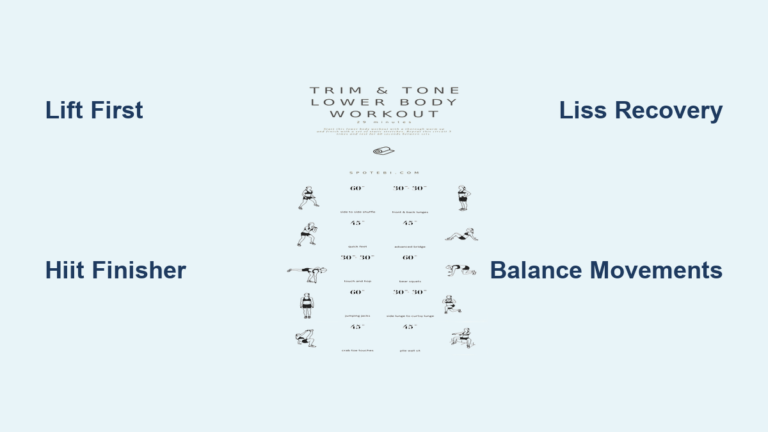
Start on all fours to engage major stabilizing muscles. The Bear Crawl and Bird-Dog build coordination and core control, priming the glutes, abs, and lower back for cardio.
- Bear Crawl: Move forward slowly, alternating opposite arm and leg. Keep hips level and core tight. Perform 10–15 reps per side.
- Bird-Dog: Extend one arm and the opposite leg while keeping your spine neutral. Hold for 30 seconds per side. Avoid arching your back.
Loosen Lower Body Joints
Dynamic leg movements increase blood flow and range of motion in hips, quads, and hamstrings. These activate fast-twitch muscles and improve stride efficiency.
- Leg Swings: Hold a wall for balance. Swing one leg forward and back, then side to side. Do 10 swings per direction per leg.
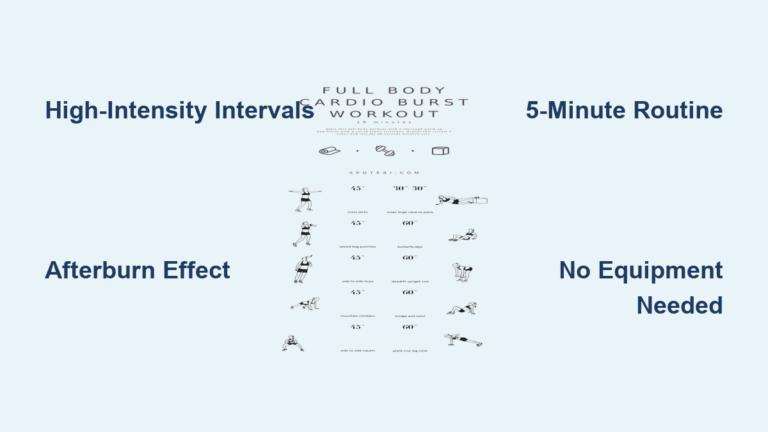
- High Knees: Jog in place, driving knees toward chest. Engage core. Perform 10 reps per leg.
- Butt Kicks: Bring heels toward glutes rapidly. Mimic running motion. Do 10 reps per side.
Mobilize Full-Body Movement
Integrated motions bridge the gap between rest and intense effort, priming your cardiovascular system.
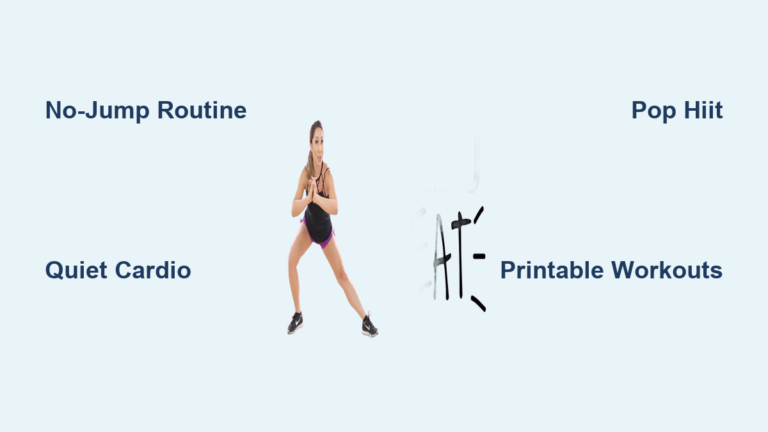
- Lunges (Dynamic): Step forward into a lunge, keeping front knee over ankle. Return to start. Repeat 10 times per leg.
- Plank Walk-Outs: From standing, walk hands forward into a plank, hold briefly, then walk back. Do 10 reps.
- Jumping Jacks: Boost heart rate quickly. Perform 10–15 reps with controlled landings.
Engage Upper Body and Shoulders
Even lower-body cardio requires shoulder and arm engagement. Don’t neglect these areas.
- Arm Circles: Extend arms sideways. Circle forward for 10 reps, then backward. Gradually increase range.
- Torso Twist (Dynamic): Stand or sit tall. Rotate upper body side to side. Do 1–3 sets of 10 twists.
Adapt for Limited Mobility
If joint pain or balance is an issue, modify movements to stay safe while gaining benefits.
- Seated March: Sit upright, lift knees alternately. Do 6–8 per leg, two sets.
- Standing Toe Taps: Tap toes forward while reaching opposite hand. Perform 10 per side.
Cool Down with Static Stretches

After cardio, shift to static stretching to aid recovery. Warm muscles are most receptive to lengthening, improving flexibility and reducing soreness. Hold each stretch without bouncing, focusing on deep breathing.
Relax Hips and Lower Back
Post-cardio tightness often centers in the hips and spine. These stretches release tension and restore alignment.
Child’s Pose
- Kneel, sit back on heels, stretch arms forward.
- Walk hands side to side to target different back areas.
- Hold each position for 30 seconds.
Frog Stretch
- On hands and knees, widen knees and point toes outward.
- Shift hips back toward heels.
- Lower onto forearms for deeper stretch.
- Hold 45 seconds to 1 minute.
Spinal Twist (Supine)
- Lie on back, bend knees, drop them to one side.
- Keep shoulders flat on the floor.
- Hold 30 seconds per side.
Release Leg Muscles
Cardio heavily recruits quads, hamstrings, and calves. Static stretching helps clear lactic acid and maintain muscle length.
Quadriceps Stretch (Standing)
- Stand tall, pull one foot toward glutes.
- Keep knees close together and chest up.
- Hold 30 seconds per leg.
Toe Touch (Static)
- Stand with legs straight, hinge at hips.
- Reach toward toes without rounding back.
- Hold 30 seconds.
Calf Stretch (Wall)
- Face a wall, place hands on it.
- Step one foot back, keep heel down.
- Lean forward until stretch is felt in calf.
- Hold 30 seconds per leg.
Open Shoulders and Chest
Shoulders can tighten from arm swing or poor posture, even during lower-body cardio.
Shoulder Stretch
- Pull one arm across the chest at shoulder height.
- Use opposite arm to gently deepen the stretch.
- Hold 30 seconds per side.
Thread the Needle (Tabletop)
- On hands and knees, slide one arm under the other.
- Lower shoulder to the floor.
- Hold 8–10 breaths per side.
Improve Hip and Glute Flexibility
Tight glutes and piriformis can contribute to sciatic discomfort and limit stride.
Piriformis Stretch (Seated)
- Sit, cross one leg over the other.
- Twist torso toward bent knee.
- Gently lean forward to deepen stretch.
- Hold 30 seconds per side.
Pretzel Stretch
- Lie on side, pull top knee toward chest and drop it down.
- Grab bottom foot with top hand.
- Hold 30 seconds per side.
Lengthen Core and Spine
Restore natural curvature and relieve compression from upright or forward-leaning cardio postures.
Cobra Stretch
- Lie face down, press chest up with hands.
- Keep hips grounded.
- Hold 30 seconds.
Cat-Cow Stretch
- Alternate between arching spine (cow) and rounding it (cat).
- Move slowly with breath.
- Perform 5–10 cycles.
Time Your Stretches Right
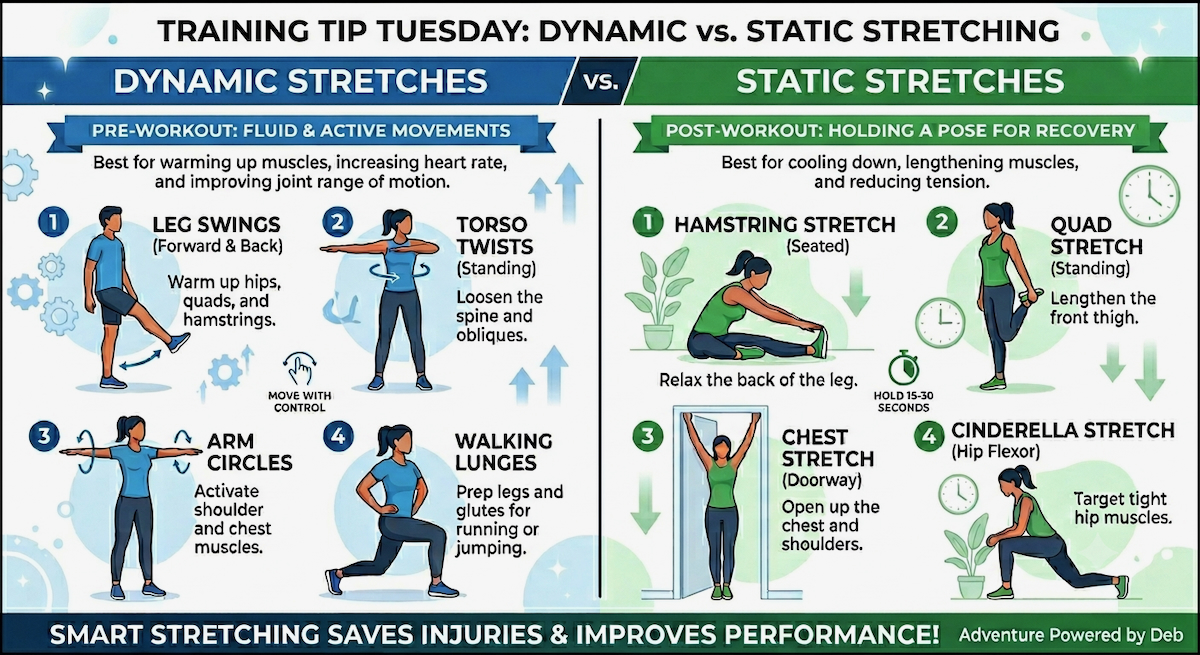
The biggest mistake in a cardio and stretching workout is doing the wrong type of stretch at the wrong time. Timing directly affects performance and recovery.
Never Static Before Cardio
Research shows static stretching before exercise can reduce muscle power, speed, and explosiveness. Holding a quad or hamstring stretch pre-run may weaken those muscles when you need them most. Instead, save static holds for after your session.
Always Dynamic First
Perform 5–10 minutes of dynamic stretching before cardio. This raises core temperature, increases blood flow, and primes neuromuscular pathways. Examples include leg swings, high knees, arm circles, and walking lunges.
Always Static After
Dedicate 5–10 minutes post-cardio to static stretching. Warm muscles stretch more effectively, reducing soreness and improving flexibility over time. Hold each stretch 30–60 seconds and breathe deeply to enhance relaxation.
Prevent Injury and Boost Recovery
Stretching is a critical tool for injury prevention and faster recovery, not just flexibility work.
Reduce DOMS and Soreness
Delayed Onset Muscle Soreness (DOMS) peaks 24–48 hours after intense cardio. Static stretching post-workout helps flush metabolic waste like lactic acid, reducing inflammation and soreness. Key stretches include quad, hamstring, calf, and hip flexor holds.
Maintain Range of Motion
Repetitive cardio like running or cycling can shorten muscles over time. Regular stretching preserves natural joint movement, preventing imbalances. Focus on hip flexors, calves, and shoulders.
Avoid Common Stretching Mistakes
Even with good intentions, improper technique can cause harm.
- Bouncing: Causes micro-tears. Always stretch smoothly.
- Holding Breath: Reduces oxygen to muscles. Breathe deeply.
- Overstretching: Stop at mild discomfort. Pain means stop.
- Rushing: Short holds under 30 seconds reduce effectiveness.
Customize for Your Cardio Type

Tailor your stretching routine based on your primary workout for the best results.
For Runners and Walkers
Focus on lower body and hip mobility. Pre-workout: leg swings, high knees, butt kicks, dynamic lunges. Post-workout: calf stretch, quad stretch, toe touch, piriformis stretch. Add heel drops for Achilles flexibility.
For Cyclists
Combat tight hip flexors and rounded shoulders. Pre-workout: dynamic lunges, leg swings, torso twists. Post-workout: frog stretch, seated forward fold, shoulder stretch, cobra. Include spinal twist to counter hunched posture.
For HIIT and Jumping Workouts
These demand explosive power and full-body coordination. Pre-workout: jumping jacks, plank walk-outs, arm circles, high knees. Post-workout: child’s pose, cat-cow, standing side bend, quad stretch. Add side reach to lengthen obliques.
For Desk Workers and Sedentary Lifestyles
Combat stiffness from prolonged sitting. Pre-cardio: seated march, torso twists, shoulder rolls. Post-cardio: hip flexor stretch (Samson), chest opener, spinal twist. Prioritize piriformis and butterfly stretch for tight hips.
Breathe and Listen to Your Body
Breathing and body awareness are as important as the stretches themselves.
Use Deep Diaphragmatic Breathing
Inhale through the nose, expand the belly. Exhale slowly through the mouth. This signals relaxation, especially during static holds. Each breath should deepen the stretch gently without forcing it.
Know Pain vs. Discomfort
- Discomfort: A mild pull or tightness. Normal and safe.
- Pain: Sharp, sudden, or joint-related. Stop immediately.
Stretching should never hurt. Modify or skip any move that causes pain.
Modify for Limitations
Use props to make stretches accessible:
- Wall for balance in standing stretches.
- Strap or towel to reach feet in seated stretches.
- Pillow or blanket under knees for comfort.
Adaptation ensures consistency and safety.
Build a Consistent Routine
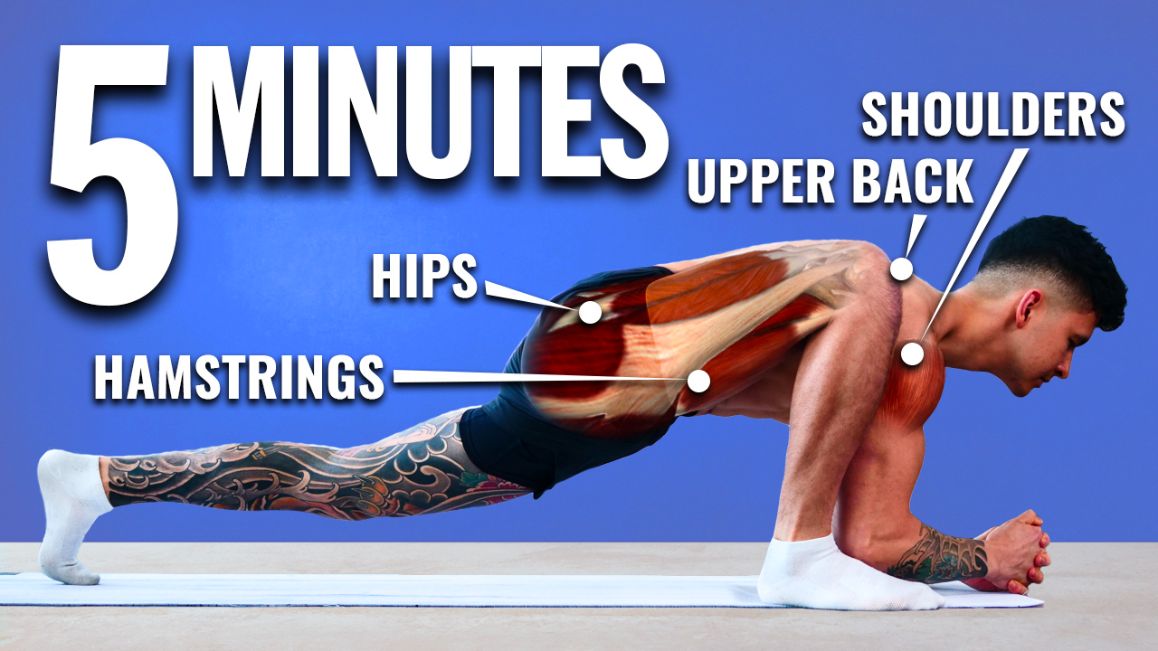
Long-term benefits come from regular practice, not perfection in one session.
Aim for Daily Stretching
Even 5 minutes daily improves mobility more than one 30-minute weekly session. Pair stretching with your cardio every time. Ideal schedule: 5–10 minutes dynamic pre-cardio and 5–10 minutes static post-cardio, totaling 10–20 minutes per session.
Track Progress Over Time
Notice improvements like easier toe touches, deeper lunges, and less post-run stiffness. Flexibility gains are gradual but measurable.
Stay Motivated with Small Wins
Celebrate milestones such as holding frog pose for 2 minutes, touching toes without bending knees, or recovering faster after workouts. These reinforce the value of your effort.
Frequently Asked Questions About Cardio and Stretching Workouts
How long should I stretch before and after cardio?
Spend 5–10 minutes on dynamic stretches before cardio and another 5–10 minutes on static stretches after. Holding each static stretch for 30–60 seconds maximizes benefits.
Can I stretch on rest days?
Yes, daily stretching improves mobility and reduces stiffness even on non-workout days. Focus on static holds and gentle movements to support recovery.
Will static stretching before cardio hurt my performance?
Research suggests static stretching before exercise can reduce muscle power and explosiveness. Use dynamic movements during your warm-up instead and save static stretching for after your session.
What is the best stretch for runners?
Runners benefit most from calf stretches, quad stretches, hip flexor stretches like the Samson or frog pose, and piriformis stretches to maintain stride efficiency and prevent injury.
How do I know if I am stretching too far?
You should feel a mild pull or tightness, not sharp pain. Stop immediately if you feel joint pain or sudden sharp sensations. Mild discomfort that eases with breathing is normal.
Is it okay to skip stretching if I am short on time?
Even a few minutes of stretching is better than none. Prioritize at least a quick dynamic warm-up before cardio and a brief static cool-down afterward to protect your muscles and joints.
Key Takeaways for Your Cardio and Stretching Workout
A complete cardio and stretching workout requires both phases: dynamic stretches before to prime your body and static stretches after to support recovery. Timing matters more than duration, so always warm up with movement and cool down with held stretches.
Tailor your routine to your specific cardio activity, breathe deeply throughout, and listen to your body to avoid injury. Consistency beats intensity, so aim for 10–20 minutes of stretching per session, every session.
Start today by adding just five minutes of dynamic movement before your next cardio session and five minutes of static stretching after. Your body will thank you with better performance, less soreness, and improved mobility over time.