Cardio Abdominal Workout: Quick Steps
You’re not just looking to burn calories. You want a stronger, tighter core and visible results. A cardio abdominal workout delivers both by merging high-intensity movement with deep core engagement. Unlike long jogs or isolated crunches, this approach forces your abs to work hard while your heart races, turning every rep into a dual-purpose powerhouse. Whether your goal is fat loss, endurance, or definition, combining cardio and core in one efficient session is the fastest path to results.
This isn’t about endless sit-ups. It’s about smart, dynamic exercises that spike your heart rate and demand constant core bracing. Movements like burpees, tuck jumps, mountain climbers, and woodchops aren’t just “ab-friendly.” They’re full-body challenges where your core must stabilize, rotate, and contract under load and fatigue. When done right, you’ll feel the burn in your abs and your lungs.
In this guide, you’ll learn the science-backed principles of cardio-ab training, the most effective bodyweight and weighted exercises, how to structure complete workouts, and exactly how to avoid common form mistakes that sabotage progress. No gym? No problem. Most of these moves require zero equipment and can be done anywhere.
Why Cardio Ab Workouts Beat Steady-State
Core Activation Varies by Exercise Type
Not all cardio is created equal when it comes to abs. Steady-state activities like jogging or cycling engage the core mildly for postural support, but they don’t challenge it enough to build strength or endurance. In contrast, high-intensity cardio abdominal workouts force your core to work hard to stabilize, rotate, and resist movement. That is exactly what builds functional strength.
Dynamic movements like sprinting, jumping, and twisting require anti-rotation, anti-flexion, and lateral stability, all governed by the deep core muscles. The more unstable or explosive the motion, the harder your abs must work to keep your spine safe and your body aligned. A 20-second burpee sprint can do more for your core than 30 minutes of steady cycling.
High-Intensity Burns More Fat, Faster
Cardio abdominal workouts are typically structured as HIIT (high-intensity interval training). HIIT burns more calories in less time and keeps your metabolism elevated post-exercise, creating the well-known “afterburn effect.” A study-backed benefit of HIIT is its superior fat-loss potential compared to moderate, steady cardio, even with shorter total workout time.
When paired with core-dominant movements, this means you’re not only torching calories but also revealing the muscle underneath. Visible abs are made in the kitchen, but they’re unlocked through high-calorie-burning workouts like these.
You Can Skip the Ab Finisher
Traditional workouts often end with a “core finisher,” a set of crunches or planks after cardio. But with cardio ab training, the entire workout is the ab workout. By choosing exercises that naturally engage the core at high intensity, you eliminate redundancy and maximize efficiency. No extra time. No extra sessions. Just results.
Best Bodyweight Cardio Ab Exercises

Plank-Based Power Moves
Planks aren’t just static holds. They become cardio crushers when made dynamic. These variations spike your heart rate while demanding intense core control.
Plank Jacks
Start in a high plank, hands under shoulders, body in a straight line. Jump both feet out wide, then back together, like a jumping jack on your hands and toes. Keep hips level; don’t let them dip or rise. The core works overtime to stabilize against the lateral force of the legs.
- Modification: Drop to a forearm plank or step feet out instead of jumping.
- Pro tip: Squeeze glutes and quads to lock the lower body and prevent hip sag.
Mountain Climbers
From a high plank, drive one knee toward your chest, then switch legs rapidly. Keep hips square to the floor and arms locked. The faster you go, the more cardio impact, but never sacrifice form.
- For more burn: Lift feet slightly off the ground between reps to increase time under tension.
- Avoid: Letting hips hike up or sway side to side.
Plank to Low Squat
From a high plank, jump feet forward outside hands into a squat. Stand up, then jump back to plank. This transition forces the lower abs to contract powerfully to pull the legs in.
- Modification: Step feet forward instead of jumping.
- Form cue: Keep chest up and knees tracking over toes in the squat.
Bear Crawl
On hands and knees, lift knees an inch off the ground. Crawl forward by moving opposite hand and foot together. Keep hips low and core tight to prevent swaying.
- Cardio boost: Add “fast feet” by rapidly stepping feet in and out while in bear position.
- Why it works: The unstable position forces the transverse abdominis to fire continuously.
Explosive Standing Moves
These plyometric drills combine vertical force, balance, and rotation, perfect for oblique and lower ab activation.
Tuck Jumps
Stand with feet shoulder-width apart. Jump straight up, bringing both knees to your chest and hands to meet them. Land softly with knees bent, then explode into the next rep.
- Core focus: The mid-air “crunch” engages the rectus abdominis hard.
- Safety: Land quietly to protect joints; keep core braced on impact.
High Knees
Run in place, driving knees up to chest height as fast as possible. Pump arms to increase intensity. Stay on the balls of your feet.
- For abs: Keep torso upright. No leaning forward. This forces core bracing.
- Beginner version: March in place with high knee lifts.
Elbow to Knees
Hop on one foot while bringing the opposite knee up to meet the down-swinging elbow. Alternate sides in a twisting motion.
- Targets: Obliques and rotational stability.
- Key: Rotate from the core, not the shoulders.
Jumping Lunges
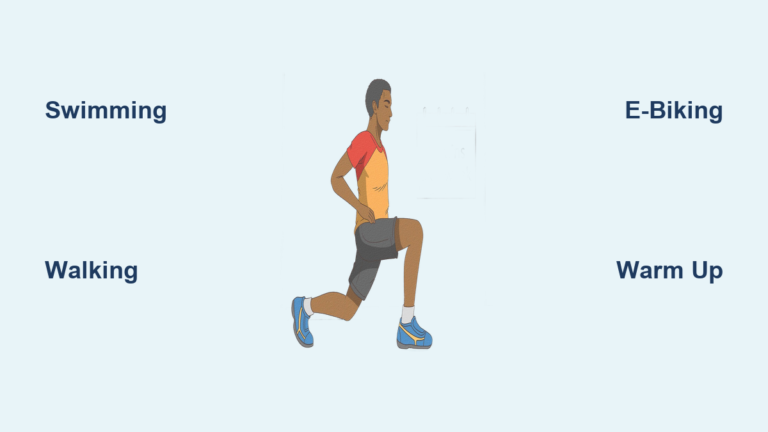
From a lunge position, jump and switch legs mid-air. Land with front thigh parallel to the ground and back knee just above the floor.
- Core demand: Stabilizing during takeoff and landing prevents torso rotation.
- Modification: Step instead of jump to reduce impact.
Floor-Based Core Burners
These moves isolate the abs while maintaining cardio intensity through speed and repetition.
Bicycle Twists
Lie on your back, hands behind head (don’t pull neck). Bring opposite elbow to knee while extending the other leg. Alternate rapidly.
- Form first: Keep lower back pressed into the floor.
- Progression: Lift shoulder blades off the ground and go faster.
Russian Twists
Sit on the floor, lean back slightly, and twist side to side with hands together. For more challenge, lift feet off the ground.
- Oblique focus: The rotational load targets the external and internal obliques.
- Avoid momentum: Control the twist with your core, not your arms.
Scissor Kicks
Lie on your back, hands under glutes. Lift legs a few inches and alternate scissoring them up and down. Keep legs straight and low back flat.
- Lower abs: The constant hover forces the lower rectus abdominis to work.
- Increase difficulty: Lift chest into a partial crunch.
Weighted Cardio Ab Workouts (Add Resistance)
Adding weight increases core demand, especially during rotational and compound movements. Use a single dumbbell or medicine ball for maximum efficiency.
Dumbbell Woodchop
Stand with feet shoulder-width apart, holding a dumbbell with both hands. Start with the weight at one hip, knees slightly bent. Rotate and pull the weight diagonally across your body to the opposite shoulder, extending arms overhead.
- Muscles worked: Obliques, transverse abdominis, glutes.
- Key: Power the movement from the core and hips, not arms.
- Modification: Perform seated or with lighter weight.
Lateral Squat and Weighted Crunch
Hold a dumbbell at chest level. Step out to the side into a squat, then return. On the second rep, add a cross-body knee drive, bringing the knee to meet the dumbbell.
- Combo benefit: Builds leg strength and oblique power.
- Form cue: Keep chest up and core tight during the squat.
Dumbbell Pullover and V-Up
Lie on your back, legs straight, arms extended with a dumbbell. Lower the weight overhead while lowering legs toward the floor. Then, lift both arms and legs into a V-position, crunching up.
- Full core engagement: Works upper and lower abs, lats, and hip flexors.
- Modification: Keep legs bent or omit the weight.
Bear Crawl Fast Feet (Weighted Option)
In a bear crawl position, rapidly step feet in and out (wide, narrow, wide, narrow). For added resistance, wear a weighted vest or hold a light plate against your back.
- Cardio spike: This HIIT burst drives heart rate up fast.
- Core lock: The torso must stay rigid despite rapid limb movement.
Sample Cardio Ab Workouts (Ready to Use)

Workout A: High Knees Interval Blast
- Format: 5 rounds
- Work/Rest: 40 seconds on, 20 seconds off
- Exercise: High Knees (max effort, strict form)
This simple, brutal, and highly effective session targets lower abs and cardio. Focus on driving knees high and keeping core tight.
Workout B: The Calorie Burner Circuit
- Format: 3 rounds
- Rest 60 seconds between rounds
- Burpees: 10 reps
Core fires in plank and tuck phases - Switch Kicks: 10 per leg
Balance + oblique burn - Mountain Climbers: 20 per leg
Fast pace, hips level - Sprint: 20 meters or 30 seconds in place
All-out effort
Total time: ~12–15 minutes. Burns 150–200+ calories.
Workout C: Tuck Jump Intervals
- Format: 5 rounds
- Work/Rest: 30 seconds on, 30 seconds off
- Exercise: Tuck Jumps
Focus on jumping high, tucking tight, and landing softly. Core contracts hard on every rep.
30-Day Cardio & Abs Program (No Equipment)
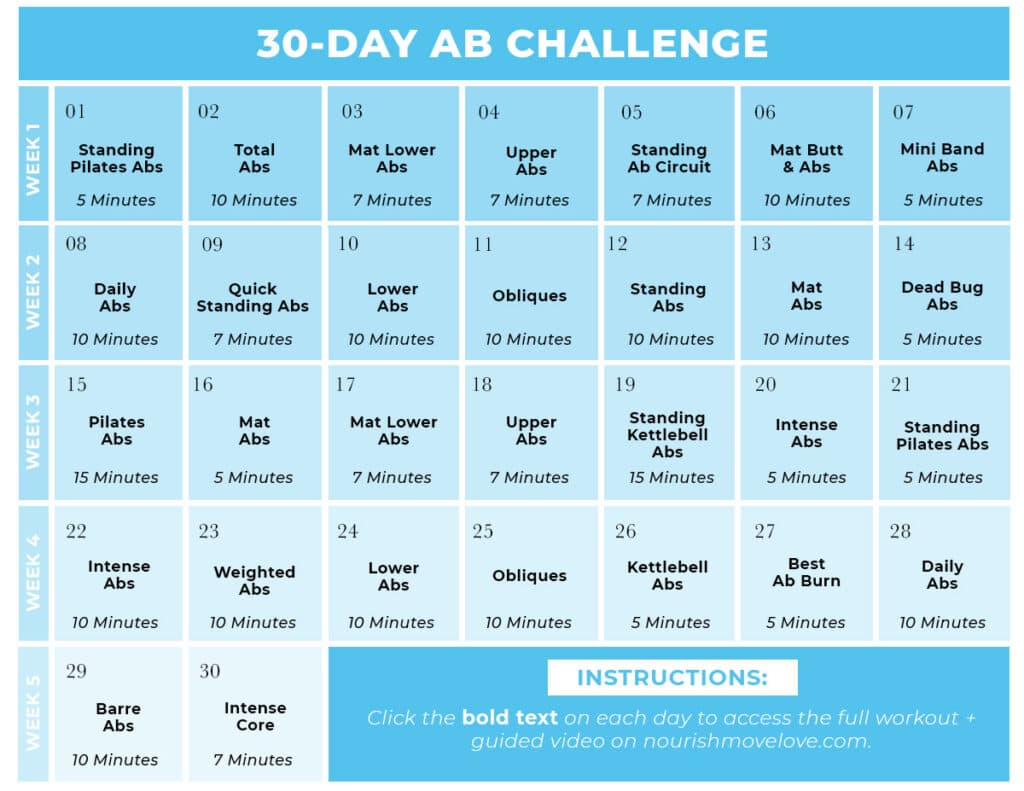
This progressive plan alternates focus days to prevent burnout and maximize fat loss.
Week 1–2: Foundation
- Day 1: Bodyweight Cardio (e.g., 3 rounds: 10 burpees, 20 mountain climbers, 15 high knees)
- Day 2: Abs Focus (e.g., 3 rounds: 20 bicycle twists, 20 Russian twists, 30 sec plank)
- Repeat 4x/week
Week 3–4: Intensity Ramp
- Day 1: HIIT Cardio Abs (e.g., 4 rounds: 8 tuck jumps, 16 switch kicks, 30 sec sprint)
- Day 2: Advanced Abs (e.g., 4 rounds: 15 V-ups, 20 scissor kicks, 30 sec side plank per side)
- Add 1 extra round weekly
Progression: Increase reps, reduce rest, or add speed each week.
Form & Safety: Avoid Injury, Maximize Gains

Spine Protection Is Non-Negotiable
- Plank alignment: Head to heels in a straight line. No sagging hips or piked butt.
- Neck position: In floor exercises, gaze forward or slightly up. Don’t pull on your head with hands.
- Landing mechanics: Bend knees when landing jumps. Absorb impact with quads and glutes, core braced.
Core Bracing Technique
Before every rep, brace your core like you’re about to be punched in the gut. This creates intra-abdominal pressure that stabilizes your spine during dynamic movement.
- How to: Inhale deeply into your belly, then tighten all abdominal muscles (front, sides, low back).
- When: Maintain this brace during all explosive and rotational moves.
Common Mistakes to Avoid
- Using momentum in twists: Control the movement with your abs, not your arms.
- Hiking hips in mountain climbers: Keep hips level; imagine a glass of water on your lower back.
- Rounding back in V-ups: Keep lower back pressed into the floor to protect the spine.
Modifications for All Fitness Levels
Make It Easier
- Incline modification: Place hands on a bench or wall for planks and burpees.
- Step instead of jump: Step feet out in plank jacks or into squats.
- Slow the pace: Focus on control before adding speed.
- Reduce range of motion: Don’t bring knees as high in tuck jumps.
Make It Harder
- Add weight (dumbbell, vest)
- Increase speed or reps
- Shorten rest periods
- Combine moves (e.g., burpee + tuck jump)
Expected Results & Long-Term Benefits
What You’ll Gain in 4–6 Weeks
- Fat loss: HIIT-style cardio ab workouts burn fat efficiently, especially around the midsection.
- Core endurance: You’ll hold planks longer, perform more reps, and stabilize better.
- Functional strength: Improved balance, coordination, and power transfer from core to limbs.
- Time efficiency: One 20-minute session replaces separate cardio and ab workouts.
Maintenance Tips
- Train 3–5x/week: Alternate intensity to avoid overtraining.
- Pair with nutrition: Abs are revealed through diet. Prioritize protein, whole foods, and a slight calorie deficit.
- Recover well: Sleep 7–8 hours and stretch after workouts.
Frequently Asked Questions About Cardio Abdominal Workouts
Can cardio ab workouts give you a six-pack?
Cardio abdominal workouts strengthen the core muscles and burn fat, but visible abs depend primarily on body fat percentage. You need to combine these workouts with proper nutrition to reveal muscle definition underneath.
How often should I do cardio ab workouts per week?
Train 3 to 5 times per week, alternating intensity levels to avoid overtraining. Rest days are important for recovery and muscle repair, especially when performing high-intensity intervals.
Do I need equipment for an effective cardio ab workout?
No. Most effective cardio ab exercises use only bodyweight, including planks, mountain climbers, burpees, and tuck jumps. A single dumbbell can add resistance for advanced variations like woodchops and weighted V-ups.
Is HIIT better than steady-state cardio for fat loss?
HIIT (high-intensity interval training) burns more calories in less time and elevates metabolism post-exercise. Research shows HIIT has superior fat-loss potential compared to moderate, steady-state cardio, even with shorter workout durations.
What should I eat before a cardio ab workout?
Eat a light snack with carbohydrates and protein 30 to 60 minutes before training, such as a banana with nut butter or Greek yogurt with berries. Stay hydrated and avoid heavy meals that can cause discomfort during high-intensity movement.
How long until I see results from cardio ab workouts?
Most people notice improved core endurance and energy within 2 to 3 weeks. Visible fat loss and muscle definition typically appear within 4 to 6 weeks when combined with consistent nutrition and adequate sleep.
Key Takeaways for Your Cardio Ab Training
A cardio abdominal workout is a proven, science-backed strategy to build a stronger, leaner body in less time. By choosing exercises that demand core engagement at high intensity, you eliminate wasted effort and accelerate results. Focus on proper form, follow structured programs like the 30-day plan, and stay consistent with both training and nutrition.
Start with one of the sample workouts today. Pick the level that matches your fitness, commit to 3 sessions this week, and track your progress. In weeks, you’ll feel tighter, stronger, and more powerful, inside and out.