How to Calculate Calories Burned by Heart Rate Monitor
You’ve just finished a tough workout, chest heaving, heart pounding. Your fitness tracker glows with a number like “680 calories burned.” But how much truth is actually in that reading? If you’re relying on your heart rate monitor to track calories burned, you’re using one of the most common and misunderstood tools in fitness. While heart rate is a solid proxy for workout intensity, the leap to precise calorie burn is far from accurate.
The reality is that heart rate monitors can estimate calories burned, but with significant error margins ranging from 27% to 93%. A reading of 680 calories could mean you actually burned as little as 400. Despite these flaws, these devices remain valuable when used correctly. This guide breaks down the science behind how heart rate correlates to calorie burn, reveals which devices are most accurate, and shows you how to use the data wisely, especially if you’re aiming for weight loss or performance gains.
By the end, you’ll know how to interpret your tracker’s numbers, avoid common pitfalls, and use heart rate as a reliable training tool rather than a misleading calorie counter.
How Heart Rate Reflects Calorie Burn

Heart rate is not a direct measure of calories, but it serves as one of the best indirect indicators available. When your muscles demand more energy during exercise, your heart pumps faster to deliver oxygen-rich blood throughout your body. More oxygen delivery means more fuel burned, and roughly 5 calories are burned for every liter of oxygen consumed.
So while heart rate measures exercise intensity, it correlates strongly with metabolic rate, especially during steady-state cardio like running, cycling, or rowing. The higher your heart rate climbs (within safe limits), the more oxygen your body uses, and the more calories you torch per minute.
But here’s the catch: heart rate can rise without burning extra calories. Stress, dehydration, caffeine intake, heat exposure, and illness can all spike your bpm without increasing actual energy expenditure. That’s why a racing heart during a stressful commute doesn’t mean you’re burning calories like you would on a treadmill.
Still, during structured workouts, heart rate remains a powerful tool, especially when combined with personal data like weight, age, and fitness level.
Why Two People Burn Different Calories at the Same Heart Rate
Two people running at 160 bpm may have vastly different calorie burns. Why? Because calories burned depend on individual physiology, not just heart rate numbers. Key factors include:
• Body weight: Heavier individuals burn more calories moving their mass through space.
• Muscle mass: More muscle equals higher metabolic cost, especially during resistance work.
• Fitness level: Fit people move more efficiently and may burn fewer calories at the same pace.
• Age and gender: Metabolism slows with age, and men often burn more due to higher lean mass.
• Heart rate variability (HRV): Lower HRV from fatigue or stress can elevate heart rates without added effort.
So while heart rate tracks intensity, your actual calorie burn is shaped by who you are, not just how hard your heart is beating.
Formulas That Estimate Calories from Heart Rate
To convert heart rate into calories, devices use complex algorithms based on clinical formulas. These equations estimate oxygen consumption (VO₂), then convert that value to calories. There are two main types: those that don’t require VO₂ max data, and those that do, with the latter being significantly more accurate.
Standard Formula (VO₂ Max Unknown)
When VO₂ max isn’t available, devices use gender-specific equations derived from metabolic studies.
For Women:
Calories = T × (0.4472×H − 0.1263×W + 0.074×A − 20.4022) ÷ 4.184
For Men:
Calories = T × (0.6309×H + 0.1988×W + 0.2017×A − 55.0969) ÷ 4.184
Where:
• T = Duration in minutes
• H = Average heart rate (bpm)
• W = Weight (kg)
• A = Age (years)
These formulas are built into most fitness trackers and provide a rough estimate, but they rely on population averages rather than your unique metabolism.
Advanced Formula (VO₂ Max Known)
If your device knows your VO₂ max from a lab test or field estimate, it can use a more precise equation.
For Women:
Calories = T × (0.45×H + 0.380×V + 0.103×W + 0.274×A − 59.3954) ÷ 4.184
For Men:
Calories = T × (0.634×H + 0.404×V + 0.394×W + 0.271×A − 95.7735) ÷ 4.184
Where V = VO₂ max (ml/kg/min). This version significantly improves accuracy, which is why elite athletes benefit from lab-tested VO₂ max values.
Estimate Your VO₂ Max at Home
No lab access? No problem. You can estimate VO₂ max using resting and max heart rate values:
VO₂max ≈ 15.3 × (MHR ÷ RHR)
• MHR (Max Heart Rate) = 220 − Age
• RHR (Resting Heart Rate) = Your bpm upon waking
Example: A 30-year-old with a resting HR of 60 has an MHR of 190.
VO₂max ≈ 15.3 × (190 ÷ 60) ≈ 48.5 ml/kg/min, which is solid for an active adult.
Input this into compatible devices like Polar or Garmin for better calorie estimates.
Best Devices for Accurate Heart Rate Tracking
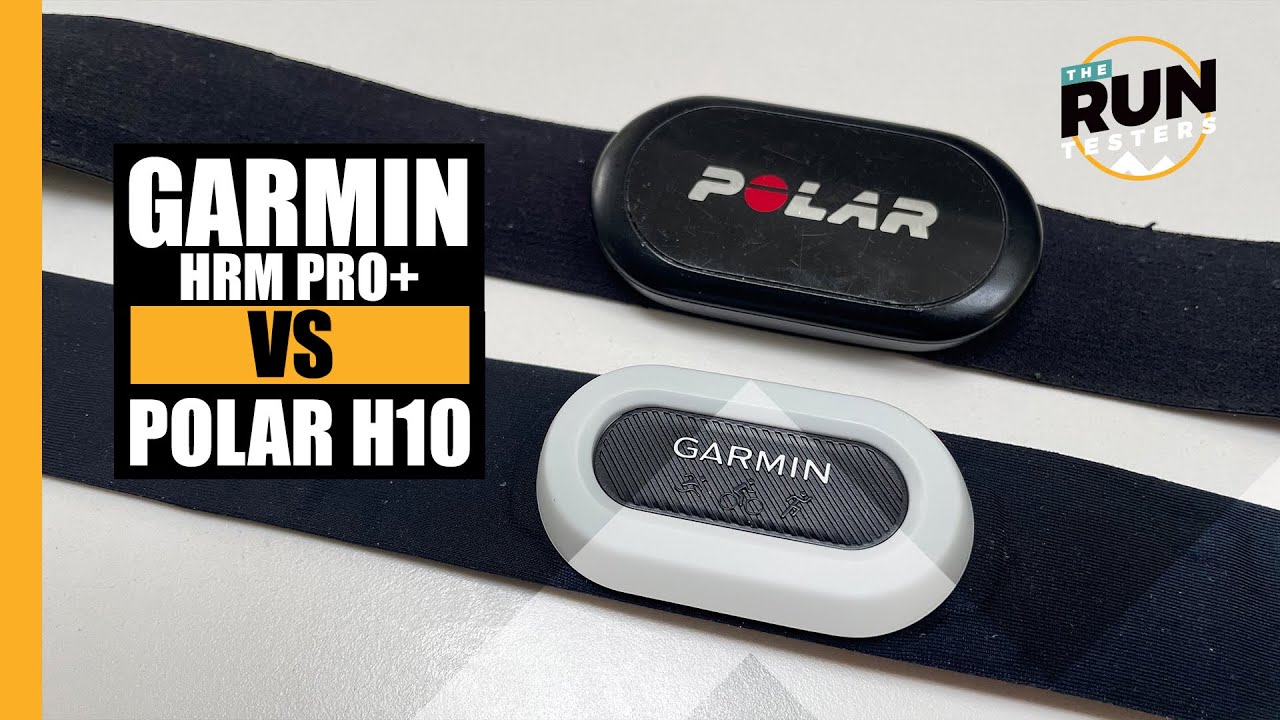
Not all heart rate monitors are created equal. Accuracy depends on sensor type, placement, and algorithm quality. Here’s how the main categories compare.
Chest Strap Monitors: The Gold Standard
Chest straps use electrocardiography (ECG) to detect electrical signals from your heart, the same technology used in hospitals. They deliver the highest reliability for heart rate data.
Top Picks:
• Polar H10 ($105): 4.2/5 stars, Bluetooth and ANT+ connectivity, works with Peloton, Zwift, and Garmin. FSA/HSA eligible.
• Powr Labs Strap ($36): Budget-friendly option compatible with major apps.
• CYCPLUS H2Pro ($27): IPX7 waterproof rating with long battery life.
These deliver heart rate accuracy within 1–2%, making them ideal for serious training and precise calorie tracking.
Armband Sensors: Comfort Meets Accuracy
Worn on the upper arm, these devices use optical (PPG) sensors but avoid the motion noise common with wrist-based trackers.
• COOSPO HW9 ($42–70): Tracks HR zones and calories, works with Peloton and Wahoo.
• COROS HRM ($79): 38-hour battery life, connects to 3 devices simultaneously.
These perform better than wrist trackers, especially during HIIT and strength training sessions.
Wrist-Based Trackers: Convenient but Less Accurate
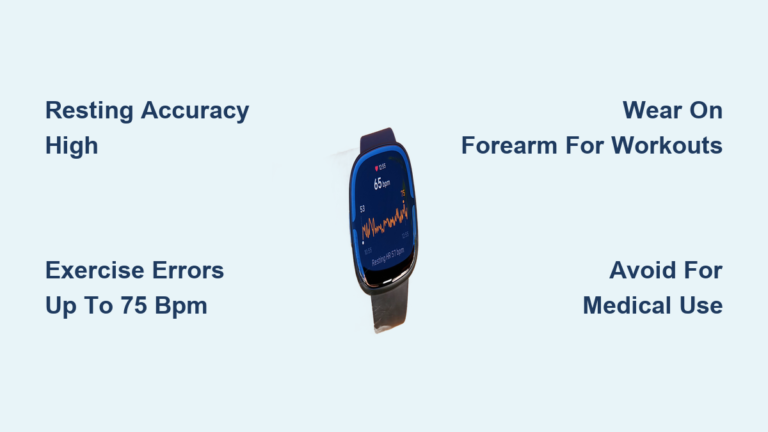
Smartwatches like Apple Watch, Fitbit, and Samsung Gear use optical sensors on the wrist. They’re convenient but prone to motion artifacts and skin tone variability.
Studies show these devices had heart rate errors under 5%, which is acceptable for tracking intensity. However, calorie estimates were off by 27–93%, with men’s burns being more inaccurate than women’s.
Bottom line: Great for heart rate data, unreliable for calorie estimates.
Why Calorie Estimates Are Often Wrong
Even with perfect heart rate data, calorie burn is estimated, not measured. Here’s why the numbers can be so misleading.
Algorithms Rely on Averages, Not You
Each brand uses proprietary formulas trained on small, non-representative groups. Your actual metabolism may differ significantly. A 2017 Stanford study found:
• All 7 tested devices were inaccurate for calorie burn.
• Best case: 27% average error rate.
• Worst case: 93% error rate, meaning a 500-calorie reading could represent just 35 actual calories burned.
These errors stem from flawed assumptions about movement efficiency, oxygen use, and individual physiological differences.
Activity Type Matters
• Steady cardio (running, cycling): Most accurate. Heart rate and oxygen use correlate tightly.
• HIIT, strength training: Least accurate. Heart rate lags behind effort, and accelerometers miss non-ambulatory movement.
• Cycling vs. running: Same heart rate, but cycling burns fewer calories, yet most trackers don’t adjust for this difference.
Gym Machines Aren’t Perfect Either
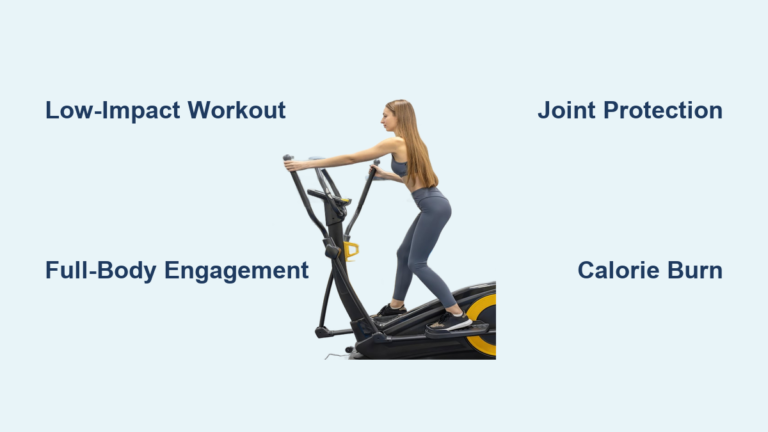
Treadmills and ellipticals assume average efficiency and don’t account for leaning on rails or individual fitness levels. Rowing machines like Concept2 are more accurate because they measure power output (watts) and convert to calories using a fixed efficiency rate of 25%.
Still, none of these reflect your unique metabolism.
Calorie Burn by Activity: Real-World Estimates

These ranges assume 1 hour of exercise and a 150–200 lb person working at moderate-to-high intensity. Individual results will vary.
| Activity | Calories Burned (1 Hour) | Notes |
|---|---|---|
| Rowing | 500 – 700 | Full-body effort; higher for larger athletes |
| CrossFit | 250 – 500 | Depends on metcon intensity and rest periods |
| Walking (10k steps) | 350 – 500 | Roughly 5 miles; speed and terrain affect burn |
| Strength Training | 180 – 360 | Circuit training burns more than traditional lifting |
| Yoga | 150 – 300 | Power yoga burns more than restorative styles |
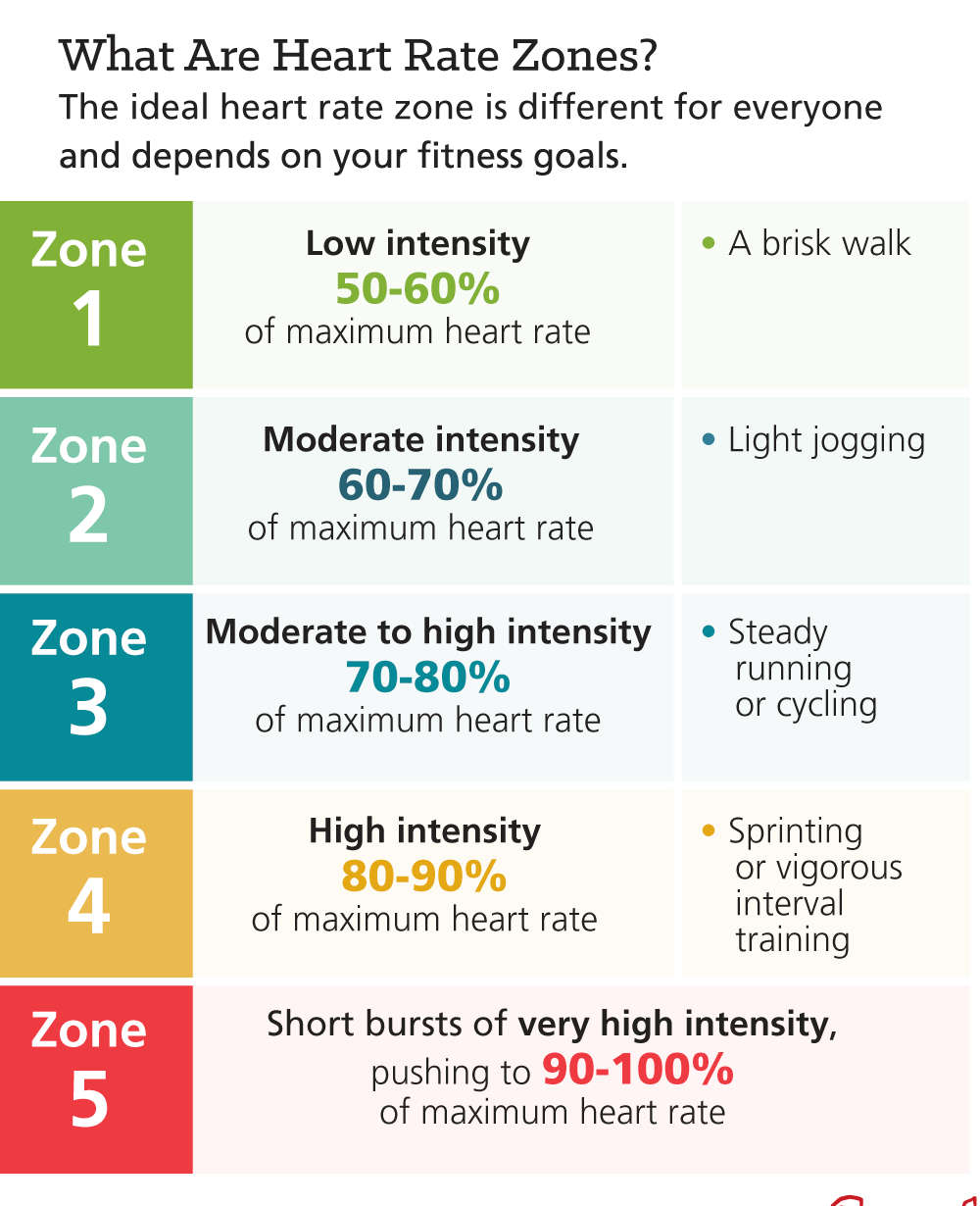
Heart rate zones also influence calorie burn:
• 100 bpm (low): ~3–5 cal/min
• 150 bpm (moderate): ~7–9 cal/min
• 200 bpm (high): ~12–15 cal/min (for fit individuals)
The Truth About EPOC and “Afterburn”
High-intensity workouts trigger Excess Post-exercise Oxygen Consumption (EPOC), where your body burns extra calories after exercise to restore homeostasis.
• HIIT and strength training create the largest EPOC effect.
• But research shows EPOC only adds 6–15% more calories over 24 hours, not the 500+ some programs claim.
• Programs like OrangeTheory track “Splat Points” (time above 84% max HR) and estimate huge calorie burns including EPOC. These numbers are marketing-friendly rather than scientifically precise.
EPOC is real, but don’t count on it to erase a cheat meal.
How to Use Your Heart Rate Data Wisely
You don’t need perfect calorie numbers to benefit from your monitor. Use it strategically to maximize your training value.
Track Trends, Not Daily Totals
Instead of obsessing over “420 calories today,” look at weekly trends. Are your recovery heart rates improving? Is your average HR lower at the same pace? These indicate real fitness gains, even if the calorie count is off.
Pro tip: Use the same device, worn the same way, for consistent comparisons.
Choose the Right Device for Your Goals
• For weight loss: A chest strap paired with a food tracking app works better than relying on calorie burn estimates.
• For performance: Use heart rate zones to stay in target intensities (like Zone 3 for tempo runs).
• For general health: A wrist tracker is fine for daily activity trends.
Optimize Your Device Settings
• Update weight, age, and gender in your app regularly.
• Input VO₂ max if available for improved accuracy.
• Select the correct workout mode (such as “Strength” versus “Cardio”) so the right algorithm runs.
• Wear the device snugly, since loose bands cause optical sensor errors.
Behavioral Tips for Real Weight Loss
Since calorie burn data is flawed, focus on what you can actually control: food intake.
Eat Mindfully
• Eat without screens or distractions.
• Chew slowly and savor each bite.
• Stop eating when you feel 80% full.
Control Your Environment
• Use smaller plates to manage portions naturally.
• Keep junk food out of sight and out of mind.
• Leave snack shells visible (like pistachios) to reduce overall intake.
Break Emotional Eating Cycles
• Stress, boredom, and loneliness drive overeating.
• Replace food with walking, meditation, or calling a friend.
• Track your mood alongside calories for better insights.
Frequently Asked Questions About Calories Burned by Heart Rate Monitor
How accurate are heart rate monitors for measuring calories burned?
Heart rate monitors are highly accurate for tracking heart rate itself (within 5% error), but calorie estimates have error margins ranging from 27% to 93%. The conversion from heart rate to calories relies on algorithms that can’t account for individual metabolism, fitness level, or activity type.
Which type of heart rate monitor is most accurate?
Chest strap monitors using ECG technology are the most accurate, typically within 1–2% for heart rate. The Polar H10 is widely considered the industry gold standard. Armband sensors come second, while wrist-based optical trackers are the least accurate, especially during high-intensity movement.
Can I calculate calories burned from heart rate manually?
Yes, you can use the formulas provided above. The standard formula uses heart rate, duration, weight, age, and gender. If you know your VO₂ max, the advanced formula provides better accuracy. These calculations are most reliable when heart rate falls between 90 and 150 bpm.
Why does my fitness tracker show different calories than gym equipment?
Gym machines and wearables use different algorithms and assumptions. Treadmills calculate based on speed and incline assuming average efficiency, while wearables use heart rate and movement data. Neither accounts for your unique physiology, which is why numbers often conflict.
Does EPOC (afterburn) significantly increase calorie burn?
EPOC adds roughly 6–15% more calories over 24 hours after high-intensity exercise. While real, this effect is much smaller than many fitness programs claim. Programs like OrangeTheory often inflate these numbers for motivation rather than scientific precision.
Should I trust my heart rate monitor for weight loss?
Treat the calorie estimates as rough context rather than precise data. For weight loss, focus on tracking calories consumed with accuracy and using heart rate data to monitor workout intensity and fitness improvements over time.
Key Takeaways for Using Heart Rate Monitors Wisely
Heart rate monitors are excellent tools for measuring workout intensity but poor tools for measuring precise calorie burn. Use them to track effort, stay in target zones, and monitor fitness trends over time. Avoid using calorie estimates to justify eating extra food, since the error margins can lead to significant overconsumption.
If you’re serious about weight loss, track calories in with precision and treat calories out as an estimate rather than a fact. Pair your heart rate data with effort perception (RPE), performance gains, and consistency. That’s how you turn flawed numbers into real, sustainable results.
Bottom line: Your heart rate monitor tells you how hard you’re working, not exactly how many calories you burned. Use it to train smarter, not to eat more.