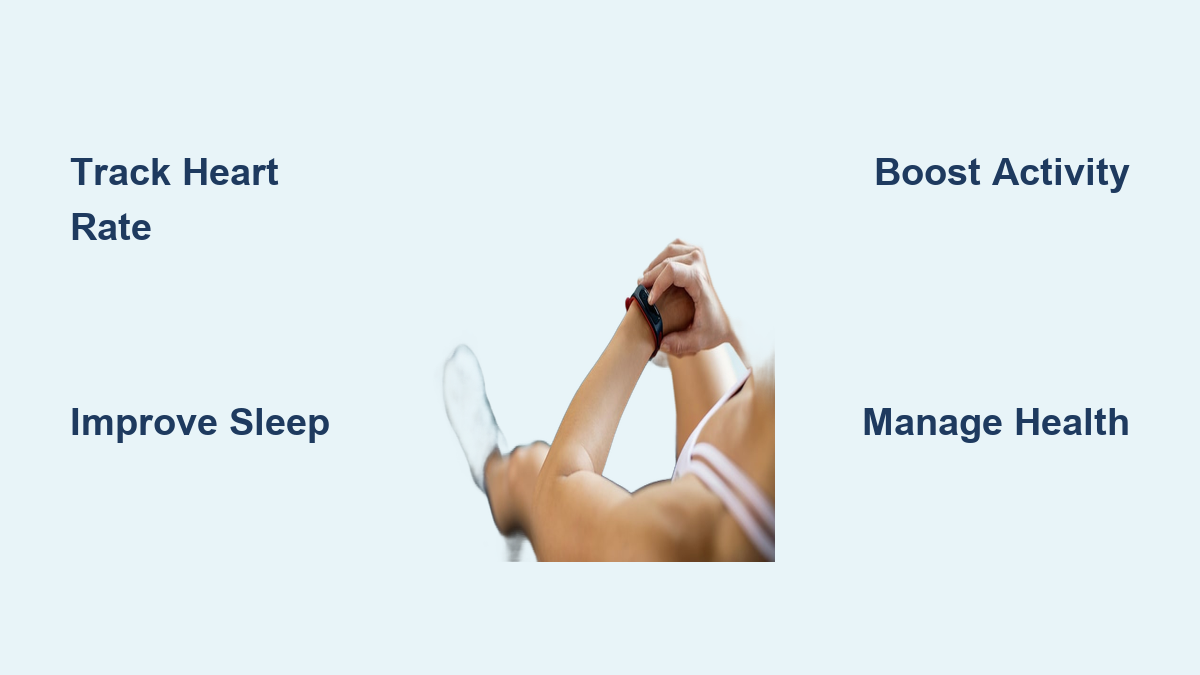
Fitness Tracker Benefits: Why You Need One
Wearing a fitness tracker does more than count steps. It transforms how you understand and improve your health. From monitoring heart rate to analyzing sleep patterns, these small devices deliver powerful insights that help users make smarter lifestyle choices. With over 245 million wearable devices sold globally in recent years, fitness trackers have moved beyond niche gadgets to essential health tools for casual walkers, elite athletes, and people managing chronic conditions alike.
The real value is not just in the numbers. It is in the motivation they create. Seeing your heart rate drop over time, hitting a new personal best in active minutes, or finally achieving seven hours of deep sleep can spark lasting behavioral change. Research shows that even basic pedometers increase daily activity by up to 30%. But modern trackers go much further, offering real-time feedback on everything from stress levels to ovulation windows.
This guide breaks down the science-backed benefits of fitness trackers, showing how they support cardiovascular health, enhance workouts, improve sleep, and help manage long-term conditions, all while fitting seamlessly into everyday life.
Track Heart Health Accurately

Fitness trackers bring clinical-grade cardiac insights directly to your wrist, helping you stay safe and optimize performance.
Monitor Heart Rate Zones
Knowing your heart rate zone during exercise ensures you are working at the right intensity. Most trackers use optical sensors to measure beats per minute and categorize effort into five zones based on your Maximum Heart Rate (MHR), often estimated as 220 minus your age.
- Zone 1 to 2 (50 to 70% MHR): Light to moderate effort, ideal for warm-ups or recovery days
- Zone 3 (70 to 80% MHR): Aerobic zone, builds endurance with sustained effort
- Zone 4 to 5 (80 to 100% MHR): High-intensity training, boosts speed and VO2 max
Staying in the correct zone helps meet weekly exercise guidelines: 150 minutes of moderate or 75 minutes of vigorous activity. For people with heart conditions, staying below a doctor-recommended threshold is critical, and wearables make it easy to monitor in real time.
Measure Recovery and Fitness Trends
Beyond live heart rate, advanced metrics reveal long-term cardiovascular improvements.
Heart Rate Recovery (HRR) measures how quickly your heart slows after exercise. A drop of 20 or more beats per minute within one minute post-workout indicates strong heart health. Trackers automatically calculate this, giving you instant feedback on fitness gains.
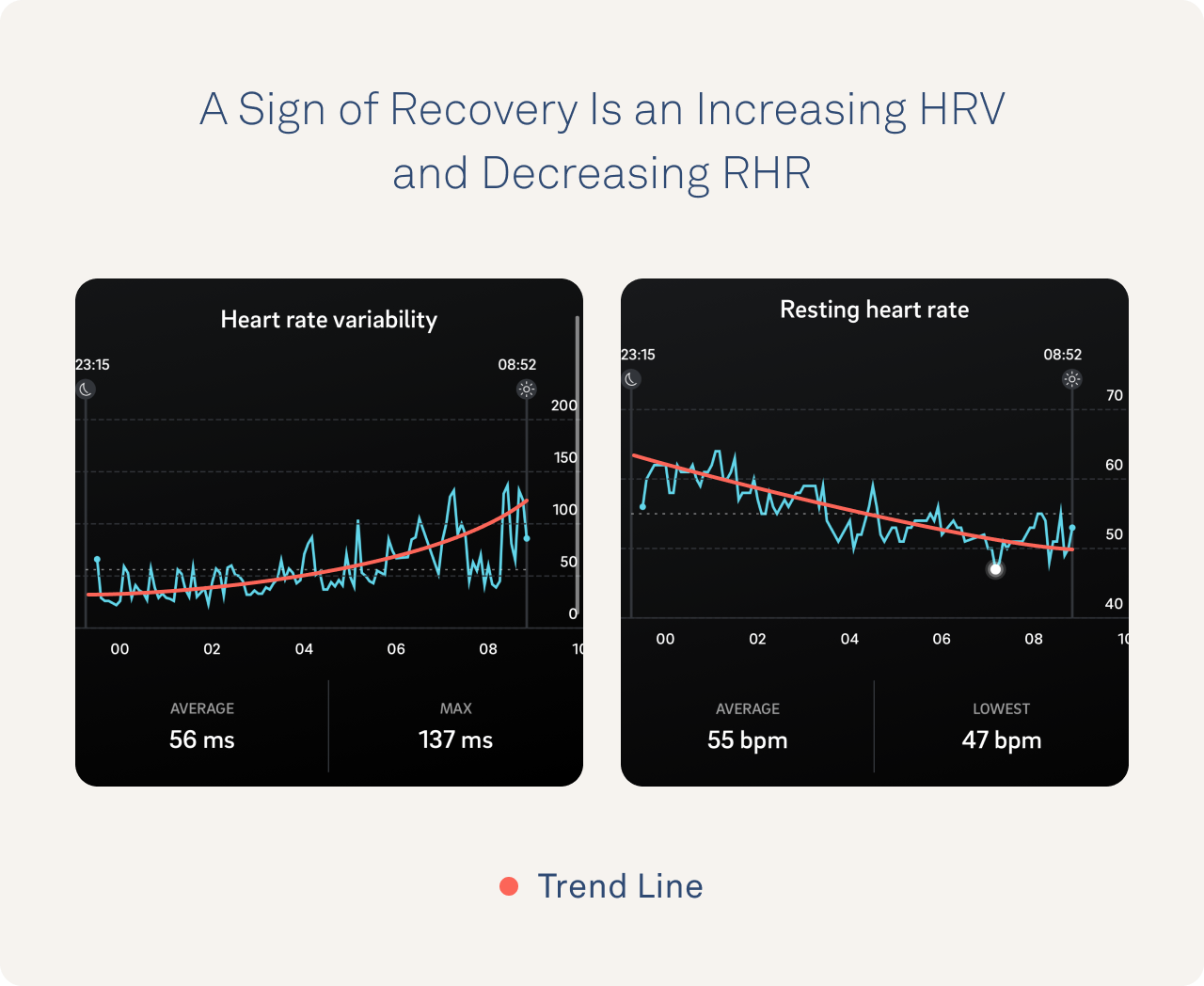
Heart Rate Variability (HRV) tracks subtle changes between heartbeats. Higher HRV means your nervous system is balanced and ready for stress, whether physical or emotional. When HRV dips, it is a signal to rest. Over time, rising HRV trends show improved resilience.
VO2 Max estimates reflect aerobic fitness by predicting how efficiently your body uses oxygen. Though lab tests are more accurate, wearable algorithms use heart rate, pace, age, and sex to deliver reliable trend data. An upward trajectory means you are getting fitter, even if the exact number is not perfect.
Detect Irregular Rhythms Early
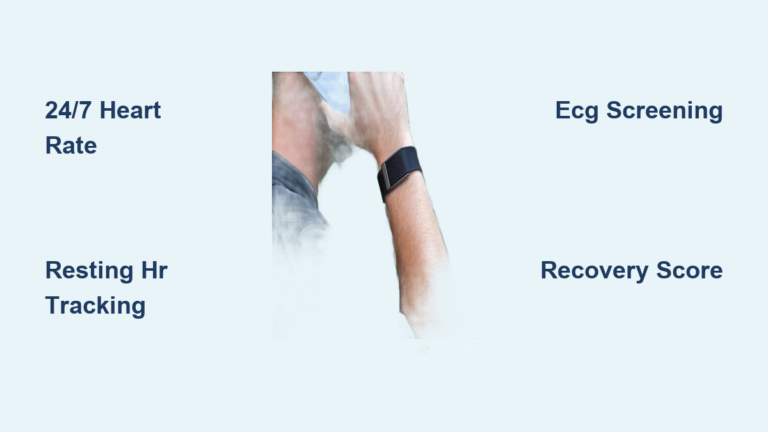
Some trackers now include ECG (electrocardiogram) sensors that detect potential heart rhythm issues like atrial fibrillation (AFib). With a tap of your finger on the watch crown, the device reads electrical signals and alerts you to irregularities.
While not a medical diagnosis, these warnings can prompt early doctor visits. In one study, users identified undiagnosed AFib through their device, leading to timely treatment. Always consult a physician before acting on ECG alerts, but know that this feature can be a lifesaving early warning system.
Pro Tip: If you experience chest pain or shortness of breath, call emergency services immediately. Do not wait for device confirmation.
Boost Daily Activity Levels
Fitness trackers turn movement into measurable progress, encouraging consistent habits that improve overall health.
Hit Meaningful Step Goals
The 10,000-step goal originated from a 1960s Japanese marketing campaign, but research confirms that 4,000 to 7,000 steps daily already offer significant heart health benefits. Trackers help you reach these targets by providing constant feedback.
Wearables are more accurate than smartphones because they are worn consistently and use advanced accelerometers. While stride length and arm swing affect precision, the consistency of tracking allows you to compare day-to-day changes reliably.
Did You Know? A study found that wearing any pedometer increases activity by 30%, just by making users aware of their movement.
Break Up Sedentary Time
Sitting for hours increases risks for heart disease, diabetes, and early death, even if you work out daily. That is where stand reminders come in.
Most trackers vibrate or flash a message every hour, prompting you to stand or walk for 1 to 2 minutes. These micro-movements improve circulation, reduce stiffness, and reset metabolic function. You do not need a full workout. Just standing up regularly makes a difference.
Set customizable alerts based on your schedule. Office workers might get prompts at 10:30, 12:30, and 3:30 PM. Even runners who sit all day benefit from these nudges.
Stay Motivated with Gamification
Behavioral psychology powers many tracker features designed to keep you moving.
- Digital badges reward milestones like “10K Steps for 7 Days”
- Weekly challenges let you compete with friends or join community goals
- Progress bars visually show how close you are to your daily target
These small wins build momentum. Reaching your step goal triggers dopamine release, the brain’s reward chemical, which reinforces healthy behavior.
Pair this with goal setting: adjust targets gradually (for example, add 500 steps per week) to avoid burnout. Visual progress keeps motivation high.
Optimize Workouts and Performance
Whether you are lifting weights or running marathons, fitness trackers provide data to train smarter and avoid injury.
Log Diverse Training Types
Modern trackers adapt to nearly every workout:
- Running and Cycling: GPS models track pace, distance, elevation, and route
- Yoga and Pilates: Record duration and heart rate to assess effort without impact
- Strength Training: Monitor heart rate spikes and calorie burn, even if reps are not counted
Many apps let you manually log sets and reps or select “gym mode” to capture total session intensity. This creates a complete fitness journal.
Use GPS for Outdoor Precision
High-end trackers have built-in GPS, using satellite signals to map runs and rides without needing your phone. This gives accurate data on:
- Distance covered
- Pace per mile or km
- Elevation gain
- Route history
Lower-cost models connect via Bluetooth to your smartphone’s GPS. While less battery-efficient, they still deliver solid results.
Pro Tip: Enable GPS before starting your workout. Waiting too long can delay signal lock and skew early data.
Prevent Overtraining with Recovery Data
Elite athletes use trackers to avoid burnout. Key signs of overtraining include:
- Declining HRV
- Elevated resting heart rate
- Poor sleep quality
- Slower HRR
When your device detects these patterns, it may suggest taking a rest day. Listening to these cues prevents injuries and supports long-term progress.
Rest is not laziness. It is part of peak performance. Recovery metrics help you balance pushing hard with allowing time to rebuild.
Improve Sleep Quality and Recovery
Sleep tracking helps you understand rest patterns and make changes that boost energy, mood, and physical recovery.
Analyze Sleep Stages and Duration
Trackers estimate sleep stages using heart rate, HRV, and movement. While not as precise as lab EEG tests, they offer useful insights into:
- Total sleep time
- Time spent in light, deep, and REM sleep
- Number of awakenings
- Sleep efficiency (percentage of time in bed actually asleep)
Most adults need 7 to 9 hours nightly, including three full sleep cycles (each about 90 minutes). Consistently missing deep or REM phases affects memory, immunity, and hormone balance.
Your tracker shows trends: Are you sleeping longer on weekends? Does caffeine delay your onset? Use this data to adjust bedtime routines.
Choose Comfortable Sleep-Tracking Forms
Wristbands can feel bulky during sleep. Alternatives include:
- Sleep rings (such as Oura or Motiv): Small, lightweight, track HR, HRV, temperature
- Under-mattress pads (such as Withings Sleep Analyzer): Non-wearable option that monitors breathing and heart rate
Rings are ideal for side sleepers or those sensitive to wrist pressure. They also track menstrual cycles and body temperature trends.
Avoid Orthosomnia and Data Anxiety
Some users develop orthosomnia, which is anxiety about achieving perfect sleep scores. Obsessing over data can ironically worsen sleep.
If you find yourself checking your score multiple times at night or feeling guilty for low numbers, step back. Focus on trends over time, not single nights.
Trackers cannot diagnose sleep apnea or insomnia. If you snore loudly, gasp for air, or feel tired despite long sleep, see a doctor for a formal sleep study.
Manage Chronic Conditions Effectively
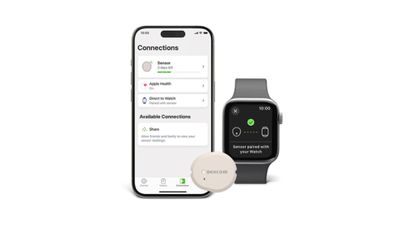
Fitness trackers now support medical management for diabetes, heart disease, and reproductive health.
Integrate with Glucose Monitoring
For people with Type 1 or Type 2 diabetes, some trackers sync with Continuous Glucose Monitors (CGMs) like Dexcom or Freestyle Libre.
The wearable displays real-time glucose levels and alerts for:
- Hypoglycemia (low blood sugar)
- Hyperglycemia (high blood sugar)
- Rapid glucose drops or spikes
This integration allows faster responses, like eating a snack or adjusting insulin, without needing to check a separate device.
Note: Always confirm critical readings with a glucometer before taking action.
Track Menstrual Cycles and Fertility
Many trackers include cycle-tracking apps where you log:
- Period start and end dates
- Symptoms (cramps, mood swings, energy)
- Cervical mucus or basal body temperature
Advanced devices (like rings or Apple Watch) automatically record temperature and HRV shifts linked to ovulation. This helps predict fertile windows and understand hormonal impacts on energy and performance.
Use this data to plan workouts around your cycle. For example, higher intensity during the follicular phase, recovery focus during menstruation.
Support Stress and Mental Wellness
Chronic stress harms physical health. Trackers help by detecting physiological signs and guiding relaxation.
Stress detection uses HRV and resting heart rate. Low HRV combined with high heart rate indicates a likely stress response.
When detected, your device may prompt you to:
- Try a guided breathing session (for example, 4-second inhale, 6-second exhale)
- Take a short walk
- Practice mindfulness
Some models show real-time breath pacing animations. Just five minutes a day reduces cortisol and improves focus.
Pair this with daily mindfulness reminders to build a sustainable habit.
Enhance Posture and Daily Habits
Newer features go beyond fitness to improve everyday wellness.
Get Real-Time Posture Alerts
Poor posture leads to back pain, neck strain, and reduced lung capacity. Devices like Upright Go or smartwatches with motion sensors detect slouching.
When you lean forward too long, the tracker vibrates gently, prompting you to straighten up. Over time, this builds muscle memory for better alignment.
Wear it during desk work, driving, or reading. Within weeks, many users report less back discomfort and improved breathing.
Sync Data Across Health Apps
The true power of a fitness tracker lies in its ecosystem.
Companion apps consolidate data into interactive dashboards, showing:
- Daily step trends
- Weekly sleep averages
- Monthly VO2 max changes
You can also connect to third-party tools:
- MyFitnessPal for food logging
- Strava for cycling and running analytics
- Headspace for meditation tracking
All synced in one place with no manual entry needed.
Pro Tip: Choose a tracker compatible with your phone OS (iOS or Android) and preferred apps to maximize integration.
Select the Right Device for Your Goals
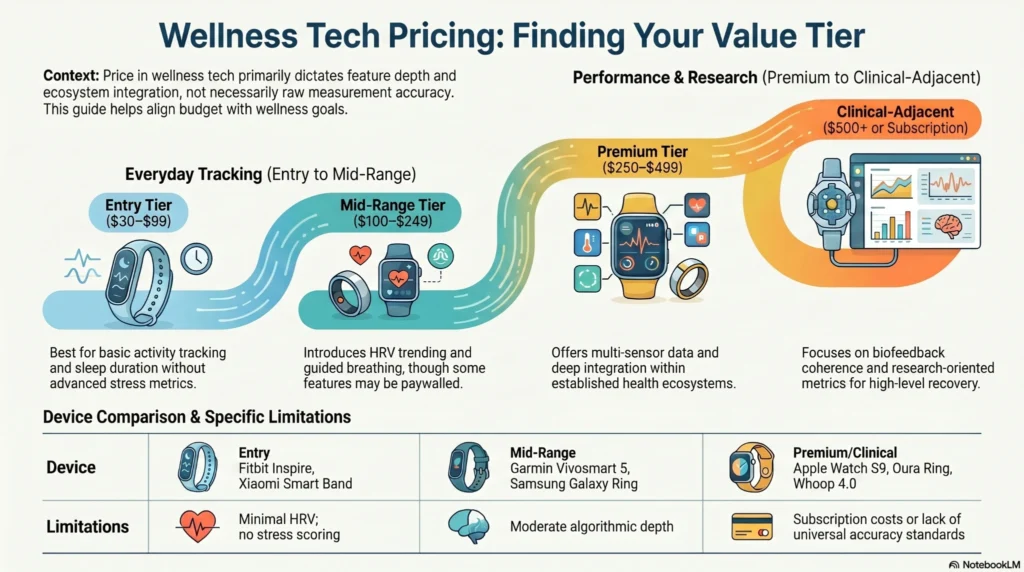
Not all trackers serve every need. Match features to your health priorities.
Identify Your Primary Use Case
Ask: What matters most?
| Goal | Recommended Features |
|---|---|
| General health | Step counting, heart rate, sleep tracking |
| Weight loss | Calorie burn estimates, food logging sync |
| Running performance | Built-in GPS, VO2 max, pace alerts |
| Heart health | ECG, HRV, HRR, irregular rhythm alerts |
| Sleep optimization | Sleep staging, temperature tracking, ring form factor |
| Diabetes management | CGM integration, glucose alerts |
Compare Price and Features
- $100 to $150: Basic models (Fitbit Inspire, Xiaomi Band) with steps, heart rate, sleep
- $150 to $250: Mid-tier (Garmin Venu, Fitbit Charge 6) with GPS, stress tracking, apps
- $250 and up: Premium (Apple Watch, Garmin Fenix, Oura Ring) with ECG, SpO2, advanced recovery metrics
Smartwatches cost more but offer calls, music, and third-party apps, making them ideal if you want one device for fitness and daily use.
Test Comfort and Compatibility
Try before you buy if possible. Wearables must feel light and secure:
- For sleep: Rings or slim bands
- For workouts: Secure wrist fit, sweat resistance
- For all-day wear: Hypoallergenic materials
Ensure compatibility with your smartphone. Apple Watch works best with iPhones, while Wear OS (Samsung, Pixel) suits Android users.
Maximize Benefits Without Burnout
Fitness trackers are tools, not magic fixes. Use them wisely for long-term success.
Combine Tracking with Professional Guidance
Trackers do not replace doctors or trainers. Instead, use data to enhance care:
- Share heart rate trends with your cardiologist
- Show sleep logs to your therapist
- Give workout data to your coach for personalized plans
This creates a feedback loop: data informs action, action improves health, and health boosts motivation.
Avoid Over-Reliance on Metrics
A 2016 JAMA study found that people using trackers alone lost less weight than those following traditional diet and exercise plans. Over-monitoring can reduce intrinsic motivation.
Do not let numbers dictate your self-worth. Missing a step goal does not mean failure. Focus on consistency, not perfection.
Expert Insight: As Dr. Julie Dominguez-Jones notes, wearables should help you unplug from bad habits while staying connected to your goals, not become a source of anxiety.
Build Sustainable Habits Gradually
Start small:
- Wear the tracker daily for one week, just to get used to it
- Set one achievable goal (for example, walk 30 minutes per day)
- Add one new feature per month (sleep tracking, breathing exercises)
This prevents overwhelm and builds lasting change.
Frequently Asked Questions About Fitness Tracker Benefits
Do fitness trackers actually improve health?
Yes. Research shows that wearing even a basic pedometer can increase daily activity by up to 30%. Modern trackers also help users monitor heart health, improve sleep habits, and maintain accountability through goal tracking and reminders.
How accurate are fitness tracker heart rate monitors?
Most fitness trackers use optical sensors that provide reliable heart rate data during rest and steady-state exercise. Accuracy may decrease during high-intensity interval training or activities involving wrist movement. ECG features offer more precise readings but are still not equivalent to medical-grade equipment.
Can a fitness tracker help with weight loss?
Trackers can support weight loss by tracking calorie burn, encouraging activity, and syncing with food logging apps. However, a 2016 JAMA study found that tracker users alone lost less weight than those following structured diet and exercise programs. Trackers work best as part of a comprehensive plan.
Are fitness trackers safe for people with heart conditions?
Generally yes, but users with heart conditions should consult their doctor first. Trackers can help monitor heart rate during exercise and detect irregular rhythms, but they are not medical devices. Always follow physician guidance and call emergency services for symptoms like chest pain.
What is orthosomnia and how can I avoid it?
Orthosomnia is anxiety about achieving perfect sleep scores that can ironically worsen sleep quality. To avoid it, review sleep data weekly rather than nightly, focus on trends instead of single nights, and consult a doctor if you suspect a condition like sleep apnea.
Do I need a smartwatch or is a basic fitness band enough?
It depends on your goals. Basic bands cover step counting, heart rate, and sleep tracking at lower prices. Smartwatches add GPS, ECG, apps, and notifications, making them better for athletes or users who want one device for fitness and daily communication.
Key Takeaways for Getting the Most From Fitness Tracker Benefits
Fitness tracker benefits extend far beyond step counts. These devices empower you with real-time health insights, motivate consistent activity, support chronic disease management, and promote better sleep and mental wellness. The most important points to remember are that trackers work best when paired with professional guidance, trends matter more than daily numbers, and gradual habit building leads to lasting change.
Your next step is simple: choose a tracker that matches your primary health goal, wear it consistently for one week, and set one achievable target. Let the data guide your journey without letting it control your mindset.