Best Cardio Workouts for Athletes (2026 Guide)
For athletes across all sports, cardiovascular fitness isn’t just about stamina. It’s the foundation of peak performance, faster recovery, and long-term resilience. Whether you’re a runner, cyclist, swimmer, or team-sport specialist, cardio workouts for athletes must be structured, measurable, and tailored to your physiological demands. The right training boosts VO₂ max, enhances oxygen delivery, and strengthens the heart, leading to greater endurance, mental toughness, and competitive edge.
This guide breaks down the science-backed methods, training zones, and workout formats that deliver real results. You’ll learn how to structure your cardio plan using proven protocols like HIIT and Zone 2 training, avoid overtraining, and integrate cross-training for balanced development. From beginner models to advanced progression, every section is designed to help athletes train smarter, not harder.
Let’s dive into the most effective strategies to build a stronger, more efficient cardiovascular system.
Build Aerobic Endurance Efficiently
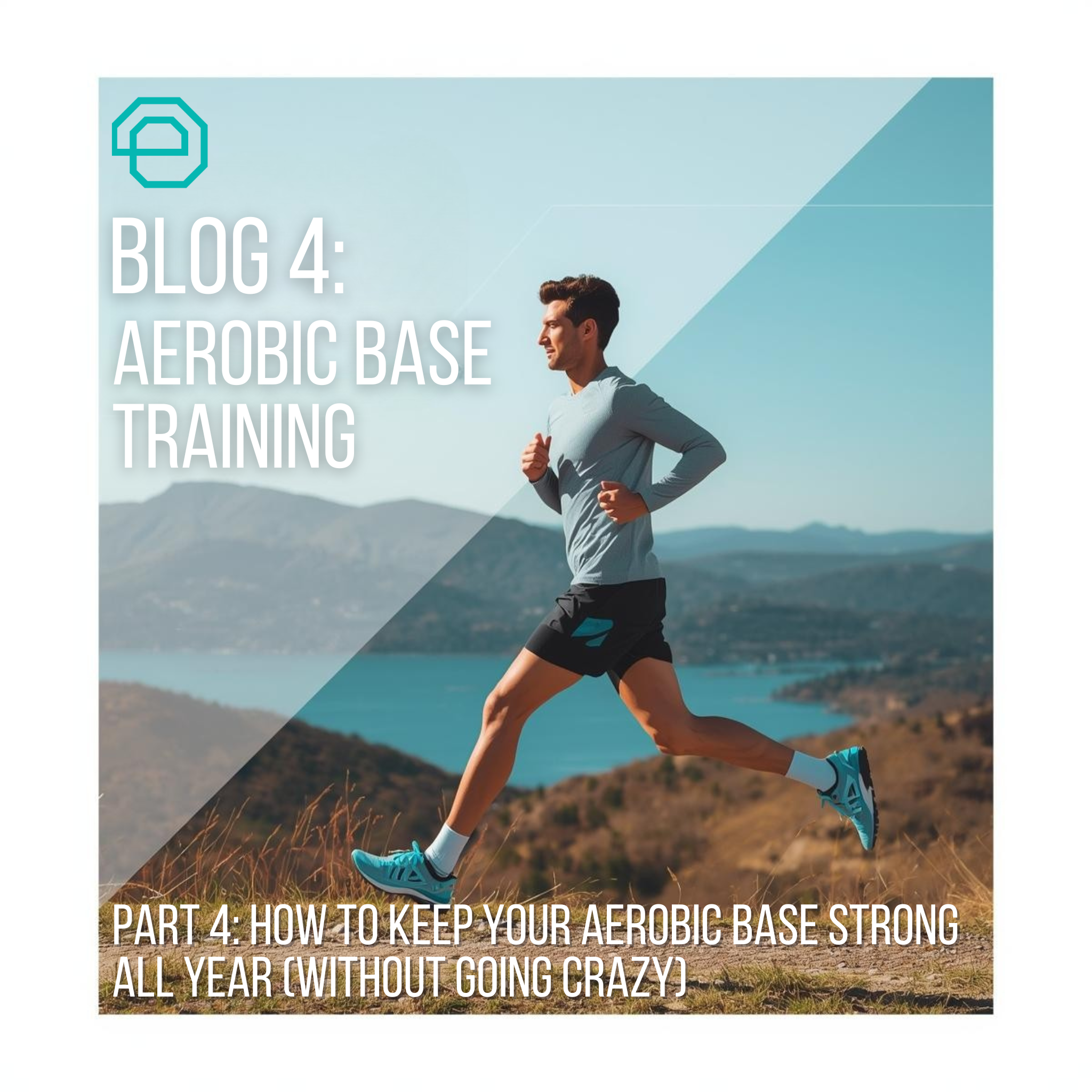
Aerobic conditioning is the backbone of athletic cardio performance. It trains the heart, lungs, and blood vessels to deliver oxygen-rich blood to working muscles over extended periods. Unlike short bursts of speed or power, aerobic exercise relies on sustained effort, including distance runs, steady cycling, or continuous swimming.
The benefit? A stronger aerobic base allows athletes to perform at higher intensities for longer with less fatigue. Consistent aerobic training lowers resting heart rate, improves blood pressure, and increases mitochondrial density in muscle cells, which is key for energy production.
But not all cardio is equal. To maximize gains, athletes must train with purpose and precision.
Target Zone Two for Base Building
Zone Two training, working at 65% to 75% of your maximum heart rate, is the gold standard for developing aerobic endurance without overtaxing the body. This intensity optimizes fat metabolism, spares glycogen, and enhances capillary and mitochondrial function.
Why it matters:
– Builds endurance sustainably
– Reduces injury and burnout risk
– Supports recovery between high-intensity sessions
To find your Zone Two:
1. Estimate max heart rate: 220 minus your age
2. Multiply by 0.65 and 0.75 to get your target range
3. Use a chest strap monitor for accuracy during runs or rides
Example: A 30-year-old athlete’s Zone Two = 124–143 bpm
Use this zone for the majority of your weekly cardio volume. Over time, you’ll notice improved pacing, reduced breathlessness, and faster post-exercise recovery.
Track Progress With VO₂ Max Testing
VO₂ max, the maximum amount of oxygen your body can utilize during intense effort, is the ultimate metric for cardiovascular fitness. This measurement is the standard used by doctors and athletic trainers to establish endurance baselines and track progress.
Testing is done in a lab:
– Wear a face mask connected to a machine analyzing respiratory rate, volume, inhaled oxygen concentration, and exhaled carbon dioxide
– Exercise on a treadmill or stationary bike, increasing intensity until exhaustion
– Data pinpoints your aerobic ceiling and fitness baseline
While wearable devices estimate VO₂ max, lab testing remains the most accurate. Re-test every 8–12 weeks to track improvements from training.
Structure Training for Maximum Gains

Random workouts won’t build elite cardio fitness. Athletes need a structured plan that balances intensity, volume, recovery, and progression. Without it, performance plateaus, injuries rise, and motivation drops.
A smart plan ensures:
– Gradual load increases (avoiding sudden spikes)
– Strategic placement of hard and easy days
– Integration of strength and mobility work
– Long-term sustainability
Use the FITT principle to guide programming:
– Frequency: How many days per week?
– Intensity: What heart rate zone or effort level?
– Time: Duration of each session
– Type: Mode of cardio (run, cycle, swim, etc.)
Follow the Advanced Weekly Model
For athletes training 4–5 times per week, aim for at least 150 minutes of cardio, distributed across intensity zones:
| Workout Type | Frequency | Intensity | Duration |
|---|---|---|---|
| Zone 2 Cardio | 3–4x/week | 65–75% max HR | 30–60 min |
| HIIT | 1–2x/week | 85–95% max HR | 15–25 min |
| Active Recovery | 1x/week | <60% max HR | 20–30 min |
Sample week:
– Monday: Zone 2 run (45 min)
– Tuesday: HIIT cycling (20 min)
– Wednesday: Rest or yoga
– Thursday: Zone 2 swim (60 min)
– Friday: Strength training + light walk
– Saturday: Tempo run (moderate-high intensity, 30 min)
– Sunday: Active recovery walk (30 min)
This hybrid model prevents overtraining while maximizing adaptation.
Avoid Overtraining With Smart Recovery
More isn’t always better. Pushing too hard too often leads to overtraining syndrome, marked by fatigue, poor sleep, mood swings, and declining performance.
Warning signs:
– Elevated resting heart rate
– Slower recovery between intervals
– Persistent muscle soreness
– Decreased motivation
Prevention strategies:
– Limit HIIT to 1–2 sessions per week
– Schedule full rest days every 3–5 days
– Track fatigue in a training log
– Prioritize sleep and nutrition
Remember: Adaptation happens during recovery, not during the workout.
Maximize Results With HIIT
High-Intensity Interval Training (HIIT) is one of the most effective cardio methods for boosting fitness and burning calories in less time. It’s especially effective for athletes looking to boost VO₂ max, increase lactate threshold, and improve anaerobic capacity.
HIIT works by alternating short bursts of near-maximal effort with recovery periods. This stresses the cardiovascular system, triggering powerful physiological adaptations.
Apply Proven HIIT Protocols
Standard protocol:
– 20 to 30 seconds of high-intensity effort (e.g., sprinting, cycling hard)
– 10 seconds of low-intensity recovery (e.g., walking, easy pedaling)
– Repeat for several minutes
– Total session: 15–25 minutes
Beginner-friendly version:
– 20 seconds hard / 40 seconds easy
– 6–8 rounds
– Progress by increasing work time or reducing rest
Examples:
– Running: Sprint 20 sec, walk 40 sec × 8
– Cycling: 30 sec max resistance, 30 sec easy × 6
– Swimming: 25m sprint, 25m easy × 10
HIIT boosts metabolism post-workout and improves insulin sensitivity and mitochondrial efficiency.
But don’t overdo it. Excessive HIIT elevates cortisol, suppresses immunity, and increases injury risk. Stick to 1–2 sessions per week, especially during competitive seasons.
Diversify With Cross-Training
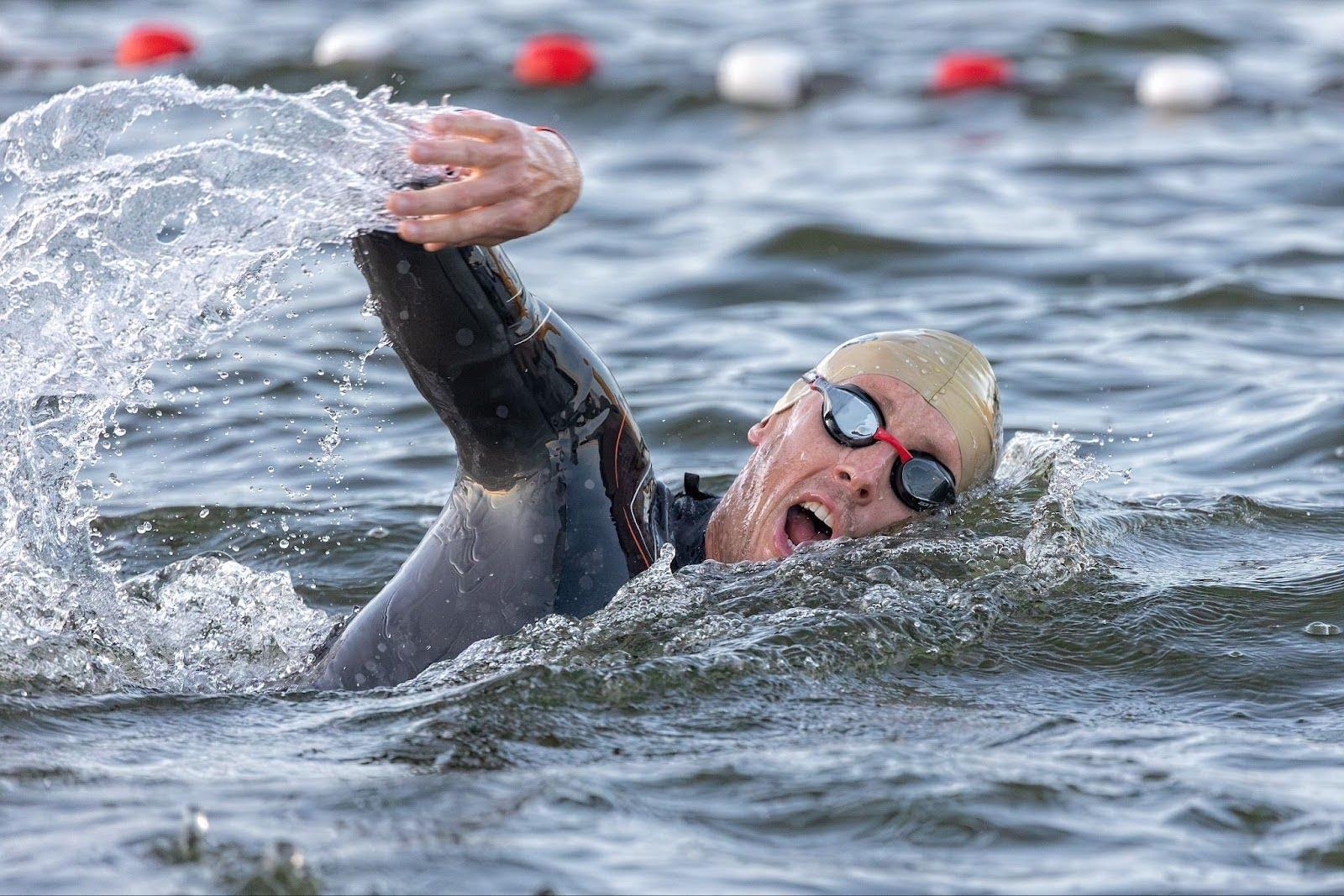
Doing the same cardio workout daily leads to overuse injuries, mental fatigue, and performance plateaus. Cross-training, which means rotating between different modalities, keeps your body challenged and your mind engaged.
Benefits:
– Reduces repetitive strain
– Activates different muscle groups
– Enhances overall athleticism
– Speeds recovery
Choose Low-Impact Options for Joint Protection
For athletes with knee, hip, or back issues, low-impact cardio is essential. Swimming and cycling are ideal:
Swimming:
– Full-body workout with zero joint impact
– Enhances muscular strength and cardiovascular endurance simultaneously
– Rhythmic and meditative, reducing stress and improving mental well-being
– Use multiple strokes (freestyle, breaststroke) to vary intensity
Cycling (Indoor/Outdoor):
– Builds leg strength and aerobic base
– Easy to adjust resistance for intervals
– Indoor cycling great for time-limited training
– Caution: Prolonged sitting stiffens hips. Stretch glutes and hip flexors daily
Add Fun With Group Classes and Home Workouts
Group fitness classes (e.g., spin, boot camp, aqua aerobics) offer motivation, structure, and social accountability. But not all classes are athlete-appropriate.
Choose wisely:
– Look for programs that blend cardio and strength
– Limit high-exhaustion sessions to 1–2 times per week
– Modify movements if needed to protect joints
Supplement with home-based exercises:
– Skipping rope: 5–10 min for coordination and calorie burn (avoid if prone to ankle/knee pain)
– Stair climbing: 10–15 min for quad and glute endurance
These require minimal equipment and fit into tight schedules.
Progress From Beginner to Elite

Cardio training must evolve as fitness improves. What works for a beginner won’t challenge an advanced athlete. Use structured progression models to stay on track.
Start With the Beginner Model
New to cardio? Focus on consistency, not intensity.
Beginner plan:
– Frequency: 3 times per week (every other day)
– Duration: 10–15 minutes per session
– Intensity: Light to moderate (able to speak in full sentences)
– Modality: Walking, cycling, or swim intervals
Example: 2 min walk / 1 min jog × 5 rounds
After 3 weeks, gradually:
– Increase duration to 30 minutes
– Raise intensity (e.g., longer jogging intervals)
– Add a fourth session per week
Use walking for active recovery. Water walking (in a pool) is excellent for joint-sensitive athletes.
Advance With Periodized Programming
Elite athletes use periodization, which are phased training blocks focused on different goals:
– Base Phase: Build aerobic endurance (Zone 2 dominant)
– Build Phase: Add tempo and threshold work
– Peak Phase: Incorporate sport-specific intervals
– Taper Phase: Reduce volume, maintain intensity before competition
Example 8-week cycle:
1. Weeks 1–3: 4x Zone 2 sessions (45 min)
2. Weeks 4–5: Add 1x tempo run (30 min moderate)
3. Weeks 6–7: Add 1x HIIT session
4. Week 8: Taper, reduce volume by 40%, keep one short HIIT
This approach prevents burnout and peaks performance when it matters.
Prevent Injury and Train Safely
Even elite athletes can derail progress with poor habits. Safety isn’t optional. It’s part of high-performance training.
Prioritize Proper Equipment and Form
Biomechanics matter. Poorly fitted gear increases injury risk.
Key considerations:
– Running shoes: Match your foot strike (neutral, overpronation) and replace every 300–500 miles
– Bike fit: Ensure proper seat height and handlebar reach to avoid lower back strain
– Skis: Size and binding fit critical for control and safety in cross-country skiing
Always warm up before and stretch after:
– Dynamic warm-up: leg swings, high knees, butt kicks
– Post-workout: focus on hip flexors, hamstrings, calves, and shoulders (for swimmers)
Get Medical Clearance Before Starting
Athletes with preexisting conditions (heart disease, asthma, diabetes) must consult a physician before beginning intense cardio.
A pre-participation evaluation can:
– Identify cardiac risks
– Recommend safe intensity zones
– Guide modifications for chronic conditions
Even healthy athletes should monitor symptoms:
– Chest pain or tightness
– Dizziness during exercise
– Irregular heartbeat
– Excessive shortness of breath
Stop and seek medical advice if any occur.
Optimize Long-Term Athletic Health
Sustainable cardio training isn’t just about winning races. It’s about staying healthy, mobile, and strong for years.
Combine Cardio With Strength and Flexibility
Cardio alone isn’t enough. Integrate:
– Strength training (1–2x/week): Supports joints, improves power, enhances cardiac output
– Yoga or mobility work: Counters stiffness, improves posture, reduces injury risk
Example combo:
– Monday: Run + core workout
– Wednesday: Strength training (squats, deadlifts, presses)
– Friday: Swim + yoga
This holistic approach builds resilient athletes.
Monitor Key Performance Indicators
Track these metrics to stay on course:
| Metric | Target | Why It Matters |
|---|---|---|
| VO₂ Max | Increase over time | Measures maximal oxygen uptake and endurance capacity |
| Resting HR | Decrease over time | Sign of improved cardiac efficiency |
| Zone 2 Duration | Extend gradually | Indicates aerobic base growth |
| Recovery Rate | Faster HR drop post-exercise | Reflects fitness improvement |
| Training Logs | Record effort, fatigue, mood | Helps prevent overtraining |
Use apps like Garmin Connect or Strava to log workouts, heart rate, and trends.
Frequently Asked Questions About Cardio Workouts for Athletes
What heart rate zone is best for building endurance?
Zone Two, working at 65% to 75% of your maximum heart rate, is optimal for building endurance. This intensity promotes fat metabolism, spares glycogen, and enhances mitochondrial function without overtaxing the body.
How often should athletes do HIIT workouts?
HIIT should be limited to 1–2 sessions per week. The majority of weekly exercise should remain low intensity to avoid burnout, elevated cortisol, and increased injury risk.
How long until athletes see VO₂ max improvements?
Athletes who consistently train in Zone Two and incorporate HIIT typically see measurable VO₂ max increases within 3–6 months. Lab testing every 8–12 weeks provides the most accurate tracking.
Is swimming better than running for cardio?
Both are excellent. Swimming is low-impact and ideal for joint issues, while running is more accessible and efficient for calorie burning. Many athletes benefit from combining both for balanced development.
Do athletes need strength training alongside cardio?
Yes. Strength training 1–2 times per week supports joints, improves power, and enhances cardiac function. Cardio alone doesn’t provide the structural support needed for long-term athletic resilience.
Key Takeaways for Building Elite Cardio Workouts for Athletes
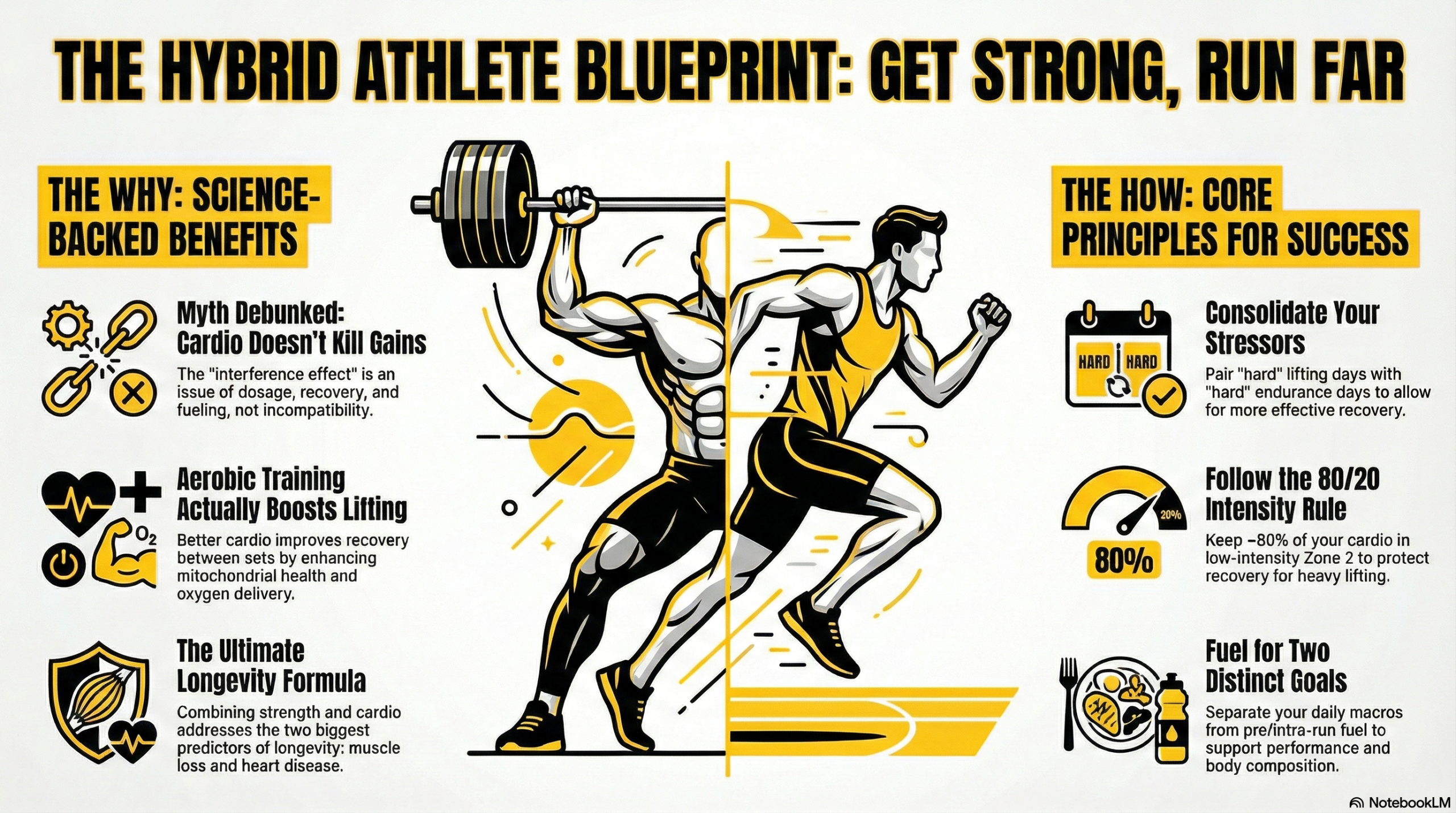
The best cardio workouts for athletes blend structure, variety, and recovery. Start by building a strong aerobic base with Zone 2 training at 65–75% of max heart rate. Add HIIT strategically 1–2 times per week to boost VO₂ max and anaerobic capacity. Cross-train with low-impact options like swimming and cycling to prevent overuse injuries and engage different muscle groups.
Track your progress using VO₂ max testing, heart rate monitoring, and training logs. Follow the FITT principle to gradually increase frequency, intensity, time, and type without triggering overtraining. Finally, combine cardio with strength training and mobility work to build a resilient, well-rounded athlete ready for long-term success.