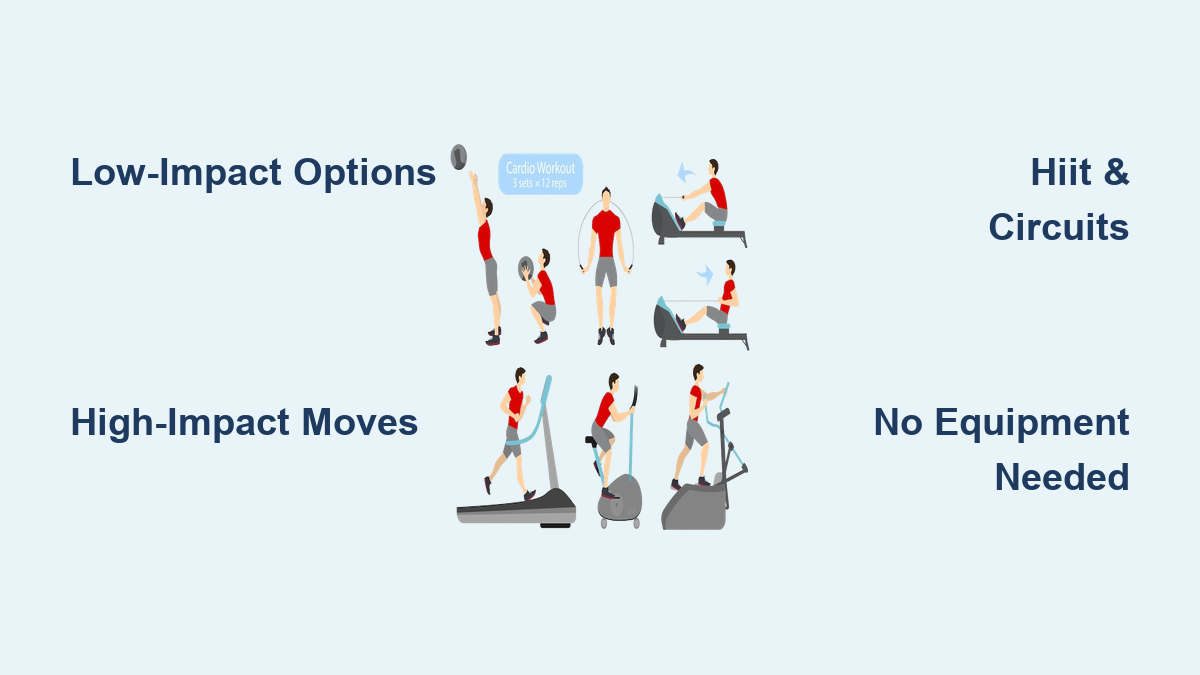
Different Types of Cardio Exercises
If you’ve ever felt stuck in a workout rut or wondered whether running is really the only way to get your heart pumping, you’re not alone. Different types of cardio exercises exist for every body, every goal, and every schedule. The right cardio can boost heart health, burn calories, lift your mood, and build endurance without leaving you bored or injured.
Cardiovascular exercise, often called “cardio” or aerobic exercise, refers to any rhythmic activity that raises your heart rate and keeps it elevated for a sustained period. The word “aerobic” literally means “with oxygen,” highlighting how these workouts train your body to use oxygen more efficiently. Over time, regular cardio strengthens your heart muscle, improves circulation, lowers blood pressure, and triggers the release of endorphins, serotonin, and dopamine to reduce stress and anxiety.
With so many different types of cardio exercises available, choosing the right one doesn’t have to feel overwhelming. From low-impact options like swimming and cycling to high-intensity moves like burpees and jump rope, this guide breaks down every major category, explains how they work, and helps you pick the best fit for your fitness level, joint health, and personal preferences.
Low-Impact Cardio Options

These exercises are gentle on your joints, making them ideal for beginners, older adults, or anyone managing injuries or arthritis. They still deliver powerful cardiovascular benefits without excessive strain.
Brisk Walking
Walking is the most accessible form of cardio, requiring no equipment, no cost, and minimal injury risk. Brisk walking at about 3 to 4 mph elevates your heart rate enough to count toward weekly cardio goals. Outdoor walking in nature offers excellent mental benefits alongside physical gains.
Pro tip: Boost intensity by walking uphill, adding arm swings, or wearing ankle or wrist weights.
Incline Walking
Walking on a slope, whether on a treadmill or outdoor hill, increases calorie burn and leg strength without added joint impact. This move targets your glutes, quads, and hamstrings while improving knee mobility, which is why physical therapists often recommend it for knee rehabilitation.
Visual cue: Try a 5 to 10 percent incline on a treadmill for a challenging yet sustainable workout.
Cycling
Whether indoors on a stationary bike or outdoors on the road, cycling builds lower-body endurance and improves cardiovascular function with minimal joint stress. Outdoor cycling adds variety and Vitamin D from sunlight exposure.
Safety note: Always wear a helmet outside and ensure proper bike fit to prevent knee or back pain.
Swimming
A full-body, zero-impact workout, swimming engages your arms, legs, and core while protecting your joints. The water’s natural resistance increases muscular effort without strain, making it perfect for people with arthritis, obesity, or chronic pain.
Time goal: Aim for 30 minutes, three times per week, for measurable heart health improvements.
Elliptical Training
The elliptical mimics running motion without footstrike impact, reducing injury risk. With moving handles, it also works your upper body for a balanced cardio session. It’s a top gym choice for people who want higher intensity than walking without the impact of running.
Ideal for: Anyone recovering from injury or seeking joint-safe calorie burn.
Rowing
Using a rowing machine or actual boat, this low-impact exercise activates roughly 85 percent of your muscles, including legs, back, arms, and core. It builds endurance, strengthens posture, and efficiently raises heart rate.
Form tip: Push with your legs first, then lean back slightly, and finally pull the handle. Reverse the sequence to return.
High-Impact Cardio Exercises
These activities involve both feet leaving the ground or explosive movements, delivering high calorie burn and bone-strengthening benefits. They work best for healthy individuals without joint issues.
Running
Running is one of the most effective ways to improve cardiovascular fitness and mental health. It strengthens leg muscles, increases lung capacity, and burns calories quickly. Outdoor running adds mental refreshment through nature and sunlight.
Common mistake: Overstriding increases injury risk. Focus on short, quick steps instead.
Jump Rope
Ten minutes of jump rope can match the cardiovascular benefit of 30 minutes of steady jogging. It improves coordination, agility, and foot speed. You can do it anywhere with a $10 rope or simulate it without one using air jump rope movements.
Beginner hack: Start with 30 seconds on, 30 seconds off, repeating for 5 to 10 minutes.
Jumping Jacks
A classic bodyweight move that rapidly elevates heart rate. Jump your feet apart while raising arms overhead, then return to start. Modify by stepping instead of jumping if needed.
Intensity control: Adjust speed and range of motion to change difficulty.
Burpees
This full-body powerhouse combines squat, plank, push-up, and jump into one explosive movement. It trains strength and stamina simultaneously, making it a staple in HIIT routines.
Easier version: Skip the push-up and jump, and just stand up at the end.
Squat Jumps
An explosive version of the air squat. Lower into a squat, then jump upward, landing softly and immediately descending again. This move targets glutes, quads, and calves.
Warning: Avoid if you have knee instability. Master regular squats first.
Screamer Lunges
Also called jumping lunges, this dynamic move involves switching legs mid-air. It builds unilateral leg strength and challenges balance and heart rate.
Pro tip: Land softly with knees aligned over toes to protect your joints.
Stair Climbing
Climbing stairs, whether at home, in a building, or on a Stairmaster, builds glutes and quads while keeping your heart working hard. Taking two steps at a time increases difficulty.
Daily habit: Take the stairs instead of the elevator to add lifestyle cardio.
Strength-Integrated Cardio Workouts
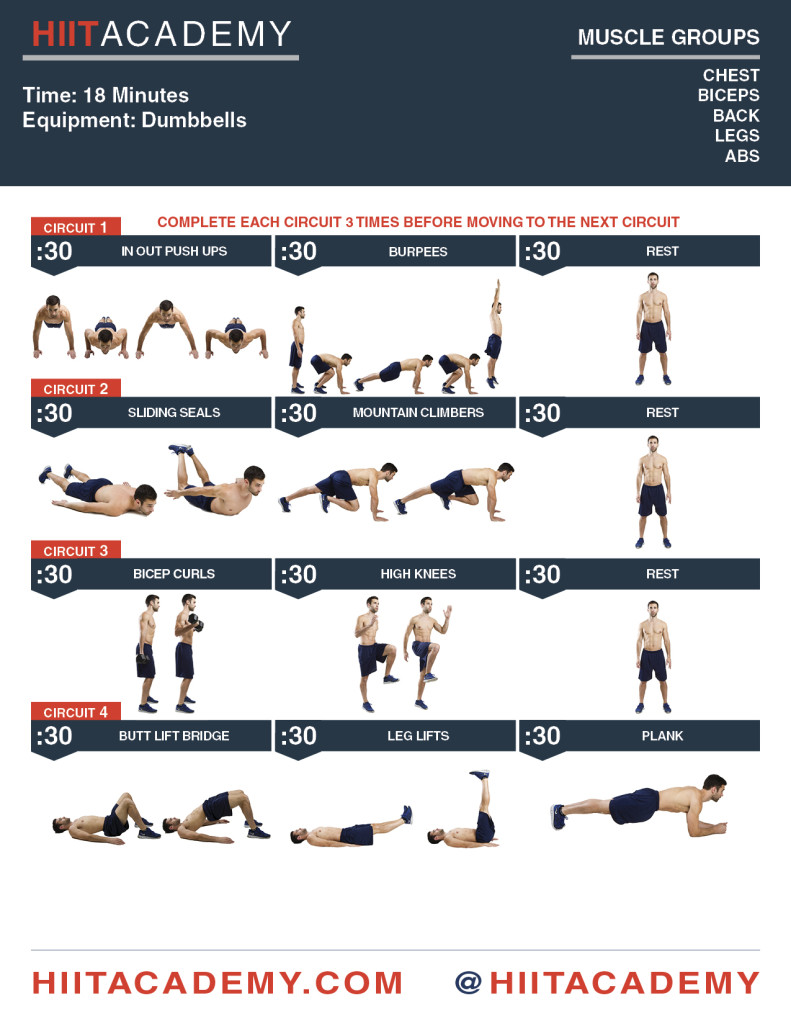
These combine muscle building with heart-pumping action, maximizing calorie burn and functional fitness.
HIIT (High-Intensity Interval Training)
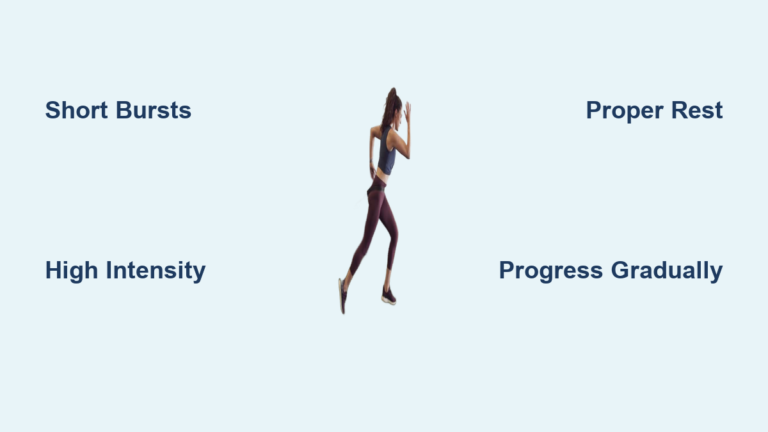
HIIT alternates short bursts of max-effort exercise with recovery periods. A typical protocol is 30 seconds sprinting followed by 30 seconds walking, repeated 10 times. A 15-minute HIIT session can deliver benefits equal to an hour of steady cardio.
Popular protocol: The “4×4” method involves 4 minutes hard effort, 3 minutes rest, repeated four times.
Best for: Time-crunched individuals seeking fast results.
Circuit Training
Similar to HIIT but less intense, circuit training rotates through 5 to 8 exercises with minimal rest. An example sequence is squats, push-ups, jumping jacks, plank, and rowing, then repeat.
Duration: 20 to 30 minutes, 2 to 3 times per week.
Bodyweight Circuits
Use only your body weight for a portable, equipment-free workout. A sample circuit includes:
– 30 seconds jumping jacks
– 15 air squats
– 10 push-ups (knees or toes)
– 20-second plank
Repeat 3 rounds with 30 seconds rest between rounds.
Perfect for: Home workouts or travel.
Mountain Climbers
Performed in a plank position, drive your knees toward your chest alternately in a fast, running-like motion. This move keeps your core engaged and heart rate high.
Form cue: Keep hips level and avoid hiking your buttocks upward.
Bear Crawls
Crawl forward on hands and feet with hips low and core tight. This move engages shoulders, core, and legs while improving coordination and mobility.
Try it: Go 20 feet forward, then back.
Battle Ropes
Wave thick, anchored ropes up and down or side to side. This exercise builds upper-body power, grip strength, and endurance.
Gym favorite: Often used as a finisher for intense calorie burn.
Kickboxing and Boxing
Punches, kicks, and footwork combine to create a dynamic, stress-relieving cardio workout. One 30-minute session can burn approximately 400 calories.
Bonus: Enhances reflexes, focus, and confidence.
Kettlebell Swings
Swing a kettlebell from between your legs to shoulder height using hip thrust, not arms. This full-body movement boosts heart rate and builds posterior chain strength.
Key: Hinge at your hips rather than squatting.
Recreational and Lifestyle Cardio
Turn everyday activities into fitness opportunities. These make exercise feel less like a chore and more like fun.
Organized Sports
Join adult leagues for soccer, basketball, or flag football. The constant movement, sprints, and direction changes provide excellent cardio along with social connection.
Why it works: You forget you’re exercising because you’re having fun.
Hiking
Hiking combines cardio with mental restoration. Uphill trails increase intensity while natural scenery reduces stress.
Gear tip: Wear supportive shoes and bring water.
Trampoline Jumping
Rebounding on a mini or full-size trampoline is low-impact and effective. Bounce in place or jog lightly on the surface.
Fun factor: High, especially for families.
Hula-Hooping
Swinging a weighted hoop around your waist engages core muscles and raises heart rate. Adult-sized hoops are heavier and easier to keep spinning.
Duration: 20 to 30 minutes for solid cardio benefit.
Power Walking
Faster than normal walking (4+ mph) but slower than jogging. Great for building stamina before progressing to running.
Use it: As a warm-up, cooldown, or standalone workout.
Marching in Place
Lift your knees high while marching. Add arm pumps to increase intensity. Ideal for short breaks during work.
Time saver: Do 5-minute intervals every few hours.
Arm Circles and Snow Angels
While not intense alone, extended arm circles while standing or supine snow angels while lying down can elevate heart rate when combined with leg movement or done continuously.
Pair with: Marching or squats for full-body effect.
How to Choose the Right Cardio for You
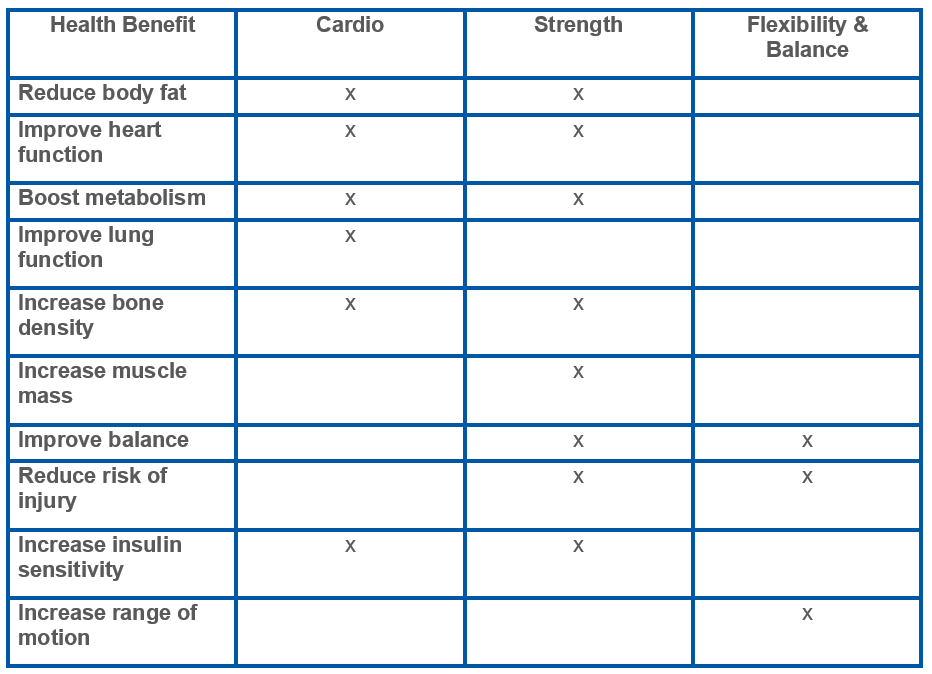
Not all cardio suits everyone. Your choice should depend on fitness level, goals, joint health, and enjoyment.
Match to Fitness Level
- Beginner: Start with walking, cycling, or swimming. Build to 10-minute sessions, 3 to 5 days per week.
- Intermediate: Add power walking, elliptical, or beginner circuits.
- Advanced: Incorporate HIIT, running, or strength-integrated cardio.
Consider Joint Health
- Knee or hip pain? Choose swimming, cycling, or elliptical.
- Back issues? Avoid high-impact jumps and opt for rowing or walking.
- Recovering from injury? Use water-based exercise or incline walking.
Maximize Time Efficiency
- 10 minutes or less? Jump rope, HIIT, or bodyweight circuits.
- 30+ minutes? Running, cycling, or long hikes.
Boost Enjoyment
You’re more likely to stick with cardio you enjoy. Try:
– Dancing to music at home
– Joining a Zumba class
– Playing pickup basketball
– Nature walks with a podcast
Fact: Enjoyment is the strongest predictor of long-term adherence.
Weekly Cardio Routine Guide

Follow this balanced plan to avoid burnout and maximize results.
Sample Weekly Schedule
| Day | Activity | Duration | Intensity |
|---|---|---|---|
| Monday | Brisk walk + bodyweight circuit | 30 min | Moderate |
| Tuesday | HIIT (jump rope, squats, burpees) | 15 min | Vigorous |
| Wednesday | Rest or light stretch/yoga | — | Low |
| Thursday | Cycling or swimming | 40 min | Moderate |
| Friday | Strength-integrated circuit | 25 min | Moderate-Vigorous |
| Saturday | Hike or dance class | 60 min | Moderate |
| Sunday | Recovery walk or rest | 20 min | Light |
Note: Adjust based on your energy and schedule. Consistency matters more than perfection.
Safety Tips and Injury Prevention
Even safe exercises can cause harm if done incorrectly.
Warm Up and Cool Down
- Warm-up: 5 to 10 minutes of light movement like marching or arm circles.
- Cool-down: 5 minutes of slow walking plus stretching.
Why: Prevents dizziness and muscle soreness.
Wear Proper Footwear
Supportive shoes reduce risk of shin splints, plantar fasciitis, and joint pain. Replace running shoes every 300 to 500 miles.
Stay Hydrated
Drink water before, during, and after workouts, especially in heat.
Listen to Your Body
Stop immediately if you feel:
– Sharp pain
– Chest discomfort lasting over 10 minutes
– Dizziness or nausea
Serious sign: Chest pain with shortness of breath requires emergency services.
Maintain Good Form
- Squats: Knees track over toes and don’t cave inward.
- Planks: Keep body straight with no sagging hips.
- Running: Land midfoot rather than on heels.
No Equipment? No Problem.
Many effective cardio exercises require zero gear.
Equipment-Free Moves
- Walking, jogging, hiking
- Jumping jacks, burpees, mountain climbers
- High knees, butt kicks, skaters
- Dancing, stair climbing, marching
Best for: Apartments, travel, or tight budgets.
Minimal Gear with Big Impact
- Jump rope: $10 and fits in a bag
- Resistance bands: Portable and great for circuits
- Kettlebell: One tool with endless workout possibilities
- Hula hoop: Fun and core-focused cardio
Frequently Asked Questions About Different Types of Cardio Exercises
What is the best cardio exercise for beginners?
Walking is the most beginner-friendly cardio exercise. It requires no equipment, costs nothing, and poses minimal injury risk. Start with 10-minute sessions and gradually build to 30 minutes most days of the week.
How many minutes of cardio should I do per week?
Adults should aim for 150 to 300 minutes of moderate-intensity cardio or 75 to 150 minutes of vigorous-intensity cardio per week. You can also combine both types in equivalent amounts.
Can I do cardio every day?
Yes, you can do cardio daily, especially with low-impact activities like walking or cycling. However, include at least one or two rest or recovery days per week to prevent overuse injuries and burnout.
What cardio burns the most calories?
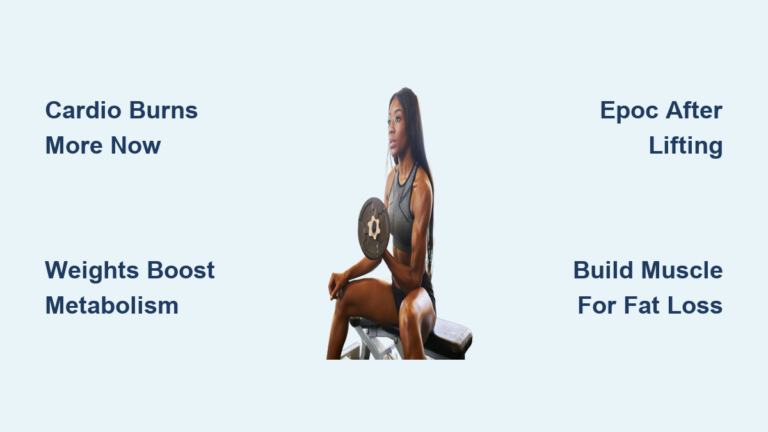
High-intensity exercises like running, jump rope, and HIIT burn the most calories per minute. However, the best cardio for calorie burn is one you can sustain consistently over time.
Is low-impact cardio effective for weight loss?
Absolutely. Low-impact exercises like swimming, cycling, and elliptical training can burn significant calories while being easier on your joints. Consistency and intensity matter more than impact level.
Should I do cardio before or after strength training?
If your goal is endurance, do cardio after strength training. If your goal is overall fitness, either order works. Just allow adequate recovery between intense sessions.
Key Takeaways: Make Cardio Work for Your Life
Different types of cardio exercises exist for a reason, and one size definitely does not fit all. The best cardio is the one you’ll actually do consistently. Whether it’s a peaceful swim, a fiery HIIT session, or dancing in your living room, the goal is to move your body and elevate your heart rate regularly.
Important points to remember:
– Aim for 150 minutes of moderate or 75 minutes of vigorous cardio weekly
– Mix low-impact and high-intensity workouts to prevent injury and boredom
– Enjoyment drives consistency, so choose activities you love
– It’s never too late to start, as heart benefits appear even when beginning in middle age
Start where you are. Walk if you can’t run. March if you can’t jump. The most important step is the first one. Your heart and your mind will thank you for it.