Cardio Metabolic Diseases: Guide & Prevention
Nearly one-third of all deaths worldwide stem from a cluster of conditions most people never see coming. Cardiometabolic diseases silently damage hearts, blood vessels, kidneys, and livers for years before a heart attack, stroke, or diabetes diagnosis forces urgent care. With 80% of people with prediabetes and 9 in 10 with kidney damage completely unaware of their condition, these illnesses have earned their reputation as invisible killers.
This guide explains what cardiometabolic diseases are, who is most at risk, which tests actually catch them early, and the specific lifestyle changes that can halt or even reverse their progression. Whether you have risk factors or simply want to protect your long-term health, the information below can help you take action before damage becomes irreversible.
What Cardiometabolic Disease Actually Includes

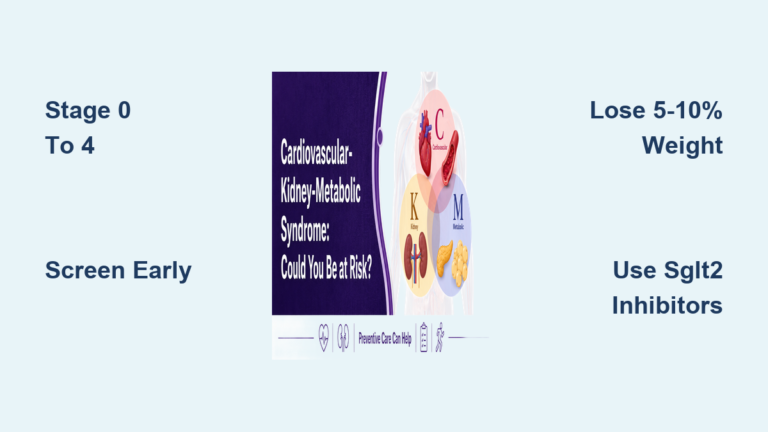
Cardiometabolic disease is not one illness. It is a network of interconnected conditions that worsen each other through shared metabolic dysfunction. Understanding the components helps clarify why treating one condition often improves others.
Heart and Vascular Disease
Cardiovascular disease kills 9 million people annually and includes heart attacks, strokes, hypertension, and atherosclerosis. High blood pressure and abnormal cholesterol damage arterial walls, while insulin resistance and chronic inflammation accelerate plaque buildup. Atherosclerosis can narrow arteries silently for decades before causing a sudden, life-threatening event.
Type 2 Diabetes and Prediabetes
Diabetes develops when cells resist insulin or the pancreas cannot produce enough. 537 million adults live with diabetes worldwide, and far more have prediabetes, a reversible stage with elevated blood sugar. Without intervention, prediabetes typically progresses to full diabetes within 5 to 10 years. Chronically high glucose damages blood vessels and nerves, raising risks for heart disease, kidney failure, and vision loss.
Chronic Kidney Disease
Kidney disease occurs when filtering ability declines over time, most often driven by diabetes and hypertension. Poor kidney function then worsens blood pressure control and increases cardiovascular strain. Despite its severity, 90% of affected individuals remain undiagnosed until late stages.
Fatty Liver Disease
Non-alcoholic fatty liver disease affects up to 1 in 4 adults and can progress to NASH, a serious form involving liver inflammation and scarring. Obesity, insulin resistance, and poor diet drive its development. Fatty liver disease independently raises cardiovascular risk and has become the fastest-growing cause of liver transplants.
Metabolic Syndrome: The Warning Stage Before Full Disease

Before cardiometabolic disease fully develops, most patients pass through metabolic syndrome, a cluster of risk factors signaling systemic metabolic dysfunction.
The Five Diagnostic Criteria
You qualify as having metabolic syndrome if three or more of these apply:
- Waist circumference over 40 inches in men or 35 inches in women
- Blood pressure at or above 130/85 mmHg (or taking medication)
- Fasting blood sugar at or above 100 mg/dL
- Triglycerides at or above 150 mg/dL
- HDL cholesterol below 40 mg/dL in men or 50 mg/dL in women
Having metabolic syndrome doubles your risk of heart disease and increases diabetes risk fivefold.
Who Develops Metabolic Syndrome
Risk climbs with age, though onset is shifting younger as childhood obesity rises. Other major contributors include abdominal obesity, sedentary behavior, diets high in processed foods and sugar, family history of diabetes or heart disease, smoking, and chronic stress. Only 6.8% of Americans currently meet criteria for optimal cardiometabolic health.
Why These Diseases Stay Hidden for Years
The greatest danger of cardiometabolic disease is its silence. Early stages cause no pain, no obvious warning signs, and no reason to seek medical help.
Subtle Early Clues
While often asymptomatic, some people notice:
- Persistent fatigue
- Unexplained weight gain
- Increased thirst or urination
- Swelling in legs or ankles
- Brain fog after meals
Many dismiss these as normal aging or stress. Combined with risk factors like obesity or family history, however, they warrant medical evaluation.
Acute Events Reveal Advanced Damage
By the time dramatic symptoms appear, organ damage is often significant. Heart attacks bring chest pain and shortness of breath. Strokes cause sudden weakness or speech difficulty. Advanced kidney failure leads to severe fluid retention and confusion. These emergencies are largely preventable with earlier screening.
The Tests That Actually Catch Cardiometabolic Disease Early
Diagnosis depends on laboratory testing, not symptoms. Waiting for signs means missing the window for prevention.
Essential Blood and Urine Tests
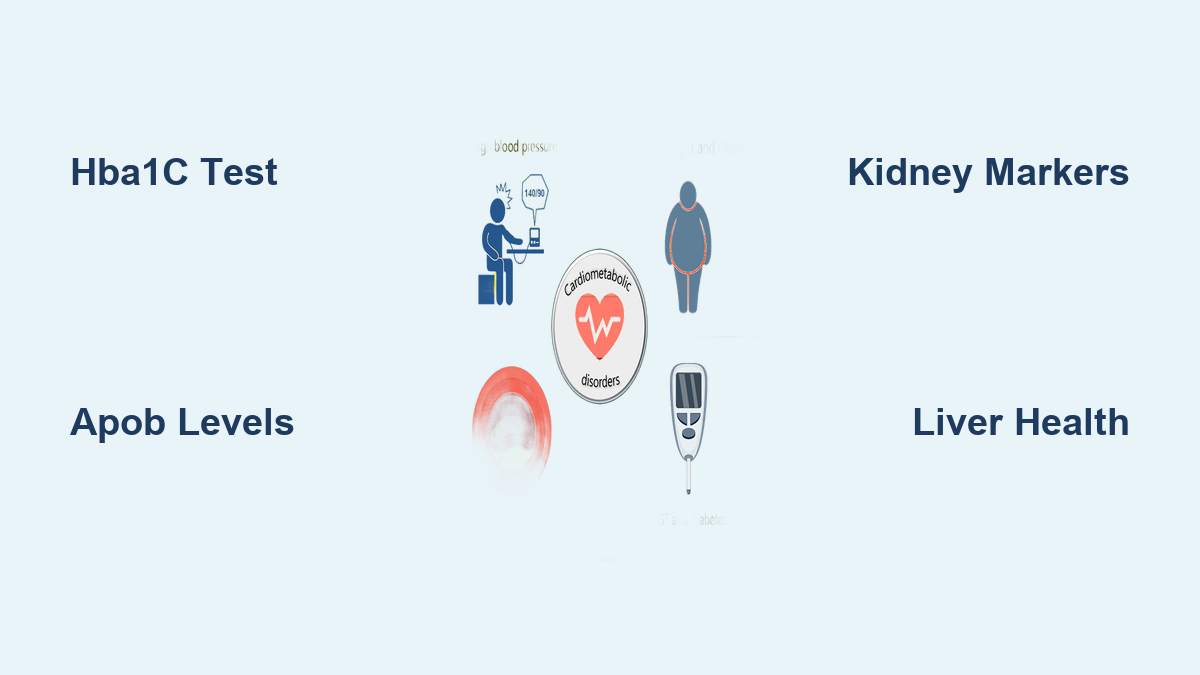
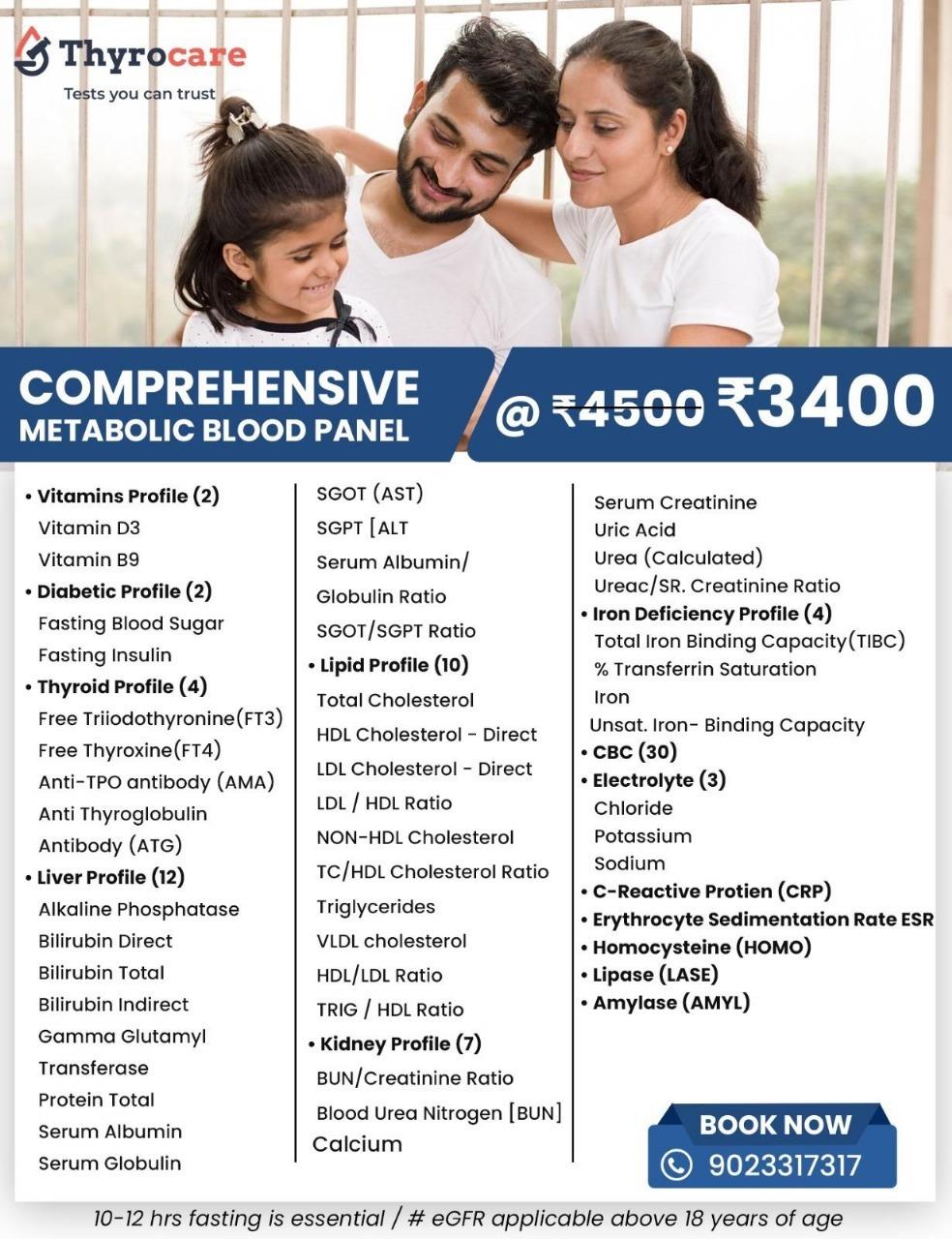
A thorough cardiometabolic assessment includes:
- HbA1c for average blood sugar over three months
- Fasting glucose for current blood sugar
- Lipid panel for cholesterol and triglycerides
- eGFR and uACR for kidney function and damage
- ALT, AST, and platelets for liver health
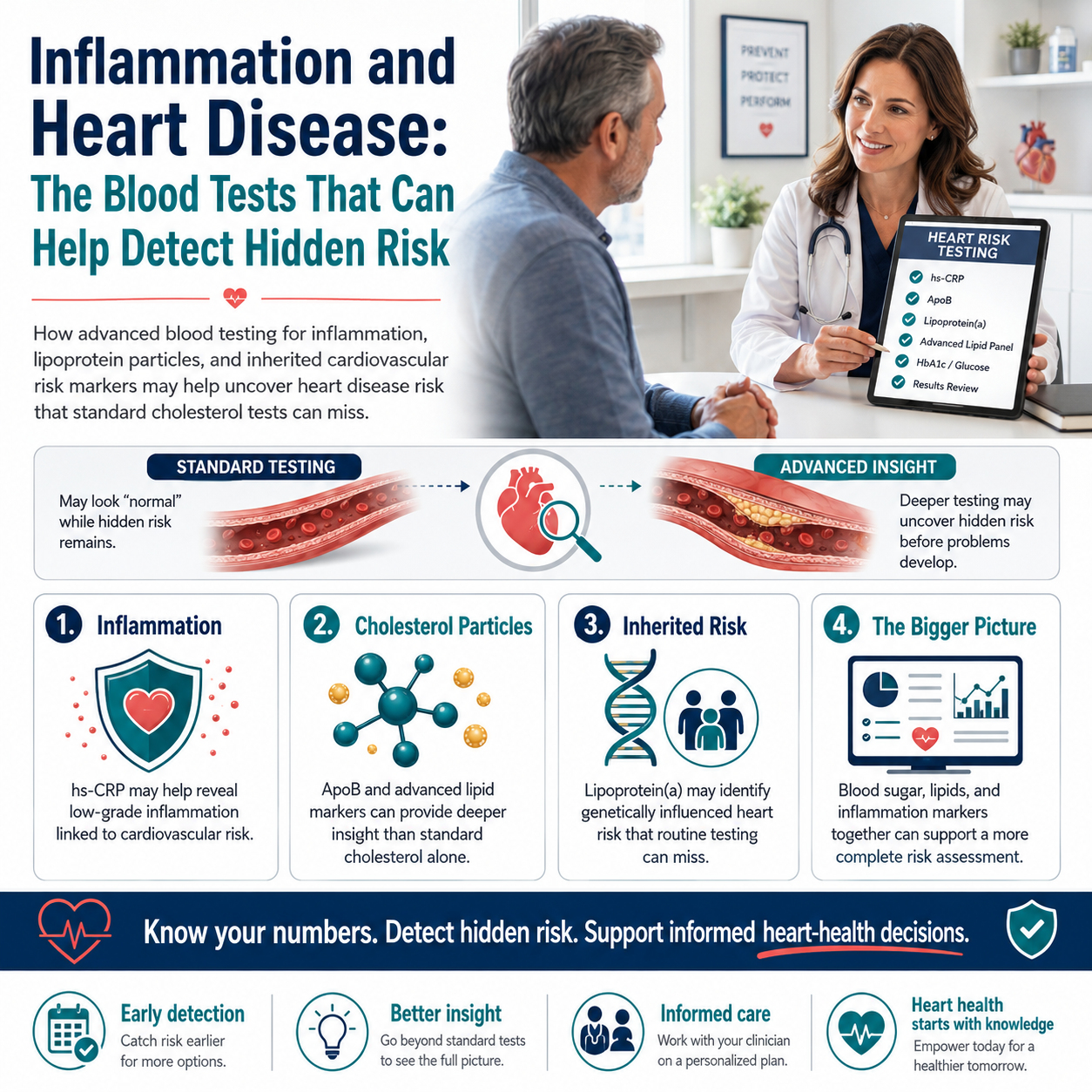
Standard cholesterol testing often misses important risk. Two people with identical LDL cholesterol can have vastly different heart attack risks based on particle number and size.
Advanced Biomarkers for Precision Risk
For people with family history or borderline results, additional markers provide clearer answers:
- ApoB or NMR LipoProfile measures actual particle number
- Lipoprotein(a) identifies a genetic cause of early heart disease
- TMAO reveals gut microbiome contributions to clotting
- Oxidized LDL signals direct arterial damage
- hs-CRP or GlycA measures systemic inflammation
- Adiponectin indicates insulin sensitivity (low levels raise risk)
Who Should Be Screened
Guidelines recommend testing for all adults over 40 (or 35 with risk factors), anyone with obesity or high blood pressure, and those with family history of heart disease, stroke, or diabetes. Despite these recommendations, only 13% of diabetic patients with hypertension receive guideline-recommended kidney testing.
The Root Causes Driving Cardiometabolic Disease
These conditions stem from complex interactions between biology and lifestyle. Identifying the root mechanisms reveals why prevention works.
Insulin Resistance as the Central Trigger
At the core of most cardiometabolic disease lies insulin resistance, a state where cells stop responding to insulin’s signal to absorb glucose. The pancreas compensates by producing more insulin, which over time damages blood vessels and promotes fat storage in the liver and abdomen. This single process drives type 2 diabetes, high triglycerides, hypertension, inflammation, and fatty liver simultaneously.
Chronic Inflammation and Oxidative Stress
Persistent low-grade inflammation damages tissues throughout the body. Markers like IL-6, TNF-alpha, hs-CRP, and GlycA indicate this inflammatory state. Inflammation links obesity directly to heart disease and diabetes, creating a self-reinforcing cycle.
Lipid Abnormalities Beyond Standard Cholesterol
While LDL matters, other lipid issues carry equal danger. Remnant cholesterol strongly predicts heart attacks in diabetics. Small, dense LDL particles penetrate artery walls more easily. Low HDL fails to remove cholesterol from arteries efficiently. Standard lipid panels miss these nuances, which is why advanced testing matters.
Genetic and Environmental Factors
Some risks are inherited, including familial hypercholesterolemia, elevated lipoprotein(a), and hormonal conditions like PCOS that drive insulin resistance. Genes are not destiny, however. Diet, activity, sleep, and stress determine whether these inherited risks actually activate.
Proven Prevention Strategies That Reverse Risk
The most powerful tools against cardiometabolic disease are lifestyle-based and effective at any age.
Build a Metabolic-Health Diet
Focus on whole, unprocessed foods:
- Vegetables, fruits, legumes, and whole grains
- Lean proteins like fish, poultry, and plant-based options
- Healthy fats from avocado, nuts, and olive oil
- Minimal added sugars, refined carbs, and processed meats
A Mediterranean-style eating pattern has strong evidence for reducing heart attacks and improving insulin sensitivity.
Move Your Body Every Day
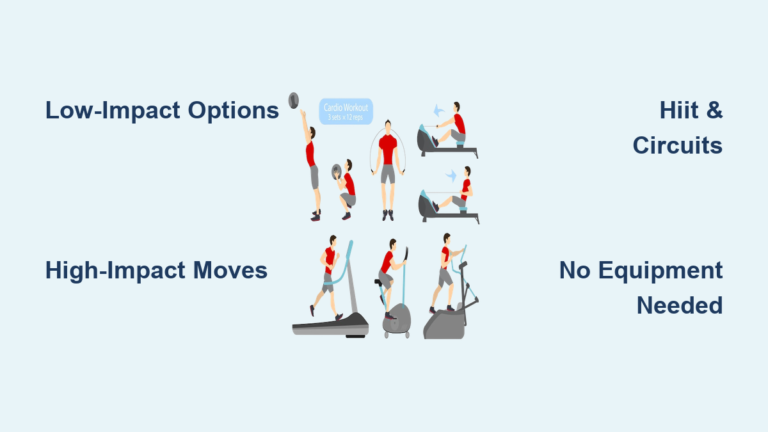
Aim for 150 minutes weekly of moderate aerobic activity such as brisk walking or cycling, plus strength training two to three times per week. Even 10-minute walks after meals can lower blood sugar spikes. Regular movement boosts insulin sensitivity more effectively than any medication.
Achieve Meaningful Weight Loss
Losing just 5 to 10% of body weight can normalize blood pressure, improve insulin response, reduce liver fat, and lower triglycerides. Focus specifically on reducing waist size, since visceral fat surrounding organs is the most metabolically harmful.
Prioritize Sleep and Stress Management
Sleep 7 to 9 hours nightly, as poor sleep disrupts hunger hormones and increases insulin resistance. Manage chronic stress through mindfulness, meditation, or therapy, since elevated cortisol promotes fat storage and inflammation.
Quit Smoking and Limit Alcohol
Smoking damages blood vessels and accelerates atherosclerosis. Excess alcohol contributes to fatty liver and elevated triglycerides. Eliminating these factors removes significant metabolic burden.
Medical Treatments When Lifestyle Needs Support
When lifestyle changes alone are insufficient, medications help control specific risk factors.
Standard Drug Approaches
Statins or PCSK9 inhibitors lower LDL and prevent heart events. ACE inhibitors or ARBs control blood pressure while protecting kidneys. Metformin or GLP-1 agonists improve insulin sensitivity and lower blood sugar. SGLT2 inhibitors, originally developed for diabetes, now demonstrate powerful heart and kidney protection.
Coordinated Care Across Specialties
Cardiometabolic disease requires teamwork. Primary care providers should screen and coordinate, while endocrinologists, cardiologists, and nephrologists manage advanced cases. Clinical decision support tools help interpret complex data and close care gaps. Patients benefit most when specialists communicate and treat the whole system rather than isolated organs.
Action Steps You Can Take Today
For Patients
- Ask your doctor directly: “Am I at risk for cardiometabolic disease?”
- Request comprehensive testing: Insist on HbA1c, ApoB, kidney markers (eGFR/uACR), and liver tests, not just basic cholesterol and glucose.
- Start lifestyle changes immediately: Act now if you have risk factors, even before test results arrive.
- Track your biomarkers over time through patient portals to spot trends.
- Follow up consistently on any diagnosis to prevent complications.
For Healthcare Providers
- Screen proactively for comorbidities in all high-risk patients.
- Use advanced biomarkers for patients with ambiguous standard results.
- Treat the whole patient, recognizing that improving glucose helps the heart and kidneys simultaneously.
- Leverage analytics platforms to identify missed screenings and coordinate care effectively.
Frequently Asked Questions About Cardiometabolic Disease
What is the difference between cardiovascular disease and cardiometabolic disease?
Cardiovascular disease affects only the heart and blood vessels. Cardiometabolic disease is a broader cluster that includes cardiovascular disease plus diabetes, chronic kidney disease, and fatty liver disease, all linked through shared metabolic dysfunction like insulin resistance.
Can cardiometabolic disease be reversed?
Yes, especially in early stages. Prediabetes can be reversed through weight loss, dietary changes, and exercise. Losing 5 to 10% of body weight significantly improves blood pressure, insulin sensitivity, and liver fat. Even established disease can be slowed or stabilized with early intervention.
How often should I get screened for cardiometabolic disease?
Adults over 40 (or 35 with risk factors) should have comprehensive screening every 1 to 3 years, depending on results and risk level. Those with existing conditions like prediabetes, obesity, or hypertension may need annual testing. Discuss frequency with your doctor based on your personal risk profile.
What is the most important test for detecting cardiometabolic risk early?
HbA1c is particularly valuable because it reveals average blood sugar over three months and catches prediabetes before it progresses. Combined with a full lipid panel (including ApoB), kidney markers (eGFR and uACR), and liver enzymes, it provides a comprehensive early-warning snapshot.
Why are so many people unaware they have cardiometabolic disease?
These conditions develop silently over years without pain or obvious symptoms. Standard physical exams often skip advanced screening. Additionally, many people avoid regular checkups or receive only basic testing that misses early metabolic dysfunction.
Is metabolic syndrome the same as cardiometabolic disease?
No. Metabolic syndrome is a warning stage characterized by a cluster of risk factors (abdominal obesity, high blood pressure, high blood sugar, high triglycerides, low HDL). Cardiometabolic disease refers to the actual diagnosed conditions that develop when these risk factors progress unchecked.
Key Takeaways for Protecting Yourself Against Cardiometabolic Disease
Cardiometabolic disease accounts for 31% of all global deaths, yet most cases develop silently for years before detection. The most important points to remember:
- Early detection saves lives. Comprehensive testing including HbA1c, ApoB, kidney markers, and liver enzymes catches disease before symptoms appear.
- Insulin resistance drives most cases. Improving insulin sensitivity through diet, exercise, and weight loss addresses multiple conditions simultaneously.
- Lifestyle changes are powerful medicine. Losing just 5 to 10% of body weight, exercising 150 minutes weekly, and eating whole foods can reverse prediabetes and reduce cardiovascular risk significantly.
Your next step: Schedule a conversation with your doctor this month. Ask specifically whether you should receive comprehensive cardiometabolic screening based on your age, weight, family history, and current health. If you have any risk factors, request advanced testing beyond standard cholesterol and glucose checks. Early action today can prevent a heart attack, stroke, or diabetes diagnosis tomorrow.