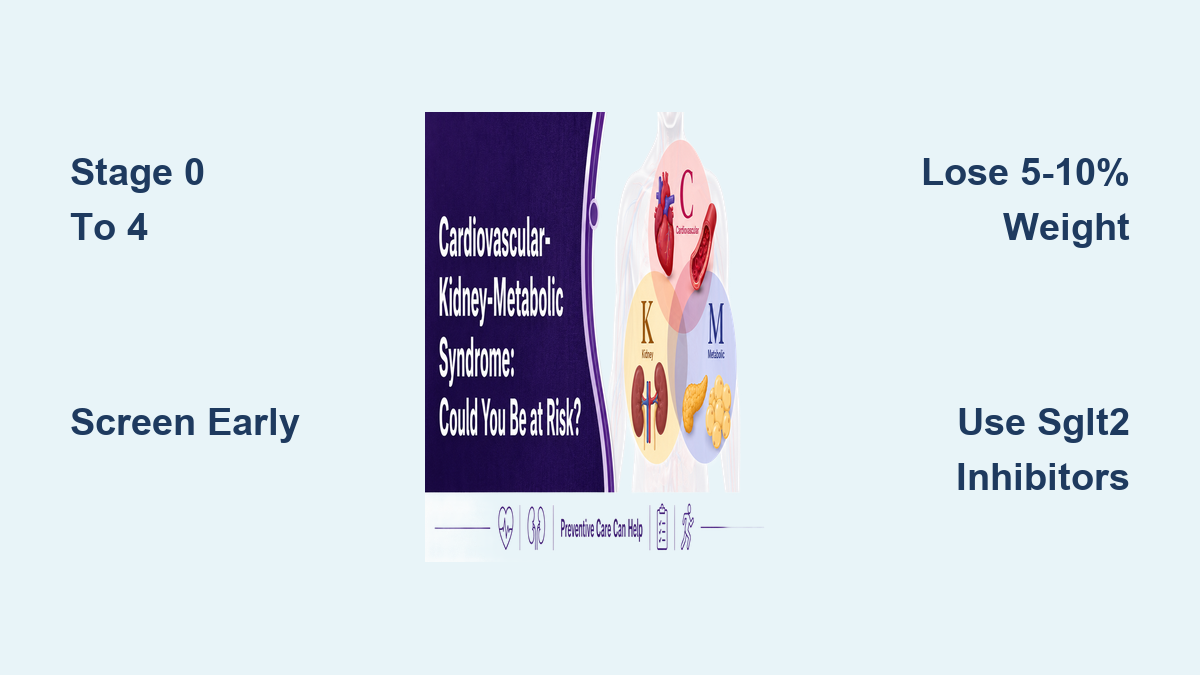
Cardio-Kidney-Metabolic Syndrome: A Guide
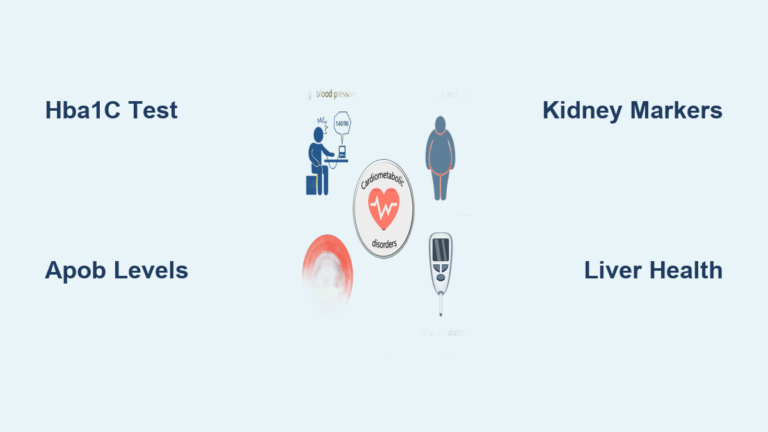
Nearly 90% of U.S. adults have some stage of cardio kidney metabolic syndrome (CKM), yet most have never heard the term. About one in three adults already sit in advanced stages with hidden heart or kidney damage brewing beneath the surface. The danger is real: CKM syndrome links obesity, heart disease, kidney dysfunction, and metabolic breakdown into a self-reinforcing cycle that accelerates organ damage with every passing year.
This guide breaks down the four-stage CKM classification system, identifies who faces the highest risk, explains exactly what to screen and when, and outlines evidence-based strategies to prevent progression. You will also learn how targeted medications and integrated care can protect your heart, kidneys, and metabolism at the same time.
Define Cardio Kidney Metabolic Syndrome
Core Pathophysiology Explained
CKM syndrome begins with dysfunctional adipose tissue, especially when fat piles up around the abdomen or inside organs like the liver, pancreas, heart, and kidneys. This excess fat acts like a hormonal organ gone rogue, releasing inflammatory signals and free fatty acids that disrupt normal function throughout the body.
The result is a trio of trouble: systemic insulin resistance, oxidative stress, and chronic low-grade inflammation. These processes drive metabolic risk factors such as high triglycerides, low HDL cholesterol, hypertension, prediabetes, and type 2 diabetes. Over time, they damage blood vessels and organs. Hypertension and high blood sugar are leading causes of chronic kidney disease (CKD), while insulin resistance fuels atherosclerosis and heart failure.
The relationships are bidirectional. CKD worsens hypertension and cardiovascular risk, and heart failure can impair kidney function. This creates a self-perpetuating cycle of multiorgan decline that traditional disease-specific care often misses.
Why It’s More Than Comorbidities
For decades, clinicians treated heart disease, kidney disease, and diabetes as separate problems. CKM syndrome reframes them as interconnected expressions of a single systemic disorder rooted in adipose dysfunction.
This shift matters for patients. Managing one condition effectively can slow or prevent the others. Losing weight may improve insulin sensitivity, lower blood pressure, slow kidney damage, and reduce heart failure risk all at once. Recognizing CKM syndrome moves care from fragmented specialty visits toward integrated, preventive strategies that target root causes.
CKM Staging System: 0 to 4
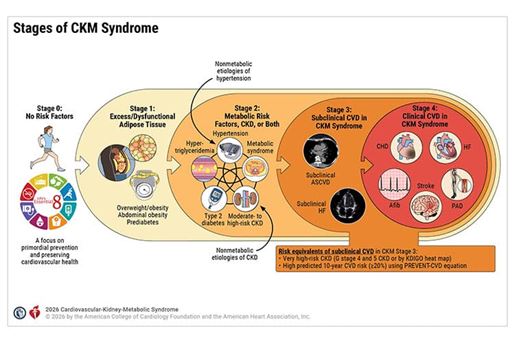
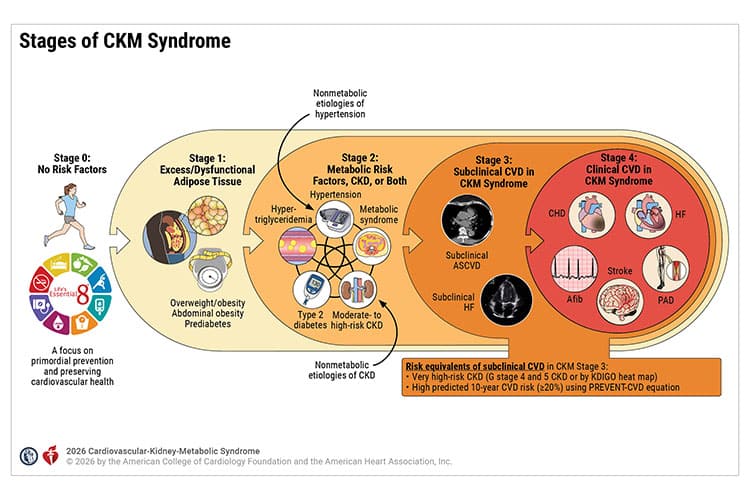
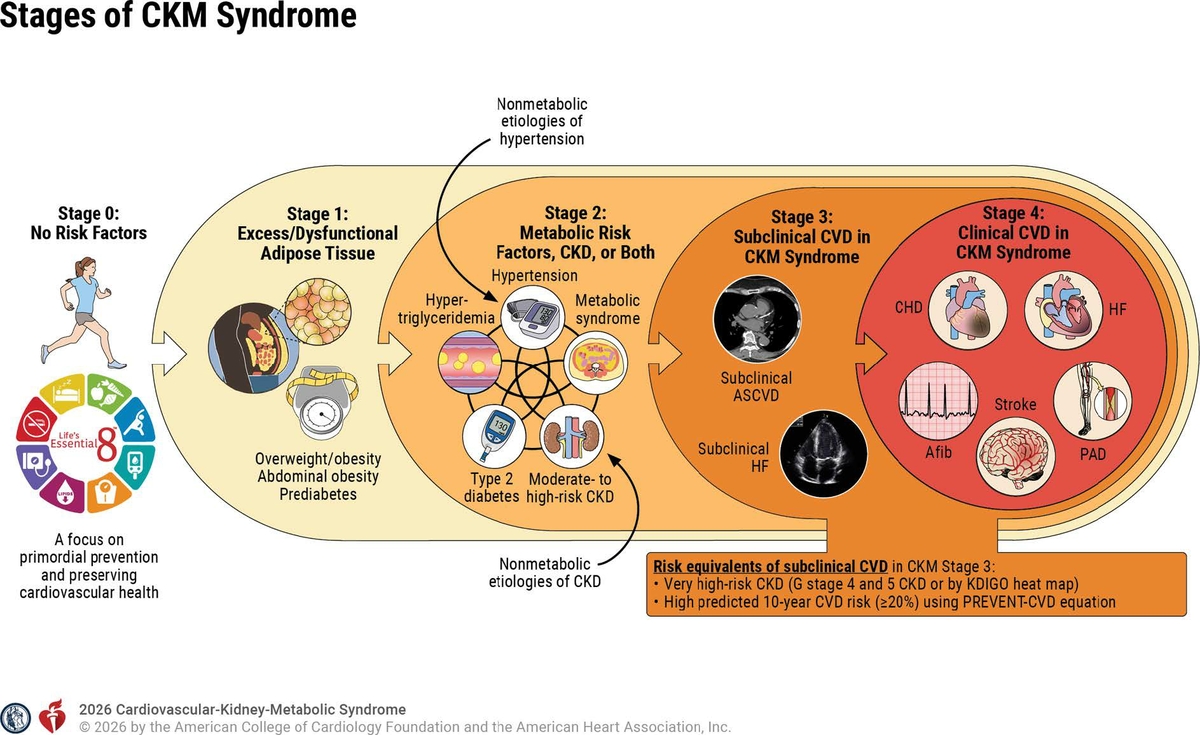
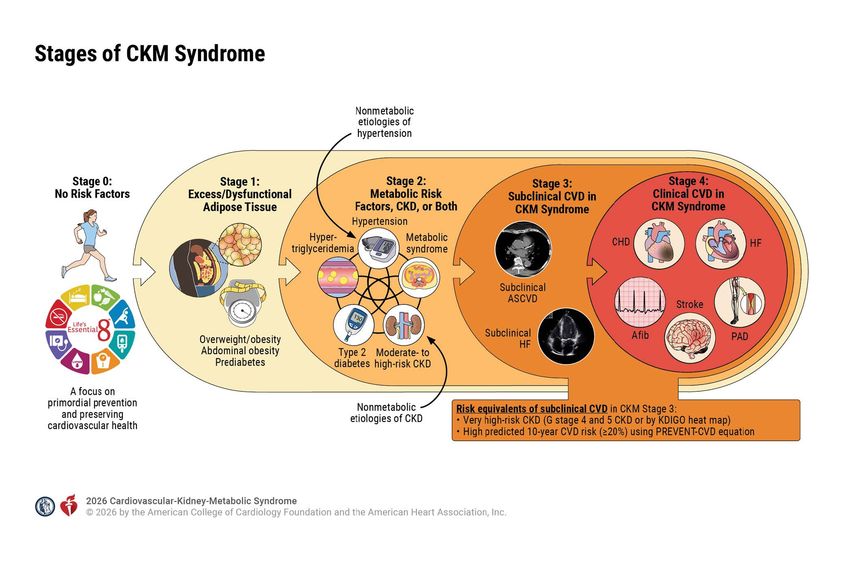
The American Heart Association (AHA) and American College of Cardiology (ACC) developed a four-stage model to catch risk before symptoms appear and tailor prevention accordingly.
Stage 0: No Risk Factors
Stage 0 represents ideal cardiovascular health. Individuals have:
- Normal BMI and waist circumference
- Blood pressure below 120/80 mmHg
- Fasting glucose below 100 mg/dL and HbA1c below 5.7%
- Triglycerides below 150 mg/dL, HDL above 50 mg/dL (women) or 40 mg/dL (men)
- No albuminuria or reduced eGFR
- No subclinical or clinical CVD
This stage is most common in youth but becomes rare with age. The goal is primordial prevention: maintaining health through lifelong habits like balanced nutrition, regular physical activity, and avoiding tobacco.
Stage 1: Adiposity Without Metabolic Issues
Stage 1 marks the onset of excess or dysfunctional fat without full metabolic syndrome. Criteria include:
- BMI ≥25 kg/m² (≥23 for Asian ancestry)
- Waist circumference ≥88 cm (women) or ≥102 cm (men), with lower thresholds for Asian populations
- Prediabetes: fasting glucose 100–124 mg/dL or HbA1c 5.7%–6.4%
People with normal BMI but high waist circumference or prediabetes (sometimes called “metabolically obese normal weight”) qualify for Stage 1. Women with a history of gestational diabetes also fall here and need close monitoring postpartum.
At this stage, lifestyle intervention can reverse progression. A weight loss of 5–10% significantly improves insulin sensitivity and may return the individual to Stage 0.
Stage 2: Metabolic and Kidney Risks Emerge
Stage 2 includes metabolic risk factors, CKD, or both. Diagnostic criteria:
- Metabolic factors: Type 2 diabetes, hypertension (≥130/80 mmHg), hypertriglyceridemia (≥135 mg/dL), or metabolic syndrome
- Kidney disease: Persistent albuminuria (UACR ≥30 mg/g) or eGFR <60 mL/min/1.73m² for ≥3 months
Metabolic syndrome requires three of five criteria: elevated waist circumference, low HDL, high triglycerides, high blood pressure, or high fasting glucose.
This stage signals active organ stress. Intervention focuses on aggressive control of blood sugar, blood pressure, and lipids to prevent subclinical cardiovascular damage.
Stage 3: Subclinical Cardiovascular Disease
Stage 3 identifies people with objective evidence of organ damage despite lacking symptoms. It includes:
- Subclinical atherosclerosis: Coronary Artery Calcium (CAC) score >0 on CT scan, nonobstructive CAD on angiography, or subclinical peripheral artery disease
- Subclinical heart failure: Elevated NT-proBNP (≥125 pg/mL) or high-sensitivity troponin levels
- Risk equivalents: Very high-risk CKD (Stage G4/G5) or predicted 10-year CVD risk >20% via the PREVENT™ equation
Although patients feel well, their risk of heart attack, stroke, or death is significantly elevated. Treatments like statins, SGLT2 inhibitors, or GLP-1 receptor agonists offer the greatest benefit here because baseline risk is high.
Stage 4: Clinical Cardiovascular Disease
Stage 4 involves diagnosed cardiovascular conditions within the CKM context:
- 4a: CVD without kidney failure (coronary artery disease, stroke, atrial fibrillation, heart failure)
- 4b: CVD with kidney failure (eGFR <15 or dialysis)
Heart failure with preserved ejection fraction (HFpEF) is disproportionately common in obese, inactive individuals. Management requires interdisciplinary care, as treatments for heart, kidney, and metabolic conditions must be coordinated, especially in advanced kidney disease where drug dosing differs.
Who’s at Higher Risk?
Demographic and Genetic Vulnerabilities
Certain populations face disproportionate risk:
- Black adults: Higher rates of advanced CKM due to systemic inequities in healthcare access, food security, and environmental stressors
- South Asian ancestry: Greater susceptibility to visceral adiposity and insulin resistance even at lower BMIs
- Men: More likely than women to progress to advanced stages
- Lower socioeconomic status: Strongly linked to obesity, poor diet, and limited healthcare access
Sex-Specific Risk Enhancers
Women face unique CKM risks:
- Gestational diabetes: Increases lifelong risk of type 2 diabetes and CVD
- Hypertensive disorders of pregnancy (preeclampsia): Double future CVD risk
- Premature menopause (<40 years): Associated with earlier onset of metabolic and cardiovascular disease
- Polycystic ovary syndrome (PCOS): Linked to insulin resistance and obesity
Men should know that erectile dysfunction can be an early sign of vascular dysfunction and subclinical CVD.
Other Risk-Enhancing Factors
Additional contributors include:
- Chronic inflammation: Psoriasis, lupus, rheumatoid arthritis
- Obstructive sleep apnea: Drives hypertension and insulin resistance
- Mental health: Depression and anxiety increase CVD risk
- Biomarkers: hs-CRP ≥2.0 mg/L indicates systemic inflammation
- Family history: First-degree relatives with kidney failure or diabetes
Screening: When and What to Test
Early detection saves lives. Screening should begin in childhood and continue annually in adulthood, especially for high-risk groups.
Pediatric Screening (<21 Years)
Start early to prevent lifelong disease:
- BMI: Annually using CDC growth charts
- Blood pressure: Yearly (every visit if overweight or diabetic)
- Lipid panel: Once at ages 9–11 and again at 17–21; earlier if family history of early heart disease
- Glucose and ALT: Every 2–3 years for children with overweight or obesity, starting at ages 9–11
- SDOH assessment: Annually for food or housing insecurity, safety, and mental health
Adult Screening (≥21 Years)
| Parameter | Frequency |
|---|---|
| BMI and waist circumference | Annually |
| BP, lipids, glucose | Every 3–5 years (Stage 0); every 1–2 years (Stage 1–2) |
| UACR and eGFR | Annually for Stage 2+ |
| FIB-4 (liver fibrosis) | Every 1–2 years if diabetes, prediabetes, or ≥2 metabolic risks |
| CAC scoring | Consider for intermediate-risk adults to guide statin use |
UACR and eGFR are both required for accurate kidney staging per KDIGO guidelines. Use non-fasting HbA1c for glucose screening.
Subclinical CVD Detection
- CAC scoring: Non-contrast CT scan; a score >0 indicates plaque buildup
- NT-proBNP: ≥125 pg/mL suggests subclinical heart strain
- High-sensitivity troponin: Elevated levels (T: ≥14 women, ≥22 men; I: ≥10 women, ≥12 men) indicate myocardial injury
- Echocardiography: Detects structural changes like left ventricular hypertrophy or diastolic dysfunction
Social Determinants of Health Matter
SDOH are powerful drivers of CKM progression. Without addressing them, even the best medical treatments often fail.
Key Domains to Screen
- Food insecurity
- Housing instability
- Transportation access
- Financial strain
- Educational level
- Personal safety and trauma history
- Mental health (depression, isolation)
Validated Screening Tools
- Health Leads: Covers food, housing, utilities, transport, safety
- CMS Accountable Health Communities: Core domains plus mental health and employment
- AAFP EveryONE Project: Integrates SDOH into primary care workflows
- PRAPARE: Includes refugee status and incarceration history
- Safe Environment for Every Kid (SEEK): Pediatric-focused tool
Clinicians should embed SDOH screening into routine visits and connect patients with community resources such as food banks, housing assistance, or transportation programs to improve adherence and outcomes.
Lifestyle: The Foundation of Reversal
Lifestyle changes are the most effective way to halt or reverse early CKM stages.
Weight Loss and Adiposity Reduction
Even 5–10% weight loss improves insulin sensitivity, lowers blood pressure, reduces liver fat, and decreases albuminuria. Focus on sustainable habits rather than extreme diets.
Nutrition That Works
- Mediterranean or DASH diet: Rich in vegetables, fruits, whole grains, legumes, nuts, and fish
- Limit: Ultra-processed foods, added sugars, red meat, saturated fats
- Hydration: Prioritize water and avoid sugary drinks
Physical Activity Goals
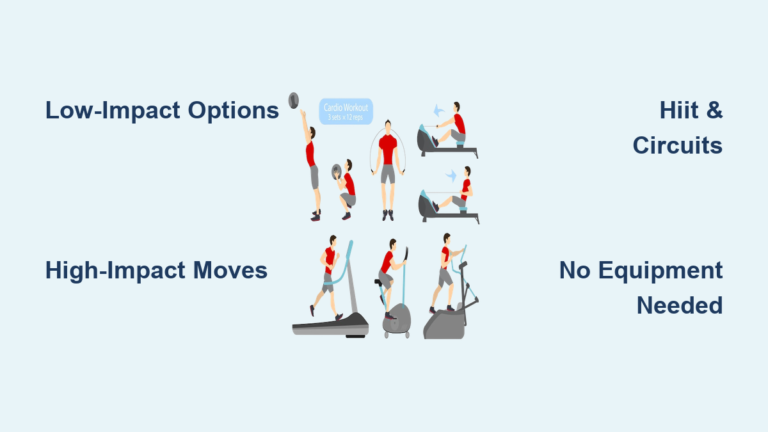
- Aim for 150 minutes per week of moderate-intensity exercise such as brisk walking or cycling
- Include resistance training 2–3 times per week
- Reduce sedentary time by breaking up sitting every 30–60 minutes
Exercise improves insulin sensitivity, reduces visceral fat, lowers blood pressure, and enhances cardiac and kidney function.
Medications with Multi-Organ Benefits

Pharmacotherapy should prioritize drugs that protect the heart, kidneys, and metabolism simultaneously.
SGLT2 Inhibitors: Heart and Kidney Protection
- Drugs: Empagliflozin, dapagliflozin, canagliflozin
- Best for: Patients with CKD, heart failure, or high HF risk
- Benefits:
- Reduces HF hospitalizations by 30%
- Slows CKD progression
- Promotes weight loss and mild BP reduction
- Side effects: Genital mycotic infections, volume depletion
Use regardless of diabetes status in high-risk CKM patients.
GLP-1 Receptor Agonists: Weight and CV Risk Control
- Drugs: Semaglutide, liraglutide, tirzepatide
- Best for: Severe obesity (BMI ≥35), uncontrolled diabetes, high ASCVD risk
- Benefits:
- Weight loss up to 15–20%
- Reduces MACE (heart attack, stroke, CV death)
- Improves glycemic control
- Side effects: Nausea, vomiting, rare pancreatitis
Tirzepatide (a dual GIP/GLP-1 agonist) shows even greater weight loss potential.
Combination Therapy: SGLT2i + GLP-1 RA
For patients with multiple CKM risk factors and high CVD risk, combining both classes offers additive benefits for weight, glucose, heart, and kidney protection.
RAAS Inhibitors: Standard of Care for Kidney Protection
- ACE inhibitors or ARBs: First-line for albuminuria or CKD
- Reduce proteinuria and slow eGFR decline
- Provide cardiovascular benefit
- Caution: Monitor potassium and creatinine
Finerenone: New Option for Diabetic Kidney Disease
This non-steroidal MRA reduces CKD progression and CVD events in type 2 diabetes with a lower risk of hyperkalemia than older MRAs.
Integrated Care Models Work
Fragmented care worsens CKM outcomes. A unified approach is essential.
Team-Based Care
Effective teams include:
- Primary care provider (PCP)
- Cardiologist
- Nephrologist
- Endocrinologist
- Dietitian
- Social worker
- Pharmacist
Shared electronic health records and care coordination improve medication adherence and reduce duplication.
Patient-Centered Strategies
- Shared decision-making: Use CAC scores or UACR results to illustrate risk
- Simplify regimens: Combine drugs when possible, such as single-pill combinations
- Address access barriers: Help with medication affordability, food insecurity, and transportation
Provider Education Gap
Many clinicians lack training in interpreting CAC scores, FIB-4, or newer biomarkers. Continuing education on the CKM framework is critical to shift from disease-specific guidelines to systemic management.
Risk Prediction Tools Guide Therapy
PREVENT™ Equation
The AHA’s Predicting Risk of cardiovascular disease EVENTs (PREVENT™) model estimates 10- and 30-year risk for total CVD, atherosclerotic CVD (ASCVD), and heart failure. It incorporates CKM-specific factors and is valid from age 30. Use it to identify intermediate-risk patients, justify statin or SGLT2i use, and motivate lifestyle change.
KDIGO Heat Map
This tool classifies CKD risk using eGFR and UACR into moderate, high, and very high categories. Very high-risk CKD is a “risk equivalent” to subclinical CVD (Stage 3), warranting aggressive prevention.
Can You Reverse Cardio Kidney Metabolic Syndrome?
Yes. Stage regression is possible, especially in Stages 1 and 2.
Real-World Examples of Reversal
- A 45-year-old with prediabetes and obesity loses 8% body weight through diet and exercise, returns to normal glucose, and regresses from Stage 1 to Stage 0
- A patient with microalbuminuria starts an SGLT2i and RAAS inhibitor, sees albuminuria decrease, and downgrades on the KDIGO map
- Someone with a CAC score of 150 intensifies statin therapy and lifestyle changes, shows no progression over 5 years, and avoids clinical CVD
Keys to Long-Term Success
- Early intervention: The earlier you act, the greater the chance of reversal
- Consistency: Lifelong adherence to healthy habits
- Monitoring: Stick to screening schedules to catch setbacks early
- Support systems: Leverage family, community, and healthcare teams
Frequently Asked Questions About Cardio Kidney Metabolic Syndrome
What is cardio kidney metabolic syndrome in simple terms?
Cardio kidney metabolic syndrome is a health disorder where excess or dysfunctional body fat triggers inflammation and insulin resistance that damages the heart, kidneys, and metabolism at the same time. It links obesity, diabetes, heart disease, and kidney disease into one interconnected condition.
How many stages of CKM syndrome are there?
There are five stages numbered 0 through 4. Stage 0 means no risk factors, Stage 1 involves excess fat without metabolic issues, Stage 2 adds metabolic risk factors or kidney disease, Stage 3 includes subclinical cardiovascular damage, and Stage 4 involves diagnosed cardiovascular disease.
Can you reverse cardio kidney metabolic syndrome?
Yes, early stages can be reversed. Losing 5–10% of body weight through diet and exercise can move someone from Stage 1 back to Stage 0. Even Stage 2 patients can see improvements in blood sugar, blood pressure, and kidney markers with aggressive lifestyle changes and appropriate medications.
Who is most at risk for CKM syndrome?
Black adults, people of South Asian ancestry, men, and those with lower socioeconomic status face higher risk. Women with a history of gestational diabetes, preeclampsia, premature menopause, or PCOS also have elevated risk. Family history of kidney failure or diabetes adds further risk.
What medications protect the heart and kidneys in CKM syndrome?
SGLT2 inhibitors (empagliflozin, dapagliflozin, canagliflozin) protect both organs and reduce heart failure hospitalizations. GLP-1 receptor agonists (semaglutide, tirzepatide) drive weight loss and lower cardiovascular risk. ACE inhibitors or ARBs are first-line for kidney protection, and finerenone offers additional benefit in diabetic kidney disease.
How often should I be screened for CKM syndrome?
Adults at Stage 0 should have BMI, blood pressure, lipids, and glucose checked every 3–5 years. Those at Stage 1 or 2 need screening every 1–2 years. Once at Stage 2 or higher, kidney function (UACR and eGFR) should be tested annually. Children should begin BMI and blood pressure screening at age 3, with lipids checked once between ages 9–11 and again at 17–21.
Key Takeaways for Preventing and Reversing CKM Syndrome
Cardio kidney metabolic syndrome is the dominant chronic disease threat of our time, driven by obesity, inactivity, and health inequities. The most important points to remember:
- CKM syndrome is a systemic disorder, not a collection of separate diseases. Treating heart, kidney, and metabolic health together produces better outcomes than addressing each in isolation.
- Early screening catches silent damage. Subclinical cardiovascular disease and kidney dysfunction often show no symptoms until irreversible harm is done.
- Lifestyle changes are the foundation. A 5–10% weight loss, a Mediterranean or DASH diet, and 150 minutes of weekly exercise can halt or reverse early stages.
- Targeted medications protect multiple organs. SGLT2 inhibitors, GLP-1 receptor agonists, RAAS inhibitors, and finerenone offer heart, kidney, and metabolic benefits simultaneously.
- Social determinants must be addressed. Food insecurity, housing instability, and healthcare access barriers can undermine even the best treatment plans.
The CKM framework shifts medicine from reactive disease treatment to proactive, integrated prevention. Whether you are at risk or managing advanced disease, the time to act is now. Schedule a screening appointment with your primary care provider, discuss your CKM stage, and build a plan that protects your heart, kidneys, and metabolism together.