Crossover Cardio Machine Benefits Explained
If you’re looking for a workout that delivers serious cardiovascular results without punishing your joints, the crossover cardio machine (commonly known as the elliptical trainer) offers a powerful solution. Designed to mimic walking, running, and stair climbing in a smooth, gliding motion, this machine eliminates the high-impact stress of foot strikes while engaging both upper and lower body muscles. Whether you’re recovering from injury, managing arthritis, training for endurance, or just starting your fitness journey, the elliptical provides a scalable, joint-friendly path to better health.
Unlike treadmills or outdoor running, the crossover machine keeps your feet planted on moving pedals throughout the entire motion. This removes the damaging “eccentric loading” phase (the moment of landing that prevents body collapse during running) while still allowing for intense calorie burn, full-body muscle activation, and aerobic conditioning. In fact, a 30-minute session can torch up to 400 calories depending on intensity and body weight.
This guide dives deep into the science-backed crossover cardio machine benefits, from fat loss and injury prevention to muscle engagement and heart health. You’ll learn how to maximize results, avoid common mistakes, and integrate the elliptical into a balanced fitness routine.
Full-Body Muscle Activation

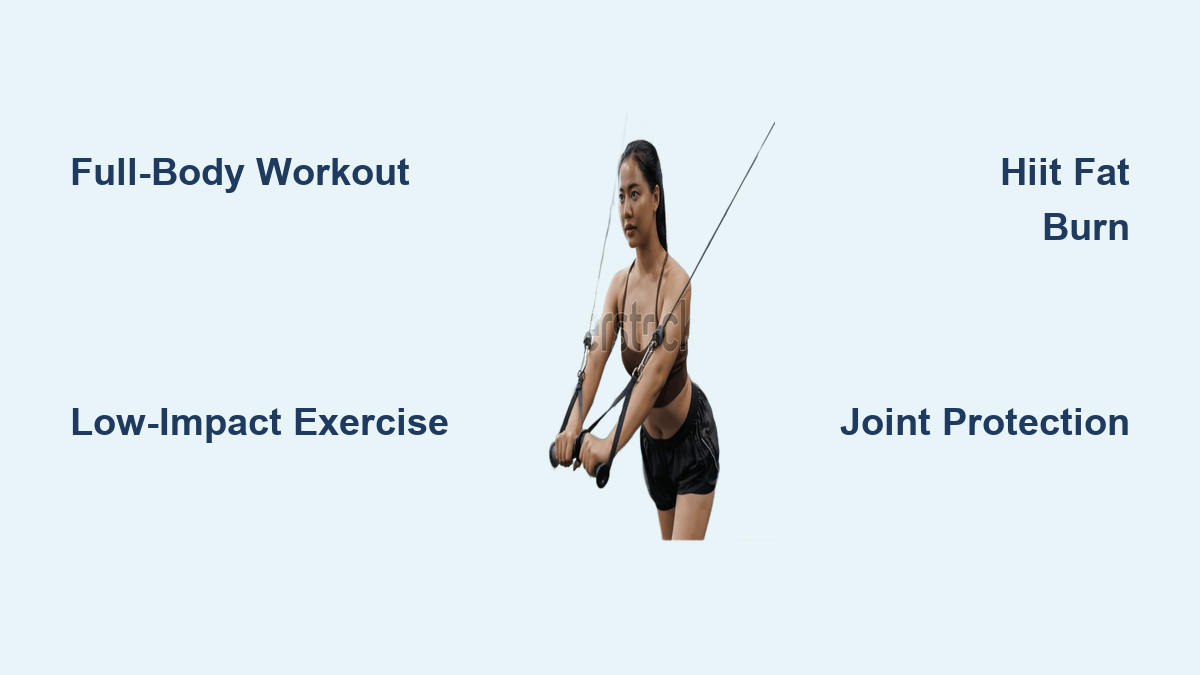
The elliptical uniquely combines cardio and strength in one fluid motion, especially when you actively use the moving handlebars. Unlike lower-body-only machines, it recruits muscles across your entire body.
Lower Body Engagement
Each stride targets major leg muscle groups, with emphasis shifting based on incline and direction:
- Quadriceps: Activated during the downward push; more intense at lower inclines.
- Glutes: Work harder when the incline increases, mimicking stair climbing.
- Hamstrings: Engaged during the upstroke, especially when pedaling backward.
- Calves: Constantly active due to continuous pedal contact.
- Tibialis Anterior (Shins): Work isometrically to stabilize the foot, helping prevent shin splints.
Pro Tip: Pedal in reverse to isolate hamstrings and glutes. Use higher resistance and incline for a deeper lower-body burn.
Upper Body Recruitment
When you push and pull the moving arms, you turn a cardio session into a total-body workout:
- Chest and Shoulders: Engaged during the forward push.
- Back Muscles (Lats, Traps, Rhomboids): Activated when pulling arms backward.
- Biceps and Triceps: Fire with every arm movement.
- Serratus Anterior: Stabilizes the shoulder blades, improving posture.
Key Insight: To maximize upper body gains, drive your arms with the same rhythm as your legs. Don’t just hang on; actively push and pull.
Core Stabilization Demands
While not a direct ab builder like planks or crunches, the elliptical requires constant core engagement:
- Your abs and obliques stabilize your torso during arm and leg motion.
- Releasing the handles increases instability, forcing your core to work harder.
- Maintaining upright posture prevents swaying and improves balance.
Avoid This Mistake: Leaning on the handles reduces core activation and calorie burn. Keep your spine neutral and arms independent.
Joint-Friendly Cardio for Long-Term Health

One of the biggest advantages of the crossover cardio machine is its low-impact nature. It protects your joints while delivering high-intensity results, making it ideal for long-term consistency.
Protects Knees, Hips, and Ankles
The smooth, gliding motion eliminates the repetitive pounding seen in running:
- No heel strike means less compressive force on knee cartilage.
- Hip joints move through a full range of motion without shock loading.
- Ankle ligaments aren’t stressed by uneven surfaces or sudden landings.
A 2021 study found elliptical training caused less joint degeneration than running, cycling, and even swimming, making it a top choice for joint preservation.
Ideal for Arthritis and Injury Recovery
The Arthritis Foundation recommends ellipticals for people with knee or hip arthritis:
- Movement lubricates joints and reduces stiffness.
- Pain-free range of motion helps maintain mobility.
- Cardiovascular fitness improves without flare-ups.
For post-injury rehab, the machine allows early return to aerobic activity without overloading healing tissues.
Spinal Safety and Lower Back Relief
Running on hard surfaces transmits shock up the spine, compressing discs. The elliptical avoids this:
- Smooth motion reduces spinal jarring.
- Upright posture promotes spinal alignment.
- No bouncing or twisting motions that strain the lower back.
Who Should Use It?
– Runners needing active recovery
– Post-surgery patients (knee, hip, ankle)
– Older adults prioritizing joint longevity
– Anyone with chronic joint pain
Maximize Calorie Burn and Fat Loss
The elliptical isn’t just gentle on joints. It’s a fat-burning powerhouse when used strategically.
Calorie Expenditure by Weight
Calorie burn depends on body weight, intensity, and duration:
| Body Weight | 30-Minute Burn (Moderate) |
|---|---|
| 125 lbs | ~270 calories |
| 150 lbs | ~330 calories |
| 185 lbs | ~400 calories |
Boost It: Use moving arms, increase resistance, and vary incline to raise metabolic demand.
HIIT for Faster Fat Loss
High-Intensity Interval Training (HIIT) on the elliptical accelerates fat burning:
- 2:1 Ratio: 30 seconds max effort, 15 seconds recovery
- 1:1 Ratio: 3 minutes hard, 3 minutes easy
- Tabata Style: 20 seconds all-out, 10 seconds rest (8 rounds)
Why It Works: HIIT spikes your heart rate, increases EPOC (afterburn effect), and burns fat efficiently, even in short sessions.
Steady-State for Endurance and Sustainability
For longer, lower-intensity workouts:
- Maintain a pace where you’re slightly breathless but can talk.
- Aim for 30 to 60 minutes to build aerobic base.
- Ideal for recovery days or beginners building stamina.
Best Strategy: Combine both. Use HIIT 2 to 3 times per week and steady-state 2 to 3 times for balanced fat loss and endurance.
Improve Heart Health and Aerobic Fitness
Cardiovascular conditioning is the core benefit of any elliptical workout.
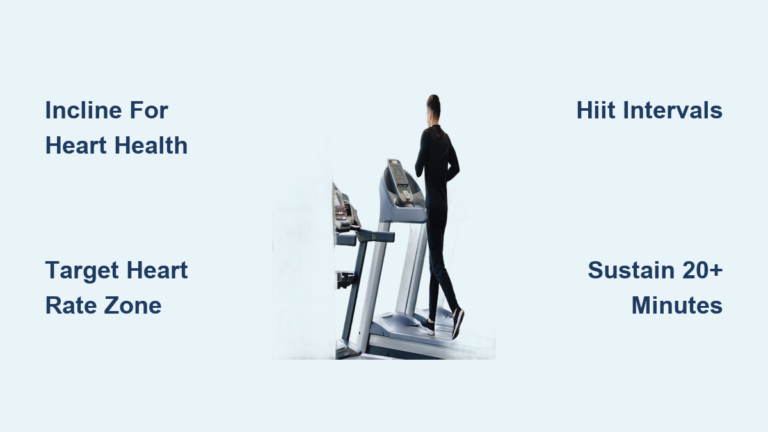
Heart Rate Zone Training
You can target specific zones for different goals:
- 50 to 69% Max HR: Fat-burning zone, ideal for beginners and recovery.
- 70 to 85% Max HR: Aerobic fitness zone, improves stamina and heart efficiency.
- 85%+ Max HR: Anaerobic zone, used in HIIT for peak performance.
Use the machine’s heart rate sensors (if available) or a chest strap monitor for accuracy.
Oxygen Utilization and Endurance Gains
The elliptical increases your VO2 max, the maximum oxygen your body can use during exercise:
- Higher VO2 max equals better endurance and cardiovascular health.
- Full-body motion recruits more muscle mass, increasing oxygen demand.
- Consistent use improves lung capacity and heart efficiency.
Note: While treadmills may slightly edge out ellipticals in fat oxidation due to gravitational load, the elliptical’s lower perceived exertion allows longer workouts, leading to similar or greater total calorie burn over time.
Optimize Workouts with Smart Training Methods
To get the most from your crossover cardio machine, structure your sessions with proven protocols.
HIIT Workout Templates
Try these ready-to-use interval plans:
20-Minute HIIT Blast
- Warm-up: 3 min, low resistance
- Intervals: 8 rounds of 30 sec high resistance, 15 sec recovery
- Cool-down: 3 min, easy pace
30-Minute Hill Climb
- Warm-up: 5 min
- 6 intervals: 3 min high incline, 2 min flat recovery
- Cool-down: 5 min
Pro Tip: Stay in motion during recovery; never stop pedaling.
Steady-State Endurance Plan
Perfect for building aerobic base:
- 5 min warm-up
- 40 min at moderate resistance (able to speak in short sentences)
- 5 min cool-down
Best For: Beginners, active recovery, or cross-training days.
Beginner’s First 4 Weeks
Start slow to build form and endurance:
| Week | Duration | Focus |
|---|---|---|
| 1 | 15 to 20 min | Learn rhythm, use arms |
| 2 | 20 to 25 min | Increase resistance slightly |
| 3 | 25 to 30 min | Add 1 min of high resistance every 5 min |
| 4 | 30 min | Full workout with arms and legs |
Injury Prevention and Safe Usage
Even low-impact exercise requires proper form and setup.
Choose the Right Machine Fit
An ill-fitting elliptical can cause strain:
- Stride Too Long/Short: Causes hip rocking or toe-standing.
- Adjustable Stride: Match to your natural gait (most users: 18 to 21 inches).
- Test Before Buying: If possible, try the machine to ensure comfort.
Maintain Proper Form
Avoid these common mistakes:
- Hunching Over: Look forward, not down. Keep spine neutral.
- Toe Standing: Keep weight in heels or mid-foot to engage glutes and protect knees.
- Leaning on Handles: Reduces core and upper body work. Use arms actively.
- Over-Gripping: Hold handles lightly; don’t tense shoulders.
Progress Gradually
Even with low impact, overuse injuries can occur:
- Increase duration or intensity by no more than 10% per week.
- Alternate elliptical days with strength training or rest.
- Listen to your body and stop if you feel joint pain.
Who Benefits Most from the Elliptical?
The machine’s versatility makes it ideal for diverse users.
Runners and Endurance Athletes
Use the elliptical to:
- Replace one weekly run with a 1.5x longer elliptical session (e.g., 30-min run = 45-min elliptical).
- Recover faster with low-impact cardio that boosts blood flow.
- Build aerobic base without joint fatigue.
Limitation: It doesn’t train the push-off or impact absorption needed for race day. Use it as a supplement, not a full replacement.
Arthritis and Joint Pain Sufferers
- Move joints without pain.
- Maintain strength and mobility.
- Improve circulation to stiff areas.
Post-Injury Rehab Patients
- Regain range of motion safely.
- Strengthen muscles around healing joints.
- Maintain fitness during layoff.
Beginners and Overweight Individuals
- Low barrier to entry; no coordination needed.
- Supports body weight with minimal joint stress.
- Builds confidence with visible progress.
Home Gym Users
- Compact footprint compared to treadmills.
- Quiet operation (especially magnetic resistance models).
- Full-body workout in one machine.
Elliptical vs. Other Cardio Machines
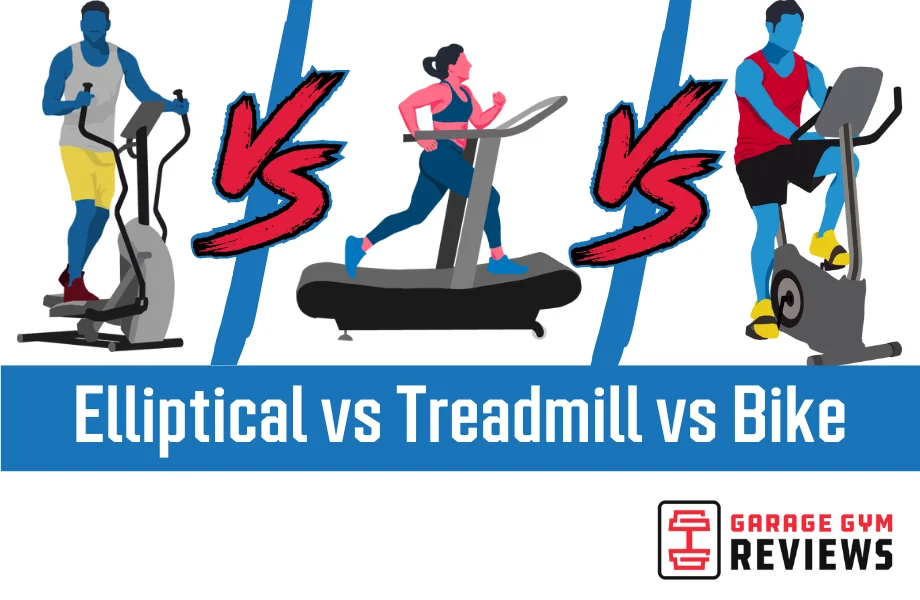
How does the crossover cardio machine stack up?
Elliptical vs. Treadmill
| Factor | Elliptical | Treadmill |
|---|---|---|
| Joint Impact | Low | High |
| Upper Body Use | Full-body option | Lower body only |
| Calorie Burn (same effort) | Slightly lower | Slightly higher |
| Bone Density | Minimal | High (due to impact) |
| Injury Risk | Very low | Moderate to high |
| Best For | Joint protection, recovery | Running specificity, bone health |
Verdict: Use both. Replace one high-impact day with elliptical to reduce wear and tear.
Elliptical vs. Stationary Bike
| Factor | Elliptical | Bike |
|---|---|---|
| Body Position | Standing | Seated |
| Muscle Groups | Full-body | Lower body |
| Joint Stress | Low (knees) | Low (but can strain knees if poorly fitted) |
| Calorie Burn | Higher (more muscles) | Lower |
| Posture Benefit | Improves upright alignment | Can encourage hunching |
Verdict: Elliptical wins for full-body engagement and posture.
Maintenance and Machine Longevity
Keep your elliptical running smoothly:
Daily/Weekly Care
- Wipe down handles and pedals after use.
- Check for loose bolts or unusual noises.
- Keep the area around the machine clean.
Long-Term Upkeep
- Lubricate rails if recommended (friction models).
- Magnetic resistance units require minimal maintenance.
- Inspect foot pedals and arm bars for wear.
Pro Tip: Home models have lower duty cycles than commercial units. Avoid overuse if you train daily.
Frequently Asked Questions About Crossover Cardio Machine Benefits
How many steps equal 30 minutes on an elliptical?
Approximately 3,000 to 4,000 steps, depending on stride length and speed. 10,000 steps take about 40 to 50 minutes.
Is 30 minutes on the elliptical enough?
Yes, if done at moderate to high intensity. It meets weekly aerobic guidelines (150 mins/week) when done 5x.
Can you lose belly fat on an elliptical?
Yes, by creating a calorie deficit. While spot reduction is a myth, consistent use reduces overall body fat, including abdominal fat.
Can you train for a 5K on an elliptical?
Not fully. It builds cardio fitness, but running practice is essential for race-specific neuromuscular patterns and bone adaptation.
What are the risks?
- Muscle soreness from new movement patterns
- Overuse if intensity increases too fast
- Poor posture if machine is ill-fitting
Key Takeaways for Maximizing Crossover Cardio Machine Benefits

The crossover cardio machine is more than just a low-impact treadmill alternative. It’s a full-body, joint-preserving powerhouse for fat loss, endurance, and long-term health. By actively using the arms, varying intensity, and maintaining proper form, you can achieve significant fitness gains without the wear and tear of high-impact exercise.
Strategic Tips:
– Use HIIT 2 to 3 times per week for fat loss.
– Combine with strength training for bone health.
– Replace one weekly run with a longer elliptical session.
– Focus on posture and arm drive to maximize engagement.
Whether you’re rehabbing an injury, managing arthritis, or just want a sustainable way to stay fit, the elliptical delivers results safely, efficiently, and effectively. Start with a simple 20-minute session this week and build from there.