Best Cardio Workouts for Women Over 50 (2026 Guide)
You already know staying active matters, but figuring out where to start can feel overwhelming after 50. Your body has changed. Hormones have shifted. Recovery takes longer, and that high-impact routine from your 30s might not work anymore. The truth is, cardio workouts for women over 50 are one of the most powerful tools you have for protecting your heart, bones, brain, and independence for decades to come.
This guide breaks down exactly what to do, how hard to push, and which activities deliver the best results without wrecking your joints. You’ll learn the science behind heart rate zones, discover joint-friendly cardio options, and get a complete 12-week plan you can start this week.
Why Heart Health Becomes Non-Negotiable After 50
The Reality of Cardiovascular Risk for Women
Heart disease is the leading cause of death in women, and your risk climbs significantly after menopause. Roughly 1 in 5 women over 50 will develop some form of cardiovascular disease. But here’s the encouraging part: regular aerobic exercise can slash your risk of stroke, high blood pressure, and type 2 diabetes by up to 71%.
Cardio improves circulation, lowers LDL cholesterol, and helps regulate blood sugar. Beyond the physical benefits, it boosts mood, reduces anxiety, and sharpens mental clarity by increasing blood flow to the brain. For women navigating hormonal changes, consistent aerobic activity also helps stabilize energy levels and supports better sleep, both of which often decline post-menopause.
How Much Cardio Do You Actually Need?
The CDC recommends at least 150 minutes of moderate-intensity aerobic activity per week. That’s the baseline. However, a 2022 study published in Circulation found that people who exercised 300 to 599 minutes weekly saw significantly greater longevity benefits.
That sounds like a lot, but it breaks down to roughly 45 to 85 minutes per day. And you don’t need long sessions. Three 10-minute walks count just as much as one 30-minute session. The goal is consistency, not perfection.
Master the Heart Rate Zones That Actually Matter
Zone 2: Your Cardio Foundation
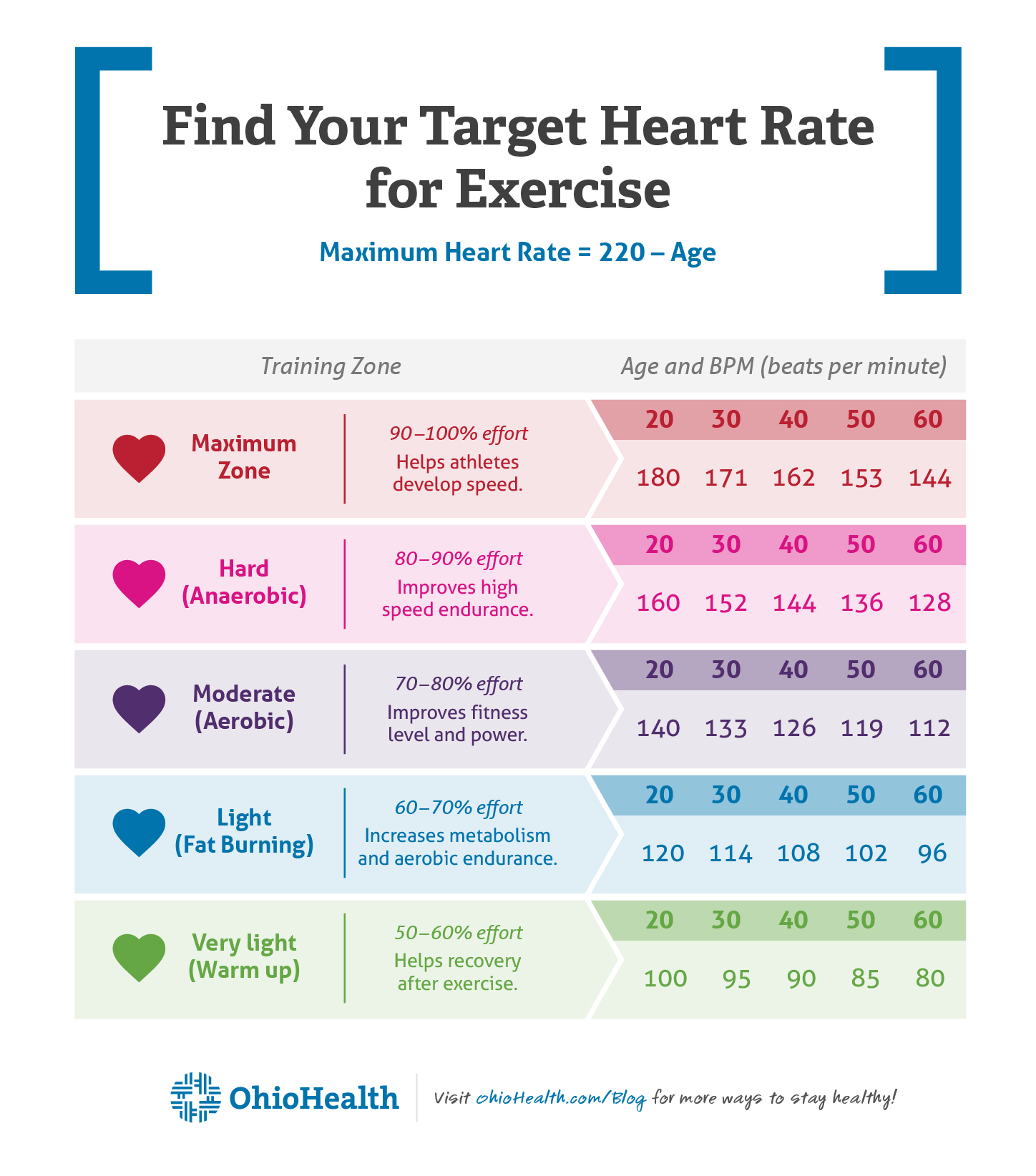
Zone 2 cardio means working at 60 to 70% of your maximum heart rate. At this effort level, you’re breathing harder and feeling warm, but you can still hold a conversation. This is sometimes called the “talk test.”
This zone should make up the bulk of your cardio time. Aim for 2 to 4 hours per week. Zone 2 efficiently burns fat, improves how your cells produce energy, lowers inflammation, and builds endurance without stressing your joints. Great Zone 2 activities include:
• Brisk walking
• Light cycling
• Swimming
• Elliptical training
Zone 5: Short Bursts for Big Benefits
Zone 5 cardio means pushing to 90 to 100% of your max heart rate. At this level, talking becomes difficult. These short, intense efforts boost Human Growth Hormone (HGH), improve insulin sensitivity, and enhance cardiovascular capacity.
But Zone 5 should only make up a tiny portion of your routine. One 20 to 30 minute session per week is plenty, whether done all at once or spread across intervals. Always warm up thoroughly before attempting high intensity. If you’re new to exercise, spend 4 to 6 weeks building a Zone 2 base first.
HIIT Done Safely After 50
High-Intensity Interval Training can be safe and effective for women over 50 when done correctly. Limit HIIT to 2 sessions per week, each lasting 20 to 30 minutes total.
Try this beginner-friendly format:
- Warm up for 5 minutes with a brisk walk
- Alternate 30 seconds of fast effort (power walk, hard pedaling) with 90 seconds of recovery
- Repeat 6 to 8 times
- Cool down for 5 minutes
Important: If you have heart conditions, high blood pressure, or joint issues, get medical clearance before starting HIIT.
Choose Joint-Friendly Cardio That You’ll Actually Enjoy

Walking: The Underrated Champion
Walking is the most recommended cardio for women over 50 for good reason. It’s low-impact, free, and easy to fit into your day. A daily 30-minute brisk walk meets weekly guidelines and supports joint health, balance, and mental well-being.
Walk outdoors when possible for added benefits. Sunlight boosts vitamin D, and nature reduces stress. To increase intensity safely, add hills or wear a weighted vest (5 to 10 pounds).
Swimming and Water Aerobics
Water supports your body weight, reducing joint stress while providing natural resistance. Swimming or aqua aerobics improves cardiovascular endurance, lung capacity, and muscle tone. It’s ideal if you have arthritis, knee pain, or osteoporosis. Even 20 minutes in the pool elevates your heart rate and helps regulate body temperature, which becomes less efficient with age.
Cycling and Elliptical Training
Both offer excellent cardio with zero impact. Cycling, whether stationary or outdoor, strengthens your legs and improves circulation. The elliptical mimics running without the pounding, engaging both your arms and legs. Adjust resistance and incline to vary intensity.
Rowing and Dance-Based Workouts
Rowing delivers a full-body workout, engaging your back, arms, core, and legs. Use smooth, controlled strokes to protect your lower back. Dance or Zumba classes improve coordination, rhythm, and cardiovascular fitness while adding fun and social connection, both key for sticking with exercise long-term.
Prevent Injury With Smart Preparation
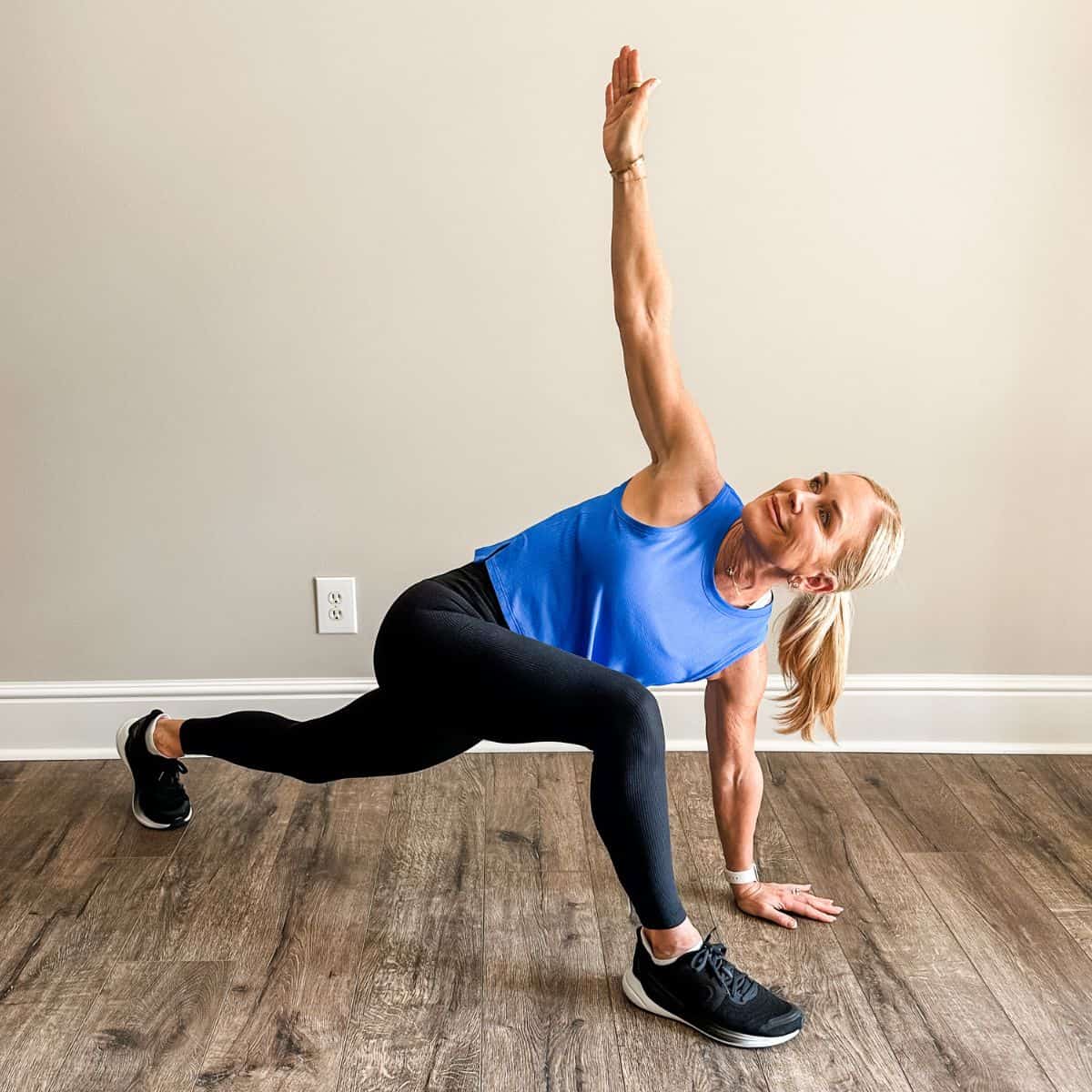
Warm Up to Protect Stiff Tendons
After 50, tendons stiffen due to lower estrogen levels. Skipping warm-ups significantly increases injury risk. Spend 5 to 10 minutes activating your joints and muscles before every session.
Try this routine:
• March in place for 1 minute
• Perform arm circles and shoulder rolls for 1 minute
• Do 10 bodyweight squats with overhead reach
• Complete 5 side lunges per side
• Finish with 5 inchworms to lunge with twist
This primes your body, improves blood flow, and enhances mobility.
Avoid Common Overuse Injuries
Knee pain, back strain, and tendonitis become more common after 50. Prevent them by:
• Wearing supportive shoes with good cushioning
• Using proper form (keep knees behind toes when stepping)
• Rotating workout types weekly to avoid repetitive stress
• Stopping immediately if you feel sharp or joint pain
Women’s wider hips create more knee stress. Strengthen your glutes and hips with lateral movements like clamshells and side steps to protect your knees.
Stay Cool and Hydrated
Older adults regulate body temperature less efficiently, making heat exhaustion a real risk. Exercise in cool environments when possible. Wear breathable clothing, drink water before, during, and after your workout, and avoid peak sun hours. If you feel dizzy, nauseous, or overly fatigued, stop and cool down right away.
Follow a 12-Week Cardio and Strength Plan
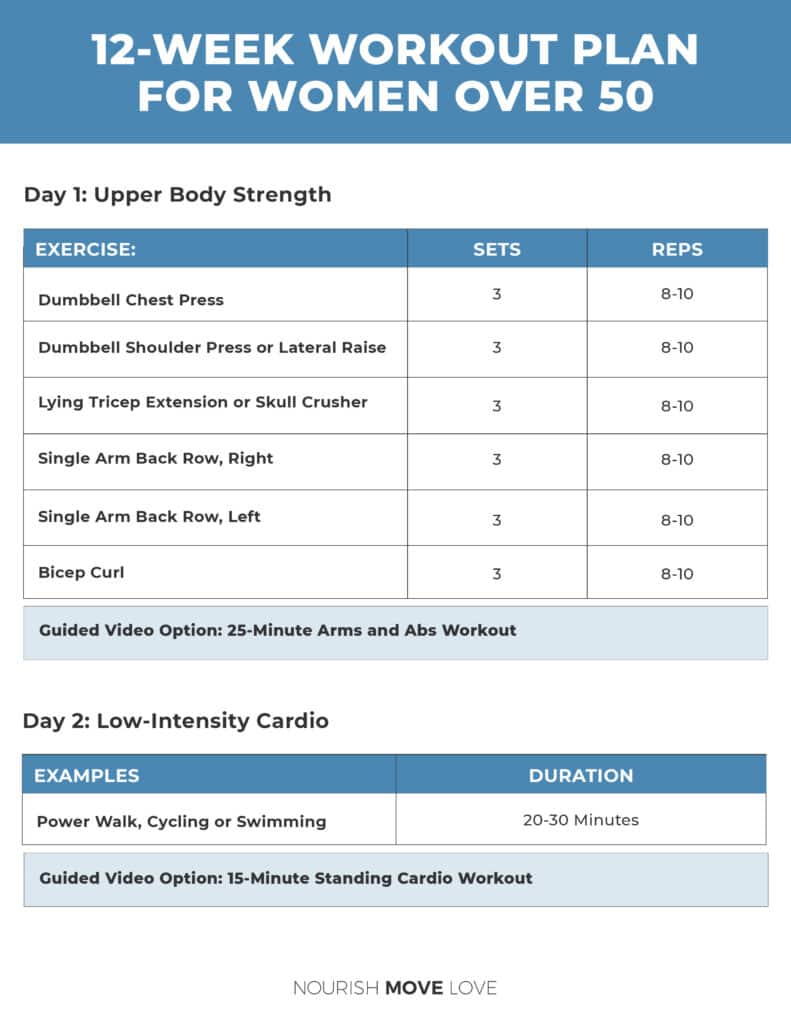
Build a Sustainable Weekly Routine
Consistency beats intensity every time. This 12-week plan integrates cardio, strength, and recovery for total health. You’ll spend 20 to 45 minutes per day, 6 days a week, with one full rest day.
| Day | Focus | Duration | Key Activities |
|---|---|---|---|
| Day 1 | Upper Body Strength | 20–30 min | Dumbbell presses, rows, curls |
| Day 2 | Low-Intensity Cardio | 20–30 min | Brisk walk, swim, or bike |
| Day 3 | Lower Body Strength | 20–30 min | Squats, lunges, calf raises |
| Day 4 | Core and Mobility | 15–20 min | Pilates, planks, spinal twists |
| Day 5 | Full Body Strength | 20–30 min | Deadlifts, carries, push-ups |
| Day 6 | Cardio and Stretch | 20–45 min | Favorite cardio plus 10 min stretching |
| Day 7 | Rest and Recovery | 5–10 min | Light stretching, deep breathing |
Progress Gradually Through Three Phases
Weeks 1–4 (Base Phase): Focus on form, not speed or weight. Use lighter dumbbells (8 to 10 pounds). Keep cardio at comfortable Zone 2 effort.
Weeks 5–8 (Build Phase): Increase resistance or duration by 10%. Add 5 minutes to your cardio sessions.
Weeks 9–12 (Strengthen Phase): Introduce one HIIT session weekly. Increase weights or reps. Aim for 160 or more minutes of weekly cardio.
Track progress by how you feel: more energy, better sleep, easier stair climbing. These matter far more than the scale.
Support Recovery and Recognize Overtraining
Allow Time for Muscle Repair
After 50, recovery takes longer. Your muscles need 48 to 72 hours to repair after intense effort. Don’t do hard cardio or strength training on consecutive days. Use rest days for gentle walking, stretching, or foam rolling. If you feel drained all day after a workout, you’re doing too much.
Know the Warning Signs
Cardio should energize, not exhaust you. Warning signs of overtraining include:
• Trouble sleeping
• Persistent soreness
• Irritability or low mood
• Declining performance
• Increased resting heart rate
Scale back volume or intensity if you notice these. One hard workout per week is enough.
Trust Your Body Over Trackers
Fitness trackers can help monitor heart rate, but your internal feedback matters more. Ask yourself: Do I feel stronger? More alert? Able to keep up with daily tasks? If yes, you’re on track. Don’t chase numbers. Chase how you feel.
Boost Brain Health, Mood, and Skin Vitality
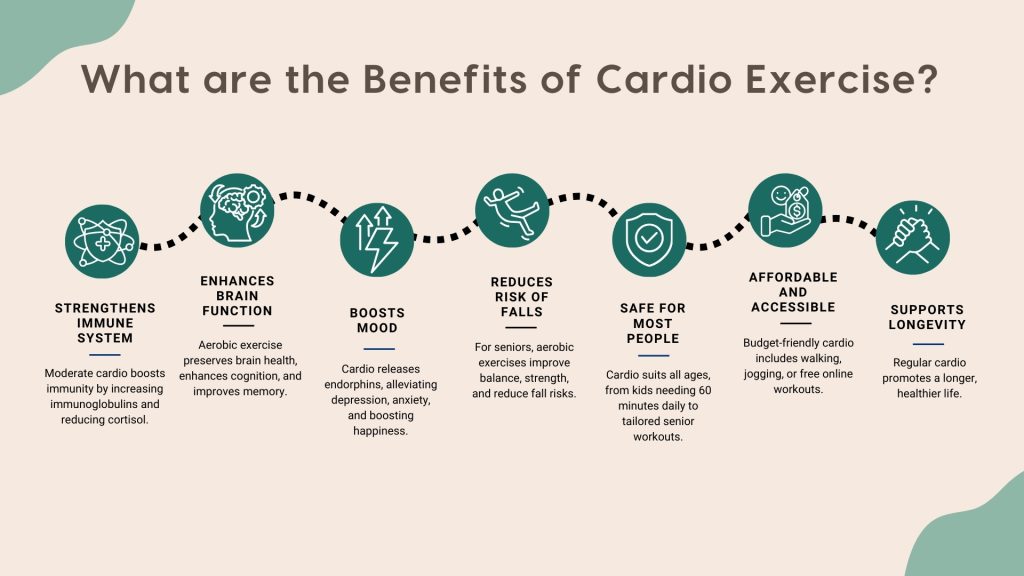
Sharper Mind and Better Mood
Cardio increases blood flow to your brain, improving memory and reducing dementia risk. Just 30 minutes of walking 4 times per week can slow hippocampal shrinkage. Exercise also lowers cortisol and boosts endorphins, easing anxiety and menopause-related mood swings.
Pair cardio with social activity. Walking with a friend or joining a class doubles the mental health benefit.
Healthier, More Youthful Skin
Exercise delivers oxygen and nutrients to skin cells, promoting a healthy glow. It reduces inflammation and supports collagen production, especially when combined with good sleep, which cardio also improves. HIIT increases HGH, which aids tissue repair and maintains skin elasticity. Building lean muscle while losing fat creates a more toned, youthful silhouette without extreme dieting.
Stay Motivated for the Long Haul
Make Exercise Something You Look Forward To
The best cardio is the one you’ll actually do consistently. Rotate activities: hike one day, dance the next, swim on weekends. Change routes, listen to audiobooks or podcasts only during workouts, or try pickleball for social cardio. Variety prevents boredom and keeps your body adapting.
Focus on Function, Not Performance
Your goal isn’t to win a race. It’s to carry groceries, play with grandkids, travel without fatigue, and stay independent. Celebrate functional wins: climbing stairs without breathlessness, gardening longer, or walking farther than you could last month. These are true markers of fitness after 50.
Build Accountability Into Your Routine
Work out with a friend, join a walking group, or hire a trainer for a few sessions to learn proper form. Group classes add structure and social support, increasing long-term adherence. Scheduling workouts like appointments improves consistency.
Frequently Asked Questions About Cardio Workouts for Women Over 50
What is the best cardio exercise for women over 50?
Walking is widely considered the best starting point because it’s low-impact, free, and easy to fit into daily life. Swimming, cycling, and elliptical training are excellent alternatives that protect your joints while elevating your heart rate.
How many minutes of cardio should a 50-year-old woman do per week?
The CDC recommends at least 150 minutes of moderate-intensity cardio per week. Research shows 300 to 599 minutes weekly provides even greater longevity benefits. You can break this into shorter sessions, such as three 10-minute walks per day.
Is HIIT safe for women over 50?
HIIT can be safe and effective when done correctly. Limit sessions to 2 per week, each lasting 20 to 30 minutes. Always warm up first and get medical clearance if you have heart conditions, high blood pressure, or joint issues.
What heart rate zone should I target during cardio?
Zone 2 (60 to 70% of your maximum heart rate) should make up most of your cardio time. You should be able to hold a conversation but feel slightly out of breath. Add short Zone 5 bursts (90 to 100% of max heart rate) once per week for added benefits.
How long does it take to recover from cardio after 50?
Recovery takes longer after 50 due to slower muscle repair. Allow 48 to 72 hours between intense sessions. Use rest days for gentle walking, stretching, or foam rolling.
Can cardio help with menopause symptoms?
Yes. Regular cardio helps stabilize energy levels, improves sleep quality, reduces mood swings, and supports better temperature regulation. It also protects against the bone loss and muscle decline that accelerate after menopause.
Key Takeaways for Building a Cardio Routine After 50
Cardio workouts for women over 50 work best when they’re consistent, joint-friendly, and matched to your effort level. Focus on Zone 2 activities like walking, swimming, or cycling for 2 to 4 hours per week. Add one short Zone 5 session weekly for metabolic and cardiovascular benefits. Always warm up for 5 to 10 minutes, listen to your body, and allow proper recovery time.
Your next step is simple: pick one activity from this guide and schedule three sessions this week. Start with 20 to 30 minutes at a comfortable pace. Track how you feel, not just what you do. Within a few weeks, you’ll notice better sleep, more energy, and greater confidence in your body’s ability to keep up with the life you want to live.