Chair Cardio Exercises: Quick Steps
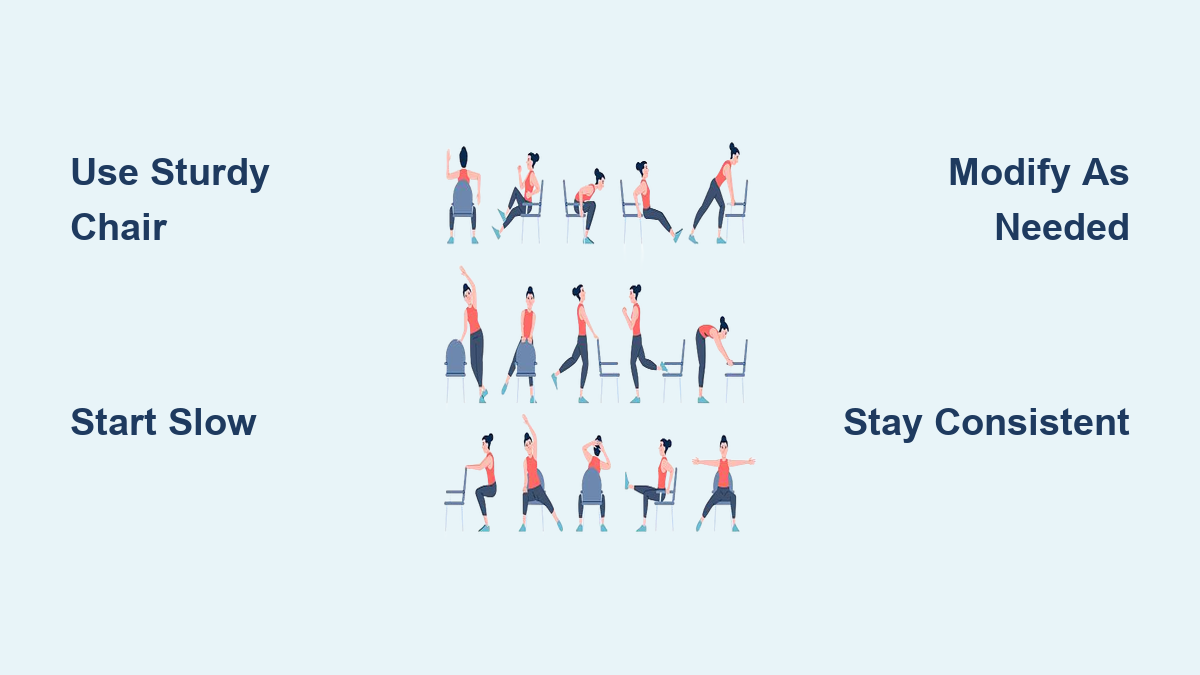
If you’re new to fitness or looking for a safe way to get moving, chair cardio exercises are a powerful starting point. These routines make exercise accessible—no jumping, no heavy equipment, just a sturdy chair and your determination. Designed for true beginners, chair cardio builds endurance, improves circulation, and supports weight management without straining joints. Whether you’re recovering from injury, managing mobility challenges, or simply starting slow, this guide delivers a complete 30-minute routine using only a chair.
You’ll learn how to warm up safely, perform six effective moves, and cool down properly. Each section includes clear steps, modifications, and safety tips so you can move with confidence. Let’s get your heart pumping the smart way.
Warm Up Without Strain
Before jumping into movement, prepare your body with gentle activation. A proper warm-up increases blood flow, loosens stiff muscles, and reduces injury risk—especially important if you’re new to exercise.
March in Place Gently
• Sit tall or stand behind your chair for support
• Lift one knee at a time, alternating legs
• Keep knees low (no need to go high)
• Move slowly for 30 to 60 seconds
This mimics walking and wakes up your legs without impact.
Arm Circles and Shoulder Rolls
• Extend arms out to the sides at shoulder height
• Make small forward circles for 15 seconds, then reverse for 15 seconds
• Follow with 10 slow shoulder rolls forward and 10 backward
These loosen tight shoulders and improve upper-body circulation—ideal if you sit most of the day.
Chair Cardio Moves: 30 Seconds Each
Perform each exercise for 30 seconds. Rest 15 seconds between moves. Complete 2 to 3 rounds total. Use a timer to stay on track.
Stand and Sit with Control

Chair Squats Build Leg Strength
• Sit on the edge of a sturdy, non-rolling chair
• Place feet flat, hip-width apart
• Lean slightly forward and stand up slowly
• Lower back down with control—don’t plop
This move works your glutes, thighs, and core while improving balance. It’s a functional exercise that makes daily tasks like standing from a couch easier.
Pro Tip: If standing is difficult, practice partial stands or use hands to assist. Over time, reduce hand use.
Boost Heart Rate Seated
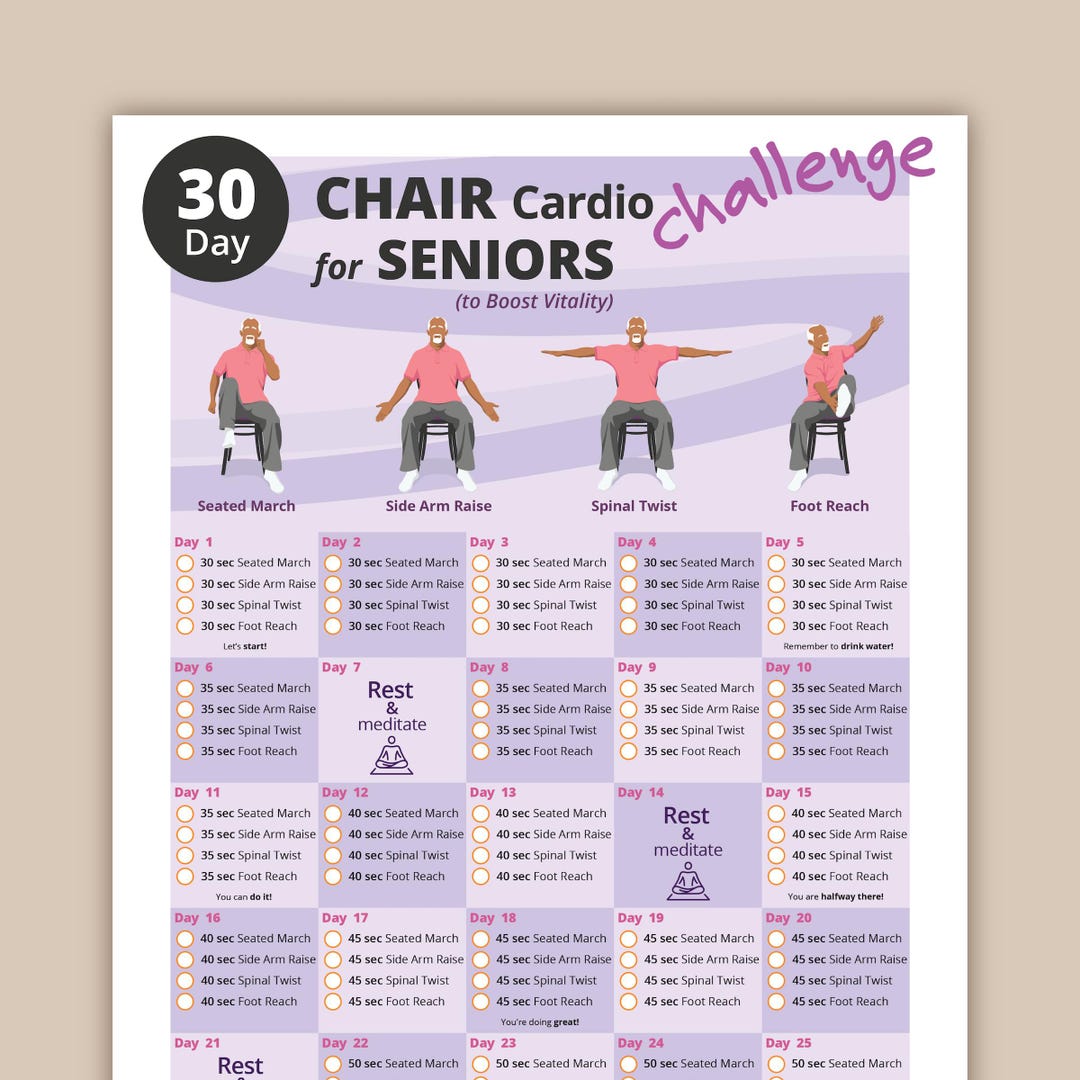
Seated Marching for Circulation
• Sit tall with a straight spine
• Lift one knee, then the other, in a marching rhythm
• Move arms slightly to increase intensity
This simple move gets blood flowing to your legs and gently elevates your heart rate—perfect for low-impact cardio.
Common Mistake: Slouching. Keep your chest lifted and shoulders back.
Alternate Seated Knee Lifts
• Begin seated, feet flat
• Lift right knee toward chest, then lower
• Repeat with left knee
• Alternate smoothly for 30 seconds
This engages your core and hip flexors while maintaining a steady pulse.
Need More Challenge? Add light ankle weights or speed up slightly.
Strengthen Upper Body Safely
Chair Push-Ups (or Wall Version)
• Place hands on the edge of the chair seat
• Walk feet forward so your chest leans toward the chair
• Lower your upper body halfway down, then push back up
• Keep elbows close to your body
This builds chest, arm, and shoulder strength. If it’s too hard, do the same move against a wall or kitchen counter.
Visual Cue: Your body should form a diagonal line—don’t let hips sag.
Difficulty Level: Moderate (easy to modify)
Improve Core and Balance
Seated Side Twists for Torso Mobility
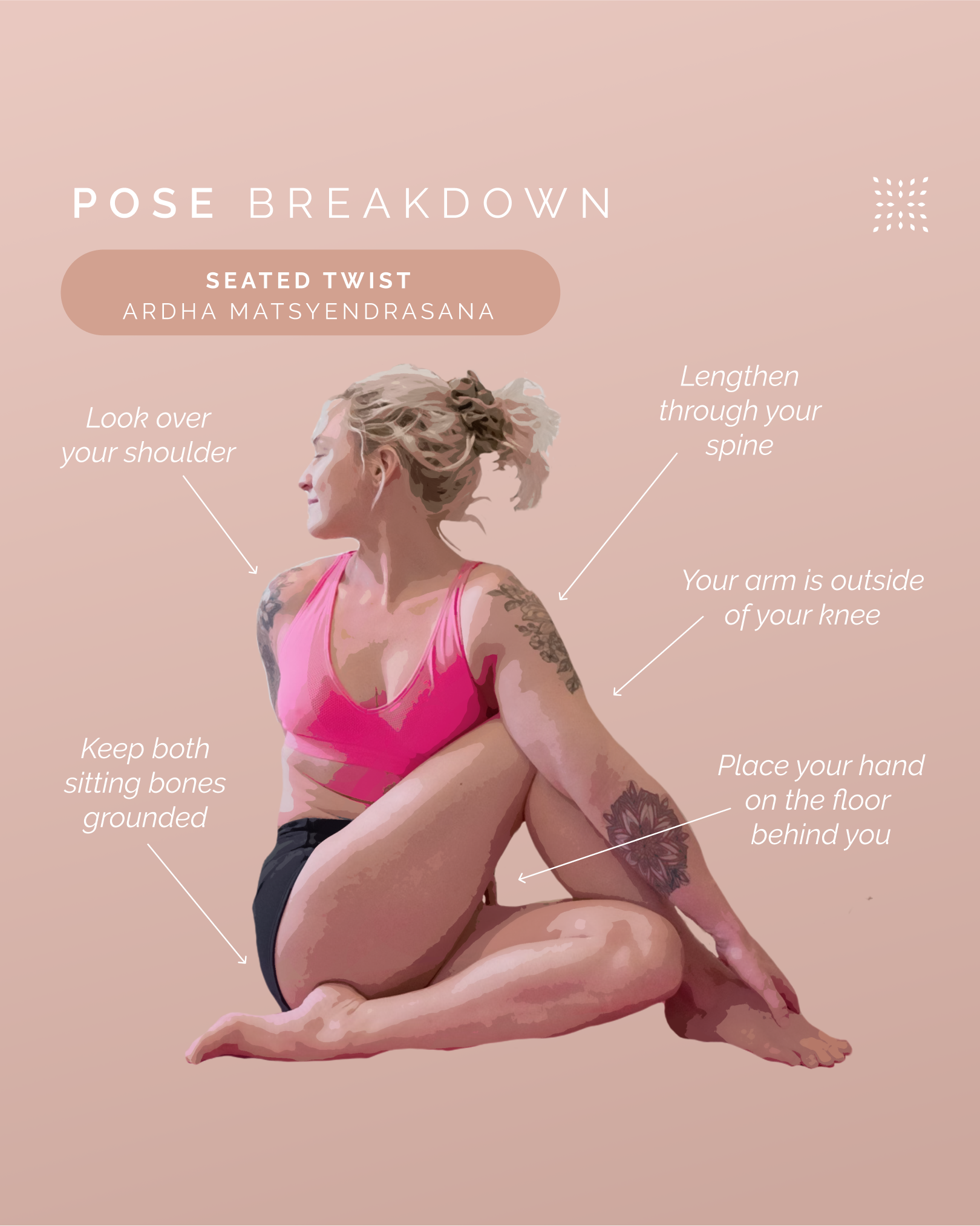
• Sit tall, feet flat, hands clasped at chest level
• Gently twist your upper body to the right
• Return to center, then twist left
• Keep hips facing forward—only turn from the waist up
This move enhances spinal mobility and lightly engages your obliques.
Avoid: Twisting too far or forcing the motion. Go only as far as comfortable.
Heel Raises for Calf Strength

• Sit with feet flat on the floor
• Press through the balls of your feet to lift heels high
• Hold for a second, then lower slowly
• Repeat for 30 seconds
This strengthens calves and improves ankle stability—key for balance and circulation.
Bonus Benefit: Helps prevent leg cramps and swelling from sitting too long.
Follow a Full Routine
Sample 30-Minute Chair Cardio Plan
| Time | Activity |
|---|---|
| 0:00 to 2:00 | Warm-Up (march, arm circles, shoulder rolls) |
| 2:00 to 17:00 | Circuit (6 moves x 30 sec + 15 sec rest) |
| 17:00 to 22:00 | Repeat circuit 2nd round |
| 22:00 to 27:00 | Repeat circuit 3rd round (optional) |
| 27:00 to 30:00 | Cool Down (stretching and breathing) |
Time-Saving Shortcut: Short on time? Do one round—just 8 minutes including rest.
Cool Down and Recover
After cardio, your body needs to return to a resting state. Skipping cool-down increases soreness and dizziness risk.
Seated Forward Fold Stretch
• Sit on the chair’s edge, legs extended slightly if possible
• Hinge at hips and reach hands toward toes
• Keep back straight—don’t round your spine
• Hold for 20 to 30 seconds
Stretches hamstrings and lower back.
Deep Breathing for Recovery
• Inhale slowly through your nose for 4 counts
• Exhale through your mouth for 6 counts
• Repeat 5 to 6 times
This activates your parasympathetic system, slowing your heart rate and calming your mind.
Neck Rolls and Shoulder Shrugs
• Gently roll neck in slow circles (5 seconds each direction)
• Lift shoulders up to ears, then release down—repeat 10 times
Relieves tension built up during exercise.
Stay Safe and Effective
Chair cardio is low impact, but safety still matters. Follow these guidelines to protect your body and maximize results.
Choose the Right Chair
• Use a sturdy, armless chair without wheels
• Dining chairs or folding chairs work well
• Avoid recliners, stools, or unstable furniture
Test Stability: Push down on the seat—if it wobbles, switch chairs.
Modify for Comfort
• If a move hurts, stop and adjust
• Reduce range of motion or slow the pace
• Use hands for balance when standing
There’s no shame in modifying—progress comes with consistency, not perfection.
Hydrate and Listen to Your Body
• Keep water nearby and sip throughout
• Stop if you feel dizzy, short of breath, or chest pain
• It’s okay to rest longer between rounds
Your body will adapt over time. Start where you are.
Build a Habit That Lasts
How Often to Do Chair Cardio
• Aim for 3 to 5 days per week
• Even 10 minutes daily beats one long weekly session
• Pair with walking or stretching on off days
Consistency beats intensity when starting out.
Track Your Progress
• Note how many rounds you complete
• Record how you feel: more energy? Less stiffness?
• Celebrate small wins—like doing an extra rep
Progress isn’t always weight loss. Improved stamina counts.
When to Increase Difficulty
After 2 to 3 weeks, if moves feel too easy:
• Add a third round
• Shorten rest to 10 seconds
• Increase speed slightly
• Try standing versions of seated moves
Gradual progression prevents burnout.
Who Benefits Most?
Ideal for Seniors and Limited Mobility
Chair cardio is perfect for older adults or those with joint pain, arthritis, or post-surgery recovery. It builds strength and endurance safely.
Great for Desk Workers
Sitting all day slows metabolism and stiffens muscles. A midday chair workout resets your body and boosts focus.
Supportive for Weight Management
While calorie burn is moderate (approx. 100 to 150 calories per 30-minute session), consistency leads to results—especially when paired with healthy eating.
Frequently Asked Questions About Chair Cardio Exercises
Are chair cardio exercises effective for weight loss?
Yes, chair cardio exercises support weight management when done consistently. A typical 30-minute session burns about 100 to 150 calories. Pair your routine with healthy eating for the best results.
Can seniors do chair cardio exercises safely?
Absolutely. Chair cardio exercises are designed to be low impact and joint-friendly, making them ideal for seniors. Always use a sturdy chair and modify any move that causes discomfort.
How many times per week should I do chair cardio exercises?
Aim for 3 to 5 days per week. Even short daily sessions of 10 minutes can build endurance and strength over time.
Do I need any equipment for chair cardio exercises?
No special equipment is required. You only need a sturdy chair without wheels. Optional additions include light ankle weights for added challenge.
What if I can’t stand up during chair cardio exercises?
Many chair cardio exercises can be done entirely seated, such as seated marching, knee lifts, side twists, and heel raises. Modify standing moves by doing partial stands or using your hands for support.
How long until I see results from chair cardio exercises?
Most beginners notice improved energy and reduced stiffness within 2 to 3 weeks. Cardiovascular and strength gains build gradually with consistent practice.
Key Takeaways for Starting Chair Cardio Exercises
Chair cardio exercises offer a smart, sustainable way to build fitness without stressing your joints. The 30-minute routine covered here combines a gentle warm-up, six effective moves, and a calming cool-down that anyone can follow. Focus on consistency over intensity, choose a sturdy chair, and listen to your body as you progress.
Your next step is simple: schedule three sessions this week. Start with one round if you’re new, and celebrate each session as a win. With time, chair cardio exercises can transform how you feel and move every day.