Bench Cardio Exercises: Quick Guide
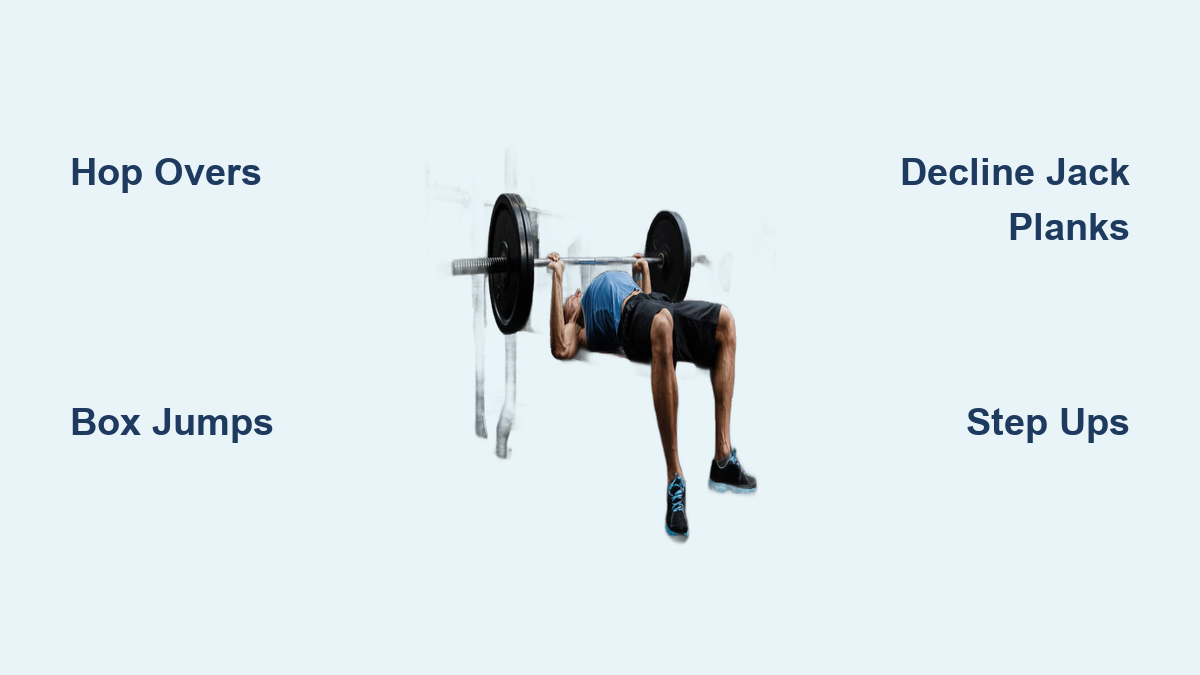
You don’t need a treadmill, elliptical, or gym membership to get a killer cardio workout. A simple weight bench, the same one you use for bench presses, can become your most powerful fat-burning tool. Bench cardio exercises transform static equipment into a dynamic engine for high-intensity interval training, plyometrics, and full-body conditioning that torches calories, boosts endurance, and builds explosive power in minimal space.
Whether you’re stuck at home, short on time, or just bored with steady-state cardio, these routines deliver maximum results in under 20 minutes. From box jacks that spike your heart rate to decline jack planks that fry your core, the bench unlocks a world of movement often overlooked. You’ll engage your glutes, quads, hip flexors, core, chest, and shoulders while elevating your heart into the fat-burning zone.
Choose the Right Bench for Cardio
Use What You Already Have
You don’t need an expensive adjustable bench to start. Any sturdy elevated surface works: a step, ottoman, coffee table, or even a low wall. The key requirement is stability, especially when jumping, landing, or balancing with full body weight.
Avoid wobbly furniture at all costs. Test your chosen surface first with slow step-ups before attempting any plyometric movements. If it shifts, flexes, or creaks under pressure, choose another option.
Position the Bench Correctly
How you orient the bench completely changes the exercise:
– Longways (lengthwise): Used for box shuffles, decline jack planks, and box jacks
– Perpendicular (across): Ideal for hop overs and box jumps
Adjust positioning based on movement direction and the space available in your workout area.
Follow Essential Safety Steps
Before your first session, take these precautions:
– Clear space: Allow at least 3 feet on all sides of the bench
– Non-slip surface: Use rubber mats or yoga towels to prevent slipping
– Land softly: Always bend your knees when landing to absorb impact
– Check height: Optimal bench height is 18–20 inches for most adults, high enough to challenge you, low enough to land safely
Hop Overs for Explosive Power
Jump Side to Side Rapidly
Stand beside the bench positioned longways. Place your hands lightly on the edge for balance. Jump both feet together over the bench, then immediately jump back. Keep movements quick and continuous for maximum effect.
This exercise isn’t about height. It’s about speed and rhythm. The higher the bench, the more hip flexor activation you’ll get, forcing you to lift your knees fully with each jump.
Why Hop Overs Work So Well
- Cardio boost: Rapid jumps elevate heart rate within seconds
- Plyometric benefit: Builds lower-body explosiveness similar to sprint starts or jump squats
- Full-body burn: Arms stabilize, core tightens, and legs fire, especially the hip flexors
Pro Tip: Add a pushup after every 5 jumps to fatigue your upper body and increase calorie burn.
Master Box Jumps and Box Jacks

Perform Box Jumps Safely
Face the short end of the bench with feet hip-width apart. Lower into a quarter squat, swing your arms, and explode upward. Land softly with knees bent, fully on top of the bench.
Step down one foot at a time to protect your joints. Repeat continuously for 30–60 seconds per set.
Key Rule: Land at the same height each time. Stepping down improperly reduces intensity and increases injury risk.
Try Box Jacks for Maximum Burn
Start standing on the bench, positioned longways. Jump both legs out to the sides like a star jump, landing outside the bench. Immediately jump back to center with feet together on the bench.
This variation combines cardio, balance, and coordination in one grueling move that targets your entire body.
Cardiovascular Impact of Box Variations
- Heart rate spikes into maximum BPM zone quickly
- Full-body engagement: Quads, glutes, calves, core, shoulders, and arms all work together
- Fat loss efficiency: High oxygen demand creates elevated afterburn effect post-workout
Beginner Modification: Step out and in instead of jumping. Progress to full jumps as your strength improves.
Boost Intensity with Mountain Climbers
Do Incline Mountain Climbers
Place your hands on the bench with arms straight. Keep your feet on the floor in a plank position. Drive one knee toward your chest, then rapidly switch legs as if running horizontally.
The incline angle reduces load on your upper body, allowing faster movement. This makes it ideal for warm-ups or high-rep burnout sets.
Try Decline Mountain Climbers
Reverse the setup: feet on the bench, hands on the floor. Now drive your knees toward your elbows in alternating motion.
This version increases upper-body load and core demand, turning a cardio staple into a brutal hybrid movement.
Maximize Speed and Core Activation
- Focus on fast knee drives rather than distance
- Keep hips level and low; don’t let them rise
- Engage your abs hard to prevent lower back sag
Use Case: Incline climbers work great as a leg warm-up before squats. Decline versions finish a HIIT circuit with core devastation.
Crush Your Core with Decline Jack Planks
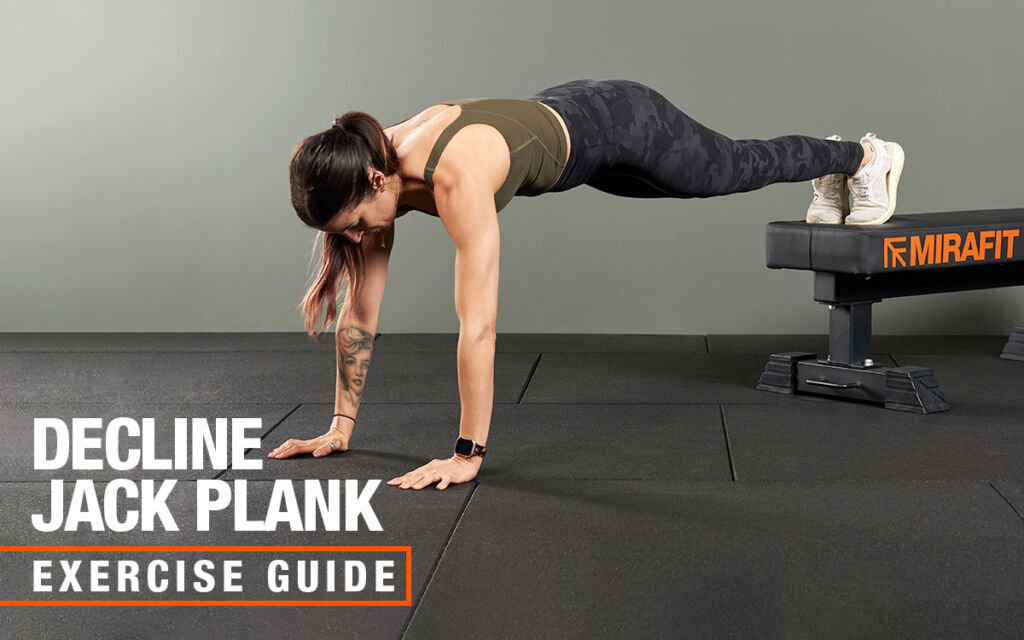
Execute Jack Planks on the Bench
Assume a pushup position with feet elevated on the bench edge and hands on the floor. Your body should form a straight line with your core locked tight.
From this position, jump your feet wide apart to either side of the bench, then jump them back together. Keep your arms stable; only your legs move.
Continue until failure. This is not a timed set. It’s a test of will and muscular endurance.
Why Decline Jack Planks Are So Hard
- Increased upper-body load: More weight shifts to arms and shoulders compared to floor planks
- Horizontal jump force: Requires explosive hip adduction and core bracing
- Metabolic burn: Creates immediate muscle fatigue and breathlessness
Warning: Skip this exercise if you have shoulder instability. Modify by stepping your legs out slowly instead of jumping.
Step Ups for Scalable Cardio
Perform Basic Step Ups
Stand facing the bench. Place one foot fully on top. Drive through your heel to lift your body up. Bring the other foot to meet it. Step down with the first leg, then the second.
Alternate your leading leg each set to balance muscle development.
Add Power with These Variations
Turn basic step ups into a cardio killer with these upgrades:
– Weighted: Hold dumbbells or wear ankle weights
– Speed focus: Step up rapidly for 45+ seconds
– Combo moves: At the top, add a knee raise, overhead press, kickback, or squat
Beginner-Friendly: Start with 10 slow reps per leg. Build to 30+ fast reps as your fitness improves.
Benefits Beyond Cardio
- Improves single-leg strength and balance
- Targets glutes and quads more than double-leg jumps
- Low impact, making it ideal for joint-sensitive users
Build Endurance with Box Shuffle
Shuffle Along the Bench
Stand parallel to the long side of the bench. Step up with the foot closest to it, pushing your body upward. As your second foot starts to rise, quickly step down with the first foot.
Now shift your weight to the foot still on the bench. Step up with the opposite foot on the other side. Continue shuffling laterally along the length of the bench.
The movement resembles a jumping jack meets step-up, performed sideways.
Target Glutes and Quads
The push-off phase forces a deep squat position on your working leg. This time-under-tension builds strength and endurance simultaneously.
Pro Tip: Keep your chest up and core tight. Don’t hunch forward during the shuffle.
Increase Intensity Gradually
- Start slow to master the rhythm
- Speed up as your coordination improves
- Add wrist weights for upper-body burn
Structure Your Bench Cardio Workout

Design a 15-Minute HIIT Routine
Use this template for fat loss and stamina building:
| Exercise | Duration | Rest |
|---|---|---|
| Box Jacks | 45 sec | 15 sec |
| Hop Overs | 45 sec | 15 sec |
| Decline Jack Planks | 30 sec | 15 sec |
| Step Ups (alternating) | 45 sec | 15 sec |
| Incline Mountain Climbers | 45 sec | 15 sec |
Repeat 2–3 rounds. Total workout time: 12–18 minutes.
Customize for Your Fitness Level
- Beginner: Reduce work time to 30 seconds. Increase rest to 30 seconds.
- Advanced: Add weights. Decrease rest to 10 seconds. Add a fifth round.
- Time-crunched: Do one round as a finisher after strength training.
Frequency: 3–4 times per week for best results.
Prevent Injury and Maximize Results
Maintain Proper Form Throughout
- Land softly: Always bend your knees when jumping down
- Engage core: Keep abs tight during all plank and jump variations
- Avoid locking joints: Keep elbows slightly bent in plank positions
- Look ahead: Don’t crane your neck; keep your spine neutral
Choose the Right Surface Height
Too low provides minimal challenge. Too high increases injury risk significantly.
The ideal range is 18–20 inches. Adjust based on your mobility and experience level.
Test with step-ups first. If you can’t step up without pulling with your arms, the surface is too high.
Warm Up and Cool Down Properly
Even short HIIT sessions need preparation and recovery:
– Warm-up (3 min): Arm circles, leg swings, bodyweight squats, inchworms
– Cool-down (3 min): Hamstring stretch, hip flexor lunge, shoulder rolls, deep breathing
Make Bench Cardio Work Anywhere
Use Household Items as Substitutes
No bench? No problem. Substitute with these options:
– Sturdy coffee table
– Exercise step or riser
– Low ottoman (check weight limit first)
– Plywood on cinder blocks (DIY option)
Always test stability before jumping on any substitute surface.
Travel-Friendly Routines
In a hotel room? Do a 10-minute bench cardio blast using the bed (if sturdy) or a chair.
Focus on incline mountain climbers, step-ups on a luggage rack, or bodyweight squats with jump variations.
Key: Prioritize safety over intensity in unfamiliar environments.
Track Progress and Stay Motivated
Measure Your Improvements Weekly
Track these metrics to see real progress:
– Reps completed in 30 seconds (such as hop overs)
– Time to failure (such as decline jack planks)
– Rest reduction (moving from 30 seconds to 15 seconds between sets)
– Perceived exertion (rate 1–10; aim to maintain intensity at lower effort over time)
Avoid Boredom with Exercise Variation
Rotate exercises every 2 weeks to keep your body adapting:
– Swap box jacks for lateral bounds
– Replace step ups with alternating lunges
– Try burpees over the bench for a hybrid challenge
Variety keeps motivation high and prevents plateaus.
Frequently Asked Questions About Bench Cardio
What height should a bench be for cardio exercises?
The optimal height for most adults is 18–20 inches. This range provides enough challenge for plyometric movements while keeping landing forces safe for your joints. Test with step-ups first; if you need to pull with your arms, the surface is too high.
Can I do bench cardio exercises every day?
For best results, aim for 3–4 sessions per week. Your body needs recovery time between high-intensity sessions to repair muscles and prevent overuse injuries. On off days, consider light walking or mobility work.
Do bench cardio exercises build muscle?
Yes, these movements build and preserve lean muscle while burning fat. Plyometric exercises like box jumps and hop overs develop explosive power, while plank variations strengthen your core and upper body.
Are bench cardio workouts good for fat loss?
Bench cardio is highly effective for fat loss because it combines strength and cardiovascular demand. The high oxygen requirement creates an elevated afterburn effect, meaning you continue burning calories after your workout ends.
What if I don’t have a weight bench?
Any sturdy elevated surface works as a substitute. Coffee tables, ottomans, exercise steps, or even a low wall can replicate bench functionality. Always verify stability before performing jumping movements on non-gym equipment.
How long should a bench cardio workout last?
A complete bench cardio session ranges from 12–18 minutes when structured as HIIT. This includes 2–3 rounds of 5 exercises with short rest periods. The high-intensity format delivers results faster than longer steady-state cardio.
Key Takeaways for Your Bench Cardio Training
Bench cardio exercises offer a powerful alternative to traditional cardio machines. They deliver maximum calorie burn, build explosive power, and strengthen your entire body in minimal time. The bench functions as a step, platform, anchor, and barrier, unlocking dozens of movement variations you can rotate to prevent boredom.
Start with one circuit and master the form before increasing speed or reducing rest. Focus on soft landings, engaged core, and consistent technique. Within weeks, you’ll notice improved endurance, stronger muscles, and a leaner physique.
Your next best cardio session doesn’t require a treadmill. It just needs a sturdy surface and the willingness to push hard.