Morning Cardio Benefits: Why Do It?
Feeling like you’re constantly battling fatigue, cravings, or lack of focus? You’re not alone. Millions struggle to stay consistent with exercise, let alone reap maximum benefits from their efforts. But what if the key to better health, sharper focus, and easier weight management wasn’t just what you do, but when you do it?
Research increasingly shows that morning cardio offers a powerful edge over afternoon or evening workouts. From lowering blood pressure and boosting fat burn to enhancing mental clarity and improving sleep, exercising in the early hours aligns with your body’s natural rhythms in ways that amplify results. Whether it’s a brisk walk, jog, cycle, or gym session, starting your day with cardiovascular activity sets a cascade of physiological and psychological benefits into motion, many of which last all day.
In this guide, you’ll discover how morning cardio can help you lose weight more effectively, reduce disease risk, sharpen your mind, and build unshakable habits. Backed by clinical studies and expert insights, we’ll break down exactly why timing matters and how to make morning cardio work for your lifestyle.
Lower Heart Disease and Hypertension Risk
Cardiovascular disease remains the leading cause of death worldwide, but timing your workout may be a surprisingly effective preventive tool. Emerging evidence suggests that morning cardio significantly reduces key risk factors like high blood pressure and cholesterol.
Best Time for Blood Pressure Control
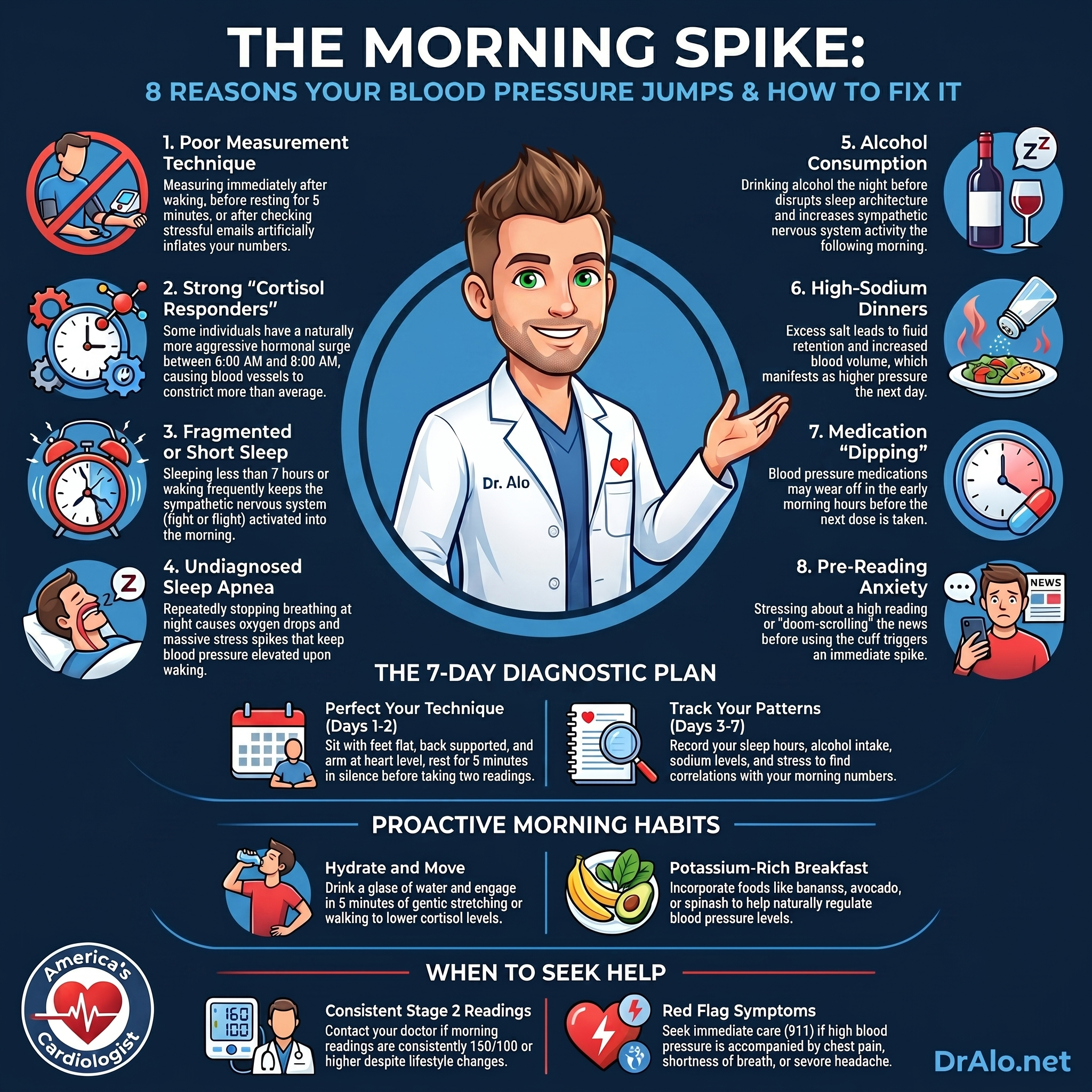
A 2014 study published in Vascular Health and Risk Management found that adults who exercised at 7:00 a.m. experienced the most favorable drops in blood pressure compared to those who worked out at 1:00 p.m. or 7:00 p.m. This aligns with the body’s natural cortisol peak, which helps regulate blood pressure and primes the cardiovascular system for activity.
For people with prehypertension or early-stage hypertension, a consistent morning routine may act as a non-pharmacological intervention, helping keep numbers in a healthier range.
Reduced Risk of Coronary Artery Disease
Large-scale data from nearly 15,000 adults wearing Fitbit devices revealed that those who exercised between 7:00 a.m. and 8:00 a.m. had an 18% lower risk of developing coronary artery disease, the highest protective effect of any time window. They also showed:
- 12% lower risk of high blood pressure
- 15% lower risk of high cholesterol
- 14% lower risk of Type 2 diabetes
Researchers believe morning exercise acts as a zeitgeber, a biological time cue that synchronizes internal clocks in the heart, blood vessels, and metabolic tissues, improving overall cardiovascular efficiency.
Boost Fat Loss and Weight Management

If your goal is to shed pounds or maintain weight loss, morning cardio may be your most effective strategy, backed by clinical trials and behavioral science.
Greater Weight Loss Outcomes
The Midwest Exercise Trial-2 followed inactive adults with overweight or obesity for 10 months. Results were striking:
- Early exercisers (7:00 a.m.–11:59 a.m.): Lost 7.2% of body weight
- Late exercisers: Lost only 2.1%
- 81% of morning exercisers achieved clinically meaningful weight loss (>5%) vs. 36% of late exercisers
This isn’t just about burning calories. It’s about triggering a chain reaction that supports fat loss all day.
Fasted Cardio and 24-Hour Fat Burn
Exercising before breakfast, known as fasted cardio, may enhance fat oxidation. A 2015 study in EBioMedicine found that 10 young men burned more fat over 24 hours when they worked out in the morning before eating.
With low glycogen stores after an overnight fast, the body turns to stored fat for fuel. While not ideal for high-intensity training, low-to-moderate intensity cardio in a fasted state can be a powerful fat-burning tool.
Appetite Control After Morning Workouts
Morning cardio doesn’t just burn fat. It helps you eat less. A 2012 study showed that after a 45-minute morning walk, participants’ brains responded less strongly to food images, especially high-calorie options.
Additionally, morning exercisers tend to:
- Consume fewer calories overall
- Eat less red meat and fried foods
- Make healthier food choices naturally
No diet rules needed, just a habit that shifts behavior.
Increased Daily Activity Levels
Here’s a hidden benefit: morning cardio primes your body to move more all day. The same 2012 study found that participants were more physically active in the 24 hours following a morning workout. This “activity spillover” effect means you burn more calories through non-exercise movement like taking stairs, walking during calls, and pacing while thinking.
Sharpen Focus and Mental Performance
Want to be sharper at work, make better decisions, and stay alert? Morning cardio gives your brain a daily upgrade.
Enhanced Attention and Decision-Making
A 2019 study in the British Journal of Sports Medicine found that a 30-minute morning treadmill walk improved attention, visual learning, and decision-making throughout the day, especially when combined with short movement breaks every 30 minutes.
Endorphins and Mood Regulation
Exercise triggers a flood of endorphins, dopamine, and serotonin, neurochemicals that elevate mood and reduce stress. When released in the morning, these effects can last 12+ hours, creating a sustained “runner’s high.”
The American Psychological Association confirms that regular exercise rewires the brain to handle stress more effectively, making daily challenges feel more manageable.
Lower Anxiety and Mental Clarity
Starting your day with movement provides a mental buffer against anxiety. The rhythmic nature of cardio can act as a form of moving meditation, quieting racing thoughts and grounding your mind. By tackling your workout early, you also gain a psychological win before the day begins.
Improve Sleep Quality and Circadian Rhythm
Contrary to popular belief, morning cardio improves sleep, unlike evening workouts, which can delay sleep onset if too intense.
More Deep Sleep, Fewer Wake-Ups
The 2014 Vascular Health and Risk Management study found that adults who exercised at 7:00 a.m. experienced:
- More time in deep, restorative sleep
- Fewer nighttime awakenings
- Faster sleep onset (reduced latency)
Morning light exposure, especially during outdoor cardio, helps regulate melatonin, the sleep hormone.
Reset Your Internal Clock
Morning exercise acts as a powerful zeitgeber, reinforcing your body’s natural wake-sleep cycle. Over time, this can help phase-advance melatonin release, making you feel sleepy earlier and wake up more refreshed.
Build Unbreakable Exercise Habits
The biggest advantage of morning cardio isn’t metabolic. It’s behavioral. It ensures your workout actually happens.
Fewer Daily Distractions
Mornings are typically free from the chaos of work emails, family demands, and social plans. By exercising first thing, you avoid decision fatigue and the all-too-common excuse: “I’ll do it later.”
Willpower Is Highest in the Morning
Self-control depletes as the day goes on, a concept known as ego depletion. The morning is when your willpower reserves are fullest, making it easier to follow through on intentions.
Habit Formation Through Routine
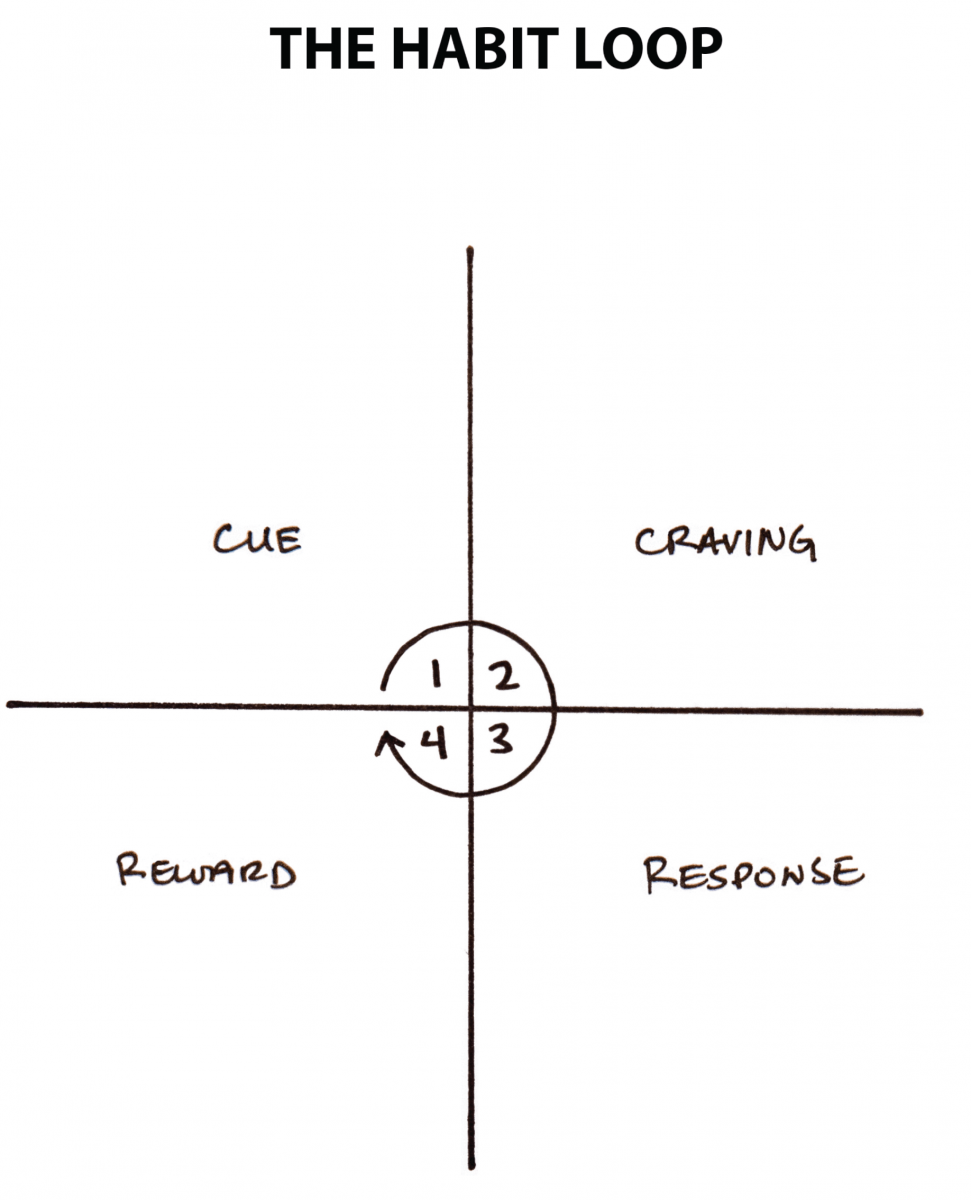
Morning cardio fits perfectly into the cue-routine-reward loop:
- Cue: Waking up, brushing teeth
- Routine: 30-minute walk or run
- Reward: Energy boost, sense of accomplishment
The National Weight Control Registry found that 68% of successful weight maintainers exercise at a consistent time, with early morning (4:00 a.m.–8:59 a.m.) being the most common slot.
Special Benefits for People with Obesity
For those managing overweight or obesity, morning cardio offers unique advantages in adherence and long-term success.
Higher Weekly Exercise Volume
A study of bariatric surgery candidates found that morning walkers were significantly more likely to hit the 150-minute weekly activity target (64% vs. 26% for non-morning exercisers).
Favorable Shifts in Eating Behavior
Morning exercisers with obesity tend to consume fewer total calories and make healthier food choices without dieting, suggesting that morning movement influences appetite regulation at a subconscious level.
Optimize Your Morning Routine
To get the most from morning cardio, smart preparation is key.
Pre-Workout Nutrition: Fasted vs. Fed
Fasted cardio may boost fat burn but can cause dizziness in some. For most, a light meal 30–60 minutes before is ideal:
- Banana with peanut butter
- Greek yogurt with berries
- Protein smoothie
- Small whole-grain toast with avocado
The “30-30-30” Morning Protocol
A popular strategy involves consuming 30 grams of protein within 30 minutes of waking, waiting 30 minutes, then doing 30 minutes of low-intensity cardio. This supports muscle preservation while tapping into fat stores.
Warm Up to Prevent Injury
Your body is stiffest in the morning due to lower core temperature. Always do a 5–10 minute dynamic warm-up:
- Arm circles
- Leg swings
- Jumping jacks
- Spinal mobility drills
Rehydrate and Refuel Post-Workout
Drink water immediately upon waking. Within 15–60 minutes post-exercise, eat a balanced meal with protein and carbohydrates to restore glycogen and support recovery.
Morning vs. Evening Cardio: Key Trade-Offs

| Factor | Morning Cardio | Evening Cardio |
|---|---|---|
| Fat Burn | Higher 24-hour fat oxidation | Lower fasting fat utilization |
| Performance | Lower strength/power (stiffer muscles) | Peak strength and flexibility |
| Adherence | High (fewer distractions) | Lower (fatigue, social plans) |
| Sleep Impact | Improves sleep quality | May disrupt sleep if too late |
| Best For | Weight loss, habit building, focus | Strength training, high-intensity performance |
Bottom line: The best time is the one you can stick to. But for weight loss, consistency, and mental clarity, morning has a clear edge.
Frequently Asked Questions About Morning Cardio
Is fasted cardio better for fat loss?
Fasted cardio may increase 24-hour fat oxidation, according to a 2015 study in EBioMedicine. However, results vary by individual, and eating a light meal beforehand can improve performance and prevent dizziness.
What is the best time for morning cardio?
Research points to 7:00 a.m. to 8:00 a.m. as the optimal window for reducing coronary artery disease risk and improving blood pressure.
Can morning cardio help with weight loss?
Yes. The Midwest Exercise Trial-2 found that early exercisers lost 7.2% of body weight over 10 months, compared to just 2.1% for late exercisers.
Will morning cardio disrupt my sleep?
No. Morning exercise is linked to more deep sleep, fewer awakenings, and faster sleep onset. Evening workouts, especially intense ones close to bedtime, are more likely to interfere with sleep.
How long should a morning cardio session be?
Even 30 minutes of moderate-intensity cardio provides cognitive and metabolic benefits. Beginners can start with 10–15 minutes and build gradually.
Do I need to eat before morning cardio?
It depends on your tolerance. Fasted cardio works for some, but most people benefit from a light snack 30–60 minutes before exercise to stabilize blood sugar and energy levels.
Key Takeaways for Making Morning Cardio Work
Morning cardio delivers amplified rewards that extend far beyond the workout itself. The strongest evidence supports its role in reducing cardiovascular disease risk, with morning exercisers showing significantly lower rates of hypertension, high cholesterol, and coronary artery disease. For weight management, morning timing consistently outperforms later sessions, helping you burn more fat, control appetite, and stay active throughout the day.
The behavioral advantage may be the most powerful of all. By removing daily distractions and leveraging peak willpower, morning cardio builds consistency that compounds over time. Pair this routine with proper nutrition, a dynamic warm-up, and adequate sleep, and you create a sustainable habit that transforms your health.
Your next step: Choose one morning this week to start. Lay out your clothes tonight, set your alarm 30 minutes earlier, and commit to just 10 minutes of movement. The benefits of morning cardio grow with every session you complete.