How to Clean Polar Heart Rate Monitor Strap
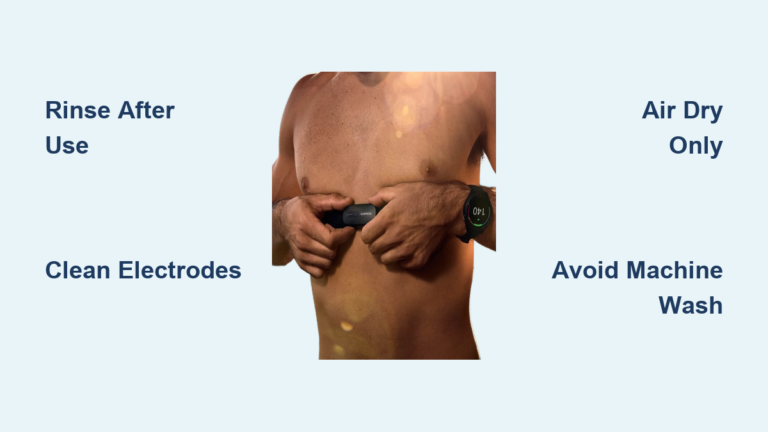
If your Polar heart rate monitor strap keeps dropping signal mid-workout or smells like yesterday’s ride, you’re not alone. Sweat, body oils, and dead skin build up fast on the electrode patches, creating a barrier between your skin and the sensor. This buildup causes spiking heart rate numbers, connection dropouts, and that unmistakable gym-bag odor. A consistent cleaning routine restores accuracy, extends strap life, and keeps your training data honest. Below, you’ll learn exactly how to rinse, deep clean, dry, and store your Polar H10, H9, or compatible textile strap, plus troubleshooting tips for stubborn performance issues.
Rinse Your Polar Strap After Every Workout
Remove Sweat Before It Dries
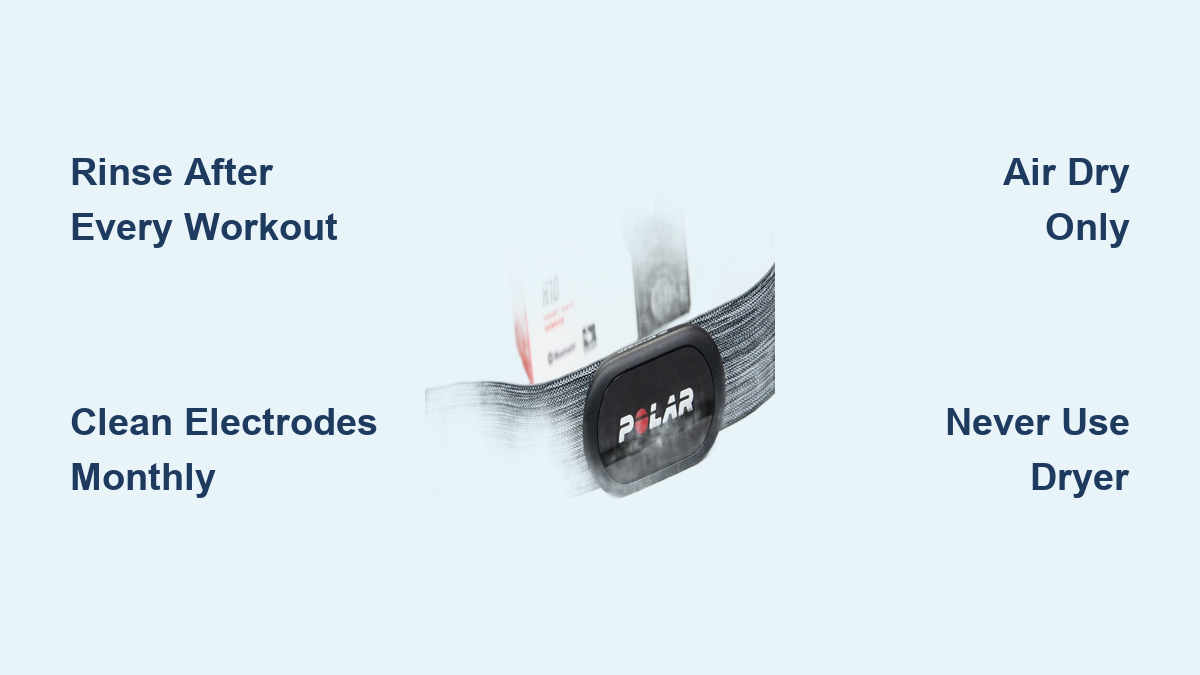
Sweat contains salt and oils that corrode electrode contacts and break down textile fibers over time. Rinse your Polar heart rate monitor strap immediately after every use, ideally before sweat dries on the fabric. Delaying even an hour allows residue to harden, making it harder to remove later and increasing the risk of signal interference.
Use Lukewarm Water Only
Run the strap under lukewarm water to flush out salts without damaging the elastic material or electronic components. Avoid extreme temperatures, which can weaken stretch and degrade internal seals. You can rinse with the sensor module attached for a quick post-workout wash, though removing it is safer for the electronics.
Towel Dry and Air Dry Completely
After rinsing, gently towel dry the strap to remove excess moisture. Then hang it in a well-ventilated area to air dry fully. Never store the strap damp. Moisture trapped in the fabric encourages bacterial growth, leading to odors and skin irritation. Hang it flat or looped over a hook, and avoid twisting or wringing.
Deep Clean the Electrode Patches Monthly
Detach the Sensor Before Washing
For deep cleaning, always remove the sensor module from the textile strap. This minimizes risk to the electronics and lets you focus on the two wide electrode patches inside the strap. These conductive zones pick up your heart’s electrical signals, so any grime buildup directly disrupts accuracy.
Scrub With Mild Soap and a Soft Brush
Apply a small amount of mild hand soap directly to the electrode areas. Use a soft-bristled brush or fingernail brush to scrub gently in circular motions for 10 to 15 seconds per patch. This mechanical action lifts oils, dead skin, and residue that rinsing alone won’t remove. Don’t pull or stretch the fabric during scrubbing.
Rinse Thoroughly and Air Dry
Rinse the strap under lukewarm water until all soap is gone. Leftover residue can cause skin irritation or interfere with conductivity. Hang to air dry away from direct heat or sunlight, and don’t squeeze or twist the strap. Let it dry fully before reattaching the sensor or storing.
Can You Machine Wash a Polar Heart Rate Strap?
Only for Detachable Straps, With Caution
Hand washing is strongly preferred, but some users machine wash Polar-compatible straps successfully. If you choose this route:
- Remove the sensor module first.
- Use a delicate cycle with cold or lukewarm water (max 40°C / 104°F).
- Place the strap in a mesh laundry bag to reduce agitation.
- Wash with similar lightweight garments, avoiding zippers or Velcro.
Even with precautions, repeated machine washing may degrade elasticity and damage internal wiring over time.
Avoid Harsh Detergents and Fabric Softeners
Never use bleach, fabric softener, or strong detergents. These chemicals break down the conductive coating on the electrodes and weaken the textile. Stick to mild, fragrance-free soaps designed for delicates or sportswear.
Never Put Your Polar Strap in the Dryer
Heat Damages Electronics and Fabric
Never use a tumble dryer. High heat can melt internal adhesives holding the sensor contacts, shrink or warp the textile strap, crack the plastic sensor casing, and damage the battery seal. Even brief exposure risks irreversible damage. Air drying is the only safe method.
Skip Direct Heat Sources
Avoid placing the strap on radiators, near space heaters, or in direct sunlight for extended periods. A fan in a well-ventilated room is ideal for faster, safe drying.
Fix Inconsistent Heart Rate Readings
Clean Electrodes to Restore Signal
If your Polar strap shows spiking heart rates, dropouts, or fails to connect, dirty electrodes are the most likely cause. Perform an immediate deep clean with a brush. This resolves most performance issues. Users often report restored accuracy after removing visible buildup or passing the “sniff test.” If it smells bad, it’s affecting performance.
Check for Wear and Tear
Inspect the electrode patches regularly. If they appear frayed, discolored, or flattened, the conductive layer may be worn out. Textile straps are consumable items with a typical lifespan of one to two years, even with perfect care. Heavy users or salty sweaters may need replacements sooner.
Wet the Strap Before Use
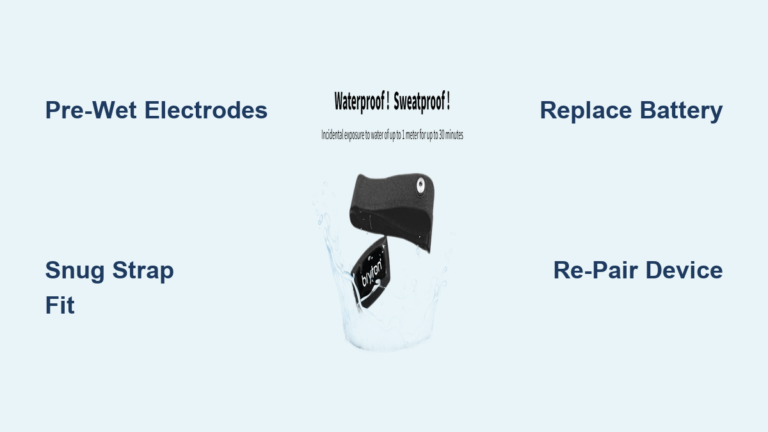
For best signal acquisition, wet the electrode areas before starting your workout. Use water or a small amount of electrode gel. A dry strap increases impedance, leading to poor contact and erratic readings, especially during low-intensity activities.
Store Your Polar Strap Properly to Extend Lifespan
Keep It Dry and Flat
Always store your Polar heart rate monitor strap completely dry in a cool, dark place. Avoid crumpling it tightly in a gym bag, as this stresses the conductive fibers and may bend internal wiring. Instead, loosely coil or hang it.
Avoid Compression and Folding
Repeated sharp folds can break conductive threads over time. Store it in an open drawer or on a hook. If carrying in a bag, place it in a ventilated compartment or pouch to prevent moisture buildup.
Special Cases: Salty Sweaters and Frequent Use
Rinse More Often If You’re a Salty Sweater
If you notice white salt crusts after workouts, you’re a high-sodium sweater, and your strap needs extra care. Salt accelerates electrode corrosion. Rinse immediately after every use and consider deep cleaning every two to three weeks instead of monthly. Scrubbing the electrodes becomes non-negotiable for reliable data.
Increase Cleaning Frequency for Daily Riders
If you train daily, weekly hand washing is ideal. For multi-day events or back-to-back rides, rinse after each session and deep clean at the end of the week. Skipping deep cleans leads to rapid performance decline, even with daily rinsing.
Compatibility With Other Brands
Same Method for Garmin, Wahoo, and Others
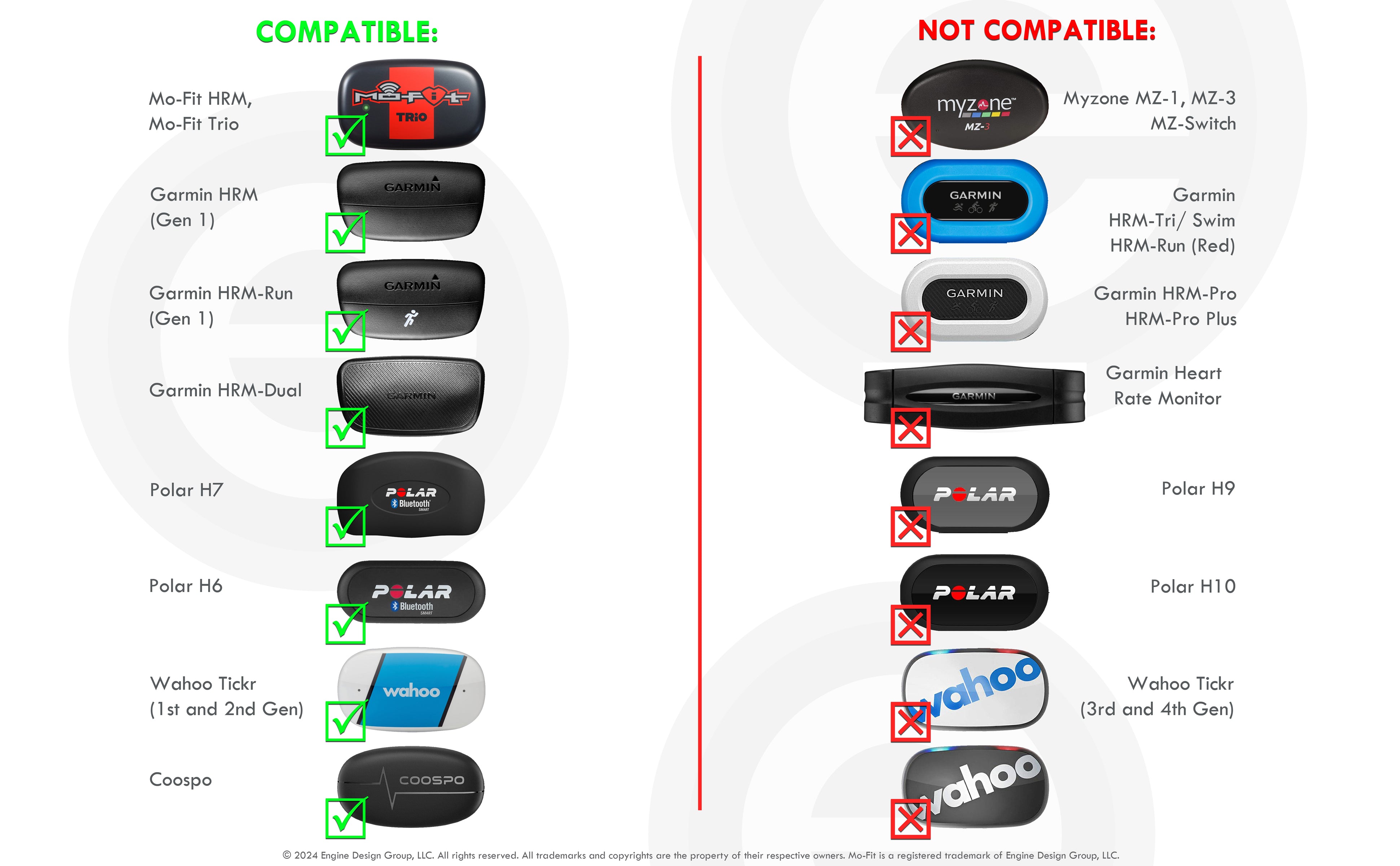
These cleaning principles apply to any textile-based heart rate strap with removable sensors, including:
- Garmin HRM-Dual
- Wahoo TICKR
- Suunto Smart Sensor
All use similar conductive textiles and electrode patches. Follow the same rinse-after-use, brush-monthly, air-dry-only protocol regardless of brand. Always check manufacturer guidelines, but most recommend hand washing and avoiding machine dryers.
Troubleshoot Common Cleaning Mistakes
Don’t Soak the Sensor Module
Avoid prolonged soaking of the sensor unit’s metal contacts. While brief rinsing is safe, extended water exposure may seep past seals and damage internal circuitry. Clean the contacts only with a damp cloth if needed.
Never Use Alcohol or Disinfectant Wipes
While tempting for disinfection, isopropyl alcohol or wipes can strip conductive coatings and dry out rubber seals. Stick to soap and water for the strap. For the sensor casing, use a damp cloth with mild soap, then wipe dry.
Avoid Overstretching During Cleaning
Pulling the strap too hard while wet can misalign conductive threads. Handle gently, as you would delicate lingerie. Stretch only enough to rinse and scrub.
Frequently Asked Questions About Cleaning Polar Heart Rate Monitor Straps
How often should I clean my Polar heart rate monitor strap?
Rinse with lukewarm water after every workout to remove sweat and salt. Deep clean with mild soap and a soft brush once a month, or every two to three weeks if you’re a salty sweater or train daily.
Can I machine wash my Polar H10 or H9 strap?
Hand washing is strongly preferred. If you machine wash, remove the sensor module first, use a delicate cycle at 40°C maximum, and place the strap in a mesh laundry bag. Repeated machine washing may degrade elasticity over time.
What soap is safe for cleaning a Polar heart rate strap?
Use mild hand soap or gentle, fragrance-free detergent designed for delicates or sportswear. Avoid bleach, fabric softener, and harsh detergents, which strip the conductive coating on the electrodes.
Why does my Polar strap keep losing signal during workouts?
Dirty or worn electrode patches are the most common cause. Perform a deep clean with a soft brush and wet the electrode areas before each workout. If problems persist, inspect for fraying or discoloration and consider replacing the strap.
Can I put my Polar strap in the dryer?
Never. Dryer heat can melt internal adhesives, shrink the textile, warp the sensor casing, and damage the battery seal. Always air dry in a well-ventilated area away from direct sunlight or heat sources.
How long does a Polar heart rate strap typically last?
With proper care, textile straps last one to two years. Heavy users, salty sweaters, or those who skip regular cleaning may need replacements sooner. Inspect electrode patches regularly for signs of wear.
Key Takeaways for Cleaning Your Polar Heart Rate Monitor Strap
A clean strap means accurate data. Rinse after every workout with lukewarm water, deep clean the electrode patches monthly with mild soap and a soft brush, and always air dry away from heat. Never use a dryer, bleach, or fabric softener, as these destroy the conductive coating that makes the strap work. If readings become erratic, dirty electrodes are the usual suspect, and a thorough scrub usually restores performance. Treat your Polar H10 or H9 strap like high-performance gear, and it will deliver reliable heart rate data for years. Start your post-workout rinse routine today, and your future self (and your training log) will thank you.