How to Lose Fat With Cardio
You’ve probably heard that cardio is the go-to solution for shedding fat. And it’s true—when done right, cardiovascular exercise can accelerate fat loss by increasing calorie burn and improving metabolic health. But simply hopping on a treadmill every day won’t guarantee results. To lose fat effectively with cardio, you need a smart strategy that combines the right type, intensity, and timing of workouts—paired with nutrition and strength training.
The key lies in understanding how cardio contributes to a calorie deficit, the non-negotiable foundation of fat loss. You must burn more calories than you consume, and while diet plays the biggest role in creating that deficit, cardio helps you burn extra calories without feeling overly restricted. In this guide, you’ll learn how to maximize fat loss through cardio by choosing the best exercises, targeting optimal heart rate zones, avoiding common pitfalls, and combining cardio with other fat-burning tactics.
Maximize Calorie Deficit with Cardio

Cardio works because it increases your Total Daily Energy Expenditure (TDEE), the total calories you burn each day. The more active you are, the more calories you can eat while still losing fat. To lose fat, you need a consistent calorie deficit of roughly 500–1,000 calories per day to shed 1–2 pounds per week.
A 30-minute run can burn 350+ calories, making it easier to maintain a deficit without extreme dieting. However, relying solely on cardio without watching your diet often leads to slow or stalled progress—especially since it’s easy to overestimate calories burned and underestimate calories eaten.
Combine Cardio with Diet for Best Results
Cardio enhances fat loss, but it can’t out-train a poor diet. The most effective approach uses cardio to support a moderate calorie deficit, not create it entirely. For example:
- Eat 500 fewer calories per day
- Burn an extra 250 calories through cardio
- Result: 750-calorie daily deficit, equal to about 1.5 lbs of fat loss per week
This balanced method prevents muscle loss, keeps energy levels stable, and is easier to maintain than extreme dieting.
Avoid the “Exercise = Free Pass” Trap
Many people fall into the trap of thinking, “I worked out, so I can eat more.” Unfortunately, cardio often burns fewer calories than people assume, and post-workout hunger can lead to overeating. Research shows exercisers frequently overestimate calorie burn by 30–50%. Instead of using cardio as a reason to eat more, use it as a tool to increase fat loss without extreme hunger. Focus on nutrient-dense, high-satiety foods like protein, fiber-rich vegetables, and healthy fats.
Cardio vs. Strength Training: What Burns More Fat?
It’s time to clear up a major misconception: cardio doesn’t “burn more fat” than strength training—it just burns more calories during the workout. Strength training delivers long-term fat loss benefits by reshaping your body composition.
Why Strength Training Matters for Fat Loss
When you lose weight in a calorie deficit, your body may burn both fat and muscle. Without resistance training, up to 25% of weight lost can be muscle, especially on low-calorie diets. Losing muscle slows your metabolism, making future fat loss harder. Strength training signals your body to preserve lean mass, so fat becomes the primary fuel source. It also:
- Boosts resting metabolic rate (RMR) by building calorie-burning muscle
- Prevents the “skinny fat” look of low weight but high body fat
- Enhances insulin sensitivity, reducing belly fat storage
The Best Strategy: Combine Both
For maximum fat loss and a lean, toned physique, use cardio to burn calories and strength training to protect muscle and boost metabolism. Aim for 2–3 strength sessions per week targeting all major muscle groups. This synergy ensures you lose fat, not muscle, and keeps your metabolism firing even at rest.
Choose the Right Cardio Intensity
Not all cardio is created equal. The intensity of your workout determines how many calories you burn, how long the burn lasts, and whether you’re optimizing fat loss.
Low, Moderate, or High Intensity?
Different intensities serve different purposes:
- Low intensity (50–60% MHR): Easy and sustainable. Good for recovery or beginners.
- Moderate intensity (60–70% MHR): The “fat-burning zone.” Burns a higher percentage of fat calories.
- High intensity (70–85% MHR): The “aerobic zone.” Burns more total calories, mostly from carbs, but total fat burned is higher due to overall energy expenditure.
The Truth About the “Fat-Burning Zone”
Many people stay in the moderate zone because they believe it burns the most fat. While it’s true that a higher percentage of calories come from fat, the total calorie burn is lower than in higher zones. For example:
- 30 mins at 65% MHR: 200 calories burned, 65% from fat = 130 fat calories
- 30 mins at 80% MHR: 350 calories burned, 45% from fat = 158 fat calories
So even though fat makes up a smaller percentage of fuel, you burn more actual fat calories at higher intensity due to greater total energy use.
Use a Mix of Intensities
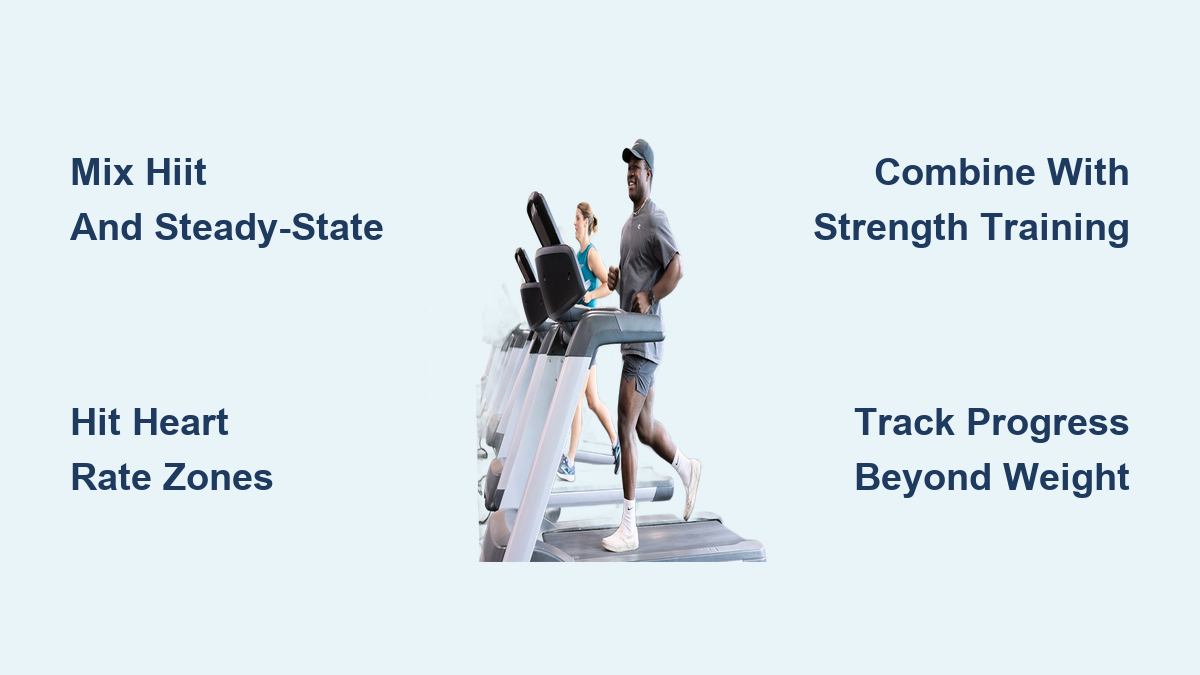
For best results, combine steady-state cardio (60–70% MHR) for 2–3 sessions per week lasting 30–60 minutes with high-intensity interval training (HIIT) for 1–3 sessions per week lasting 15–30 minutes. This variation prevents plateaus, keeps workouts engaging, and improves both aerobic and anaerobic fitness.
Target Heart Rate Zones for Fat Loss
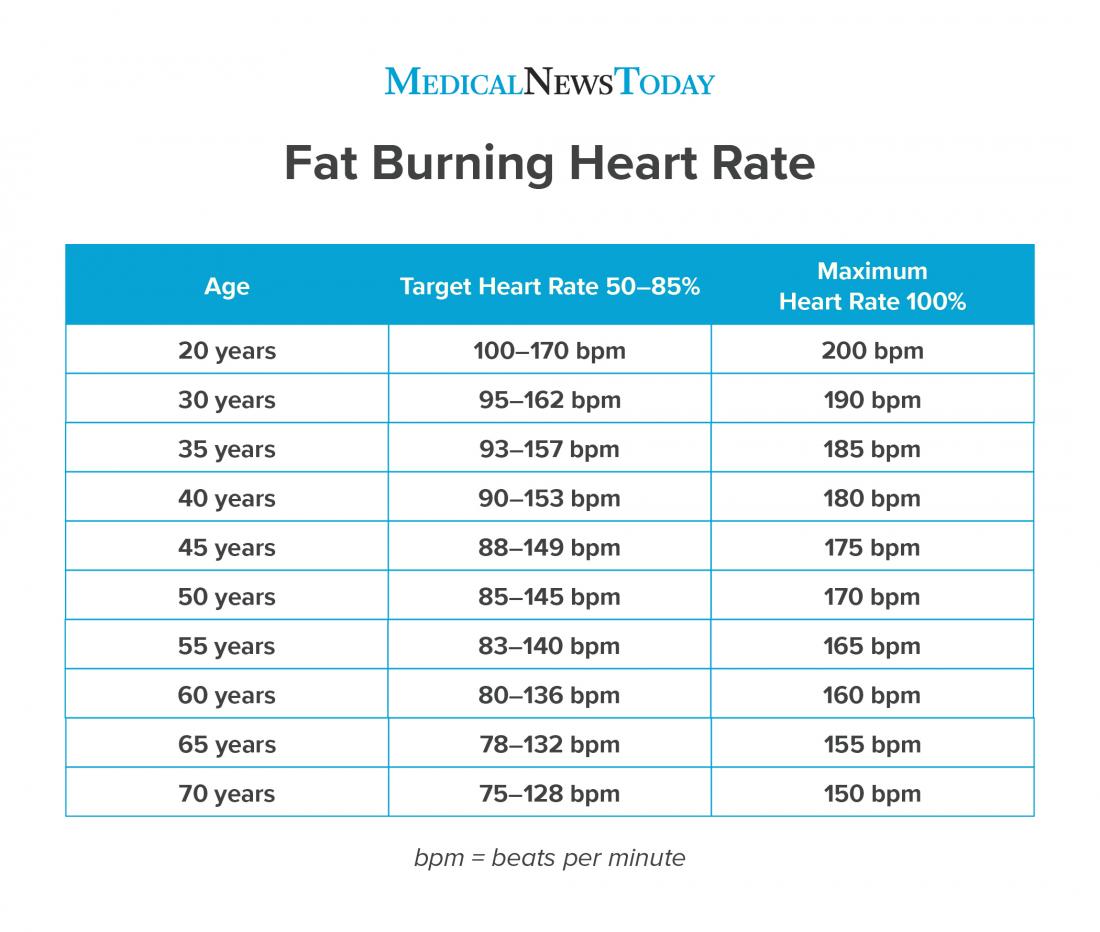
To get the most from your cardio, you need to know if you’re working at the right intensity. Heart rate zones provide an objective way to track effort and ensure you’re in the optimal range for fat loss.
Calculate Your Max Heart Rate
Use the simple formula: Max Heart Rate (MHR) = 220 – Your Age. For a 35-year-old, MHR equals 185 bpm.
Key Zones for Fat Loss
| Zone | Intensity | % of MHR | Fat Burning Effect |
|---|---|---|---|
| Fat-Burning Zone | Moderate | 60–70% | Highest % of calories from fat |
| Aerobic Zone | Vigorous | 70–85% | Highest total fat calories burned |
For a 35-year-old, the fat-burning zone is 111–130 bpm and the aerobic zone is 131–157 bpm.
Monitor Your Effort Accurately
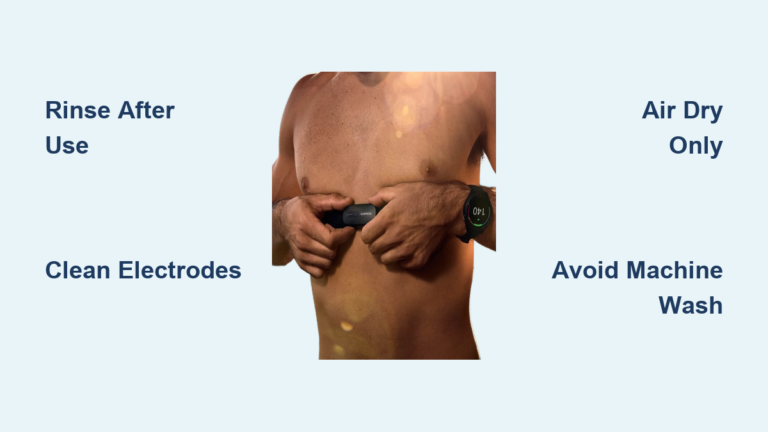
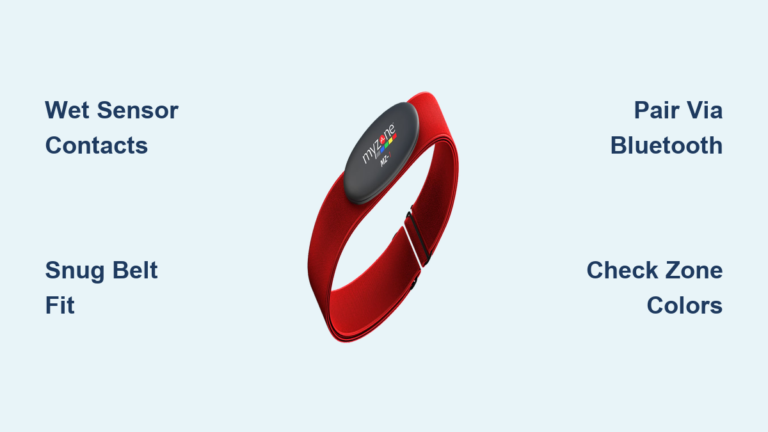
- Wear a heart rate monitor (wrist or chest strap) for real-time feedback
- Use the “talk test”: If you can talk but not sing, you’re in the fat-burning zone. If you can’t talk comfortably, you’re in the aerobic zone.
- Adjust for medications: Beta-blockers and other heart medications can lower max heart rate. Consult your doctor if you’re on such meds.
Best Cardio Exercises for Fat Loss

Some cardio workouts burn more calories, build more fitness, and are easier to stick with. Choose activities that fit your fitness level, goals, and preferences.
High-Calorie Burners (30 Minutes, ~155 lb Person)
| Exercise | Calories Burned | Notes |
|---|---|---|
| Running (6 mph) | 372 | High impact; great for calorie burn |
| Jump Rope | 372 | Full-body, portable, high intensity |
| HIIT | 350–594 | Max fat loss in minimal time |
| Cycling (Vigorous) | 298 | Joint-friendly, scalable effort |
| Rowing | 260 | Full-body, low impact |
| Swimming | 255 | Total-body, zero joint stress |
| Brisk Walking | 149 | Accessible, sustainable |
Pick Based on Your Needs
- For joint issues: Choose swimming, cycling, elliptical, or rowing
- For time efficiency: HIIT or jump rope
- For beginners: Start with brisk walking or low-intensity cycling
- For variety: Rotate between 3–4 types weekly to prevent boredom and plateaus
HIIT: The Fastest Way to Burn Fat
If you’re short on time or hitting a plateau, High-Intensity Interval Training (HIIT) is your best tool.
Why HIIT Works
- Burns up to 30% more calories than steady-state cardio in the same time
- Triggers EPOC (Excess Post-exercise Oxygen Consumption), so your body continues burning calories for hours after the workout
- Reduces visceral fat (belly fat around organs) more effectively than moderate cardio
- Improves insulin sensitivity and cardiovascular fitness
Sample HIIT Workouts
Beginner (20 mins):
– 5 min warm-up (brisk walk)
– 30 sec jog, 60 sec walk, repeat 8x
– 5 min cool-down
Advanced (15 mins):
– 3 min warm-up
– 20 sec sprint (bike, run, or row), 40 sec rest, repeat 8x
– 3 min cool-down
Bodyweight HIIT (No Equipment):
– 30 sec burpees
– 30 sec rest
– 30 sec mountain climbers
– 30 sec rest
– 30 sec jump squats
– 1 min rest
– Repeat 3–4 rounds
How Often to Do HIIT
Limit HIIT to 2–3 times per week to avoid overtraining and joint stress. Pair it with moderate cardio and strength training for balanced fat loss.
Low-Impact Cardio for Joint Protection
If you have joint pain, are overweight, or are returning from injury, low-impact cardio is essential.
Top Joint-Friendly Options
- Cycling (stationary or outdoor): Builds leg strength with minimal joint stress
- Swimming or water aerobics: Water supports body weight, reducing impact
- Elliptical trainer: Mimics running motion without foot strike
- Rowing machine: Full-body workout, low joint strain
- Walking: Simple, effective, and sustainable
Benefits Beyond Fat Loss
Low-impact cardio improves cardiovascular health, builds endurance, supports mobility and joint health, and is easier to maintain long-term.
Burn Fat at Home Without Equipment
You don’t need a gym or fancy machine to do effective fat-burning cardio.
No-Equipment Cardio Routines
Bodyweight Circuit (20–30 mins):
– 45 sec high knees
– 15 sec rest
– 45 sec jumping jacks
– 15 sec rest
– 15 burpees
– 30 sec rest
– 45 sec mountain climbers
– 15 sec rest
– Repeat 3–5 rounds
Dance Cardio (Zumba-style):
– Play high-energy music
– Dance freely for 30–45 mins
– Add squats, jumps, and arm movements
Stair Climbing (if you have stairs):
– Up and down for 10–20 mins
– Add a backpack for resistance
These home workouts are effective, fun, and easy to schedule.
Schedule Cardio for Maximum Fat Loss
:max_bytes(150000):strip_icc()/cardio-strength-4-week-workout-planchallenge-550d11b5b6b74e1a834002edf053ebc3.jpg)
How often and when you do cardio matters. A well-planned routine prevents burnout and maximizes results.
Weekly Recommendations
- Moderate cardio: 150–300 minutes per week (e.g., 30–60 mins, 5 days)
- Vigorous cardio (HIIT): 75–150 minutes per week
- Strength training: 2–3 days per week
Sample Weekly Plan
- Monday: Strength Training (Full Body)
- Tuesday: 30-min Brisk Walk or Cycle (Moderate)
- Wednesday: HIIT (20 mins)
- Thursday: Rest or Light Walk
- Friday: Strength Training (Full Body)
- Saturday: 45-min Swim or Hike
- Sunday: Rest
This schedule balances intensity, recovery, and consistency.
Cardio Before or After Weights?
Most people should do strength training before cardio.
Why?
Cardio tires your muscles, reducing strength and power during lifting. Fatigued muscles increase injury risk during heavy lifts. Lifting first ensures you get the most out of your strength session.
Alternatives
- Split workouts: Do cardio in the morning, weights at night
- Separate days: Dedicate certain days to cardio, others to strength
- Low-intensity cardio after weights: A 10–20 min walk or cycle post-lift is fine
Avoid Fat Loss Plateaus
If the scale stops moving, your body has adapted. Here’s how to break through.
Change Your Routine Every 4–6 Weeks
- Swap running for cycling or swimming
- Replace steady-state with HIIT
- Increase speed, incline, or resistance
- Try new classes like kickboxing, dance, or boot camp
Track More Than Weight
- Measure waist, hips, and thighs
- Take progress photos
- Notice how clothes fit
- Track endurance (e.g., how far you can run)
Muscle gain can offset fat loss on the scale, so don’t rely on weight alone.
Support Fat Loss with Nutrition and Recovery
Cardio is just one piece of the puzzle. To lose fat, you must also prioritize recovery and fueling.
Eat Enough Protein
- Aim for 0.7–1 gram of protein per pound of body weight daily
- Protein preserves muscle in a deficit and keeps you full
- Good sources include chicken, fish, eggs, Greek yogurt, tofu, and legumes
Manage Stress and Sleep
High cortisol from stress or poor sleep promotes belly fat storage. Aim for 7–9 hours of sleep per night. Practice stress-reduction techniques like meditation, walking, or deep breathing.
Stay Hydrated
Dehydration reduces workout performance and metabolic rate. Drink water throughout the day and monitor urine color. Pale yellow means you’re well-hydrated.
Fasted Cardio: Worth It?
Fasted cardio means exercising before eating, often in the morning.
Pros and Cons
- Pros: May increase fat oxidation slightly during the workout
- Cons: Can cause fatigue, dizziness, or muscle breakdown if overdone
The Bottom Line
Research shows no significant difference in total fat loss between fasted and fed cardio. Consistency matters more than timing. If you feel strong doing fasted cardio, go for it. If you feel weak, eat a small snack like a banana with peanut butter 30–60 mins before.
Frequently Asked Questions About Losing Fat with Cardio
How long does it take to lose fat with cardio?
With a consistent calorie deficit of 500–1,000 calories per day through diet and exercise, you can expect to lose 1–2 pounds of fat per week. Results vary based on starting weight, metabolism, and adherence.
Is it better to do cardio in the morning or evening?
The best time to do cardio is whenever you can be consistent. Research shows no significant difference in fat loss between morning and evening workouts. Choose a time that fits your schedule and energy levels.
Can I lose fat with cardio without changing my diet?
You can lose some fat with cardio alone, but progress will be slower and harder to sustain. Combining cardio with a moderate calorie deficit produces faster, more sustainable results and helps preserve muscle mass.
How much cardio do I need to lose belly fat?
Aim for at least 150–300 minutes of moderate cardio or 75–150 minutes of vigorous cardio per week, combined with strength training. Spot reduction is a myth, but consistent cardio effectively reduces visceral fat over time.
Should I do cardio every day to lose fat faster?
Doing cardio daily isn’t necessary and can increase injury or burnout risk. Aim for 4–5 cardio sessions per week with at least 1–2 rest days for recovery and muscle repair.
What’s the best cardio for beginners who want to lose fat?
Brisk walking, low-intensity cycling, and beginner HIIT routines are excellent starting points. Start with 20–30 minute sessions at 50–60% of your max heart rate and gradually increase duration and intensity.
Key Takeaways for Losing Fat with Cardio
Cardio is a powerful fat-loss tool, but it works best when combined with strength training, smart nutrition, and recovery. Focus on creating a consistent calorie deficit through a mix of diet and exercise. Mix steady-state cardio with HIIT to maximize calorie burn and fat oxidation. Target your heart rate zones to ensure efficient workouts, and vary your routine every 4–6 weeks to prevent plateaus.
Your next step: Pick one cardio workout from this guide and schedule it into your week. Start with 20–30 minutes at a moderate intensity, track your effort, and build from there. Consistency beats perfection—show up, stay patient, and the results will follow.