How to Choose a Fitness Tracker: Quick Guide
You’ve decided to take control of your health, and now you’re staring at a wall of fitness trackers: sleek bands, glowing smartwatches, even tiny rings. How do you pick the right one? The truth is, not all fitness trackers are created equal. Your perfect device depends on your goals, lifestyle, and budget. In 2026, choosing a tracker goes far beyond step counting; it’s about finding a health partner that fits your daily routine.
This guide cuts through the noise. You’ll learn how to evaluate form factors, sensors, apps, and hidden costs so you don’t waste money on features you’ll never use. Whether you’re a casual walker, a serious athlete, or managing a health condition, the right tracker can transform your habits. Let’s break down exactly what to look for.
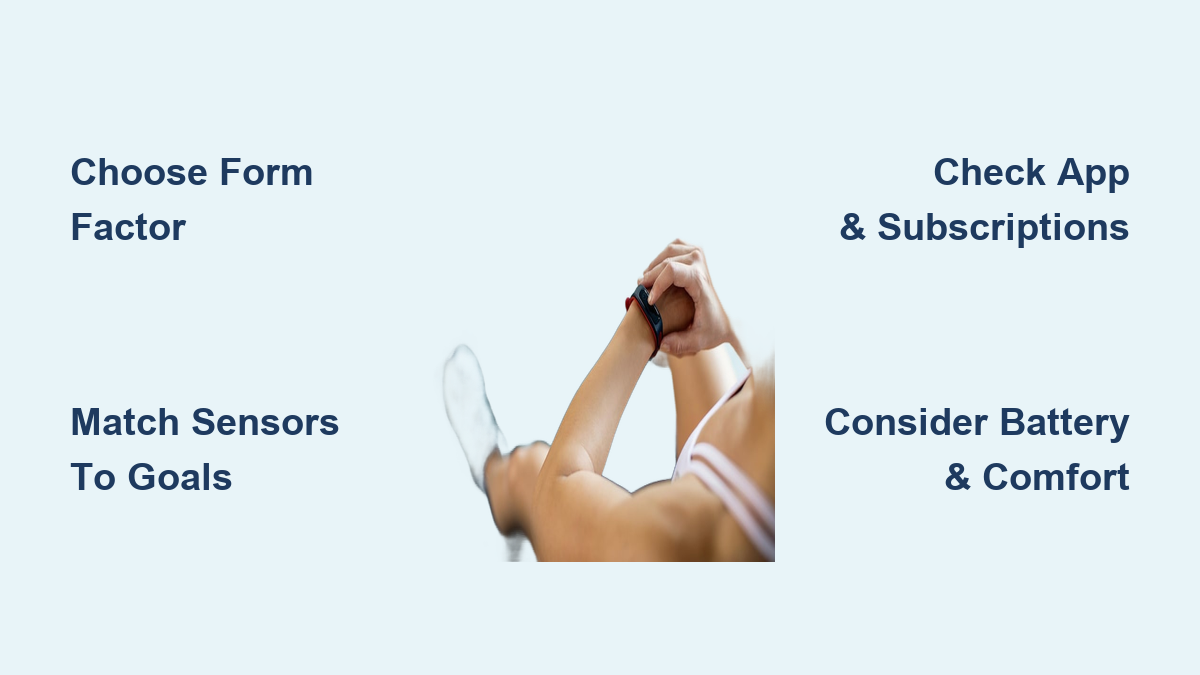
Pick the Right Form Factor

Your tracker’s design affects comfort, battery life, and how often you’ll actually wear it. Choose wisely, because this is the foundation of your decision.
Fitness Bands: Lightweight and Long-Lasting
Bands are slim, low-profile devices built for 24/7 wear. They’re ideal if you want something unobtrusive that disappears on your wrist.
- Best for: Sleep tracking, daily activity monitoring, and users who dislike bulky devices.
- Battery life: 10+ days (Xiaomi Smart Band 10 lasts up to 14).
- Trade-offs: Smaller screens limit data visibility; fewer smart features.
- Top picks: Fitbit Inspire 3 (best accuracy), Xiaomi Smart Band 10 (best budget).
Pro tip: If you toss and turn at night, a slim band like the Inspire 3 won’t dig into your arm like a watch.
Smartwatch-Style Trackers: Full-Feature Fitness Hubs
These look like traditional watches but pack advanced fitness tools. Think AMOLED screens, GPS, and workout navigation.
- Best for: Runners, cyclists, and users who want notifications, maps, and payments on their wrist.
- Battery life: 5–10 days (less with always-on displays).
- Trade-offs: Bulkier design; shorter battery than bands.
- Top picks: Huawei Watch Fit 4 (best value), Amazfit Bip 6 (huge screen, offline maps).
Warning: GPS accuracy varies. Dual-frequency GPS (Huawei Watch Fit 4) tracks better in cities or forests than basic models.
Screenless Trackers: Track Without Distractions
No screen. No notifications. Just pure biometric data collection. These are for users who want insights, not interruptions.
- Best for: Athletes focused on recovery, sleep, and strain metrics.
- Battery life: Up to 14 days (Whoop 5.0).
- Trade-offs: Zero on-device data; must use a phone app.
- Top picks: Whoop 5.0 (best coaching), Fitbit Air (new 2026 release, 5-minute fast charge).
Expert note: Whoop’s recovery score is trusted by pro athletes. But you’ll pay for it; subscription starts at $199/year.
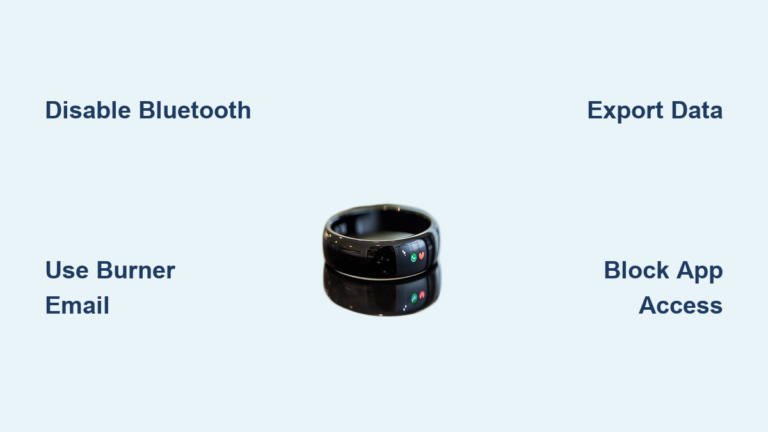
Smart Rings: Discreet but Limited
Worn like jewelry, rings are perfect if you hate wrist devices or play contact sports.
- Best for: Sleep tracking, style-conscious users, martial artists, or climbers.
- Battery life: 4–7 days (shorter than bands).
- Trade-offs: No display; hard to interact with; can scratch during weightlifting.
- Top picks: Hume Band 2.0 (focuses on biomarkers), Oura (market leader).
Reality check: Rings are comfortable for sleep but require removal during heavy lifting to avoid damage.
Match Sensors to Your Goals

Don’t pay for sensors you won’t use. Align features with what matters most to your health or training.
Step and Activity Tracking: Accuracy Matters
All trackers count steps, but not all do it well.
- Best performer: Fitbit Inspire 3 (only 0.32% error in testing).
- Average accuracy: Most mid-tier bands fall within 1–2%.
- Key features: Auto-detect workouts, active minutes, floor climbing.
Avoid: Cheap no-name brands. Some overcount steps by 10% or more.
Heart Rate Monitoring: Know the Limits
Optical wrist sensors have improved, but they’re not perfect.
- Best for daily trends: Fitbit, Whoop, Apple Watch.
- Best for intense workouts: Chest straps still win. Wrist sensors struggle during HIIT or weightlifting.
- Advanced metrics: HRV (recovery), resting heart rate, VO2 Max.
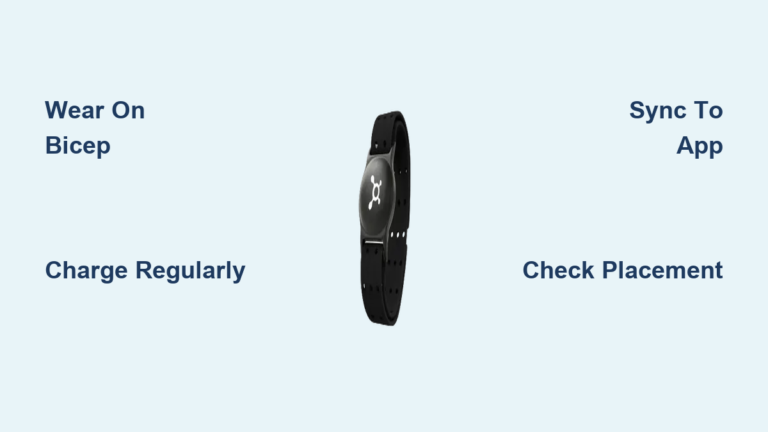
Pro tip: Whoop 5.0 can be worn on the bicep for better accuracy than on the wrist.
GPS Tracking: Built-In vs Connected
Want to ditch your phone on runs? You need reliable GPS.
- Connected GPS: Uses your phone’s signal (Fitbit Inspire 3). Cheaper, but phone must be nearby.
- Built-in GPS: Tracks standalone. Look for dual-frequency (Huawei Watch Fit 4) for urban accuracy.
- Offline maps: Found in premium models (Amazfit Active 2), useful for trail runners.
Bug alert: Fitbit Charge 6 and some Amazfit models have reported GPS dropouts. Check reviews before buying.
Sleep Tracking: Comfort Is Key
If sleep is your focus, wearability matters more than sensors.
- Most accurate app: Fitbit’s sleep stage breakdown is easy to understand.
- Best hardware: Screenless devices (Whoop, Hume Band) don’t wake you with light.
- Advanced insights: Sleep apnea detection (Apple Watch SE), coaching (Fitbit Premium).
Fact: You’ll get better sleep data from a device you forget you’re wearing.
Health Sensors: When to Pay More
Some features are life-saving. Others are gimmicks.
ECG/EKG
- What it does: Detects atrial fibrillation (AFib).
- Available on: Fitbit Charge 6, Apple Watch SE.
- FDA-cleared: Yes, useful for heart health monitoring.
Blood Oxygen (SpO2)
- What it does: Tracks nighttime oxygen dips (possible sleep apnea signs).
- Available on: Most mid-to-high-end trackers.
- Medical-grade: Oxiline Pulse XS Pro (FDA-cleared, fingertip device).
Blood Pressure
- Trend tracking only: Hume Band 2.0 shows trends, not clinical readings.
- FDA-cleared device: Oxiline Pressure XS Pro (uses arterial vibration tech).
- Warning: Whoop’s “Blood Pressure Insights” are not FDA-approved. The FDA issued a warning in July 2025.
Temperature & Respiration
- Temperature sensing: Apple Watch SE, Hume Band, useful for illness detection and cycle tracking.
- Respiratory rate: Tracked at rest by Fitbit, Apple, and Whoop.
Bottom line: If you need medical monitoring, choose FDA-cleared devices. Otherwise, trend data is fine for general wellness.
Evaluate the App and Subscription Model

Hardware is just half the story. The app turns data into decisions.
Why the App Decides Everything
A great tracker with a bad app is useless. Look for:
- Clear data trends: Daily, weekly, monthly views.
- Actionable insights: “Your recovery is low—take a rest day.”
- Integration: Syncs with Strava, Apple Health, Google Fit.
- Coaching: AI-driven plans, guided workouts.
Top app: Fitbit (best for beginners), Whoop (best for athletes), Zepp (clean, no clutter).
Subscription Costs: Hidden Price Tags
Many brands now lock features behind paywalls.
| Brand | Subscription Required? | Cost | What You Unlock |
|---|---|---|---|
| Whoop | Yes (mandatory) | $199–$359/year | Recovery scores, coaching, analytics |
| Fitbit Premium | Optional | $10/month | Sleep coaching, Google Health Coach, advanced insights |
| Hume, Xiaomi, Amazfit, Huawei | No | $0 | Full access to all data and features |
Cost alert: A “free” Whoop device costs $398 over two years with a subscription. A $53 Xiaomi band costs $53 total.
Platform Compatibility: Don’t Get Locked Out
- iPhone users: Apple Watch SE has deepest integration (fall detection, wheelchair mode). Fitbit and Garmin work well too.
- Android users: Wider choice, including Wear OS, Fitbit, Amazfit, and Huawei.
- Google dependency: New Fitbit users must sign in with a Google account, which has privacy implications.
Privacy tip: Review data policies. Google stores and may share Fitbit data under its terms.
Set Your Budget and Total Cost

Price isn’t just what you pay upfront; it’s what you pay over time.
Upfront Cost: What You See
- Budget: $50–$80 (Xiaomi, Amazfit Bip 6).
- Mid-range: $100–$180 (Fitbit Charge 6, Huawei Watch Fit 4).
- Premium: $250+ (Apple Watch SE, Garmin, Whoop with subscription).
Total Cost of Ownership: What You Miss
- No subscription: Xiaomi, Amazfit, Huawei. A $100 device equals $100 total.
- With subscription: Whoop $0 hardware + $360/year = $720 over two years.
- Hybrid: Fitbit Charge 6 ($159) + Premium ($100/year) = $318 in two years.
Smart move: If you hate subscriptions, avoid Whoop and Fitbit Premium lockouts.
Prioritize Battery and Comfort
No one likes charging every night or waking up to a dead tracker.
Battery Life: How Often Can You Charge?
- Daily charge: Apple Watch SE.
- Weekly charge: Fitbit Charge 6, Amazfit models.
- Bi-weekly or longer: Whoop 5.0 (~14 days), Xiaomi (14+ days).
Game-changer: Fitbit Air (2026) charges in 5 minutes for 1 full day of use.
Comfort: Will You Actually Wear It?
- Small wrists: Slim bands (Inspire 3, Fitbit Air) fit better than chunky watches.
- Sleepers: Screenless or rings win, with no light and no bulk.
- Athletes: Rugged bands or rings survive contact sports.
Durability note: Fitbit Charge 6 has reports of band attachments breaking. Check warranty before buying.
Final Decision Framework: Match Device to You
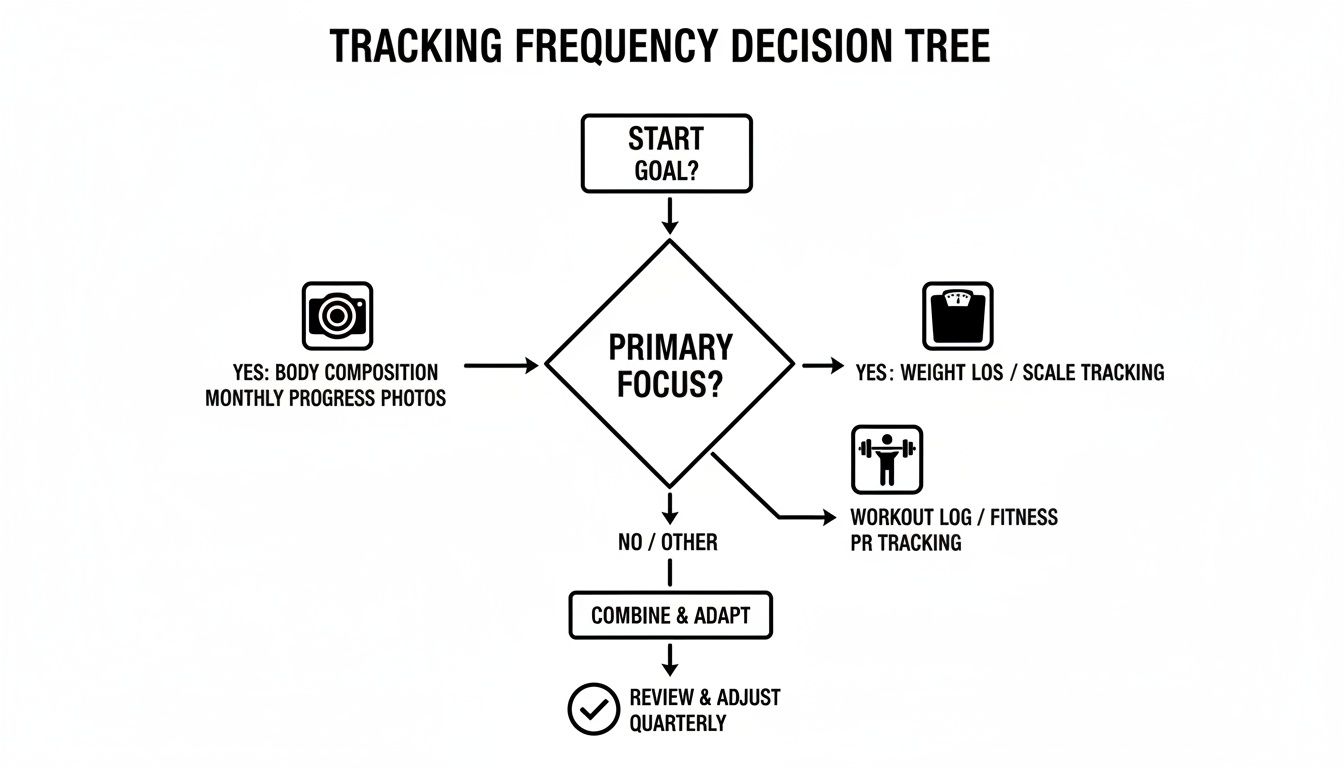
Use this checklist to cut through the clutter.
You Want General Health Tracking?
→ Pick: Fitbit Inspire 3 or Xiaomi Smart Band 10
Why: Accurate, long battery, no subscription, great app.
You’re an iPhone User?
→ Pick: Apple Watch SE (3rd Gen)
Why: Best integration, fall detection, wheelchair mode, but charge daily.
You’re a Data-Driven Athlete?
→ Pick: Whoop 5.0
Why: Recovery, strain, sleep coaching. Expect subscription costs.
You Want a Smartwatch on a Budget?
→ Pick: Huawei Watch Fit 4 or Amazfit Bip 6
Why: AMOLED screen, GPS, offline maps, all under $100.
You Need Medical Monitoring?
→ Pick:
– ECG/Stress: Fitbit Charge 6 (with Premium)
– Blood Pressure: Oxiline Pressure XS Pro (FDA-cleared)
You Hate Screens and Notifications?
→ Pick: Fitbit Air or Hume Band 2.0
Why: Passive tracking, AI coaching, no distractions.
Maintenance and Longevity Tips
Get the most out of your tracker with these habits:
- Clean regularly: Wipe band and sensor area weekly to avoid skin irritation.
- Charge smart: Avoid full discharges. Lithium batteries last longer with partial top-ups.
- Update software: Bug fixes and new features come via app. Enable auto-updates.
- Check water resistance: 5ATM = swim-safe. Whoop 5.0 is 10m, fine for showers but not diving.
- Warranty: Standard is 1 year (Fitbit, Apple). Register your device.
Band tip: Silicone attracts lint; fabric (Whoop) takes hours to dry. Rotate bands if you sweat heavily.
Frequently Asked Questions About Choosing a Fitness Tracker
What is the most accurate fitness tracker for steps?
Based on testing, the Fitbit Inspire 3 is the most accurate step tracker, with only a 0.32% error rate over two days. Most mid-tier bands fall within 1–2% accuracy, while cheap no-name brands can overcount steps by 10% or more.
Do I need a subscription for my fitness tracker?
It depends on the brand. Whoop requires a mandatory subscription ($199–$359/year), while Fitbit Premium is optional ($10/month) for advanced features. Brands like Xiaomi, Amazfit, Huawei, and Hume Band offer full access without any recurring fees.
Which fitness tracker is best for iPhone users?
The Apple Watch SE (3rd Gen) offers the deepest iPhone integration, including fall detection, wheelchair mode, and temperature sensing. Fitbit and Garmin are strong cross-platform alternatives if you prefer longer battery life.
Are fitness tracker blood pressure features reliable?
Only FDA-cleared devices like the Oxiline Pressure XS Pro provide reliable blood pressure readings. The Hume Band 2.0 shows trends only, not clinical data. The FDA issued a warning in July 2025 about Whoop’s “Blood Pressure Insights” because the feature is not medically cleared.
How long should a fitness tracker battery last?
Battery life varies by type. Bands like the Xiaomi Smart Band 10 last 14+ days, screenless trackers like Whoop 5.0 last about 14 days, and smartwatch-style trackers typically last 5–10 days. The Apple Watch SE requires daily charging.
Can I swim with my fitness tracker?
Most modern trackers are rated 5ATM (50 meters), which is safe for swimming. Whoop 5.0 is rated to 10 meters, fine for showers but not diving. Always check the specific water resistance rating before submerging your device.
Key Takeaways for Choosing Your Perfect Fitness Tracker
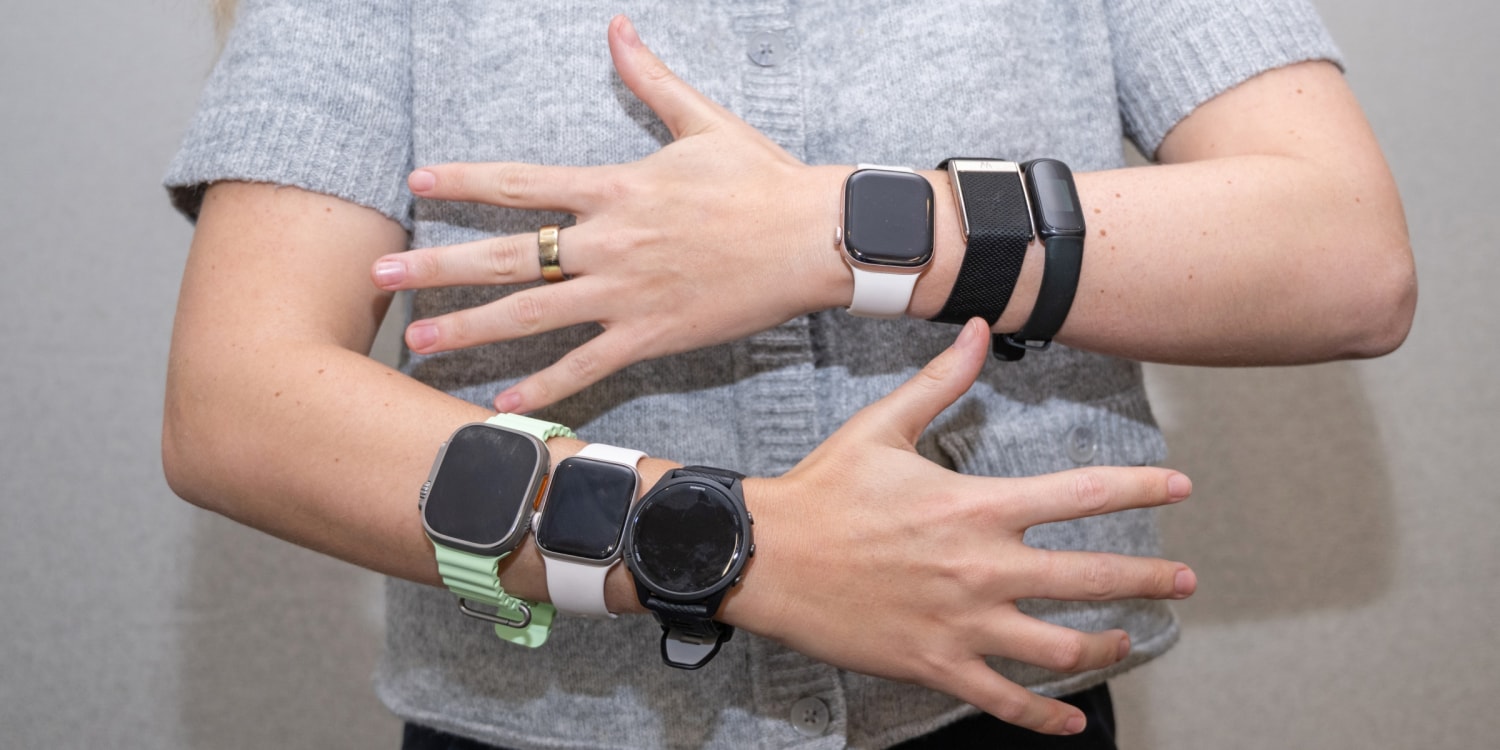
The best fitness tracker isn’t the most expensive or feature-packed model on the shelf. It’s the one you’ll wear every day, trust, and actually act on. Start by defining your primary goal, whether that’s general health, serious training, or medical monitoring. Match that goal to the right form factor and sensors, and don’t ignore the app experience or subscription trap.
Remember that hidden costs matter as much as upfront price. A $53 Xiaomi band costs $53 total, while a “free” Whoop device can run $720 over two years. Battery life and comfort decide whether you’ll actually keep the device on your wrist long-term.
Your next step is simple: pick one or two devices from the recommendations above that match your goal and budget. Read recent user reviews, check return policies, and give yourself a two-week trial. If you forget you’re wearing it and check the app daily, you’ve found the right fitness tracker for you.