How to Balance Cardio and Strength Training
Standing at the crossroads between the treadmill and the squat rack is one of the most common dilemmas in fitness. You want endurance, but you also want muscle. You want fat loss, but you also want strength. The good news? You do not have to choose. Learning how to balance cardio and strength training gives you the best of both worlds, supported by guidelines from the American College of Sports Medicine (ACSM) and the CDC.
This guide breaks down exactly how to structure your week, sequence your workouts, and adjust based on your goals. You will learn the official exercise recommendations, four proven training models, and how to avoid overtraining while maximizing every session.
Follow Official Exercise Guidelines

Balancing cardio and strength starts with knowing how much of each your body actually needs. The ACSM and CDC provide clear benchmarks for healthy adults aged 18–65.
Weekly Cardio Requirements
For optimal cardiovascular health, aim for one of these targets:
– 150 minutes of moderate-intensity cardio per week (brisk walking, light cycling)
– 75 minutes of vigorous-intensity cardio (running, swimming laps)
That breaks down to 30 minutes, 5 days a week at moderate effort or 25 minutes, 3 days a week at high intensity. A simple way to gauge effort: at moderate intensity, you can talk but not sing. At vigorous intensity, you can barely say a few words without pausing for breath.
Strength Training Minimums
Strength work is not optional in a balanced routine. The minimum effective dose includes:
– 2 days per week targeting all major muscle groups
– Upper body: chest, back, shoulders, arms, core
– Lower body: quads, hamstrings, glutes, calves
Each session should include 3 sets of 10–15 repetitions per exercise. Use enough resistance to reach muscle fatigue, the point where you cannot complete another rep with proper form.
Recovery Time Between Sessions
Muscles grow during rest, not during workouts. The National Academy of Sports Medicine (NASM) recommends 48–72 hours of recovery before retraining the same muscle group. If you squat on Monday, wait until at least Thursday to train legs again. This window prevents overuse injuries and supports muscle repair.
Choose a Weekly Training Model
:max_bytes(150000):strip_icc()/cardio-strength-4-week-workout-planchallenge-550d11b5b6b74e1a834002edf053ebc3.jpg)
How you schedule your workouts determines whether you stay energized or burn out. These four strategies help you blend cardio and strength effectively.
Alternate Cardio and Strength Days
Split your week into dedicated cardio and strength days. This approach maximizes recovery and mental focus.
Sample weekly plan:
– Monday: Lower body strength
– Tuesday: 30-minute jog
– Wednesday: Upper body strength
– Thursday: Cycling or swimming
– Friday: Full-body strength
– Saturday: Active recovery (walking, yoga)
– Sunday: Rest
This model works best for beginners and anyone avoiding fatigue from back-to-back intense sessions.
Combine Both in One Session
Short on time? Mix cardio and strength in the same workout. This is called concurrent training.
Sample session:
1. 5-minute warm-up walk
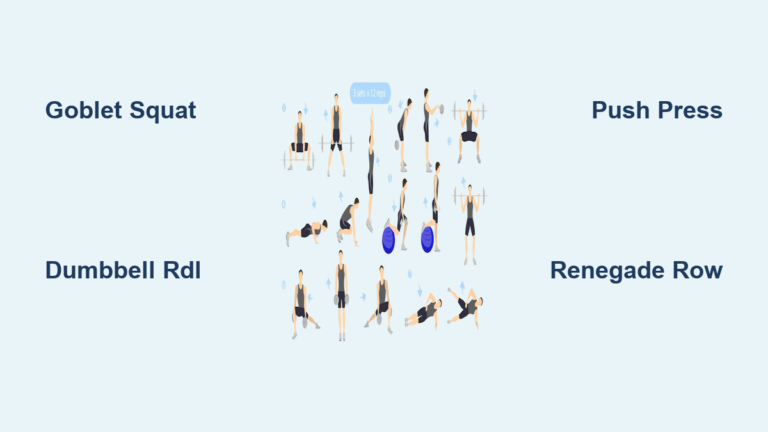
2. Dumbbell squats – 3 sets of 12
3. 10-minute stationary bike
4. Pushups – 3 sets of 10–15
5. 10-minute rowing machine
6. Plank – 3 sets of 30 seconds
7. Cool-down stretch
Stick with compound movements like squats, lunges, and presses to save time and boost efficiency.
Try High-Intensity Interval Training (HIIT)
HIIT burns fat and builds endurance while preserving muscle, making it perfect for balancing both goals.
How it works:
– Alternate short bursts of max-effort cardio with strength moves
– Keep your heart rate elevated throughout
Example HIIT circuit (repeat 3–4 rounds):
– 30 seconds burpees
– 30 seconds rest
– 30 seconds kettlebell swings
– 30 seconds rest
– 30 seconds jump squats
– 60 seconds rest
Total time: 20–25 minutes. Perform 2–3 times per week for best results.
Use the Three-Legged Stool Approach
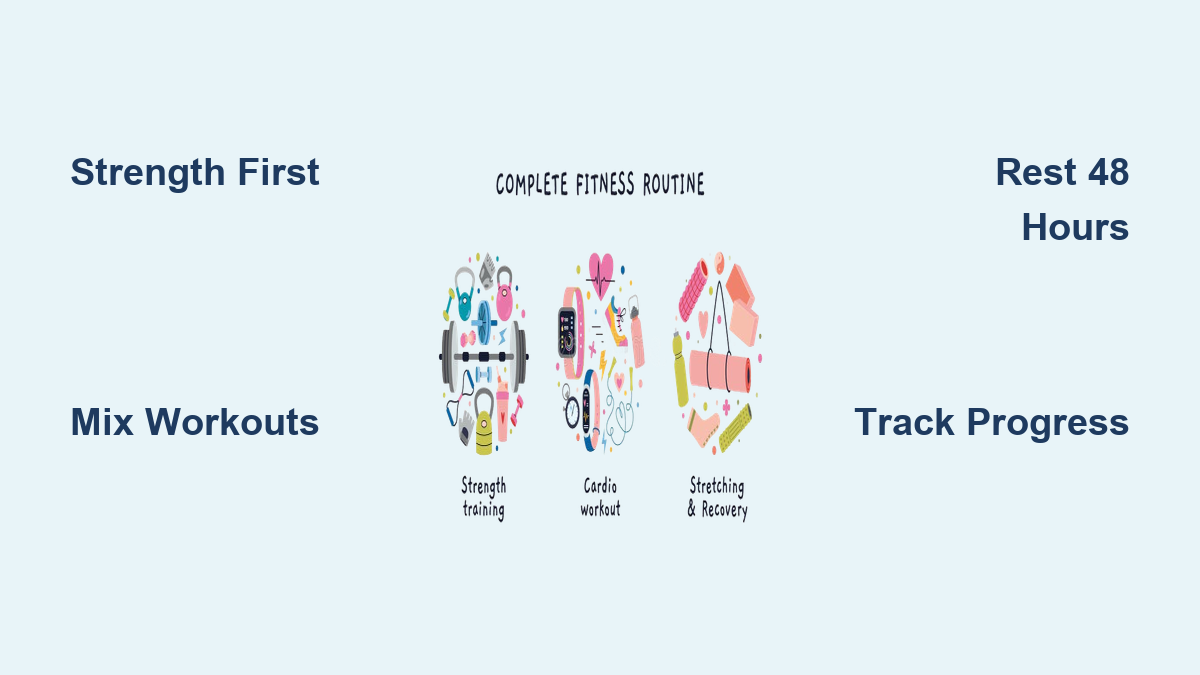
Think of fitness as a stool with three legs: strength, cardio, and flexibility. Remove one, and the whole thing collapses.
Daily flexibility routine:
– 10 minutes of stretching after workouts
– Focus on hips, shoulders, and lower back
– Include yoga poses like downward dog, child’s pose, and seated forward bend
Flexibility reduces injury risk, improves posture, and speeds recovery, making it easier to stay consistent with strength and cardio work.
Prioritize Based on Your Goal
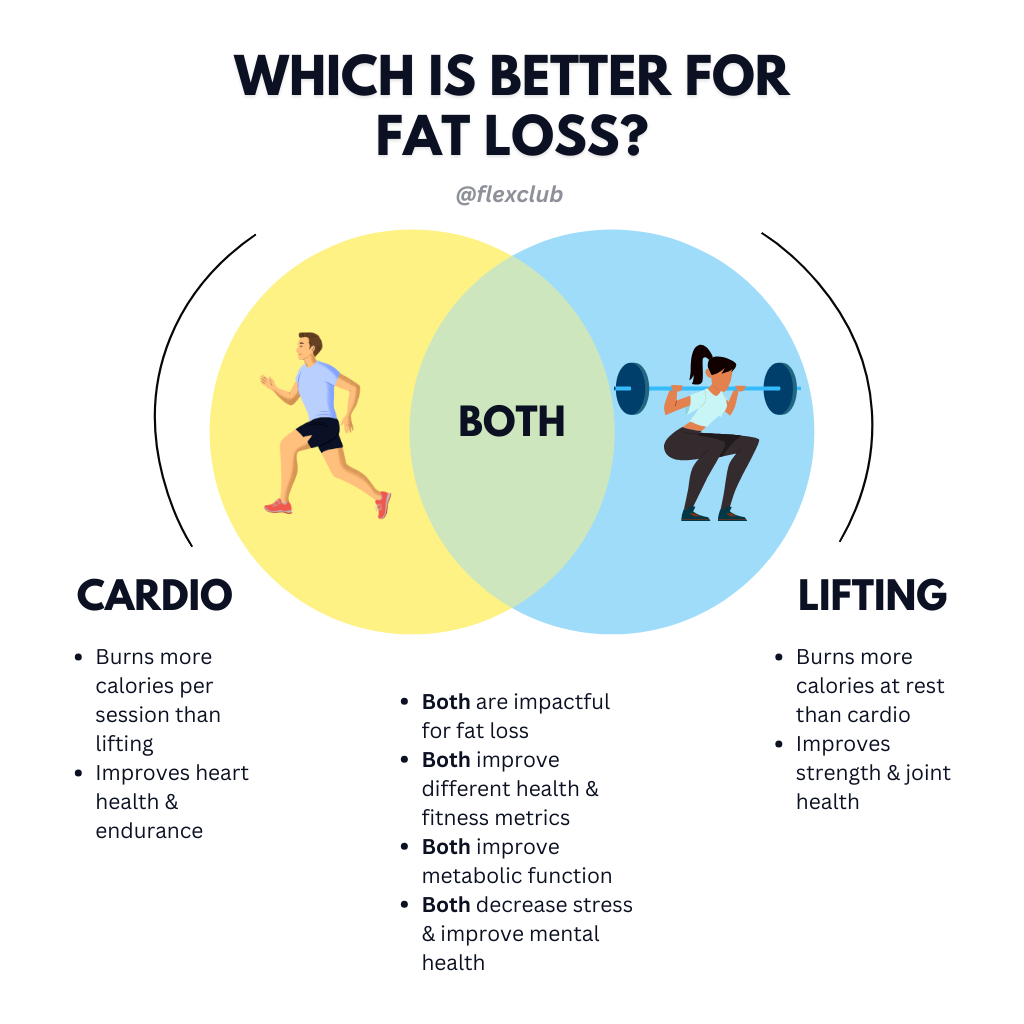
What you want from training shapes how you balance the two. Here is how to adjust your plan based on your primary objective.
Build Muscle? Do Strength First
If your goal is muscle gain or strength, always do resistance training before cardio in the same session.
Cardio first depletes energy stores and reduces your strength output. Lifting first ensures you are fresh and can handle heavier loads, which stimulates more muscle growth.
Pro tip: Limit post-strength cardio to 15–20 minutes of low-to-moderate intensity (like an incline walk) to avoid interfering with recovery.
Lose Fat? Prioritize Strength, Then Add Cardio
Strength training is more effective for fat loss than cardio alone because it increases your resting metabolic rate (RMR). More muscle means more calories burned even when you are not exercising.
Ideal fat-loss plan:
– 3–4 strength sessions per week
– 2–3 moderate cardio sessions (30–45 minutes each)
– 1 HIIT session (20 minutes)
This combination preserves muscle while shedding fat.
Improve Endurance? Schedule Smart
Endurance athletes need strength training to prevent injury and boost performance, but too much can interfere with aerobic gains.
Best strategy:
– Do strength on non-long-run days
– Avoid heavy lifting 48 hours before a race or long training session
– Focus on compound lifts: squats, deadlifts, lunges, core work
Limit strength to 2 sessions per week and keep volume moderate (3 sets, 8–12 reps).
Optimize Workout Order and Timing
When and how you sequence your workouts directly impacts results and recovery.
Never Pair Heavy Lifting With Hard Cardio
Avoid doing intense strength training and high-intensity cardio on the same day when possible. Both demand high recovery and can lead to overtraining, fatigue, and stalled progress.
Better options:
– Do them on separate days
– Separate them by 6–8 hours if same-day training is unavoidable (lift in the morning, cardio at night)
Always Warm Up and Cool Down
Skipping warm-ups increases injury risk. Cool-downs speed recovery and help your body return to baseline.
Effective warm-up (5–10 minutes):
– Light cardio (jogging, jumping jacks)
– Dynamic stretches (leg swings, arm circles)
– Bodyweight squats or lunges
Cool-down (5–10 minutes):
– Slow walking
– Static stretching (hold each stretch 20–30 seconds)
– Focus on muscles you just worked
Never stretch cold muscles. Always warm up first.
Stretch After Cardio or Lifting
Flexibility training works best after a workout when muscles are warm. Static stretching post-exercise improves range of motion and reduces soreness.
Key areas to stretch:
– Hamstrings
– Hip flexors
– Quadriceps
– Shoulders
– Lower back
Track Progress With the Right Metrics
How do you know if your balance is working? Do not rely on the scale. Use smarter tracking methods instead.
Use DEXA Scans for Body Composition
The gold standard for measuring progress is a DEXA scan. It reveals:
– Fat mass versus muscle mass
– Bone density changes
– Where fat is lost (visceral versus subcutaneous)
Get scanned every 3–6 months to confirm you are losing fat and maintaining or gaining muscle.
Monitor Performance Gains
Track these metrics weekly:
– Strength: Increased weight lifted or reps completed
– Cardio: Faster pace, longer duration, lower heart rate at the same effort
– Recovery: Less soreness, more energy
If you can now run 3 miles at the same heart rate with less effort, your cardio fitness has improved.
Watch for Overtraining Signs
Too much of either modality leads to burnout. Warning signs include:
– Constant fatigue
– Persistent muscle soreness
– Poor sleep
– Lack of progress
– Irritability or low motivation
Take an extra rest day, reduce volume, or deload for a week if you notice these signals.
Apply Progressive Overload

To keep improving, you must gradually increase the challenge. This principle is called progressive overload.
How to Progress Cardio
Make cardio harder over time by adjusting:
– Duration: Add 5 minutes every 1–2 weeks
– Intensity: Run faster, increase incline, or reduce rest
– Frequency: Add an extra session per week (max 6 days)
Start with 20-minute walks, progress to 30-minute jogs, then work toward 5K runs.
How to Progress Strength
Strength gains come from lifting heavier or doing more work.
Strategies:
– Add 2.5–5 lbs when you hit the top of your rep range
– Increase reps before increasing weight (go from 10 to 12, then add weight)
– Reduce rest time between sets (from 90 to 60 seconds)
If it feels easy, it is time to progress.
Prevent Injury and Burnout
Even the best plan fails if you get hurt or quit from exhaustion.
Master Form Before Adding Weight
Lifting with poor form leads to joint pain and injury. Focus on technique first, especially with compound lifts like squats and deadlifts.
Tips:
– Start with bodyweight or light weights
– Record your form or ask a trainer for feedback
– Never sacrifice form for more reps or heavier weight
Stay Hydrated and Eat for Recovery
Exercise stresses the body, and recovery requires proper fuel:
– Protein: 0.7–1g per pound of body weight daily for muscle repair
– Carbs: Replenish glycogen stores, especially after cardio
– Water: Drink at least half your body weight (in pounds) in ounces daily
Post-workout meal idea: Grilled chicken, sweet potato, and broccoli.
Schedule Rest and Active Recovery
Rest days are not a sign of weakness. They are essential for progress.
Passive rest: No exercise (ideal after intense sessions)
Active recovery: Light movement like walking, stretching, or yoga
Use active recovery on off days to boost circulation and reduce soreness.
Frequently Asked Questions About Balancing Cardio and Strength Training
Should I do cardio or strength training first in a session?
Do strength training first if your goal is muscle gain, strength, or fat loss. Lifting first ensures you have enough energy for heavy compound movements. Save cardio for after, and keep it to 15–20 minutes of low-to-moderate intensity to avoid interfering with recovery.
How many days per week should I do both cardio and strength?
A balanced approach is 3–5 days of cardio and 2 days of strength training per week. This meets the ACSM and CDC guidelines while leaving room for recovery. You can combine them in single sessions or split them across different days based on your schedule.
Can I lose fat with strength training alone?
Yes, strength training is highly effective for fat loss because it increases your resting metabolic rate. More muscle means your body burns more calories at rest. However, adding moderate cardio (2–3 sessions per week) accelerates fat loss while preserving muscle mass.
Will too much cardio ruin my muscle gains?
Excessive cardio can interfere with muscle growth if it creates a calorie deficit or impairs recovery. Limit high-intensity cardio to 2–3 sessions per week and separate it from heavy lifting by at least 6–8 hours when possible.
How do I know if I am overtraining?
Common signs include constant fatigue, persistent soreness, poor sleep, stalled progress, and irritability. If you notice these symptoms, take an extra rest day, reduce workout volume, or schedule a deload week to recover.
Is HIIT better than steady-state cardio for balancing goals?
HIIT is more time-efficient and can preserve muscle better than long steady-state sessions. However, both have their place. Use HIIT 2–3 times per week for variety and fat loss, and mix in moderate steady-state cardio on other days for overall heart health.
Key Takeaways for Balancing Cardio and Strength Training Effectively
Balancing cardio and strength is not about splitting time evenly. It is about aligning your routine with your goals, recovery capacity, and lifestyle. Start with the ACSM baseline of 150 minutes of moderate cardio plus 2 strength sessions per week, then adjust based on whether you want muscle, fat loss, or endurance.
Prioritize strength training when possible, track real progress with DEXA scans and performance metrics, and never skip recovery. Consistency and smart programming will build a body that is strong, lean, and truly resilient.