How Cardio Works: Quick Guide
You finish a brisk walk and feel your heart still pounding minutes later. That rhythm is doing more than tiring you out. It is reshaping your body from the inside out.
Cardio, short for cardiovascular exercise, is any rhythmic activity that raises your heart rate and keeps it elevated. When you move consistently, your heart, lungs, blood vessels, and even your brain respond in measurable ways. The benefits go far beyond burning calories.
In this guide, you will learn how cardio works at the cellular level, how it strengthens your heart, and how to measure your progress. You will also find practical training methods, safety tips, and strategies to build a routine you can actually stick with.
What Happens Inside Your Body During Cardio
The moment you start moving, your muscles demand more oxygen and fuel. To keep up, your body launches a coordinated response involving nearly every major system.
Your heart beats faster to push oxygen-rich blood through your arteries. Your lungs work harder to pull in air and expel carbon dioxide. Blood flow increases to working muscles, your brain, and vital organs. All of this happens within seconds of starting activity.
The key is sustained effort. Cardio works because it keeps your heart rate elevated for minutes or even hours. Unlike a single heavy lift, rhythmic activities like running, cycling, or swimming force your cardiovascular system to adapt over time.
Dr. John Vasudevan, a sports medicine expert, explains that cardio benefits “anywhere that blood flows.” That means your brain, organs, and mood all feel the effects, not just your heart and lungs.
Aerobic vs Anaerobic: Two Different Energy Systems
Aerobic Exercise Uses Oxygen for Endurance
The word aerobic literally means “with oxygen.” During steady cardio, your body uses oxygen as the primary fuel to convert fat and glucose into energy. This process is efficient and sustainable, which is why you can jog for 30 minutes or swim laps without collapsing.
Because oxygen is constantly available through breathing, aerobic exercise supports endurance. Your muscles receive a steady energy supply, letting you keep going.
Anaerobic Exercise Burns Fast and Fades Quick
Anaerobic exercise, such as sprinting or heavy weightlifting, relies on stored glycogen instead of oxygen. It produces energy quickly but causes fatigue within seconds or minutes. That is why you cannot sprint at full speed for half an hour.
However, the line between aerobic and anaerobic blurs in practice. If an activity consistently raises your heart rate, like circuit training or fast stair climbing, it delivers cardiovascular benefits even if it is not “classic” cardio.
How Your Heart Adapts and Grows Stronger
The Heart Muscle Becomes More Powerful
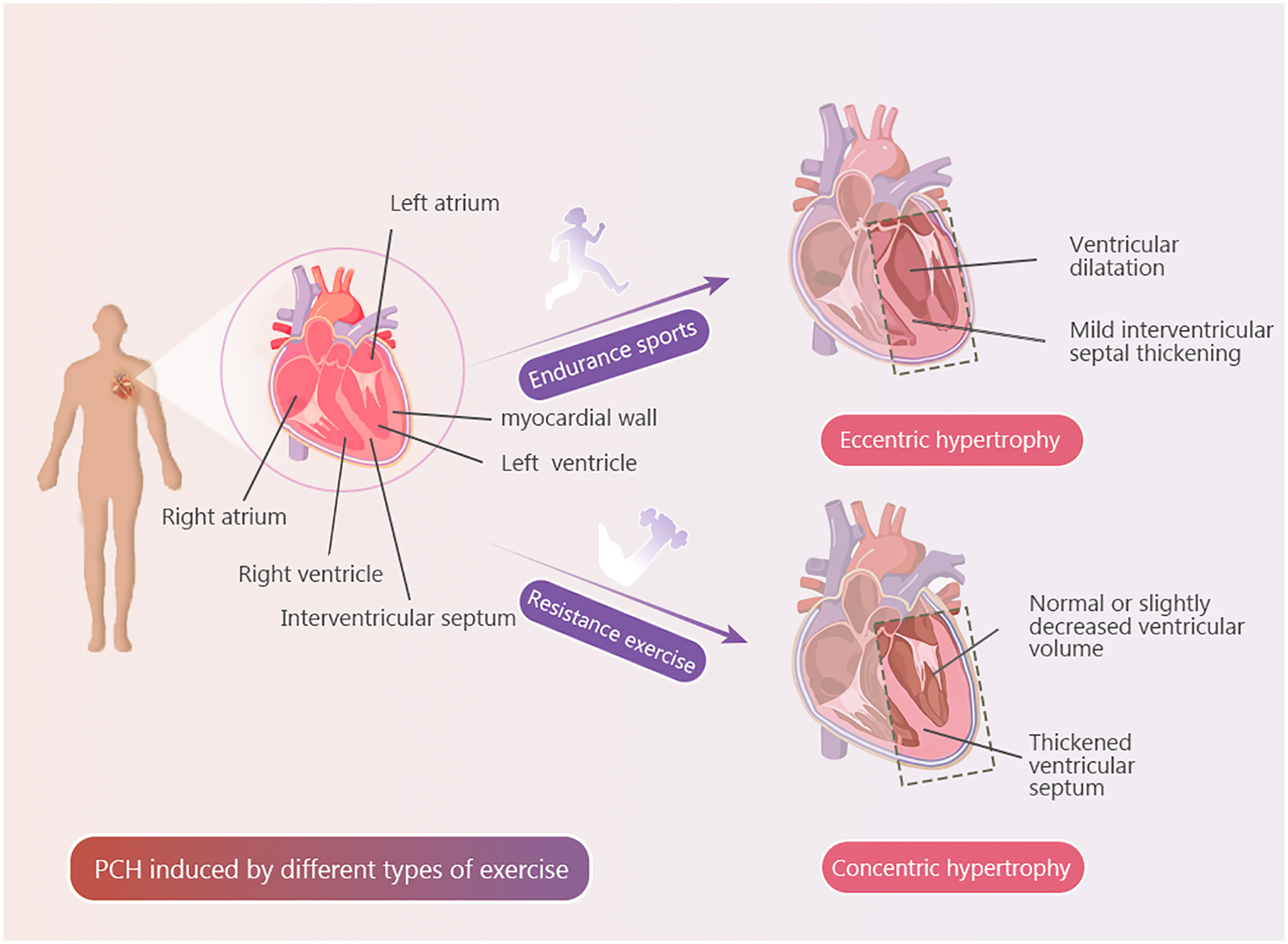
Regular cardio strengthens the heart muscle, especially the left ventricle that pumps oxygenated blood to your body. Over time, this chamber enlarges slightly and contracts with more force. Each heartbeat pushes out more blood, so your heart does not need to beat as often.
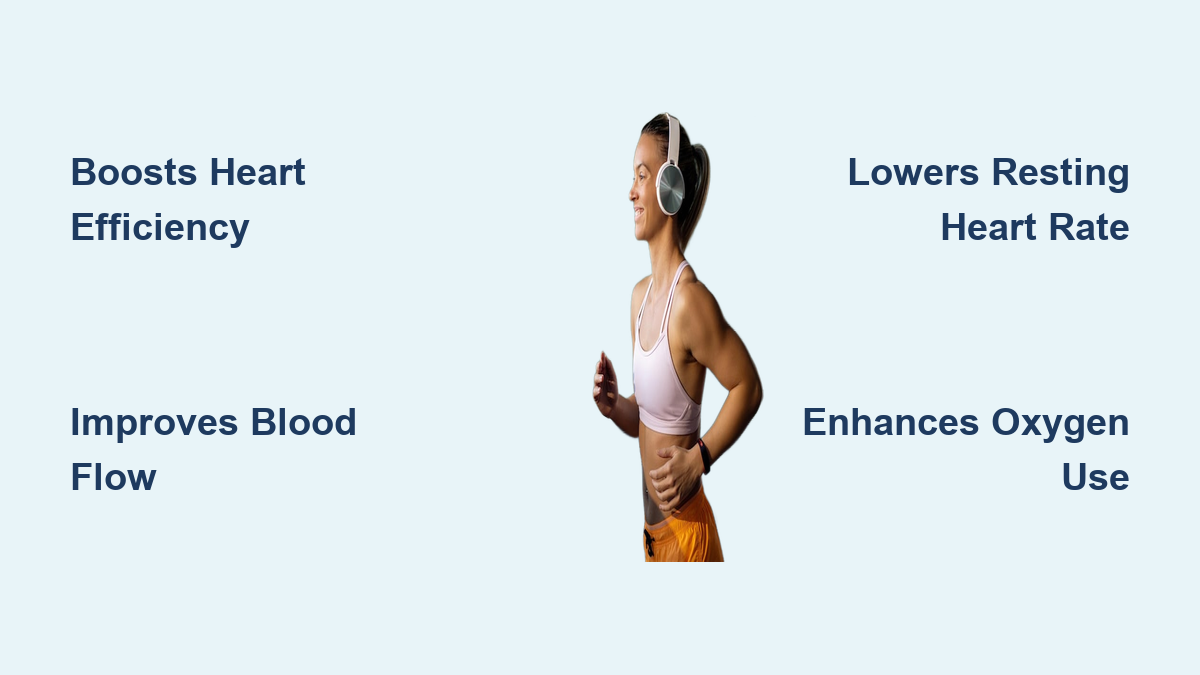
A lower resting heart rate is a hallmark of cardiovascular fitness. It signals that your heart has become a more efficient pump.
Blood Vessels Regain Their Flexibility
A landmark study published in Circulation in 2018 tracked about 60 middle-aged adults (average age 53) over two years. Researchers used catheters to measure the flexibility of participants’ hearts and blood vessels. They found that consistent cardio reversed age-related stiffness and restored a youthful elasticity to the cardiovascular system.
A follow-up study in 2021 focused on people at risk for heart failure due to a thickened heart muscle, often caused by untreated high blood pressure. After one year of training, their heart tissue became more elastic, matching the flexibility of healthy peers.
This research shows cardio does more than prevent decline. It can reverse damage caused by inactivity and hypertension.
How to Measure Your Cardio Fitness
VO2 Max: The Gold Standard
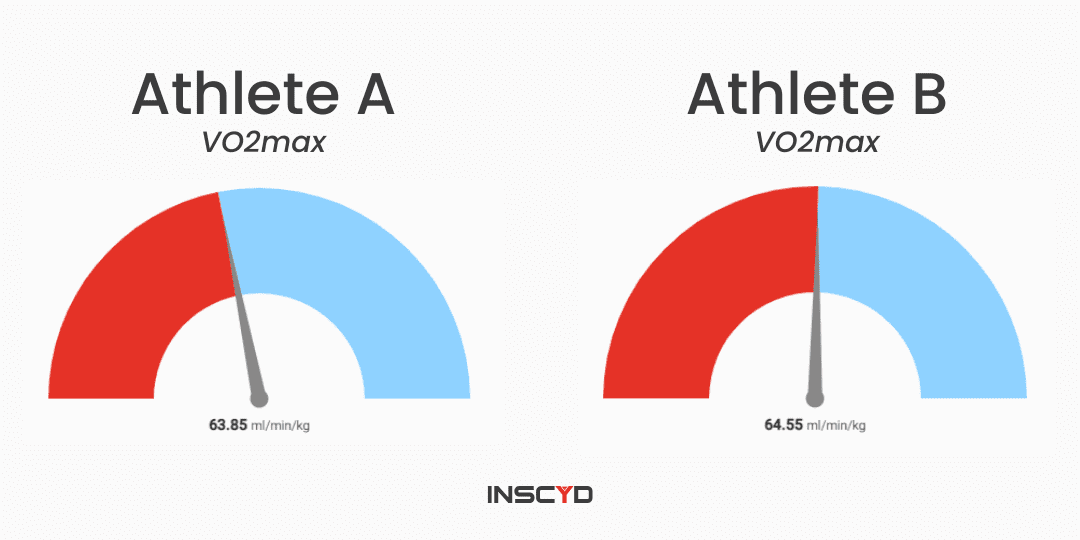
The best measure of cardiovascular fitness is VO2 max, the maximum amount of oxygen your body can use during intense exercise. It is measured in milliliters of oxygen per kilogram of body weight per minute (ml/kg/min).
Higher VO2 max means better cardiovascular fitness. Here are typical benchmarks:
- Active adults: 35 to 50 ml/kg/min
- Elite endurance athletes: 70 to 85 ml/kg/min
- Post-stroke patients (baseline): 8 to 23 ml/kg/min, but can improve by 10 to 15 percent with aerobic training
You do not need a lab to estimate your fitness. Fitness trackers, heart rate monitors, and field tests like shuttle runs can provide useful benchmarks.
Target Heart Rate Zones
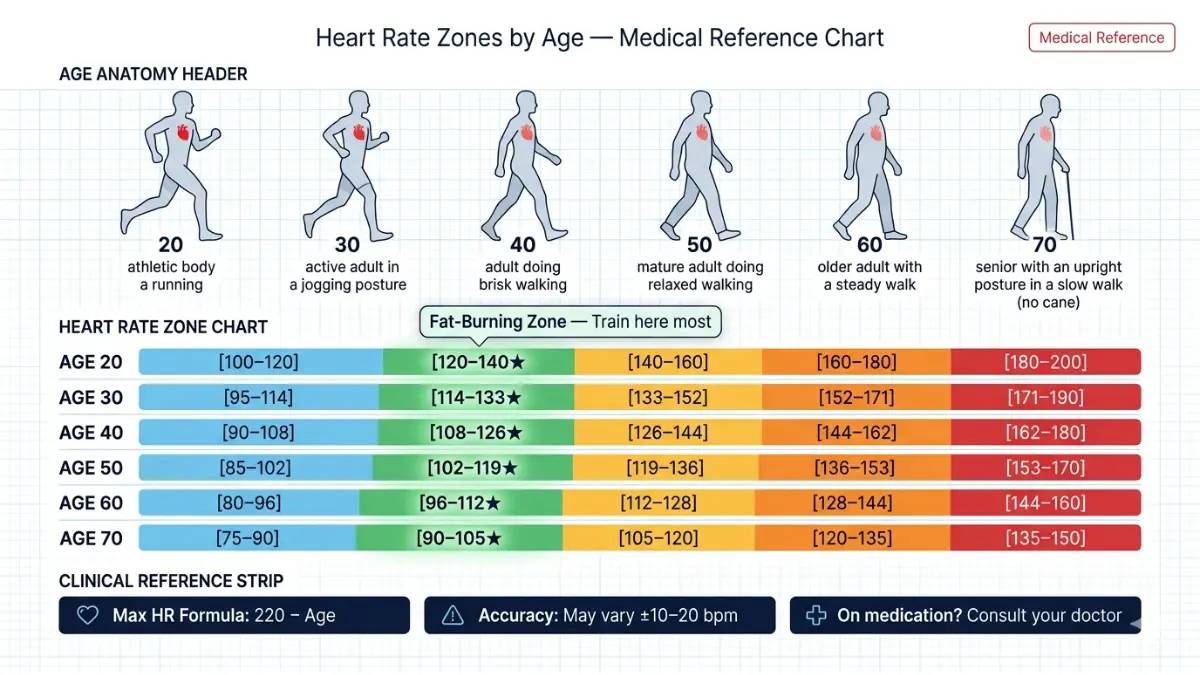
To get the most from cardio, aim for a heart rate zone based on your age. First, calculate your Maximum Heart Rate (MHR):
MHR = 220 minus your age
For a 30-year-old, MHR equals 190 bpm.
Then choose your intensity:
- Moderate intensity (70 to 80 percent of MHR): For the 30-year-old, 133 to 152 bpm. You breathe harder but can still talk. Ideal for fat burning and building endurance.
- Light intensity (50 to 60 percent of MHR): Still counts as cardio. Great for recovery days or beginners.
- Vigorous intensity (above 80 percent of MHR): Breathing heavily, hard to speak. Builds speed and power.
Staying in the right zone ensures you work hard enough to improve without burning out.
Health Benefits of Regular Cardio
Lowers Blood Pressure and Improves Cholesterol
Cardio improves circulation and reduces strain on artery walls, helping lower high blood pressure, a major risk factor for stroke and heart attack. It also improves lipid profiles by raising HDL (good) cholesterol and lowering LDL (bad) cholesterol and triglycerides. Together, these changes reduce plaque buildup in your arteries.
Controls Weight and Prevents Diabetes
Cardio burns calories, supporting weight loss and maintenance. For significant results, aim for 150 to 300 minutes per week of moderate activity or 75 to 150 minutes of vigorous activity.
More importantly, cardio improves insulin sensitivity. Your muscles become better at absorbing glucose from the bloodstream, lowering your risk of type 2 diabetes even without weight loss.
Boosts Brain Health and Mood
Increased blood flow delivers more oxygen and nutrients to your brain. Studies show cardio enhances memory and focus, reduces anxiety and depression, and lowers the risk of cognitive decline with aging.
Exercise also triggers the release of endorphins and other mood-boosting chemicals, making it a natural antidepressant.
Reduces Risk of Sudden Cardiac Events
People who exercise regularly are statistically less likely to suffer sudden heart attacks or fatal arrhythmias. A stronger, more efficient heart handles stress better, both physical and emotional. Active people are also less likely to smoke, creating a positive feedback loop for heart health.
Best Cardio Training Methods
Minimum Weekly Guidelines
To protect heart health, aim for at least 150 minutes per week of moderate-intensity cardio. You can break it down in flexible ways:
- 30 minutes, 5 days a week
- 50 minutes, 3 days a week
- 10-minute bursts, 3 times a day
Australian guidelines recommend 2.5 to 5 hours of moderate activity weekly, or 1.25 to 2.5 hours of vigorous activity. Any movement counts: vacuuming, gardening, dancing, and walking the dog all raise your heart rate.
HIIT: High-Intensity Interval Training
HIIT alternates short bursts of intense effort with recovery periods. It is time-efficient and highly effective.
Why HIIT works:
- Boosts VO2 max by 38 to 79 percent in studies
- Burns more calories in less time
- Improves insulin sensitivity
The “4×4” method, popularized by the Norwegian ski team:
- Warm up for 10 minutes
- Go all-out for 4 minutes at 85 to 95 percent of MHR
- Recover at low intensity for 3 minutes
- Repeat 4 times
- Cool down
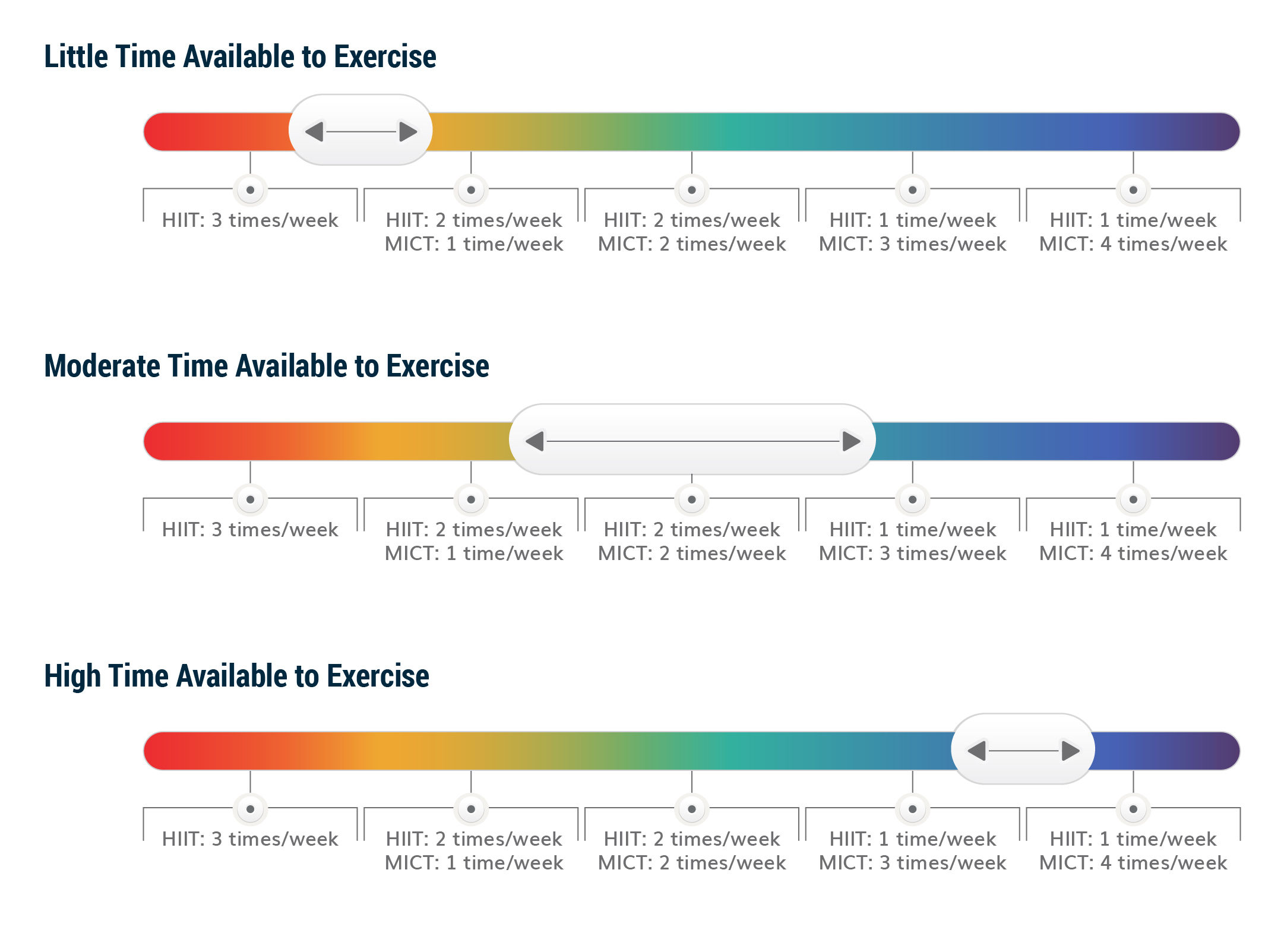
Do this 2 to 3 times per week, spaced apart from strength or long cardio sessions.
Sprint Interval Training (SIT)
SIT involves maximal-effort sprints with longer recovery:
- 10 to 30 seconds of all-out effort
- 2 to 5 minutes of rest
- Repeat 3 to 7 times
Performed 3 times a week, SIT can improve endurance by 4 to 13.5 percent in just 2 to 8 weeks. This method is best for advanced exercisers due to its intensity.
Long, Moderate Workouts
For steady progress, include longer sessions of 60 minutes or more at moderate intensity. You should be able to talk but not sing. These sessions build your aerobic base, burn fat, and support mental well-being.
Combine Cardio with Strength Training
Cardio builds endurance while strength training builds muscle, power, and injury resilience. Together, they improve metabolism, increase bone density, prevent age-related muscle loss, and support joint stability.
Recommended balance:
- Cardio: 3 to 5 days per week
- Strength: 1 to 2 days per week
Strength training does not require heavy weights. It includes bodyweight exercises like push-ups and squats, plus Pilates, yoga, tai chi, and resistance bands. Even light resistance work enhances heart health by improving circulation and glucose control.
How to Stay Safe and Injury-Free
Warm Up and Cool Down Every Time
Skipping warm-ups stresses your heart. Always warm up for at least 5 minutes with light movement like walking or arm circles, then gradually increase intensity. Cool down for at least 5 minutes afterward to lower your heart rate safely. This prevents dizziness, muscle strain, and cardiac strain.
Listen to Pain Signals
If an exercise causes pain, stop immediately. Discomfort is normal during effort, but sharp or persistent pain is not. Rest and consult a professional if needed.
Know Emergency Warning Signs
Seek immediate medical help if you experience:
- Chest pain lasting more than 10 minutes
- Pain radiating to your arm, neck, or jaw
- Severe shortness of breath
- Dizziness or fainting
Call emergency services right away.
Who Should Take Extra Precautions?
Pregnant Women
If you exercised before pregnancy, continuing moderate cardio like walking or swimming is safe and beneficial. New exercisers should start slowly and avoid high-impact activities. Always consult your doctor first.
Children
More physical education leads to better endurance. One study showed kids improved significantly when PE increased from twice to four times per week.
People with Chronic Conditions
If you have heart disease, diabetes, or disabilities, talk to your doctor before starting. An exercise physiologist can design a safe program. Monitor your symptoms and keep medications accessible. Exercise is medicine, but it must be dosed correctly.
How to Build a Lasting Cardio Habit
Start Small and Progress Gradually
If you are new to exercise, begin with 5 to 10 minutes a day. Add a few minutes each week until you reach 30 minutes most days. Consistency matters more than intensity.
Choose Activities You Enjoy
You are more likely to stick with cardio if it feels fun. Try dancing, hiking, recreational sports like pickleball or tennis, or group classes like Zumba or spin. Even household chores like mopping or gardening count.
Make It Part of Your Routine
Treat exercise like brushing your teeth, a non-negotiable part of your day. Schedule it like any important appointment. Habit formation typically takes 2 to 5 months, so be patient with yourself.
Track Your Progress
Use simple markers to measure improvement:
- Can you walk faster or longer than before?
- Is your resting heart rate dropping?
- Do you feel less winded climbing stairs?
These are real signs that your cardiovascular function is improving.
Frequently Asked Questions About How Cardio Works
How long does it take for cardio to improve heart health?
Most people notice measurable improvements within 4 to 8 weeks of consistent training. Studies on heart tissue elasticity showed significant reversal of damage after one to two years of dedicated exercise, but endurance and blood pressure benefits begin much sooner.
Is walking enough to count as cardio?
Yes. Any rhythmic activity that raises your heart rate above resting counts as cardio, including brisk walking. Aim for at least 150 minutes per week of moderate activity like walking to meet standard guidelines.
What is the difference between cardio and HIIT?
Cardio refers to any sustained activity that elevates your heart rate. HIIT is a specific type of cardio that alternates short bursts of maximum effort with recovery periods. HIIT is more time-efficient but much more intense than steady-state cardio.
Can cardio help me lose belly fat?
Cardio burns calories and reduces overall body fat, including belly fat. However, spot reduction is not possible. Combining cardio with strength training and a balanced diet produces the best results for body composition.
How do I know if I am working out hard enough?
Use the talk test. At moderate intensity, you can talk but not sing. At vigorous intensity, you can only speak a few words at a time. Tracking your heart rate zone (50 to 80 percent of MHR for most people) provides a more precise measure.
Is it safe to do cardio every day?
For most healthy adults, daily moderate cardio is safe and beneficial. However, include at least one or two rest days per week, or alternate intense days with light recovery sessions. Listen to your body and adjust if you feel fatigued or sore.
Key Takeaways for Understanding How Cardio Works
Cardio transforms your body by challenging your heart, lungs, and muscles to become more efficient. Over time, your heart pumps stronger, your blood vessels stay flexible, your metabolism improves, and your brain functions better.
The best part is that you do not need a gym or expensive equipment. Any rhythmic activity that raises your heart rate counts, whether you are walking, dancing, cycling, or even cleaning your house.
Start where you are right now. Pick something you enjoy. Move consistently. Let the science of cardio do the rest.