7 Benefits of Using a Heart Rate Monitor
You’re not training smarter—you’re guessing. Without real-time feedback, even the most disciplined workout can fall short of its potential. A heart rate monitor transforms exercise from a numbers game into a science, replacing assumptions with data. Whether you’re walking, running, cycling, or recovering from injury, this small device delivers outsized benefits by revealing exactly how hard your body is working.
The core advantage? Precision. Instead of pushing too hard and risking burnout or going too easy and wasting time, a heart rate monitor guides you into the optimal intensity zone for your goal—fat burning, endurance, or peak performance. Backed by physiology and trusted by athletes and medical professionals alike, it’s the only tool that measures your body’s actual response to effort. In this guide, you’ll discover how to harness its power across fitness levels, avoid common tech pitfalls, and use advanced features to elevate every workout.
Train Smarter, Not Harder
Ditch Guesswork, Hit Target Zones
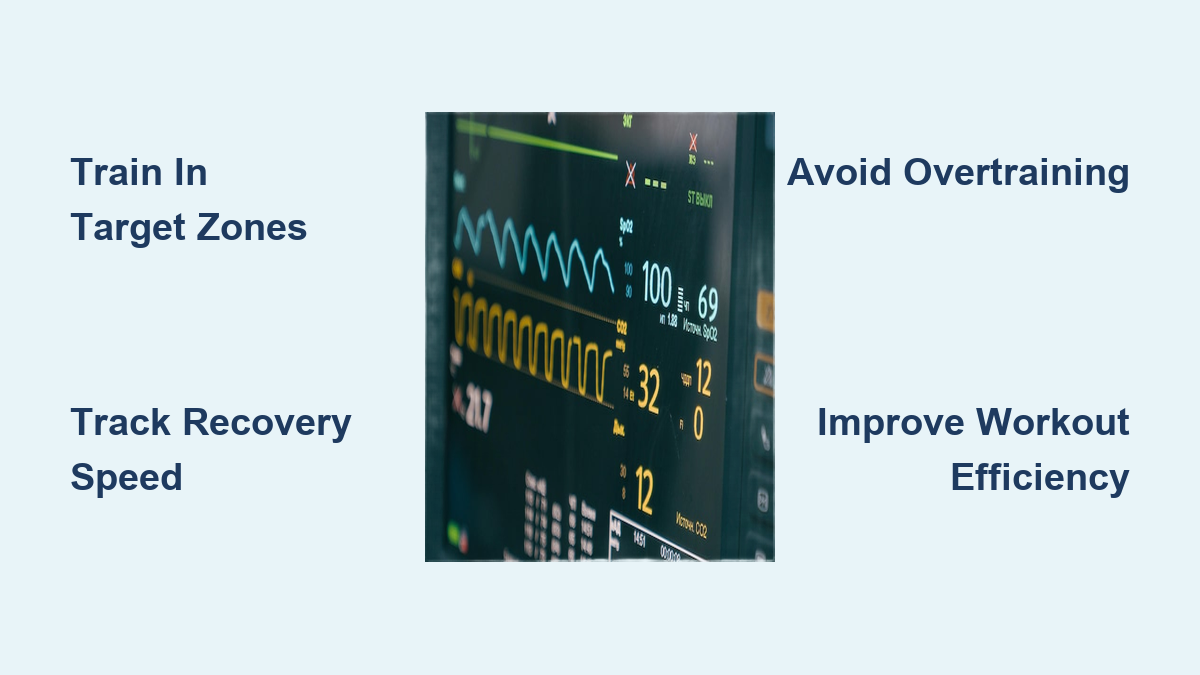
A heart rate monitor eliminates the guesswork of intensity. Many people assume they’re working hard enough when they’re actually underperforming—or worse, overexerting without realizing it. With target zones based on your maximum heart rate (HR Max), you can train with surgical precision.
For most fitness goals, the sweet spot lies between 50% and 85% of HR Max. Staying in this range ensures cardiovascular improvement, efficient calorie burn, and sustainable progress. A monitor gives you live feedback so you can adjust pace, resistance, or effort instantly—no more breathless finishes or unproductive jogs.
Optimize Workout Efficiency
Time is your most limited resource. A heart rate monitor helps you make every minute count. Recreational exercisers, especially walkers and joggers, see faster results by ensuring they stay in fat-burning or aerobic zones. No more “I don’t have time to work out”—you’ll know you’re getting the most out of every session.
Elite athletes use the same principle differently: they avoid overtraining by keeping easy days truly easy and saving high-intensity efforts for planned sessions. This balance prevents burnout and accelerates recovery, leading to measurable gains over time.
Choose the Right Monitor Type
Chest-Strap HRMs: Gold Standard Accuracy
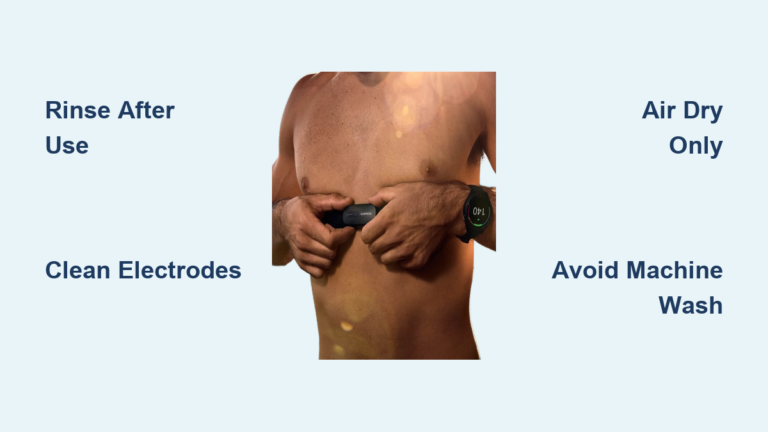
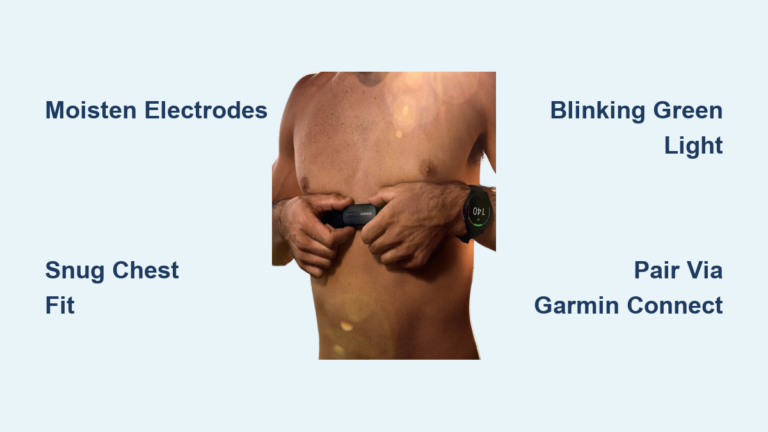
When accuracy matters, chest-strap monitors lead the pack. Using ECG technology, they detect the heart’s electrical signals directly from the chest—making them immune to motion artifacts, skin tone bias, and tattoo interference.
These sensors pair wirelessly with smartwatches, bike computers, or apps via ANT+ or Bluetooth. While they require strapping on before exercise, their reliability makes them ideal for serious training, interval workouts, and performance tracking. They’re also the best choice for swimmers and users with darker skin tones.
Battery life varies: coin-cell models last up to 400 hours, while rechargeable versions offer 30–110 hours of active use.
Wrist-Based Monitors: Convenience Over Precision
Wrist-based HRMs win on comfort and convenience. Built into smartwatches, they track heart rate 24/7, monitor sleep, and estimate recovery—all without extra gear.
But there’s a trade-off: optical sensors are less accurate, especially during running. They’re prone to “cadence lock,” where footstrike vibrations trick the sensor into reading an artificially high heart rate. Water, sweat, and tight clothing further degrade readings.
Accuracy drops even more for users with melanin-rich skin or arm tattoos due to light absorption issues. Still, for general fitness tracking and casual workouts, wrist models provide a solid overview—just don’t rely on them for precise zone training.
Armband Monitors: Best of Both Worlds?
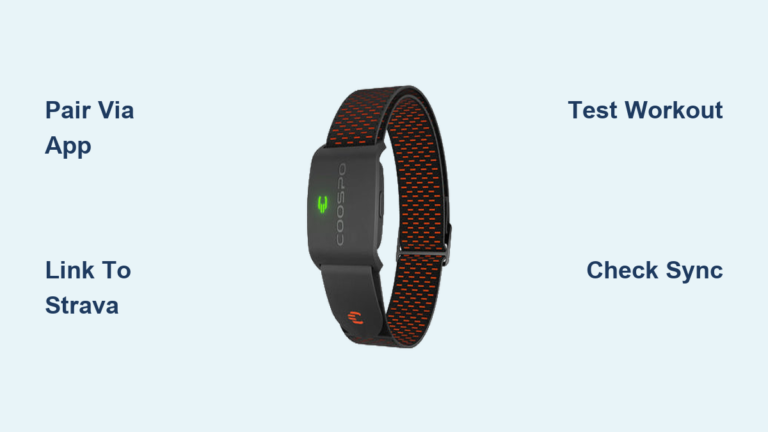
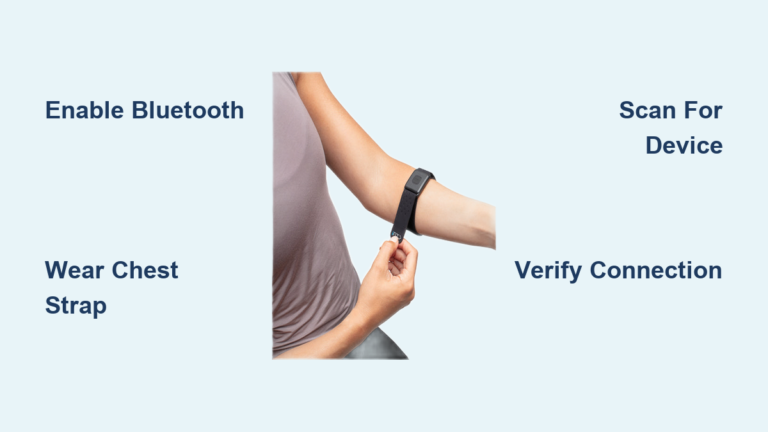
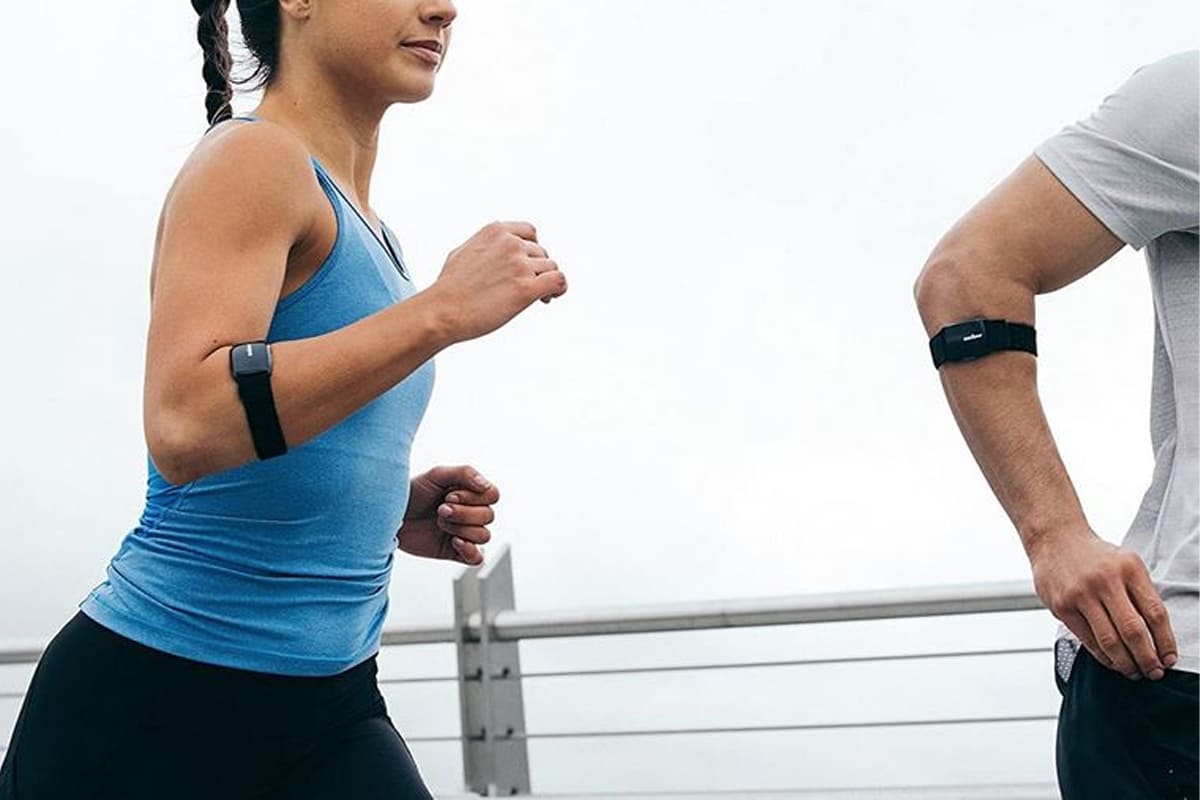
Armbands bridge the gap between chest straps and wrist devices. Worn snugly on the upper arm, they use optical sensors but benefit from reduced motion and better contact.
This design minimizes cadence lock and improves accuracy significantly over wrist models—especially for runners. Some are swim-compatible and perform better than wrist devices on darker skin.
While not quite as accurate as ECG chest straps, armbands are a strong alternative for those who dislike chest straps but want better data than a watch provides. Avoid if your arms are heavily tattooed; stick with chest straps for maximum reliability.
Maximize Training with Heart Rate Zones
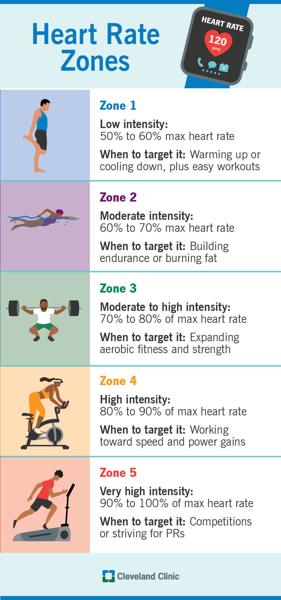
Calculate Your Max Heart Rate Correctly
To train effectively, you need accurate zones—and that starts with estimating your maximum heart rate (HR Max). The outdated “220 minus age” formula underestimates HR Max for older adults and women.
Use the revised formula:
HR Max = 208 – (0.7 × age)
This gets you within ~10 bpm of your true max for most people.
For ultimate precision, undergo a supervised stress test. But for everyday training, the revised formula works well.
| Age | Target Zone (50–85% of HR Max) |
|---|---|
| 30 | 95 – 162 bpm |
| 40 | 90 – 153 bpm |
| 50 | 85 – 145 bpm |
| 60 | 80 – 136 bpm |
Stay within these ranges to match effort to your goals.
Match Zones to Fitness Goals
Different zones trigger different physiological adaptations. A heart rate monitor lets you dial in the right intensity for your objective.
Fat Burning (50–65% HR Max): Ideal for beginners and weight loss. Your body burns a higher percentage of fat here. A monitor ensures you don’t slip into low-effort walking or accidentally spike into cardio zones.
Aerobic Base (65–80% HR Max): Builds endurance and improves heart-lung efficiency. Runners and cyclists use this zone for long, steady efforts. Staying here strengthens your aerobic engine without overstressing the system.
Peak Performance (80–85%+ HR Max): Reserved for intervals and tempo workouts. Used sparingly, this zone boosts VO2 max and lactate threshold. A monitor prevents you from starting too hard or fading too soon.
Use zone alerts to stay on track—most devices beep or vibrate when you drift outside your target.
Unlock Advanced Performance Insights
Track Recovery and Fitness Gains
Your heart doesn’t lie—and how quickly it recovers tells you a lot about your fitness level. Many monitors include recovery heart rate mode, which tracks how fast your pulse drops after exercise.
A faster recovery indicates improved cardiovascular health. For example, if your heart rate drops 20+ bpm in the first minute post-exercise, you’re likely in good shape. Slower recovery may signal fatigue, dehydration, or overtraining.
This metric is crucial for sprinters, interval trainers, and anyone pushing limits. It helps you decide whether to go hard or take a rest day.
Monitor Time in Zone and Calorie Burn
Advanced HRMs track time spent in each heart rate zone, letting you verify you hit training targets. Did you really spend 20 minutes in the aerobic zone? Or did you coast below it?
This data is gold for structured training plans. You can review post-workout summaries and adjust future sessions accordingly.
Calorie estimation is another key feature. While not 100% precise, HR-based calorie counters are far more accurate than time- or step-based estimates. This supports weight loss programs by showing real energy expenditure.
Analyze Running and Cycling Dynamics
Serious athletes use HRMs to go beyond heart rate. When paired with foot pods or bike sensors, monitors can calculate:
- Ground contact time
- Stride length
- Vertical oscillation
- Cadence and power output
These metrics reveal inefficiencies in form. For example, excessive vertical bounce wastes energy. A high ground contact time slows you down. By linking these to heart rate, you can assess running economy—how efficiently you use oxygen at a given pace.
Cyclists benefit too. Heart rate data combined with speed, cadence, and GPS shows how terrain and effort interact. Use it to pace climbs, optimize intervals, and avoid bonking.
Use Cases Across Fitness Levels

For Walkers and Joggers: Maximize Results
If you walk or jog for health or weight loss, a heart rate monitor ensures you’re working at the right intensity. Many assume walking is “good enough,” but unless your heart rate rises into the fat-burning zone, you’re missing key benefits.
With real-time feedback, you can speed up slightly, add inclines, or extend duration to hit your target. It turns passive movement into purposeful exercise.
For Runners and Cyclists: Prevent Overtraining
Dedicated athletes often make the same mistake: doing everything at medium-hard intensity. This “gray zone” training fails to build endurance or speed—and increases injury risk.
A heart rate monitor enforces discipline. It ensures easy days stay easy (aerobic zone) and hard days are truly hard (anaerobic zone). This polarized approach leads to faster race times and fewer injuries.
Cyclists use it to pace long rides, tempo efforts, and interval sessions—especially on trainers where perceived effort can deceive.
For Weight Loss: Burn Fat Efficiently
Diet and exercise only work when aligned. A heart rate monitor shows you when and how you’re burning fat.
While all exercise burns calories, the proportion of fat vs. carbs changes with intensity. Moderate effort (50–65% HR Max) uses more fat as fuel. High intensity burns more total calories but relies on glycogen.
Use your monitor to find the sweet spot: long, steady sessions in the fat-burning zone, supplemented with short, intense workouts for metabolic boost.
For Medical and Rehab Patients: Stay Safe
After a cardiac event or injury, returning to activity is risky without guidance. A heart rate monitor ensures patients stay within medically approved limits.
Doctors often prescribe a safe upper heart rate (e.g., 120 bpm). With alerts, patients can exercise confidently, knowing they won’t exceed safe thresholds. This supports cardiac rehab, post-surgery recovery, and chronic condition management.
Always consult a physician before starting a program—especially if you have heart disease or are on medications that affect heart rate.
Avoid Tech Biases and Errors
Skin Tone and Tattoo Interference
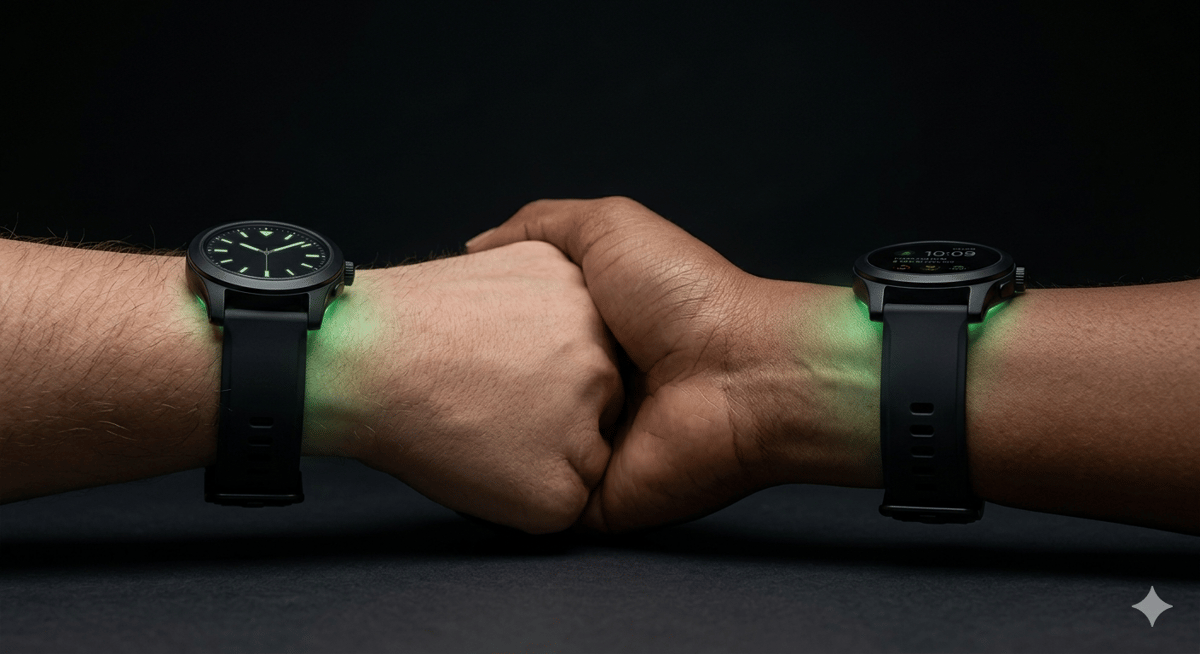
Optical heart rate sensors have a documented flaw: racial bias. Melanin absorbs the LED light used in wrist and armband monitors, leading to inaccurate readings for people with darker skin.
Tattoos worsen the problem. Dark ink blocks light transmission, causing signal loss or erratic data.
Solution: Use a chest-strap HRM. Since it uses electrical signals (ECG), it’s unaffected by skin color or tattoos. For optical users, armbands perform better than wrist models due to tighter fit and less motion—but chest straps remain the gold standard.
Motion and Water Artifacts
Running causes “cadence lock”—where the monitor mistakes foot impact for heartbeat. This leads to falsely high readings, especially with wrist devices.
Swimming adds another challenge: water disrupts optical sensors. Even water-resistant watches may fail to capture heart rate in pools.
Chest straps avoid both issues. They’re reliable during running and many are swim-proof. Look for models with waterproof transmitters and ANT+ compatibility for underwater data.
Get the Most From Your Device
Sync With Fitness Platforms
A heart rate monitor isn’t just a display—it’s a data hub. Most devices sync with platforms like Strava, Garmin Connect, and TrainingPeaks.
Upload your workouts to analyze trends:
– Are your recovery times improving?
– Are you spending enough time in target zones?
– Is your average heart rate dropping at the same pace (a sign of fitness gains)?
Long-term tracking reveals progress invisible day-to-day. Use it to adjust training load, spot plateaus, and celebrate milestones.
Set Alerts and Program Workouts
Use zone alerts to stay on track. Set audible or vibrating alarms for when you go above or below your target. This keeps you focused—especially during long runs or interval sets.
Advanced models support multi-zone programming. Pre-load a workout with alternating zones (e.g., 5 min warm-up, 20 min aerobic, 10 min tempo). The device guides you through each phase automatically.
Even basic models let you press “Lap” to mark splits, helping you analyze pacing consistency after your workout.
Frequently Asked Questions About Heart Rate Monitors
What is the most accurate type of heart rate monitor?
Chest-strap monitors using ECG technology are the most accurate. They detect the heart’s electrical signals directly and are unaffected by skin tone, tattoos, or motion artifacts.
Are wrist-based heart rate monitors reliable for running?
Wrist monitors are convenient but less accurate during running. They’re prone to cadence lock, where footstrike vibrations cause falsely high readings. For serious training, chest straps or armbands perform better.
How do I calculate my target heart rate zone?
Use the revised formula: HR Max = 208 – (0.7 × age). Then aim for 50% to 85% of that number. For a 40-year-old, the target zone is roughly 90–153 bpm.
Do heart rate monitors work for people with darker skin tones?
Optical sensors (wrist and armband) can be less accurate on melanin-rich skin because LED light is absorbed differently. Chest-strap monitors using ECG technology are universally accurate across all skin tones.
Can I use a heart rate monitor for weight loss?
Yes. Heart rate monitors help you stay in the fat-burning zone (50–65% HR Max) and provide more accurate calorie estimates than step counters. They align exercise intensity with fat-loss goals.
Should I consult a doctor before using a heart rate monitor for medical reasons?
Absolutely. Anyone recovering from a cardiac event, injury, or managing a chronic condition should get medical clearance first. Doctors can prescribe safe upper heart rate limits for your specific situation.
Key Takeaways for Getting the Most From a Heart Rate Monitor
A heart rate monitor is more than a gadget—it’s a personal coach, safety net, and progress tracker in one. Choose accuracy over convenience when your goals demand precision, and train in the zones that match your objectives.
Start by calculating your HR Max with the revised formula, then pick a monitor type that fits your activity and skin profile. Sync your data, set alerts, and review trends weekly to see real progress.
Your next step: pick one workout this week and wear a heart rate monitor from start to finish. Note your time in zone, recovery rate, and perceived effort. That single session will reveal more about your fitness than months of guesswork.