Cardio Squat Workout: Quick Steps
Squats are no longer just for building strong legs. When structured correctly, a cardio squat workout can spike your heart rate, torch calories, and deliver both strength and cardiovascular benefits in one efficient session. While traditional cardio like running or cycling relies on sustained aerobic effort, squats, especially dynamic, high-rep variations, can create a powerful cardiorespiratory challenge by leveraging intensity, volume, and compound movement.
Recent research shows that heavy back squats at 65% of your max can push oxygen consumption (VO₂) to over 100% of VO₂max, a level typically seen in elite HIIT sessions. But here is the catch: that spike is acute, not sustained. To truly turn squats into cardio, you need smarter programming: higher reps, minimal rest, explosive variations, and circuit formats that keep your heart pumping. This guide breaks down exactly how to structure a cardio squat workout that boosts endurance, builds muscle, and improves metabolic health, all without stepping on a treadmill. You will learn science-backed protocols, proper form cues, progression strategies, and safety tips to get the most from every rep.
Turn Squats Into Cardio
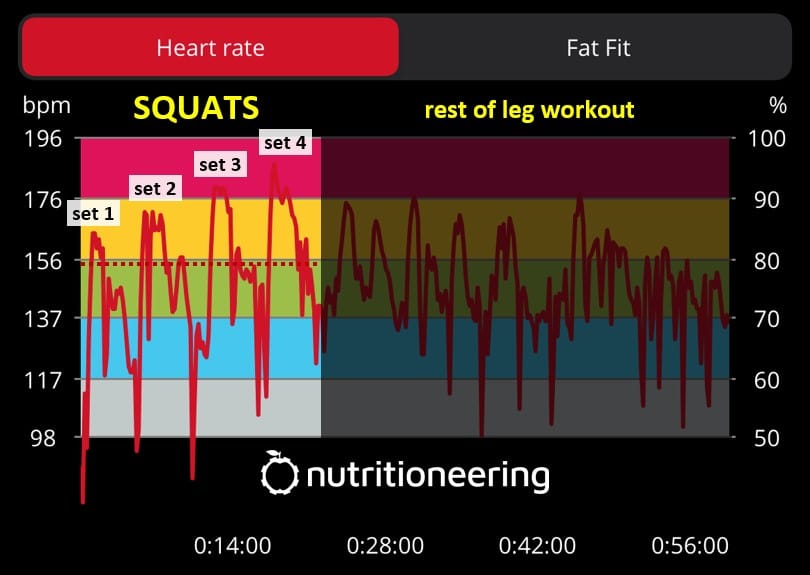
Squats are not traditionally “cardio,” but with the right approach, they can elevate your heart rate like a sprint.
Why Squats Can Mimic Cardio
Squats activate large muscle groups including quads, glutes, hamstrings, and core. The bigger the muscles working, the more oxygen your body demands. When you perform high-rep squats with little rest, your cardiovascular system must work harder to deliver oxygen and clear metabolic waste.
Unlike steady-state cardio, which burns calories during activity, intense squat workouts generate high Excess Post-exercise Oxygen Consumption (EPOC), meaning you continue burning calories after the workout ends. This makes them ideal for fat loss and metabolic conditioning.
However, squats primarily rely on anaerobic energy systems, especially during short, heavy sets. To shift toward aerobic benefit, you must increase volume and reduce rest, transforming the squat from strength builder to cardio engine.
Key Triggers for Cardiovascular Response
To make squats count as cardio, focus on these proven triggers:
– High repetition counts (20+ per set)
– Minimal rest intervals (15–30 seconds)
– Explosive movements (jumps, jacks)
– Circuit training (multiple exercises back-to-back)
– Time under tension (pulse squats)
These factors keep your heart rate in the 65–85% of max zone, the target range for cardiovascular improvement.
Boost Intensity With Dynamic Variations
Use explosive and extended-tension squat styles to spike heart rate and sustain effort.
Add Power With Squat Jumps
Squat jumps turn a static movement into a full-body cardio burst. Here is how to perform them:
1. Lower into a standard squat with thighs parallel to the floor.
2. Explode upward, jumping as high as possible.
3. Land softly with knees bent to absorb impact.
4. Flow directly into the next rep without pausing.
Pro tip: Keep your chest up and arms swinging to help drive momentum. Perform 15–20 reps per round for maximum cardio effect.
Increase Range With Squat Jacks
Squat jacks combine lower-body strength with cardiovascular endurance. Follow these steps:
1. Stand with feet together.
2. Jump feet wide into a sumo squat with toes pointed out.
3. Lower hips deep, then jump feet back together.
4. Repeat continuously without rest.
This variation hits the glutes, adductors, and quads while spiking heart rate faster than standard squats.
Build Burn With Pulse Squats
Pulse squats extend time under tension, increasing fatigue and oxygen demand. Execute them like this:
1. Descend to the bottom of a squat.
2. Perform small up-and-down pulses (2–3 inches) without standing fully.
3. Do 10–15 pulses, then rise to standing.
Because the muscles never fully relax, pulse squats create a metabolic burn that elevates heart rate even without jumping.
Follow Proven Cardio Squat Protocols

Use structured routines to ensure consistent intensity and results.
Jump and Squat Circuit (3–5 Rounds)
This high-octane circuit blends squats with full-body moves to maximize calorie burn.
Work: 45 seconds per exercise
Rest: 15 seconds between moves
Circuit rest: 60 seconds after each round
| Exercise | Focus |
|---|---|
| Squat Thrust | Full-body power, heart rate spike |
| Walk-Out to Shoulder Tap | Core stability + shoulder engagement |
| Jackknife (alternating) | Core activation, coordination |
| Lateral Lunge to Curtsy Lunge (each side) | Hip mobility, glute activation |
| Pop Squat | Speed and rhythm in squat pattern |
Finisher: Tabata Burnout (4 minutes)
Alternate these two moves:
– Superman: 20 seconds (posterior chain)
– Jackknife: 20 seconds (core)
Repeat for 8 total rounds using standard Tabata timing (20s work, 10s rest).
High-Volume Endurance Approach
For pure aerobic challenge, go long and steady.
Goal: 30–60 minutes of continuous or near-continuous squatting.
Method:
– Perform bodyweight squats at a controlled pace (2–3 seconds down, 1 second up).
– Rest 10–15 seconds every 2–3 minutes if needed.
– Aim for 300–1,000 total reps.
Best for: Building muscular endurance and mimicking low-impact steady-state cardio.
Progression: Add 5 minutes or 100 reps weekly. Use a metronome app to maintain rhythm.
Research-Based HIIT Model (Hong et al., 2024)
For maximum acute cardiorespiratory spike, replicate the study protocol.
Structure:
– Load: 65% of 1RM back squat
– Reps: 10 per set
– Sets: 5
– Rest: 3 minutes between sets
Result: VO₂ peaks at up to 108% of VO₂max in strong individuals.
Note: This is not sustainable cardio. It is a HIIT stimulus. Use it sparingly (1x/week) to boost anaerobic capacity, not replace aerobic training.
Master Form to Prevent Injury
Good technique keeps you safe, especially when fatigue sets in.
Standard Squat Checklist
- Feet: Slightly wider than hip-width, toes slightly out.
- Descent: Sit hips back and down, chest up.
- Knees: Track over toes and never collapse inward.
- Depth: Aim for thighs parallel to floor.
- Ascent: Drive through heels, engage glutes.
- Spine: Maintain neutral position and avoid rounding or over-arching.
Visual cue: Imagine sitting into a chair behind you.
Technique Tips for Variations
- Sumo Squats: Wider stance, toes at 45°, emphasize glute squeeze at the top.
- Squat Jumps: Land with soft knees, hips back, chest up. Avoid locking joints.
- Pulse Squats: Keep core braced; pulses should be small and controlled.
- Lateral Lunges: Push hips sideways, keep opposite leg straight, return with glute drive.
Red flag: If your knees cave, stop. Fatigue compromises form and increases injury risk.
Use Minimal Equipment for Maximum Impact
You do not need much to turn squats into cardio.
Resistance Bands ($10–$30)
- Loop bands: Place above knees to activate glutes and prevent valgus collapse.
- Long bands: Step on ends, hold handles at shoulders for added resistance.
Best for: High-rep circuits where light load increases burn without slowing pace.
Dumbbells or Kettlebells ($20–$100+)
Hold a single dumbbell or kettlebell in goblet position (chest-level) during high-rep squats.
Benefits: Adds resistance while promoting upright posture and core engagement.
Caution: Keep weight light enough to preserve speed and form.
Heart Rate Monitors ($60–$800)
To confirm your squat session is truly “cardio,” track heart rate.
- Chest straps (Polar, Garmin): Most accurate for rapid spikes.
- Smartwatches (Apple Watch, Fitbit): Convenient, good for trend tracking.
Target zone: 65–85% of max heart rate (approximately 130–170 BPM for most adults).
Know the Risks and Limitations
Squats are powerful but not risk-free when used as cardio.
Blood Pressure Spikes
Heavy or high-volume squats cause acute blood pressure surges due to:
– Valsalva maneuver (holding breath)
– Muscle compression of blood vessels
At-risk groups: People with hypertension, heart disease, or stroke history.
Safety rule: Breathe continuously. Inhale on descent, exhale on ascent. Never hold your breath.
Joint Stress and Overuse
- Knees: Repetitive jumping can strain patellar tendons.
- Hips/Lower back: Poor depth control leads to “butt wink” (pelvic tuck), stressing the spine.
Prevention: Prioritize form over speed. Stop if pain occurs.
Recovery Demands
High-intensity squat workouts cause severe DOMS (delayed onset muscle soreness) and require 48 hours of lower-body recovery.
Do not do cardio squats daily. Space them out (e.g., Mon/Thu) and pair with upper-body or low-impact cardio on other days.
Compare Squat Cardio vs. Traditional Cardio
| Factor | Squat-Based Cardio | Traditional Cardio |
|---|---|---|
| Heart Rate | Spikes quickly, fluctuates | Sustained elevation |
| Calorie Burn | High during + after (EPOC) | Mostly during activity |
| Muscle Gain | Yes (hypertrophy + endurance) | Minimal |
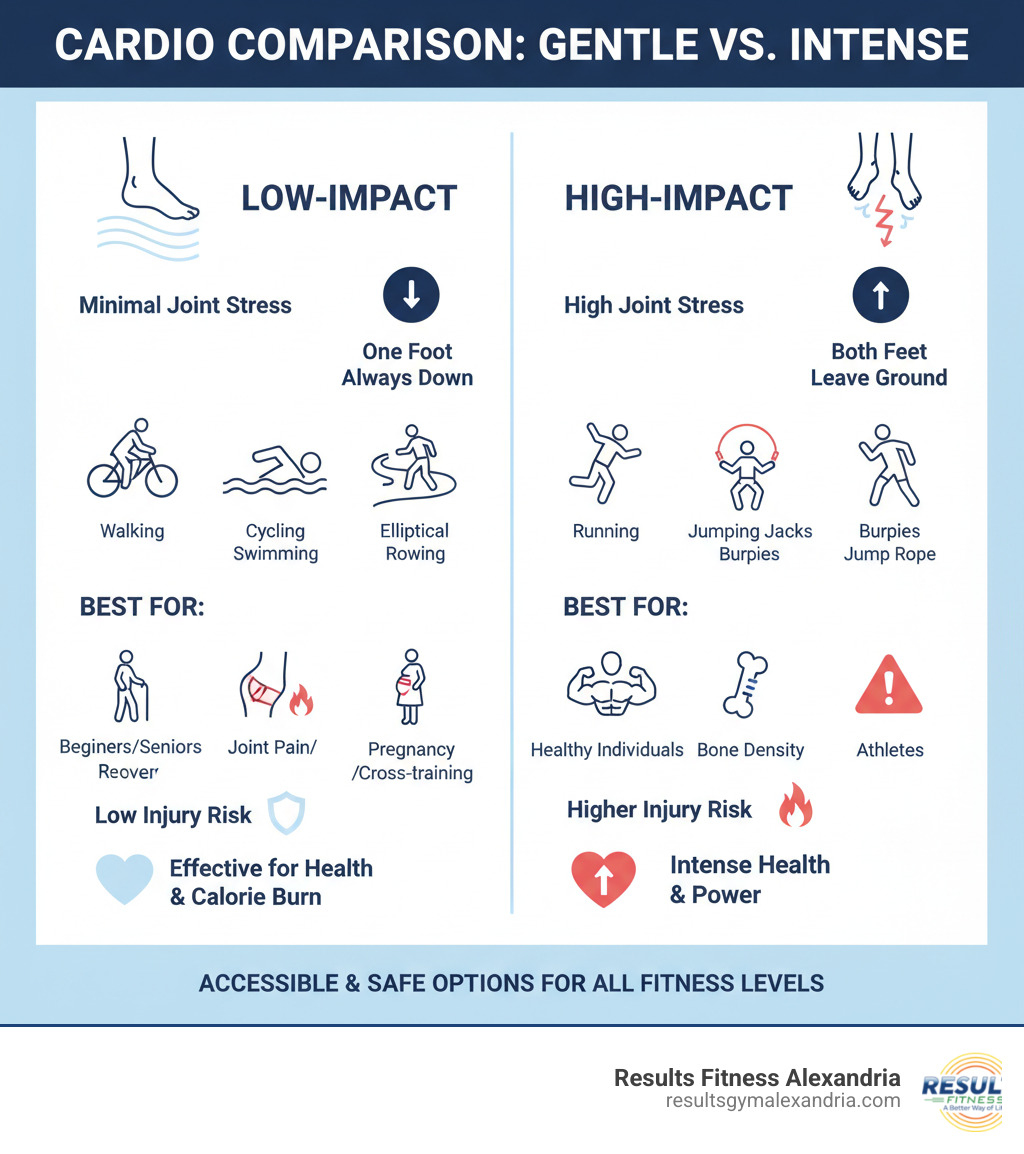
| Joint Impact | High (if jumping) | High (running) / Low (cycling) |
| Sustainability | 10–20 mins max intensity | 30–60+ mins sustainable |
| Best For | Fat loss, strength, power | VO₂max, endurance, heart health |
Bottom line: Squat cardio is not a full replacement for running, cycling, or swimming if your goal is aerobic capacity.
Build a Hybrid Training Plan
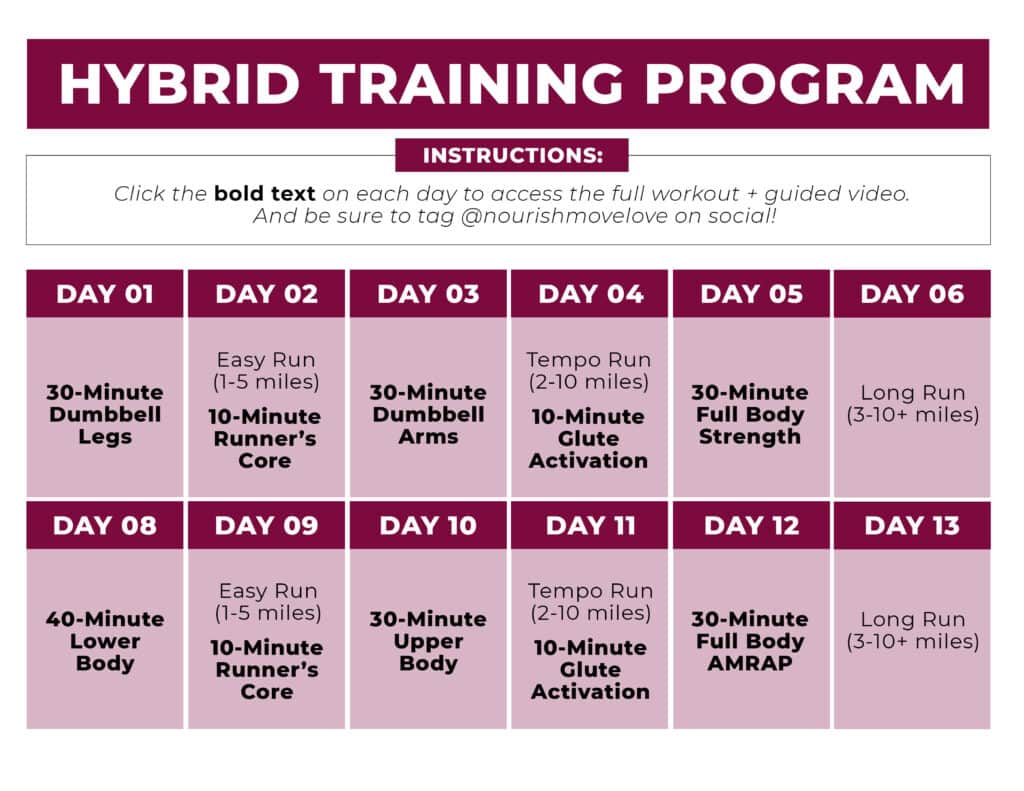
For optimal health and fitness, combine squat-based cardio with traditional endurance work.
Weekly Recommendation (CSEP Guidelines)
- Strength + Cardio Squats: 2–3 days
- Example: Jump squat circuit (Tue), goblet squat ladder (Fri)
- Traditional Cardio: 3–5 days
- 30 mins brisk walk, jog, cycle, or swim
- Total Weekly Activity: 150+ mins moderate-to-vigorous
Bonus: Even 30 minutes of weekly exercise maintains fitness in trained individuals (Spiering et al., 2021). But for improvement, aim for 150 minutes.
Progress Safely and Long-Term
Avoid plateaus and injuries with smart progression.
How to Progress
- Week 1–2: 3 rounds of circuit, bodyweight only
- Week 3–4: Add 1 round, shorten rest to 10 seconds
- Week 5+: Introduce light weights or new variations (e.g., weighted squat jumps)
Track: Total reps, heart rate, perceived exertion.
Prevent Overtraining
Signs you are doing too much:
– Persistent soreness
– Decreased performance
– Joint pain
– Poor sleep or irritability
Fix: Take an extra rest day, reduce volume, or switch to low-impact cardio.
Support Long-Term Joint Health
- Mobility work: Daily ankle dorsiflexion and hip flexor stretches.
- Balance training: Add single-leg squats or glute bridges.
- Cross-train: Rotate between squat circuits, cycling, swimming, and walking.
Goal: Keep your body resilient, not beat up.
Frequently Asked Questions About Cardio Squat Workouts
Can squats really replace cardio for fat loss?
Squats can support fat loss by elevating heart rate and triggering EPOC (afterburn), but they work best alongside traditional cardio. For sustained calorie burn and VO₂max improvement, combine squat circuits with steady-state activities like running or cycling.
How many squats should I do for a cardio workout?
Aim for 300–1,000 total reps across a session, or 20+ reps per set with minimal rest. The Hong et al. (2024) study showed that even 5 sets of 10 reps at 65% 1RM can push VO₂ to over 100% of maximum in trained individuals.
Are squat jumps safe for knees?
Squat jumps are safe when you land with soft knees, keep your chest up, and avoid letting knees collapse inward. If you have existing knee issues, stick to pulse squats or high-rep bodyweight squats instead.
How often should I do a cardio squat workout?
Limit intense squat cardio sessions to 2–3 times per week with at least 48 hours of recovery between sessions. Pair them with upper-body work or low-impact cardio on off days to prevent overtraining.
Do I need equipment for a cardio squat workout?
No equipment is required. Bodyweight squats, squat jumps, and squat jacks can all spike heart rate effectively. Adding light dumbbells, kettlebells, or resistance bands can increase intensity once you have mastered bodyweight form.
Will squats build muscle or just burn calories?
Squats build muscle and burn calories simultaneously. High-rep squat workouts promote muscular endurance and hypertrophy, especially when combined with progressive overload through added weight or increased volume.
Key Takeaways for Building Your Cardio Squat Workout
A well-designed cardio squat workout bridges the gap between strength training and cardiovascular conditioning. Use high-rep circuits, explosive variations like squat jumps and squat jacks, and minimal rest intervals to keep your heart rate in the 65–85% zone. Prioritize form to protect your knees and lower back, and allow 48 hours of recovery between intense sessions.
For complete fitness, pair squat-based cardio with traditional endurance work. Aim for 150 minutes of moderate-to-vigorous activity per week, mixing jump squat circuits with brisk walks, jogs, or bike rides. Start with bodyweight, track your heart rate, and progress gradually by adding rounds, reducing rest, or introducing light weights.
Your next step: Try the Jump and Squat Circuit from this guide this week. Perform 3 rounds with proper form, monitor your heart rate, and notice how your cardiovascular system responds. Adjust the volume based on your fitness level, and build from there.