How to Improve Cardio Fitness
You know that feeling—huffing and puffing after climbing a flight of stairs or struggling to keep up on a brisk walk. It’s a clear sign your cardiovascular fitness could use a boost. Improving cardio fitness is about training your heart, lungs, and muscles to work more efficiently so daily life feels easier and your risk of chronic disease drops. You don’t need a gym membership or elite athleticism to make real, measurable progress.
The key lies in understanding how your body uses oxygen during exercise, measured by VO2 max, and applying proven strategies to improve it. Whether you’re starting from scratch or pushing past a plateau, consistent and smart training can increase your endurance, lower your resting heart rate, and enhance overall health. This guide breaks down exactly how to improve cardio fitness using methods backed by science: from choosing the right exercises and intensities to tracking progress and avoiding common mistakes.
Boost Your VO2 Max Naturally
VO2 max is the gold standard for measuring cardiovascular fitness. It reflects how much oxygen your body can use during intense exercise, and a higher number means better endurance. While genetics play a role, training can significantly improve VO2 max, even in previously sedentary individuals.
Train With Intensity That Challenges You
To push your VO2 max higher, you need to work at or near your maximum capacity regularly. This doesn’t mean going all-out every day, but structured high-intensity sessions should be part of your weekly routine.
- Aim for 3–4 cardio sessions per week, mixing moderate and vigorous efforts.
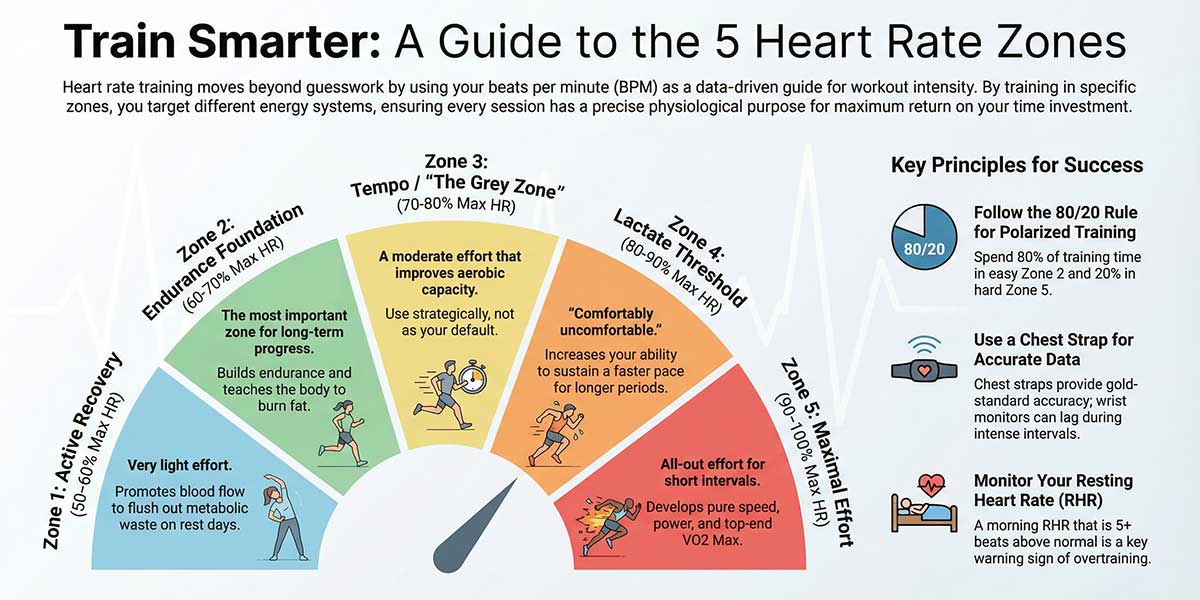
- Use heart rate zones: Train at 70–85% of your max heart rate (roughly 220 minus your age) during intense efforts.
- Track effort with the talk test: If you can’t say more than a few words without gasping, you’re in the right zone.
Studies show that High-Intensity Interval Training (HIIT) can improve VO2 max by 38% to 79% over several weeks when done consistently. Even short bursts of effort, like sprinting for 30 seconds followed by recovery, trigger major adaptations in how your body delivers and uses oxygen.
Apply Progressive Overload Principles
Just like strength training, cardio improvement requires gradual progression. Your body adapts when challenged slightly beyond its current capacity.
- Increase duration first: Add 5–10 minutes to your workouts weekly until you reach 30–60 minutes.
- Then ramp up intensity: Increase speed, incline, or resistance.
- Example: If you walk 3 miles at 3.5 mph, try walking the same distance at 4.0 mph or adding hills.
Without progression, your body plateaus. Small, consistent increases keep your cardiovascular system adapting and improving over time.
Choose the Best Cardio Exercises
Not all cardio is created equal. The most effective exercises engage large muscle groups rhythmically and elevate your heart rate sustainably.
Pick Rhythmic, Full-Body Activities
Focus on movements that involve arms and legs working together over time.
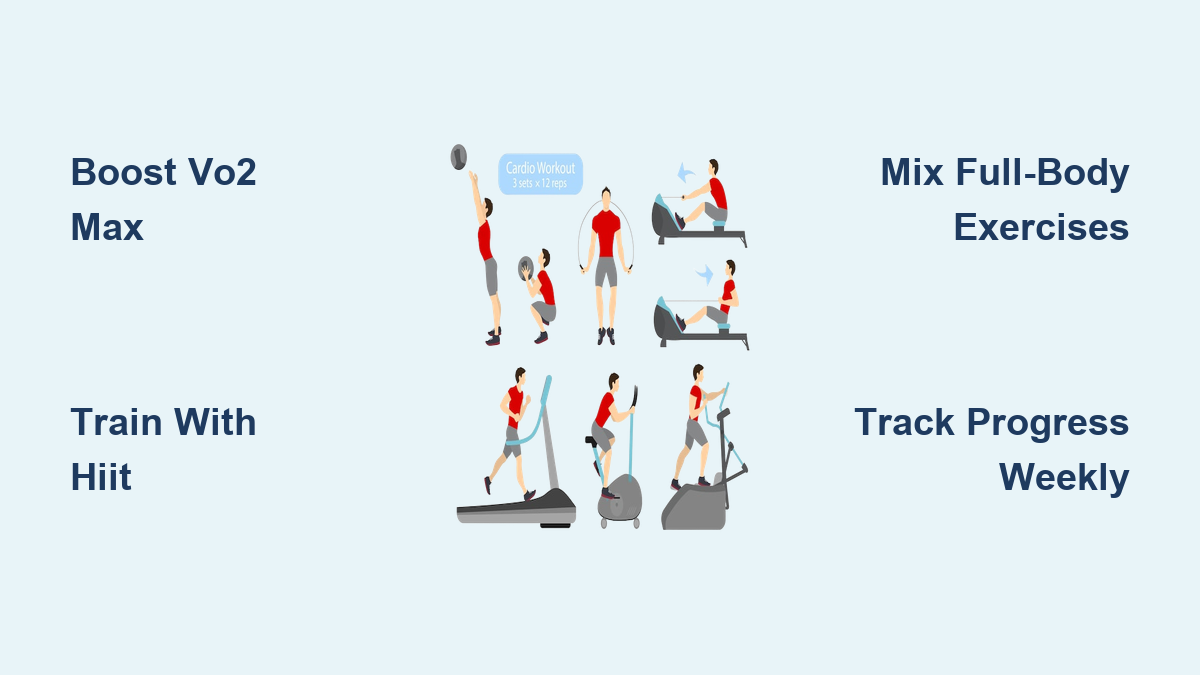
Top aerobic exercises for cardio fitness:
– Brisk walking or hiking (especially uphill)
– Running or jogging
– Cycling (outdoor or stationary)
– Swimming or water aerobics
– Jumping rope
– Dancing or group fitness classes
– Rowing
These activities directly improve heart-lung coordination and oxygen delivery. Choose ones you enjoy, because consistency beats intensity when building long-term fitness.
Mix in Upper-Body Options If Needed
If lower-body mobility is limited, upper-body cardio can still boost heart health.
- Use an arm ergometer (arm bike)
- Try seated boxing or resistance band circuits
- Handcycle or use adaptive equipment
Even without walking, you can improve cardiovascular endurance by challenging your heart through alternative movement patterns.
Use Proven Training Methods
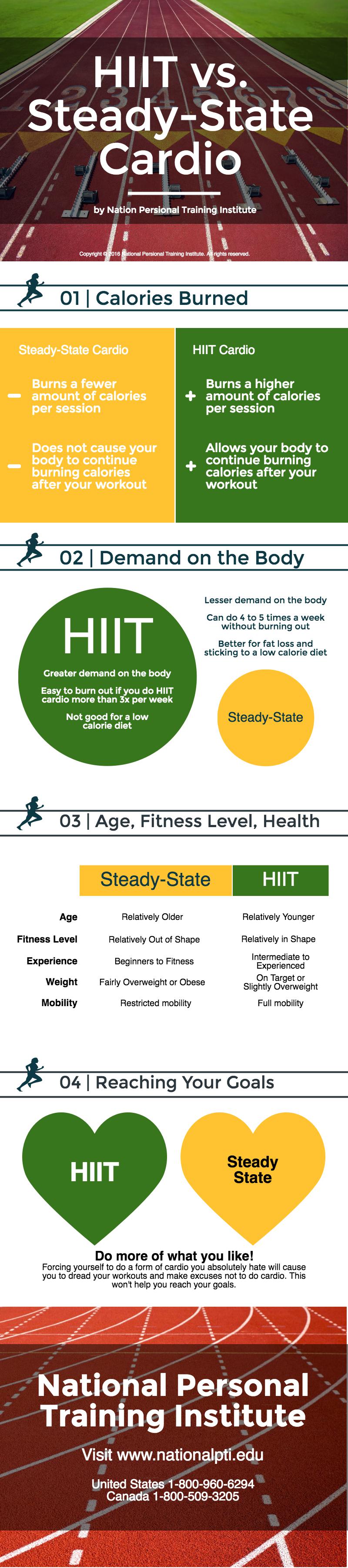
How you structure your workouts matters more than just showing up. Certain protocols are far more effective for boosting cardio fitness than others.
Try High-Intensity Interval Training (HIIT)
HIIT alternates short bursts of near-max effort with recovery periods. It is time-efficient and highly effective for improving VO2 max.
Sample HIIT workout (beginner):
1. Warm up with 5 minutes of brisk walking.
2. Sprint or jog hard for 30 seconds.
3. Walk for 60 seconds to recover.
4. Repeat 6–8 times.
5. Cool down for 5 minutes.
Do this 2–3 times per week. Research shows that just 20 minutes of HIIT, three times a week, can match the cardiovascular benefits of 60 minutes of steady-state cardio five times a week.
Add Sprint Interval Training (SIT)
SIT takes intensity further with all-out sprints.
Example SIT session:
– Warm up 5 minutes
– Go all-out for 20 seconds (sprint or cycle at max effort)
– Recover with 2–3 minutes of light activity
– Repeat 4–6 times
– Cool down
This method has been shown to improve endurance by 4% to 13.5% in as little as 2–8 weeks. It is not for beginners, but once you have built a base, it is a powerful tool.
Stick With Steady-State Cardio for Base Building
Long, moderate-intensity sessions build aerobic capacity over time.
- Ideal for beginners or active recovery days
- Examples: 30–60 minute brisk walk, easy bike ride, or swim
- Keeps heart rate at 60–70% of max
This type of cardio improves mitochondrial density and fat-burning efficiency, laying the foundation for higher-intensity work later.
Combine Cardio With Strength Training
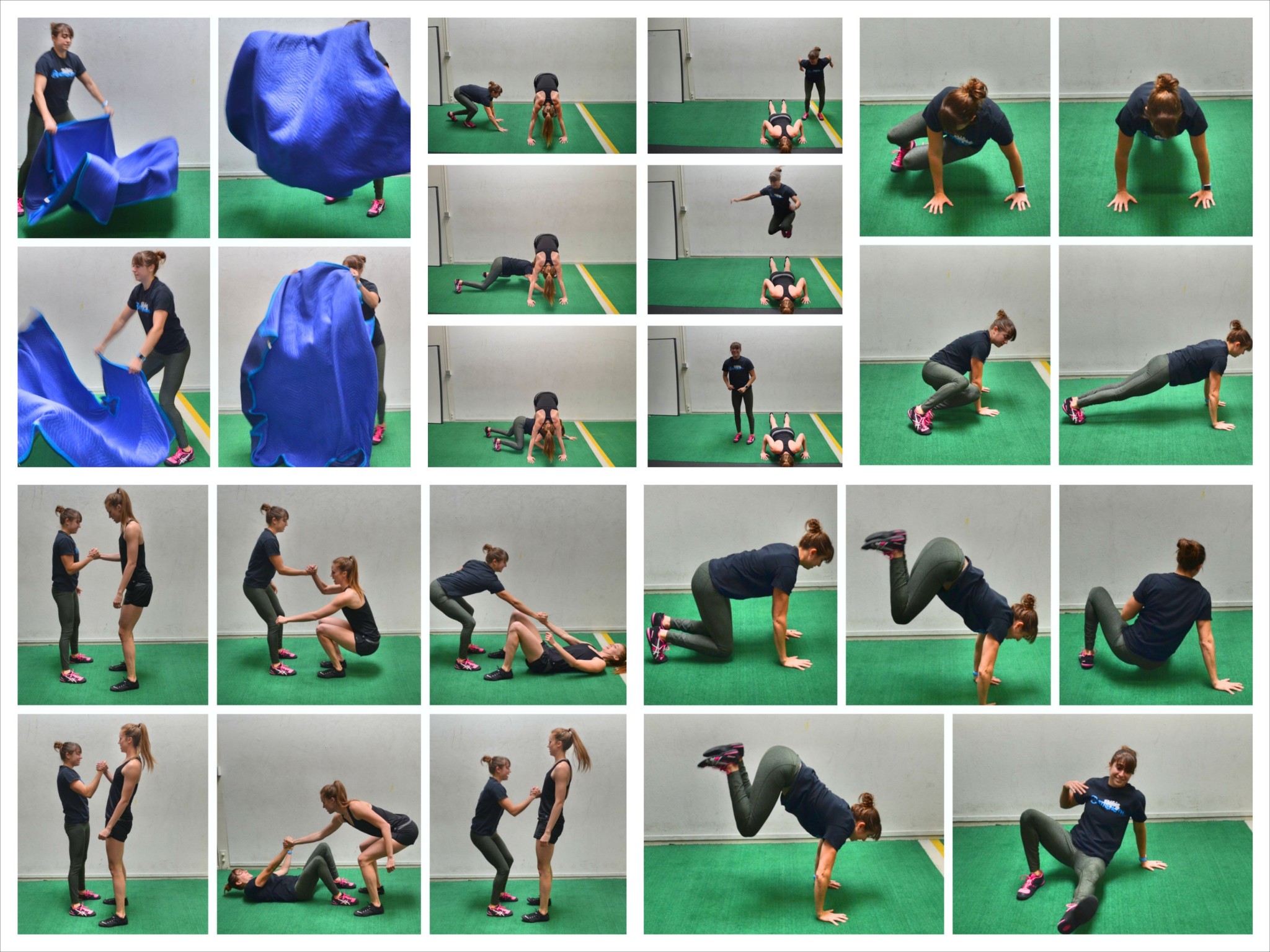
Cardio doesn’t exist in a vacuum. Strength training enhances cardiovascular fitness by making movement more efficient.
Reduce Heart Workload With Stronger Muscles
Stronger muscles require less oxygen to perform the same task. That means your heart doesn’t have to pump as hard during daily activities or exercise.
Include 2–3 strength sessions weekly:
– Bodyweight squats, push-ups, lunges
– Dumbbell rows, shoulder presses
– Resistance band pull-downs or leg extensions
– Calf raises (especially if you have PAD or circulation issues)
Even light resistance work improves muscle endurance and oxygen utilization.
Build Muscle to Burn More Calories at Rest
More lean mass means a higher resting metabolic rate. This supports weight control, which directly impacts cardio performance.
- Fat loss, especially visceral fat, reduces strain on the heart
- Muscle burns more energy than fat, even at rest
- Combined training improves cholesterol: raises HDL, lowers LDL
You don’t need to become a bodybuilder. Consistent resistance work enhances overall fitness on its own.
Prevent Injury With Flexibility and Balance
You can’t improve cardio fitness if you’re sidelined by injury. Flexibility and balance keep you moving safely.
Warm Up and Stretch Smartly
Never skip warm-ups. Cold muscles are prone to strain.
- Do dynamic stretches before workouts: leg swings, arm circles, walking lunges
- Save static stretching (holding stretches) for after your workout or on rest days
- Focus on tight areas: calves, hamstrings, hip flexors, shoulders
This prevents cramps, joint pain, and reduces injury risk.
Practice Balance to Avoid Falls
Poor balance increases fall risk, especially as you age or if you are recovering from stroke or injury.
Simple balance drills:
– Stand on one foot for 30 seconds
– Heel-to-toe walk across a room
– Try tai chi or yoga
These build stability, allowing you to stay active without interruption.
Follow Science-Backed Weekly Guidelines
Knowing how much to do and how often keeps your plan realistic and effective.
Adults: Aim for 150 Minutes Weekly
The American Heart Association recommends:
- 150 minutes of moderate-intensity cardio (like brisk walking) OR
- 75 minutes of vigorous-intensity cardio (like running) per week
- Spread across 3–5 days
For greater benefits, aim for 300 minutes per week.
Also include:
– 2 days of strength training (non-consecutive)
– Limit sitting: Break up long periods with light movement
Even small bouts count. Three 10-minute walks add up to 30 minutes.
Kids and Teens: Move Daily
Children ages 6–17 should get 60 minutes of moderate-to-vigorous activity daily, mostly aerobic.
Include:
– Vigorous activity 3+ days per week (running, sports)
– Muscle- and bone-strengthening 3+ days per week (climbing, jumping)
Younger kids (3–5 years) need active play throughout the day.
Beginners: Start Small, Build Slowly
If you’re new to exercise:
– Begin with 5–10 minutes a day
– Break activity into shorter sessions (3 x 5 minutes)
– Focus on consistency, not speed or distance
Any movement is better than none. Walking to the mailbox, gardening, or playing with kids counts. Gradually increase time and intensity as you adapt.
Adjust for Health Conditions Safely
Exercise is safe for most people, but certain conditions require caution and medical guidance.
Heart Conditions: Get Clearance First
If you have heart disease, high blood pressure, or had a heart attack:
– Talk to your doctor before starting
– Follow a cardiac rehab program if prescribed
– Avoid heavy lifting initially (nothing heavier than a half-full kettle)
– Move slowly when changing positions to prevent dizziness
Exercise strengthens the heart, but must be introduced carefully.
Peripheral Arterial Disease (PAD): Walk Through Discomfort
Walking causes leg pain in PAD, but it actually helps over time.
- Walk until mild pain occurs, rest, then resume
- Repeat for 30–60 minutes, 3–5 times a week
- Focus strength work on calves and legs
Over weeks, pain decreases and walking distance increases.
Stroke Recovery: Start Low, Progress Gradually
Post-stroke patients often have low VO2 max (8–23 ml/kg/min), but can improve by 10–15% with modest aerobic exercise.
- Begin with seated or supported activities
- Use handcycles, recumbent bikes, or water therapy
- Work with a physical therapist
Even light activity boosts circulation and brain function.
Optimize Recovery and Lifestyle

Improvement happens during rest, not just exercise. Support your body with smart recovery habits.
Prioritize Sleep and Rest Days
- Sleep 7–9 hours nightly for muscle repair and heart recovery
- Take 1–2 full rest days per week to prevent overtraining
- Use active recovery: light walk, yoga, or swimming on off days
Overtraining leads to fatigue, injury, and burnout. Balance is key.
Eat to Fuel and Recover
Nutrition powers performance and recovery.
Eat:
– Complex carbs (oats, brown rice, sweet potatoes) for energy
– Lean protein (chicken, fish, beans) for muscle repair
– Healthy fats (avocados, nuts, olive oil) for endurance
Consider supplements:
– Beetroot juice: Rich in nitrates, may improve oxygen efficiency and reduce inflammation
– Stay hydrated, because dehydration hurts performance
Track Progress Effectively
You can’t improve what you don’t measure. Use simple tools to monitor gains.
Use Field Tests to Measure Improvement
No lab? No problem. Estimate VO2 max with these:
- Shuttle run test: Run back and forth between two points (20m apart) as fast as possible
- 1.5-mile run test: Time yourself; faster times equal better cardio fitness
- Step test: Step up and down on a 12-inch platform for 3 minutes, then measure recovery heart rate
Retest every 6–8 weeks to see progress.
Monitor Heart Rate and Perceived Effort
Use a chest strap or wrist monitor to track:
– Resting heart rate (should decrease over time)
– Exercise heart rate (stay in target zones)
– Recovery heart rate (how fast it drops after exercise)
Also use the talk test:
– Can talk easily = light effort
– Can talk, not sing = moderate
– Can’t say more than a few words = vigorous
Stay Consistent and Motivated
The biggest obstacle isn’t fitness level. It’s sticking with the plan.
Set Realistic, Incremental Goals
Avoid “all-or-nothing” thinking. Focus on small wins.
Examples:
– “Walk 10 minutes daily for one week”
– “Complete 3 HIIT sessions this month”
– “Run a 5K in under 30 minutes”
Track milestones and celebrate progress.
Make It Enjoyable
You’re more likely to stick with activities you like.
- Dance instead of run
- Join a recreational sports league
- Hike in nature
- Try a new class (Zumba, spin, aqua fitness)
Schedule workouts at the same time each day to build habit.
Reward Yourself
Positive reinforcement works.
- Buy new workout gear after hitting a goal
- Take a day off or treat yourself to a massage
- Share progress with friends for accountability
Frequently Asked Questions About Improving Cardio Fitness
How long does it take to improve cardio fitness?
Most people see noticeable improvements in 4–8 weeks with consistent training. VO2 max can increase by 4% to 13.5% in as little as 2–8 weeks with sprint interval training, and HIIT can boost cardiovascular endurance by 38% to 79% over several weeks.
Can I improve cardio fitness without running?
Yes. Any rhythmic, full-body activity that elevates your heart rate works. Brisk walking, cycling, swimming, rowing, dancing, and jumping rope are all effective options.
How often should I do cardio to see results?
Aim for at least 150 minutes of moderate-intensity or 75 minutes of vigorous-intensity cardio per week, spread across 3–5 days. For greater benefits, work up to 300 minutes weekly.
Is HIIT better than steady-state cardio for improving VO2 max?
HIIT is highly effective for boosting VO2 max and is more time-efficient. Research shows 20 minutes of HIIT three times per week can match the benefits of 60 minutes of steady-state cardio five times per week. However, steady-state cardio is excellent for building a base and active recovery.
Should I do cardio or strength training first?
It depends on your goals. If improving cardio fitness is your priority, do cardio first when you’re fresh. If building strength is the main goal, lift first. Combining both in the same week yields the best overall results.
What is a good VO2 max for my age?
VO2 max varies by age, sex, and fitness level. Active young people typically score 35–50 ml/kg/min, while endurance athletes may reach 70–85 ml/kg/min. Use a field test or lab assessment to find your baseline and track changes over time.
Key Takeaways for Improving Your Cardio Fitness
Improving cardio fitness is a gradual, rewarding process. Focus on three core strategies: train with progressive overload, mix in HIIT or sprint intervals once you have a base, and combine cardio with strength work for maximum efficiency. Support your training with 7–9 hours of sleep, proper nutrition, and rest days to allow your body to adapt.
Start where you are, use the methods outlined above, and track your progress every 6–8 weeks. Consistency is more important than perfection. Your heart, lungs, and muscles will adapt, and within weeks you’ll notice easier breathing, faster recovery, and more energy in daily life.