Benefits of High Intensity Cardio Explained
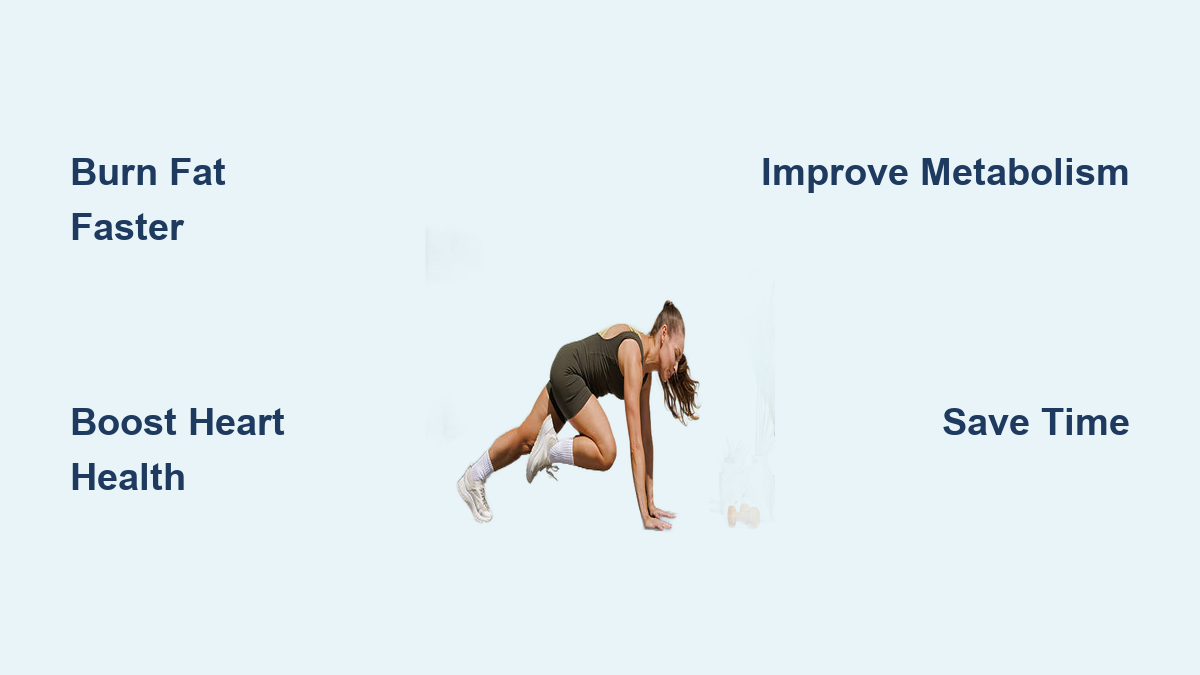
You’re short on time but want maximum fitness results. That’s where high-intensity cardio comes in. Unlike long, slow jogs, high-intensity cardio, especially High-Intensity Interval Training (HIIT), delivers rapid improvements in fat loss, heart health, and energy efficiency in as little as 10 to 30 minutes per session. Backed by clinical research, this powerful form of exercise spikes your heart rate, ignites calorie burn during and after workouts, and enhances metabolic health more efficiently than traditional cardio.
Whether you’re a busy parent, a working professional, or someone looking to optimize fitness, understanding the real benefits of high-intensity cardio can transform your routine. You’ll learn how it boosts fat loss, improves heart function, regulates blood sugar, and even supports mental well-being, all without spending hours at the gym. Let’s break down exactly what science says about high-intensity cardio and how to use it safely and effectively.
Boost Fat Loss With EPOC

The Afterburn Effect Explained
High-intensity cardio triggers a unique metabolic response called Excess Post-Exercise Oxygen Consumption (EPOC), commonly known as the “afterburn effect.” During intense bursts, your body uses energy faster than it can take in oxygen, creating an oxygen debt. After the workout, your body works harder to restore balance, repairing tissue, clearing lactate, and replenishing energy stores. This process keeps your metabolism elevated for hours after the session ends.
As a result, you continue burning calories long after the workout concludes. While steady-state cardio burns calories mostly during the session, HIIT extends that burn far beyond. Studies show HIIT can burn around 13 calories per minute during the workout, with additional post-exercise expenditure due to EPOC.
Target Stubborn Abdominal Fat
One of the most compelling benefits of high-intensity cardio is its ability to reduce visceral and abdominal fat, the dangerous fat surrounding internal organs linked to heart disease, diabetes, and metabolic syndrome. Research analyzing 13 studies with over 400 participants found that both HIIT and moderate-intensity cardio reduce body fat and waist circumference, but HIIT achieves similar or better results in less time.
In fact, some trials show up to a 17% reduction in visceral fat with consistent HIIT training, without requiring dietary changes. This makes it a powerful tool for improving body composition, especially when time is limited.
Preserve Muscle While Losing Fat
Unlike long-duration cardio, which may lead to muscle loss over time, high-intensity cardio helps preserve lean muscle mass. The anaerobic nature of HIIT stimulates fast-twitch muscle fibers and boosts anabolic hormones like growth hormone and testosterone. This dual action supports fat loss while maintaining strength and tone.
For sedentary individuals or those returning to fitness, HIIT can even promote modest muscle growth, particularly in the legs and core. However, for advanced lifters seeking maximum hypertrophy, it should complement, not replace, dedicated resistance training.
Improve Heart and Lung Function
Increase VO2 Max Faster
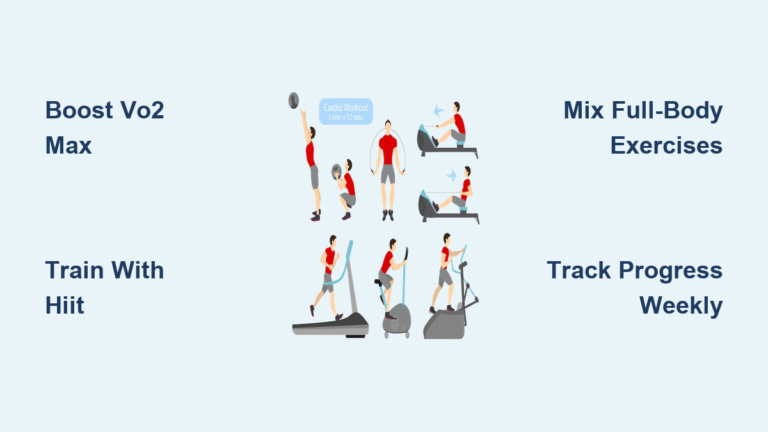
VO2 max, the maximum amount of oxygen your body can use during intense exercise, is a key indicator of cardiovascular fitness. Higher VO2 max means better endurance, improved heart efficiency, and lower risk of chronic disease.
HIIT has been shown to boost VO2 max as effectively or more effectively than steady-state cardio, often in half the time. A 2014 study published in the British Journal of Sports Medicine found that HIIT increased cardiorespiratory fitness nearly twice as much as moderate-intensity training in people with heart disease, diabetes, and obesity.
Improvements can be seen in as little as two to six weeks of consistent training, making HIIT ideal for rapid fitness gains.
Lower Blood Pressure and Boost Circulation
High-intensity cardio enhances vascular health by improving arterial elasticity and reducing stiffness. This lowers systolic and diastolic blood pressure, especially in people with overweight or obesity.
By increasing blood flow and stimulating nitric oxide production, HIIT improves circulation and reduces strain on the heart. Over time, this can help reverse early signs of coronary artery disease and reduce plaque buildup risk through better lipid metabolism.
Strengthen Both Aerobic and Anaerobic Systems
Most workouts focus on either endurance (aerobic) or speed and power (anaerobic). HIIT uniquely trains both. During high-intensity intervals, your body relies on anaerobic pathways using stored glycogen. During recovery, it shifts back to aerobic metabolism.
This dual adaptation improves performance across activities, from sprinting to hiking to playing with kids. It also raises your lactate threshold, meaning you can work harder before fatigue sets in.
Enhance Metabolic Health

Control Blood Sugar Naturally
One of the most impactful benefits of high-intensity cardio is its effect on blood glucose regulation. During intense efforts, muscles pull glucose from the bloodstream for fuel, even without insulin. This increases insulin sensitivity, helping cells respond better to insulin over time.
For people with insulin resistance, prediabetes, or Type 2 diabetes, HIIT has been shown to lower fasting blood sugar levels and improve glycemic control. Some studies suggest doing HIIT after meals can blunt post-meal glucose spikes, offering a practical strategy for daily management.
Fight Insulin Resistance
Insulin resistance is a root cause of metabolic syndrome, obesity, and Type 2 diabetes. HIIT directly combats this by enhancing glucose uptake in muscle cells and reducing fat accumulation in the liver and abdomen.
Because it works quickly and effectively, even short-term HIIT programs (such as two weeks) have demonstrated measurable improvements in insulin sensitivity, making it one of the most potent tools for metabolic reset.
Stimulate Fat-Burning Enzymes
Beyond hormones, HIIT triggers cellular changes that make your body a better fat-burning machine. It increases enzymes involved in fat oxidation and mitochondrial biogenesis, the creation of new energy-producing structures in cells.
This means you burn more fat not just during workouts, but at rest. Over time, your body becomes more efficient at using fat for fuel, even during low-intensity activities like walking or standing.
Build Strength and Bone Density
Activate Fast-Twitch Muscle Fibers
High-intensity cardio often includes explosive movements like jump squats, burpees, and sprinting that recruit fast-twitch muscle fibers. These fibers are responsible for power, speed, and strength.
Regular activation through HIIT improves neuromuscular coordination, enhances muscular endurance, and increases overall power output. This translates to real-world benefits like easier stair climbing, lifting, and faster reaction times.
Support Joint and Bone Health
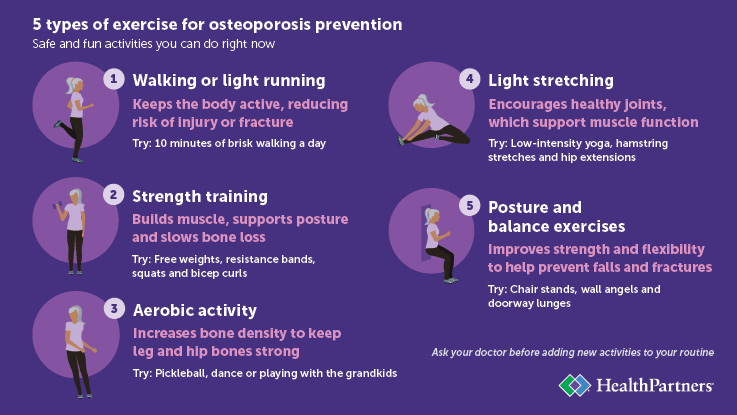
Weight-bearing HIIT exercises like jumping, sprinting, and plyometrics apply mechanical stress to bones, stimulating bone-forming cells and increasing bone density. This helps prevent osteoporosis and age-related bone loss.
When combined with outdoor training for vitamin D synthesis, HIIT supports both skeletal and dental health. Eight-week studies have also shown reduced muscle stiffness and improved mobility in people who sit for long periods.
Maximize Time and Mental Well-Being
Get Results in 10 to 30 Minutes
The biggest appeal of high-intensity cardio is time efficiency. Effective workouts can last as little as 4 minutes (Tabata) or 20 to 30 minutes for standard HIIT sessions.
This makes it ideal for people with packed schedules, including professionals, parents, and students who struggle to find time for fitness. Because sessions are short and results are visible, adherence tends to be higher than with longer, repetitive cardio.
Reduce Stress and Boost Mood
Exercise is a proven mood enhancer, and HIIT is no exception. The intense focus required during intervals distracts the mind from daily stressors. Meanwhile, endorphins released during exertion improve feelings of well-being and reduce anxiety.
Though intense, the structured nature of HIIT, knowing each interval has a defined end, can create a sense of accomplishment and control. Many users report feeling energized rather than drained after a session.
Promote Youthful Aging
HIIT stimulates the release of human growth hormone (HGH), sometimes by up to 450% during and after exercise. HGH plays a role in tissue repair, fat metabolism, and anti-aging processes, including maintaining healthy hair and nail growth.
By boosting HGH naturally, HIIT supports cellular regeneration and slows some aspects of biological aging, making it a powerful longevity tool.
Choose the Right HIIT Protocol
Match Intensity to Fitness Level
Not all HIIT is created equal. Beginners should start with lower ratios and build gradually:
- Beginner: 1:1 work-to-rest (such as 30 sec work, 30 sec rest)
- Intermediate: 2:1 ratio (such as 40 sec work, 20 sec rest)
- Advanced: 3:1 or higher (such as 45 sec work, 15 sec rest)
Use Rate of Perceived Exertion (RPE) to guide effort. Aim for 8 to 9 out of 10, where speaking more than a few words is difficult.
Follow Proven Workout Structures
Try these evidence-based protocols:
- Tabata: 20 sec max effort, 10 sec rest, repeat 8 rounds (4 minutes total)
- 4×4 Method (Norwegian): 4 minutes at 85 to 95% max heart rate, 3 minutes easy, repeat 4 times
- 15/60 Sprint: 15 sec sprint, 60 sec walk, repeat 10 to 15 times
Warm up for 5 to 10 minutes and cool down for 5 minutes to prevent injury.
Sample Routines by Level
- Beginner: 30 sec jumping jacks / 30 sec rest x 4 rounds (modify by marching in place if needed)
- Intermediate: 40 sec jump squats / 20 sec rest x 5 rounds
- Advanced: 45 sec burpees / 15 sec rest x 6 rounds
Use bodyweight, dumbbells, or machines like a treadmill or bike based on preference and access.
Avoid Common Mistakes
Don’t Skip Warm-Up and Cool-Down
A proper warm-up with light cardio and dynamic stretches prepares your heart, lungs, and muscles for intense effort. Skipping it increases injury risk, especially for explosive moves.
Cool down with light movement and static stretching to aid recovery and reduce soreness.
Don’t Do HIIT Every Day
HIIT places high stress on the nervous system and muscles. Allow 48 hours between intense sessions to recover. Overtraining leads to fatigue, insomnia, irritability, and elevated resting heart rate.
Most people benefit from 2 to 3 HIIT sessions per week, paired with strength training or low-intensity cardio.
Prioritize Form Over Speed
Sacrificing technique to go faster increases injury risk, especially with complex moves like burpees or kettlebell swings. Focus on controlled, full-range motion first. Speed and intensity come later.
If form breaks down, extend rest or reduce volume.
Get Medical Clearance When Needed
HIIT involves rapid heart rate spikes. If you have heart disease or risk factors, high blood pressure, diabetes, joint issues, or are over 45 and inactive, consult your doctor before starting. Cardiac rehab patients often begin under supervision with stress tests.
Combine HIIT With Other Training
Pair With Steady-State Cardio
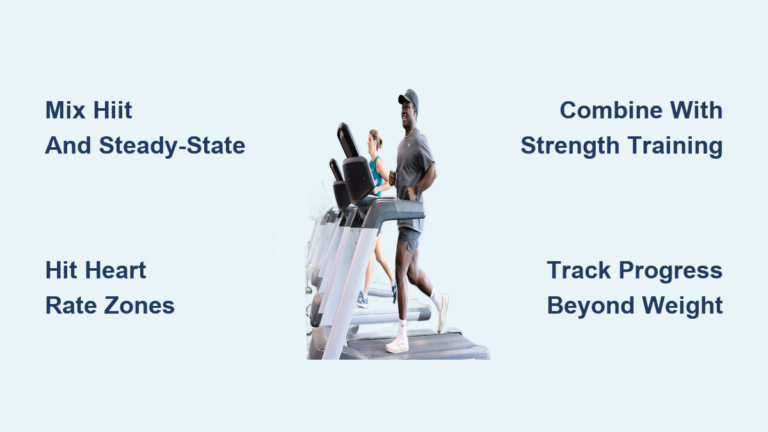
While HIIT excels at fat loss and VO2 max, steady-state cardio like brisk walking or cycling supports endurance, recovery, and mental relaxation. A balanced routine might include 2 days HIIT, 2 days moderate cardio, 2 days strength training, and 1 rest day.
This mix covers all fitness domains and reduces burnout risk.
Add Strength Training
HIIT is not a full replacement for resistance training. To build significant muscle, prioritize weightlifting. However, resistance-based HIIT, such as kettlebell circuits, can maintain strength and add metabolic variety.
Use HIIT as a finisher after strength workouts or on separate days.
Make It Sustainable
The best workout is the one you’ll stick with. If HIIT feels punishing, modify it by shortening intervals, reducing impact, or switching to incline walking sprints. Enjoyment drives consistency, and consistency beats intensity in the long run.
Frequently Asked Questions About High-Intensity Cardio
How long does a HIIT workout need to be to be effective?
Effective HIIT workouts can range from just 4 minutes (using the Tabata protocol) to 20 to 30 minutes for standard sessions. The key is reaching near-maximum effort during work intervals, not the total duration.
Can beginners safely do high-intensity cardio?
Yes, but beginners should start with a 1:1 work-to-rest ratio and lower intensities. Building a base of moderate exercise for several weeks before attempting maximum effort is recommended to reduce injury risk.
Does HIIT burn more fat than regular cardio?
HIIT burns calories during the workout and continues to elevate metabolism for hours afterward through EPOC. Research shows it can reduce body fat and visceral fat as effectively as moderate cardio in significantly less time.
How often should I do HIIT each week?
Most people benefit from 2 to 3 HIIT sessions per week, with at least 48 hours of recovery between sessions. Daily HIIT increases the risk of overtraining, fatigue, and injury.
Is high-intensity cardio safe for people with heart conditions?
Individuals with heart disease, high blood pressure, or other cardiac risk factors should consult a doctor before starting HIIT. Supervised programs with stress tests are often recommended for cardiac rehabilitation patients.
Will HIIT make me lose muscle?
No, HIIT actually helps preserve lean muscle mass because it stimulates fast-twitch fibers and anabolic hormones. Unlike long steady-state cardio, it supports fat loss while maintaining strength and tone.
Final Takeaways: Why High-Intensity Cardio Works

High-intensity cardio delivers real, measurable benefits in minimal time. It burns fat faster with the afterburn effect, targets dangerous visceral fat, boosts VO2 max and heart health, lowers blood pressure, and improves circulation. It also enhances insulin sensitivity, preserves muscle, builds power, strengthens bones, fits into busy schedules, elevates mood, and stimulates anti-aging hormones like HGH.
But it’s not for everyone, every day. Used wisely, 2 to 3 times weekly with proper recovery and form, it’s one of the most efficient fitness tools available.
Start slow, listen to your body, and build progressively. Whether you’re aiming to lose fat, gain energy, or protect long-term health, high-intensity cardio can be a game-changer when done right.