Steady State Cardio Benefits Explained
You lace up your shoes, start walking, and settle into a rhythm. No sprinting, no gasping for air, just consistent, manageable movement. This is steady state cardio, and while it may not look flashy, it ranks among the most powerful tools for long-term health, fat loss, and endurance. Unlike high-intensity workouts that leave you drained, steady state cardio builds your body’s aerobic engine quietly and sustainably.
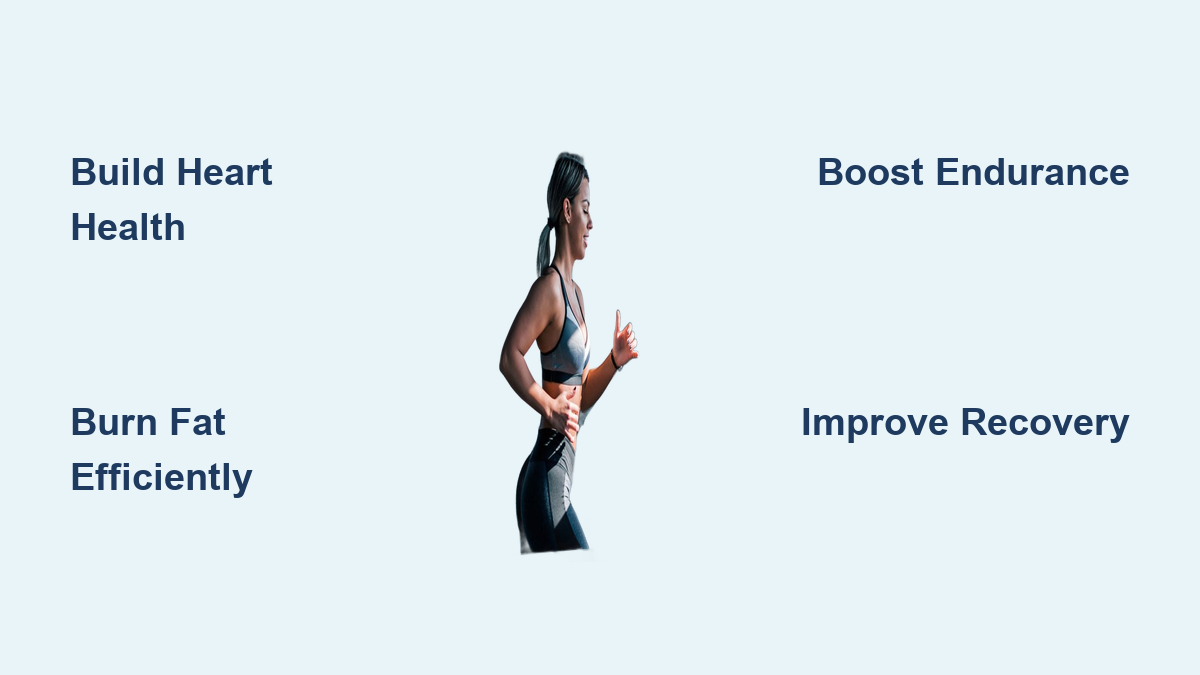
Steady state cardio, also known as low-intensity steady state (LISS) or Zone 2 training, refers to maintaining a moderate, consistent effort for 30 to 90 minutes. Your heart rate stays between 50% and 70% of your max, allowing your body to use oxygen efficiently and burn fat as its primary fuel. It is the kind of workout where you can talk comfortably, listen to a podcast, or enjoy nature without pushing to exhaustion. Backed by decades of research, steady state cardio delivers measurable improvements in heart health, metabolic function, mental clarity, and recovery.
Build a Stronger Heart With Steady State Cardio
Improve Cardiac Efficiency
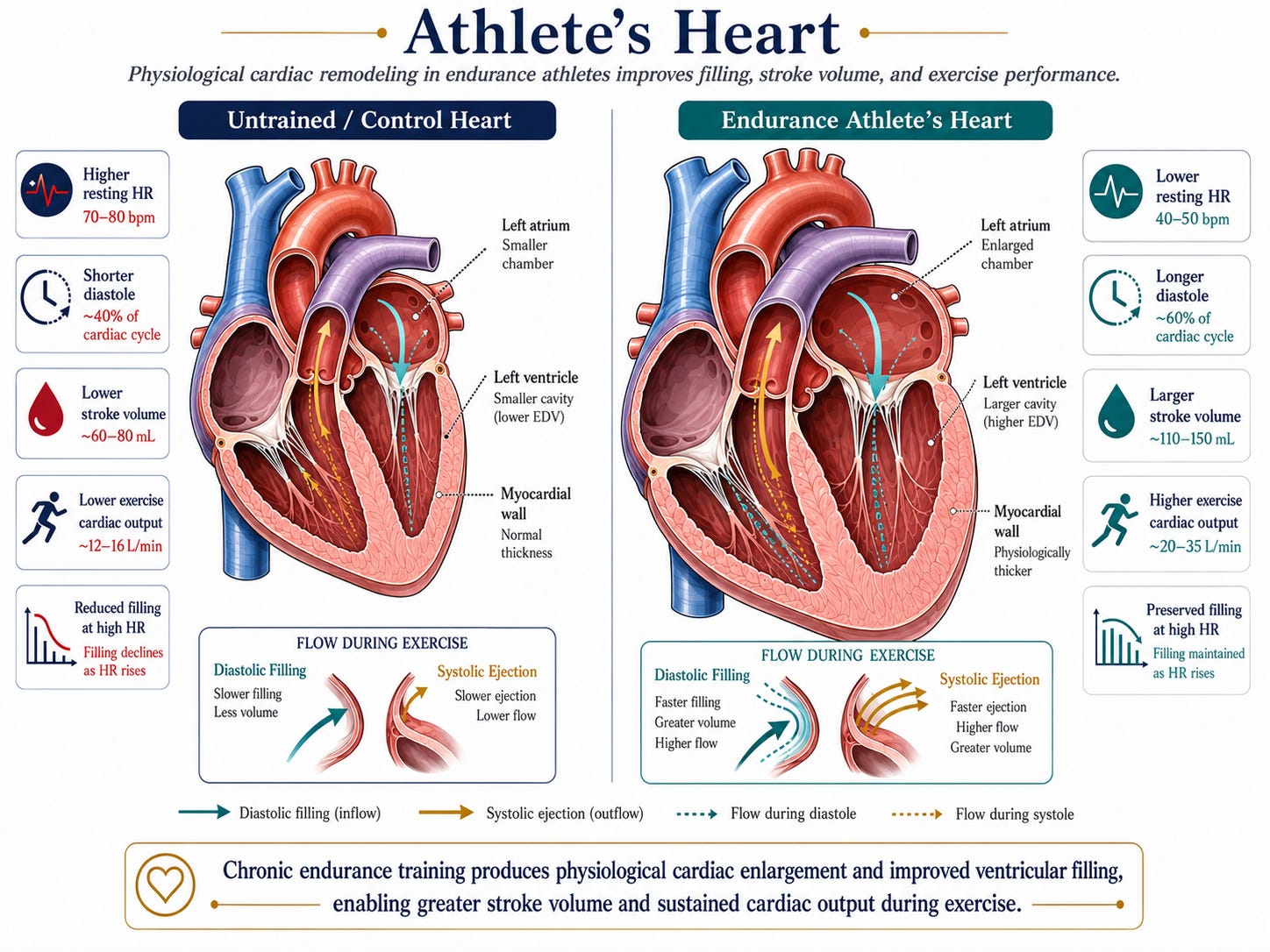
Steady state cardio strengthens your heart muscle, enabling it to pump more blood with each beat. This increases stroke volume, a key marker of cardiovascular fitness. Over time, your resting heart rate drops because your heart does not need to work as hard to circulate blood. A lower resting heart rate is linked to better longevity and reduced risk of heart disease.
Regular Zone 2 training trains the heart to deliver oxygen more efficiently, improving cardiac output and reducing strain on the cardiovascular system. This makes everyday activities like climbing stairs or walking uphill feel easier and less taxing.
Lower Blood Pressure Safely
Moderate-intensity cardio helps regulate blood pressure by improving the elasticity of blood vessels and reducing arterial stiffness. Studies show consistent aerobic exercise can lead to meaningful reductions in both systolic and diastolic blood pressure, especially in individuals with hypertension. Because steady state cardio avoids the extreme spikes in blood pressure seen during HIIT, it serves as a safer option for those managing cardiovascular concerns.
Reduce Heart Disease Risk
Engaging in regular steady state cardio significantly lowers the risk of heart attacks, strokes, and heart failure. Meta-analyses confirm a dose-response relationship: the more moderate-intensity activity you do, the lower your risk. Just 150 minutes per week, the standard public health recommendation, can cut cardiovascular disease risk by up to 30%. The sustained, rhythmic nature of LISS supports long-term vascular health without overloading the system.
Burn Fat Efficiently Through Steady State Cardio

Maximize Fat Oxidation
At 60–70% of your max heart rate, your body primarily burns stored fat for fuel. This is the true “fat-burning zone.” While high-intensity workouts burn more total calories per minute, a higher percentage comes from carbohydrates. Steady state cardio flips that ratio, making it ideal for improving metabolic flexibility, which is your body’s ability to switch between fat and glucose as needed.
Over time, this enhances insulin sensitivity and reduces reliance on quick-burning sugars, helping prevent energy crashes and cravings.
Support Sustainable Weight Loss
A 2021 meta-analysis by Steele et al. found no significant difference in fat loss between HIIT and steady state cardio when total energy expenditure was matched. However, people stick with steady state programs longer. The lower perceived exertion means fewer dropouts and better long-term adherence, which is key for lasting weight management.
You can burn 150–350 calories in a 30-minute session depending on weight and intensity. Extend it to 60 minutes, and that doubles without the fatigue or hunger spikes often triggered by intense training.
Target Visceral Fat
Steady state cardio is particularly effective at reducing visceral fat, the deep abdominal fat surrounding organs. This type of fat is strongly linked to insulin resistance, inflammation, and metabolic syndrome. Research shows consistent aerobic training reduces visceral fat even without dramatic weight loss, improving internal health markers independently of the scale.
Boost Endurance and Stamina Naturally
Increase Mitochondrial Density
Mitochondria are the power plants of your cells. Steady state cardio signals your body to produce more and larger mitochondria in muscle tissue. This allows muscles to generate energy aerobically, delaying fatigue and improving performance in endurance activities.
These adaptations take 4–8 weeks to become noticeable but are foundational for long-term fitness. The more mitochondria you have, the more efficiently your body uses oxygen and fuel, making everything from jogging to gardening feel easier.
Enhance Capillary Networks
Aerobic training increases the number of capillaries around muscle fibers. This expanded network delivers more oxygen and nutrients while removing waste products like lactate. The result? Improved muscular endurance and faster recovery between efforts.
For athletes, this means better performance in events lasting longer than two minutes, where aerobic energy dominates.
Follow the 80/20 Training Rule
Elite endurance athletes train 80% low intensity, 20% high intensity. This balance maximizes aerobic development while minimizing injury and burnout. Steady state cardio builds the base that allows high-intensity efforts to be effective. Without it, HIIT becomes unsustainable and counterproductive.
Even if you are not racing, applying this rule improves overall fitness and prevents plateaus.
Accelerate Recovery and Prevent Injury

Promote Active Recovery
Doing 15 minutes of steady state cardio after a hard workout, like cycling or rowing at low intensity, boosts blood flow without stressing the nervous system. This helps clear lactate and reduces muscle soreness. A 2018 study by Wiewelhove et al. showed active recovery improved performance in subsequent training sessions compared to passive rest.
Use it the day after leg day or a sprint session to stay mobile and recover faster.
Reduce Joint and Tissue Stress
Unlike HIIT, which involves explosive movements and high impact, steady state cardio is typically low-impact. Activities like swimming, cycling, and elliptical training minimize stress on joints, tendons, and ligaments. This makes it ideal for injury prevention, rehabilitation, and long-term joint health.
For those with arthritis, previous injuries, or chronic pain, LISS offers a safe way to stay active.
Minimize Nervous System Fatigue
High-intensity training taxes the central nervous system (CNS), requiring longer recovery. Steady state cardio, in contrast, is CNS-friendly. You can do it daily without accumulating fatigue, making it perfect for active rest days or high-volume training phases.
If you are feeling burnt out or overtrained, scaling back to Zone 2 workouts can help reset your system.
Enhance Mental Health and Focus

Reduce Stress and Anxiety
The rhythmic, meditative nature of steady state cardio lowers cortisol levels and activates the parasympathetic nervous system, the “rest and digest” mode. Whether you are walking in nature or cycling with music, the repetitive motion induces a calming effect similar to mindfulness.
Pair it with social interaction like a walk with a friend, and the mental health benefits multiply.
Boost Mood Naturally
Exercise triggers the release of endorphins, serotonin, and dopamine, neurochemicals that elevate mood and reduce symptoms of depression. Steady state cardio provides a steady, sustainable release of these feel-good hormones without the crash that can follow intense workouts.
Many people report a “runner’s high” during long, moderate efforts, a natural high that supports emotional resilience.
Improve Sleep and Cognitive Function
Regular aerobic activity improves sleep quality and duration. Better sleep, in turn, supports recovery, hormone balance, and mental clarity. Steady state cardio has also been linked to improved memory, focus, and executive function, especially in older adults.
The combination of increased blood flow to the brain and reduced inflammation contributes to long-term cognitive protection.
Outperform HIIT in Long-Term Adherence
Avoid the Burnout Trap
HIIT is time-efficient and effective, but many people quit due to its demanding nature. Steady state cardio’s lower perceived exertion makes it easier to stick with over months and years. You are more likely to do 45 minutes of brisk walking than 20 minutes of all-out sprints, especially when life gets busy.
Consistency beats intensity when it comes to lasting results.
Combine Both for Best Results
The ideal fitness plan includes both. Use 1–2 HIIT sessions per week for speed and power, and 3–5 steady state sessions to build your aerobic base. This hybrid approach maximizes fat loss, performance, and recovery while minimizing injury risk.
Example: Do HIIT on Wednesday and Saturday, and steady state walks or swims on Monday, Thursday, and Sunday.
Ideal for Beginners and Seniors
Steady state cardio has a low barrier to entry. It is safe for absolute beginners, older adults, and those with health conditions. The ability to control intensity in real time using the “talk test” makes it self-regulating and accessible.
For older populations, it supports balance, mobility, and cognitive health, which are key pillars of healthy aging.
Follow Proven Training Guidelines
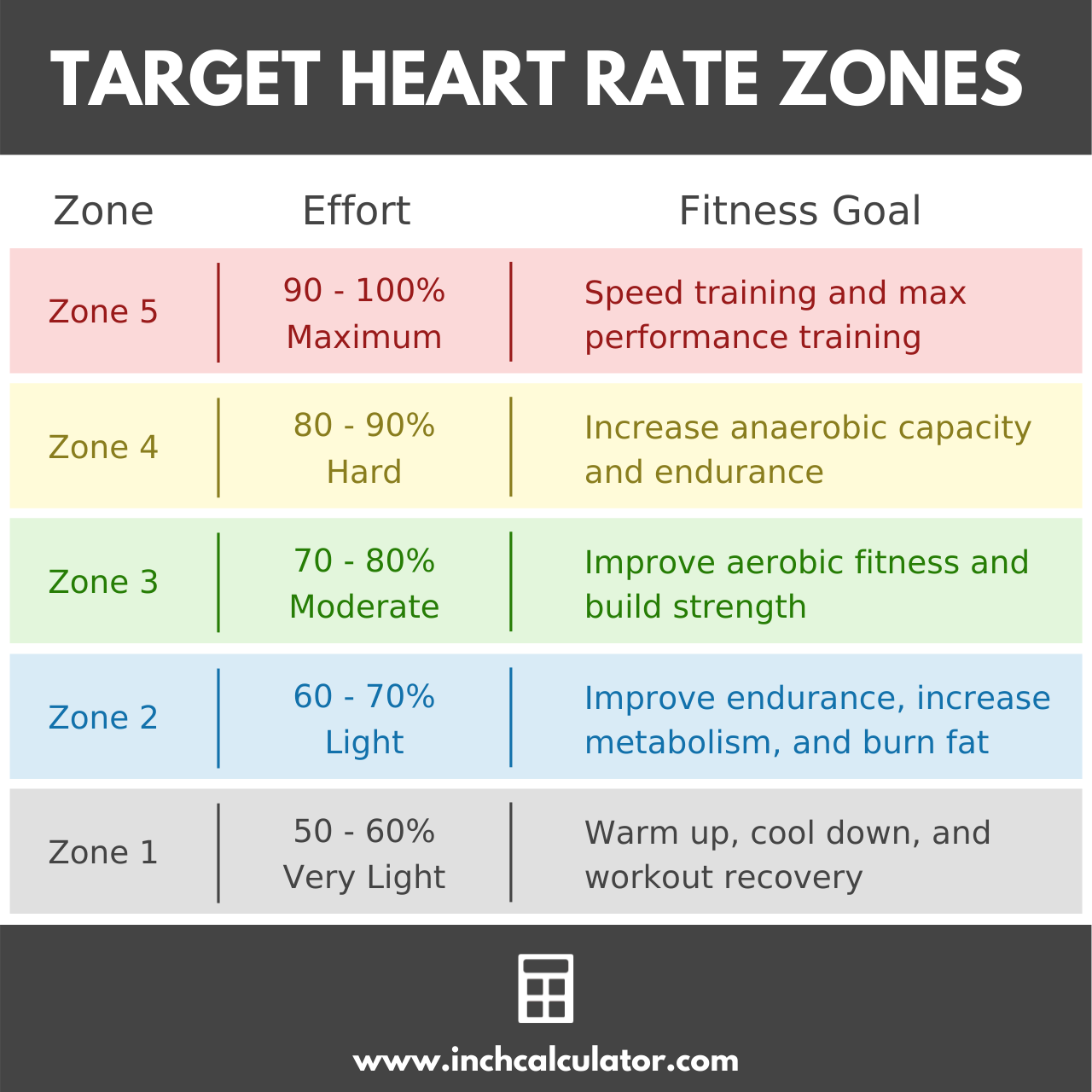
Hit the Right Heart Rate Zone
Your target is 60–70% of max heart rate (Zone 2). Calculate this as 220 minus age, then multiply by 0.6 and 0.7.
Example: A 30-year-old has a max HR of 190. Zone 2 = 114–123 bpm.
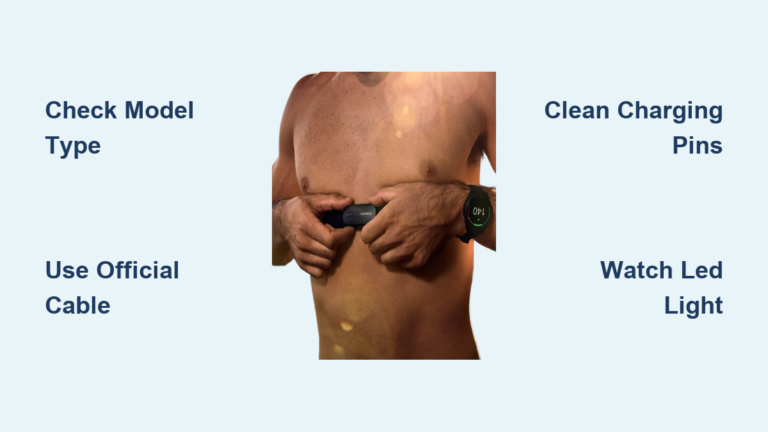
Use a chest strap or wrist-based monitor to stay in range. If your heart rate spikes, slow down.
Use the Talk Test
Can you speak in full sentences without gasping? If yes, you are in Zone 2. If you can only say a few words, you are too high. This simple test works even without a heart rate monitor.
Apply the 30/30/30 Rule (Optional)
Some wellness experts recommend:
– 30g protein within 30 minutes of waking
– Followed by 30 minutes of steady state cardio
While not a formal protocol, the combo supports muscle preservation and fat oxidation, which is ideal for weight loss.
Prevent Common Mistakes
Avoid the Gray Zone
Training too hard, between 70–80% of max HR, is called the “gray zone.” It is too intense for aerobic benefits, too easy for anaerobic gains. You accumulate fatigue without optimal adaptation.
Fix: Use a heart rate monitor and slow down when you exceed Zone 2.
Do Not Expect Overnight Results
Aerobic adaptations take 4–8 weeks. You will not see mitochondrial growth on day one. Track progress with non-scale victories: better sleep, easier breathing, improved mood.
Use the MAF Test: Run or bike a set distance at Zone 2 heart rate. Over time, your pace should improve at the same heart rate, which is proof of aerobic gains.
Fight Boredom With Variety
Doing the same workout daily leads to mental fatigue. Cross-train with different activities: walk one day, swim the next, cycle the third.
Bundle with entertainment: Listen to audiobooks, podcasts, or music only during cardio. This creates a reward system that boosts adherence.
Prevent Overuse Injuries
Repeating the same motion like daily running can strain tendons. Rotate modalities to distribute load: alternate between swimming, cycling, and elliptical.
Follow the 10% rule: Increase duration or frequency by no more than 10% per week.
Track Your Progress Effectively
Monitor Resting Heart Rate
As your heart gets stronger, your resting heart rate (RHR) drops. Track it first thing in the morning. A downward trend signals improved fitness.
Elite athletes often have RHRs in the 40s; most adults see drops from 70s to 60s with consistent training.
Check Heart Rate Variability (HRV)
HRV measures autonomic balance. Higher HRV indicates better recovery and fitness. Many wearables (Whoop, Oura, Garmin) track this. An increasing trend means your body is adapting well.
Try the MAF Test
Developed by Dr. Phil Maffetone, this test measures aerobic efficiency:
– Run 1 mile at a strict Zone 2 heart rate
– Record your time
– Repeat monthly
As your aerobic base improves, your time will drop even at the same heart rate.
Use Body Composition Tools
The scale does not tell the full story. Steady state cardio often reduces visceral fat while preserving muscle, so weight may stay the same but health improves.
Use DEXA scans or body fat calipers to track changes in fat mass and lean mass over time.
Frequently Asked Questions About Steady State Cardio
How long should a steady state cardio session last?
Aim for 30 to 90 minutes per session, depending on your fitness level. Beginners can start with 20–30 minutes, while intermediate and advanced exercisers benefit from 45–60+ minute sessions. Endurance athletes often extend sessions to 90 minutes or more.
Is steady state cardio better than HIIT for fat loss?
Both are equally effective for fat loss when total energy expenditure is matched, according to a 2021 Steele et al. meta-analysis. However, steady state cardio has higher adherence rates because of its lower perceived exertion, leading to better long-term results for most people.
What heart rate zone is best for steady state cardio?
The optimal zone is 60–70% of your maximum heart rate (Zone 2). You can calculate this by subtracting your age from 220, then multiplying by 0.6 and 0.7. The “talk test” (holding a conversation without gasping) is a practical alternative.
Can beginners do steady state cardio?
Absolutely. Steady state cardio is the ideal entry point for new exercisers because of its low barrier to entry, self-regulating intensity, and minimal injury risk. Start with 2–3 sessions per week lasting 20–30 minutes and focus on consistency.
Does steady state cardio build muscle?
Steady state cardio primarily builds endurance rather than muscle mass. However, it improves metabolic health, preserves lean tissue during fat loss, and supports recovery from strength training. For muscle growth, pair it with resistance training.
How often should I do steady state cardio per week?
For general health, aim for 150–180 minutes per week, spread across 3–5 sessions. This aligns with recommendations from the American College of Sports Medicine and longevity experts like Dr. Peter Attia.
Key Takeaways for Adding Steady State Cardio to Your Routine
Steady state cardio is not flashy, but it is foundational. It builds a resilient body, burns fat efficiently, supports mental health, and enables long-term performance. Aim for 150–180 minutes per week at 60–70% of max heart rate. Whether you walk, swim, cycle, or row, make it consistent, enjoyable, and sustainable.
Start today by lacing up your shoes and taking a 30-minute walk at a pace where you can hold a conversation. Track your resting heart rate over the next month, and watch as your fitness quietly transforms from the inside out. In the fitness game, slow and steady does not just win the race. It keeps you in it for life.