Benefits of Fasted Cardio Explained
You’ve probably heard the claim: doing cardio on an empty stomach torches more fat. That’s the promise behind fasted cardio, a fitness strategy built around exercising when your body has burned through its recent glucose supply, usually first thing in the morning after 8 to 12 hours without food.
Fasted cardio works by forcing your body to rely on stored fat for fuel instead of incoming calories. With low insulin and depleted glycogen, your system shifts into fat-burning mode. This metabolic shift is the foundation of the entire fasted cardio debate.
But here’s the catch. Research shows you burn a higher percentage of fat during fasted sessions, yet long-term studies reveal no significant difference in actual fat loss when daily calories are matched. So the real question becomes: is fasted cardio worth it for you?
Below, you’ll find a breakdown of the science, practical upsides, real risks, and best practices to help you decide whether fasted cardio deserves a place in your routine.
How Fasted Cardio Boosts Fat Oxidation

Higher Fat Burn During the Workout
The most well-documented effect of fasted cardio is increased fat oxidation, your body’s ability to burn stored fat for fuel mid-workout. With low insulin and depleted glycogen, your system turns to free fatty acids for energy.
A meta-analysis in the British Journal of Nutrition confirmed that fasted cardio significantly boosts fat burning during exercise compared to fed-state training. A 2015 study with young men also found elevated fat oxidation up to 24 hours post-exercise when training fasted.
This makes physiological sense. No incoming glucose means your body must tap internal reserves. For anyone aiming to maximize fat utilization during a session, fasted cardio delivers.
Why Oxidation Doesn’t Guarantee Fat Loss
Fat oxidation during exercise is not the same as actual fat loss over time. You can burn fat during a workout and regain it later if you overeat or move less throughout the day.
Your body has compensation mechanisms:
– Fat burning slows after you eat
– You might move less unconsciously post-workout (lower NEAT)
– Appetite can increase, leading to higher intake
A 2022 study found men who did fasted cardio consumed 443 fewer calories that day, not from suppressed appetite, but because they skipped a meal. Women didn’t experience increased hunger either, yet still ate less overall.
Bottom line: Fasted cardio boosts fat use during exercise, but long-term fat loss hinges on consistency and calorie control, not workout timing.
Digestive Comfort and Easier Mornings
No More Stomach Sloshing
One of the most immediate benefits of fasted cardio is no digestive distress. Exercising on a full stomach diverts blood from your gut to working muscles, often causing bloating, cramps, nausea, or reflux.
Fasted cardio eliminates these problems entirely. Without food sitting in your system, there’s no sloshing or indigestion. This makes it ideal for:
– Runners prone to GI issues
– People with sensitive stomachs
– Early-morning exercisers who can’t tolerate pre-workout meals
Many endurance athletes avoid eating before long runs for exactly this reason. Fasted cardio offers a clean, comfortable start, especially for low-intensity steady-state (LISS) workouts like walking or light cycling.
Faster Morning Starts
No meal prep. No digestion wait. Just wake up and go.
Fasted cardio removes the time barrier that keeps many people from exercising in the morning. For busy professionals or parents, this simplicity can be a game-changer.
Instead of waking up 60 minutes early to eat and digest, you only need 15 to 20 minutes for a 30-minute walk or jog. That extra sleep supports recovery, hormone balance, and consistency.
Completing a workout first thing also creates a “halo effect.” That early win boosts motivation and discipline throughout the day, making it easier to stick with healthy habits long-term.
The Muscle Loss Risk You Should Know

Gluconeogenesis and Protein Breakdown
Here’s the dark side of fasted cardio: muscle loss risk.
When glycogen is low and energy demand is high, your body may trigger gluconeogenesis, converting amino acids from muscle tissue into glucose for fuel.
Research found that one hour of steady-state fasted cardio doubled muscle protein breakdown compared to the same workout done in a fed state. That’s a serious concern for anyone trying to preserve or build lean mass.
Why muscle matters:
– Muscle burns more calories at rest
– Losing muscle slows your metabolism
– Rebuilding it takes time and effort
Who Should Avoid Fasted Cardio
Fasted cardio isn’t for everyone. Skip it if you:
– Are actively building muscle
– Do high-intensity or long-duration workouts
– Are pregnant
– Have diabetes or blood sugar issues
– Are new to exercise
Elite endurance athletes rarely train fasted because performance matters. For them, fueling before exercise ensures peak output and recovery.
How to Protect Muscle
If you choose fasted cardio, minimize damage with these strategies:
– Limit duration: Keep sessions under 60 minutes (30 to 45 is ideal)
– Stick to LISS: Avoid HIIT or long runs in a fasted state
– Eat immediately after: Consume protein and carbs within 45 to 60 minutes
– Consider BCAAs: Taking branched-chain amino acids before exercise may reduce breakdown, though it technically breaks a strict fast
Even a small protein shake post-workout can halt muscle loss and kickstart recovery.
Metabolic Health and Insulin Sensitivity
Better Blood Sugar Control
Emerging research suggests fasted cardio may offer metabolic advantages beyond fat loss.
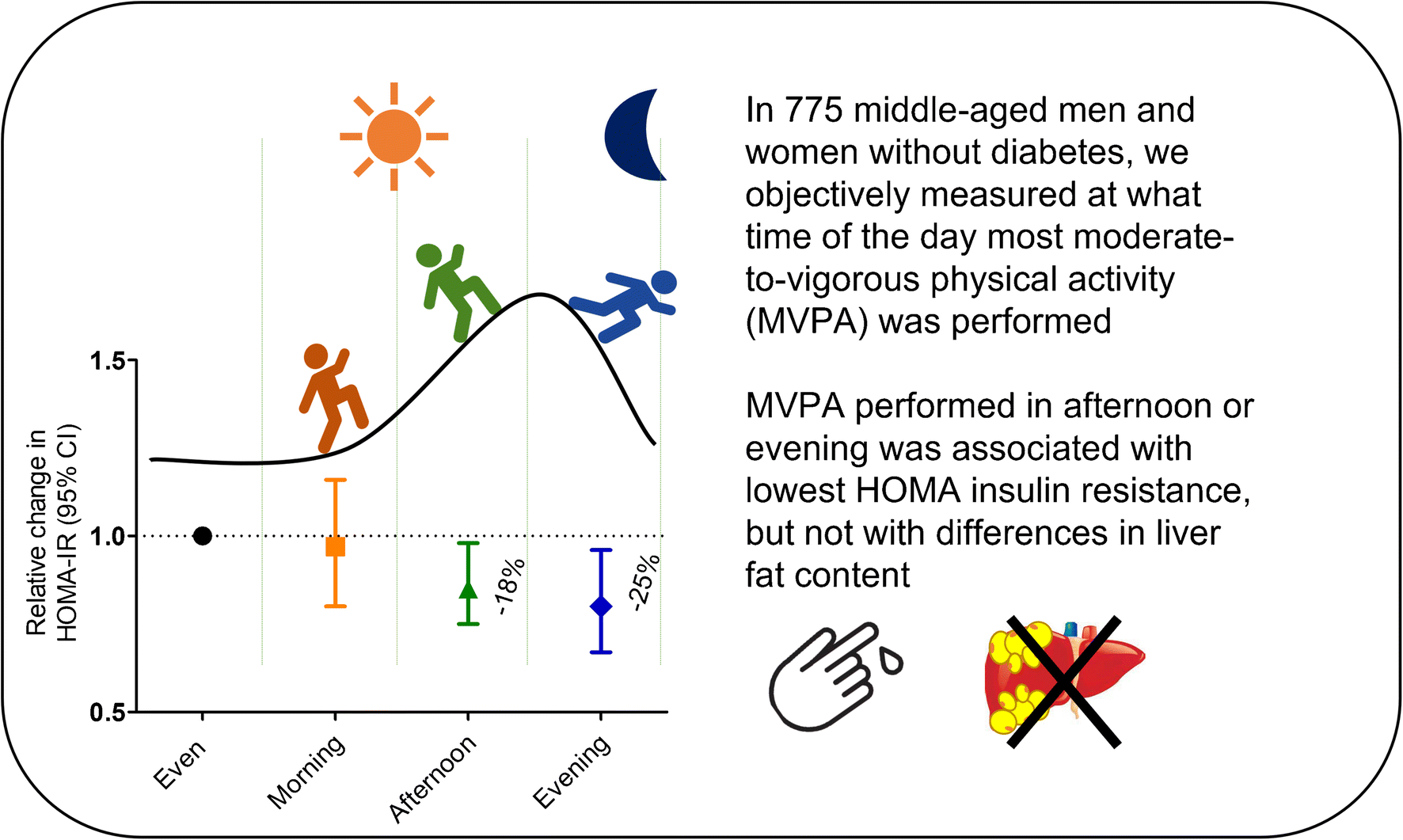
A 2023 study in the Journal of Exercise Science & Fitness found that overweight men doing fasted aerobic exercise showed greater reductions in fasting insulin levels than those who ate before training. Both groups improved body composition, but the fasted group had slightly better insulin regulation.
Why this matters:
– Lower insulin means improved fat mobilization
– Better insulin sensitivity reduces type 2 diabetes risk
– Enhanced metabolic flexibility helps your body adapt to different fuel sources
While exercise itself is the primary driver of metabolic health, fasted cardio may provide a small edge for insulin-sensitive individuals.
Adaptation Over Time
Your body adapts quickly. If you do the same fasted workout daily, it becomes efficient, diminishing the initial metabolic “shock.”
Over time, fat oxidation may plateau. To stay responsive:
– Alternate fasted and fed sessions
– Vary intensity (LISS, HIIT, strength)
– Change duration and workout type
This keeps your metabolism guessing and prevents stagnation.
Best Practices for Safe and Effective Fasted Cardio
Ideal Duration and Intensity
To maximize benefits and minimize risks, follow this protocol:
Duration:
– LISS: 30 to 60 minutes (walking, light jog)
– HIIT: 10 to 12 minutes maximum
Intensity:
– Keep heart rate below 70% of max
– Use the “talk test”: you should be able to speak in full sentences
Longer or harder sessions increase cortisol and muscle breakdown risk.
Recommended Workout Types
Best choices:
– Brisk walking
– Light cycling
– Swimming at moderate pace
– Elliptical on low resistance
Avoid:
– Sprint intervals
– Long-distance running
– Heavy circuit training
– Post-weight training cardio
These demand glycogen your body doesn’t have, leading to burnout and poor performance.
Hydration and Safe Boosters
You can still enhance fasted cardio safely:
– Water: Drink before and during your session
– Black coffee: Boosts alertness and fat oxidation (no sugar or cream)
– Electrolytes: Add a pinch of salt if sweating heavily
– Caffeine-free pre-workouts: Only if zero calories
Avoid anything with protein, carbs, or artificial sweeteners that spike insulin.
Who Benefits Most from Fasted Cardio?
Ideal Candidates
Fasted cardio works best for:
The Time-Cruncher
– Can’t fit workouts in unless done immediately upon waking
– Saves 20 to 30 minutes by skipping meal prep
The Sensitive Stomach
– Gets nauseous or bloated when eating pre-workout
– Prefers light movement on an empty stomach
The Morning Person
– Feels energized and focused when exercising fasted
– Likes the mental win of a completed workout
The Plateau Breaker
– Needs a short-term metabolic reset
– Uses it for 2 to 4 weeks to restart progress
When Fed Cardio Is Better
Opt for fed cardio if you:
– Lift weights and want to build muscle
– Train at high intensity (HIIT, sprints)
– Do endurance workouts over 60 minutes
– Feel weak or dizzy when exercising fasted
A small, balanced meal 1 to 2 hours before fuels performance and protects muscle.
Frequently Asked Questions About Fasted Cardio
Does fasted cardio actually burn more fat long-term?
Fasted cardio increases fat oxidation during exercise, but studies show no significant difference in total fat loss over time when daily calories are matched. Long-term results depend on maintaining a calorie deficit, not workout timing.
Is fasted cardio safe to do every day?
For healthy individuals doing short, low-intensity sessions, daily fasted cardio is generally safe. However, doing it every day increases muscle breakdown risk and may lead to metabolic adaptation. Alternating fasted and fed sessions is a smarter approach.
What should I eat after fasted cardio?
Consume a balanced meal with protein and carbohydrates within 45 to 60 minutes post-workout. This replenishes glycogen, halts muscle breakdown, and supports recovery. Good options include a protein shake with fruit, eggs with toast, or Greek yogurt with berries.
Can I drink coffee before fasted cardio?
Yes. Black coffee contains no calories and can boost alertness, focus, and fat oxidation. Just avoid adding sugar, cream, or artificial sweeteners that could spike insulin.
Will fasted cardio cause me to lose muscle?
It can. Research shows fasted cardio increases muscle protein breakdown, especially during sessions over 60 minutes. To minimize this risk, keep workouts short, stick to low intensity, and eat protein-rich foods immediately afterward.
Who should avoid fasted cardio entirely?
Pregnant women, people with diabetes or blood sugar disorders, beginners, and anyone doing high-intensity or long-duration training should avoid fasted cardio. These groups are more vulnerable to dizziness, muscle loss, and performance decline.
Key Takeaways for Using Fasted Cardio Wisely
Fasted cardio increases fat burning during exercise and offers practical perks like time savings and digestive comfort. However, it doesn’t guarantee greater long-term fat loss and may increase muscle breakdown risk if done incorrectly.
The best approach depends on your goals, lifestyle, and how your body responds. If fasted cardio helps you stay consistent and feels good, use it as a tool. If it leaves you drained or compromises your training, switch to fed sessions.
Prioritize consistency, fuel appropriately, and choose the method that keeps you moving. The most effective cardio is always the one you actually stick with.
Your next step: Try one short fasted session this week (20 to 30 minutes of brisk walking) and track how you feel. Notice your energy, hunger, and recovery. Use that data to decide whether fasted cardio belongs in your routine.