Cardio Exercises for Men Over 50
If you’re a man over 50, staying active isn’t just about looking good. It’s about protecting your heart, preserving your independence, and adding healthy years to your life. After 50, your heart pumps less blood, your muscles shrink faster, and your risk for chronic disease climbs. But here’s the truth most men miss: cardio exercises for men over 50 can actually reverse much of this decline.
The CDC and American Heart Association recommend 150 minutes of moderate cardio per week or 75 minutes of vigorous activity, plus two strength sessions. This combination is the gold standard for healthy aging, and it’s more achievable than you think.
In this guide, you’ll discover the safest, most effective cardio workouts for men over 50. You’ll learn how to protect your heart, build endurance, preserve muscle, and stay injury-free for decades to come.
Meet Weekly Cardio Goals Without Burnout
Hit 150 Minutes of Moderate Cardio
The foundation of any heart-healthy routine is consistent, moderate-intensity cardio. For men over 50, 150 minutes per week (about 30 minutes, five days a week) is the minimum for measurable health benefits. This level of activity improves circulation, lowers blood pressure, and reduces inflammation throughout your body.
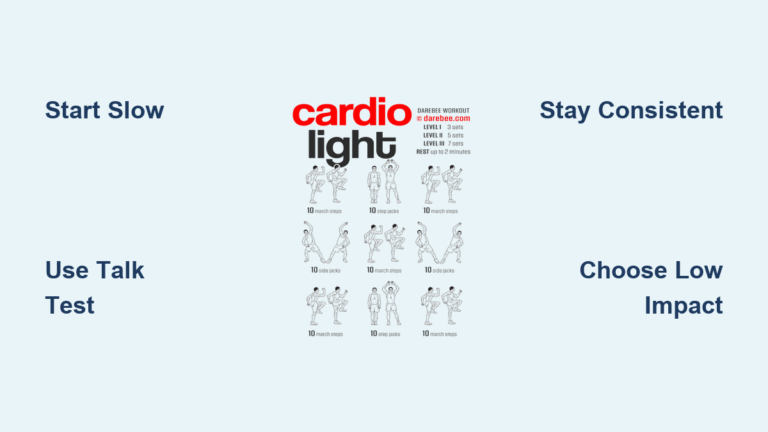
Moderate intensity means your heart rate is elevated, but you can still talk in short sentences. Excellent options include brisk walking, light cycling, or water aerobics. These activities are low-impact, joint-friendly, and ideal for building endurance without overloading aging joints.
If you’re new to exercise, start with just 10 minutes a day and gradually increase. Skipping this base layer means missing out on long-term protection against heart disease, stroke, and type 2 diabetes.
Add 75 Minutes of Vigorous Cardio for Faster Results
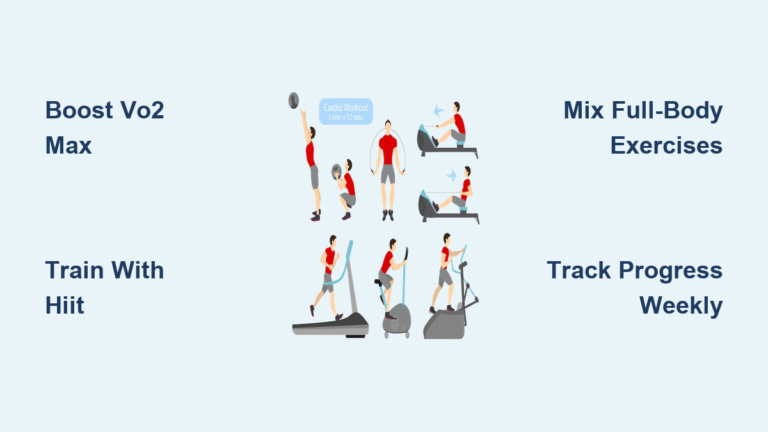
For a metabolic boost and faster fitness gains, include 75 minutes of vigorous cardio weekly. This could be 15 minutes a day, five days a week, or two longer HIIT sessions. Vigorous activity raises your heart rate to 85% or more of your maximum. You’ll be breathing hard and unable to speak in full sentences.
Great options include sprint intervals, hill running, fast cycling, or circuit training. These workouts trigger Excess Post-Exercise Oxygen Consumption (EPOC), meaning you continue burning calories for up to 24 hours after finishing. They also stimulate Human Growth Hormone (HGH), which supports muscle repair and skin elasticity.
Pro Tip: Add vigorous sessions after a warm-up or at the end of a moderate workout. Never jump straight into high intensity because your heart and joints need time to prepare.
Combine Cardio with Strength Training
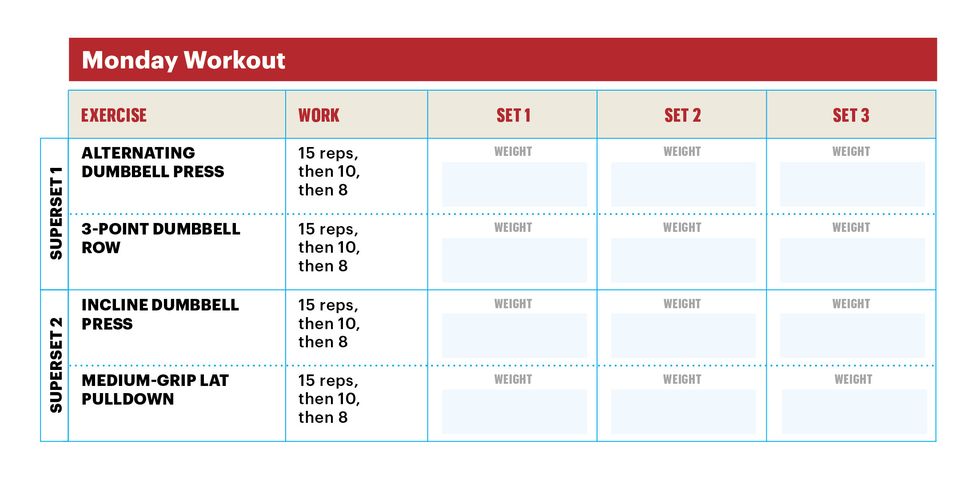
Cardio alone isn’t enough after 50. Muscle loss (sarcopenia) accelerates with age, increasing frailty and fall risk. That’s why two full-body strength workouts per week are essential, not optional.
Strength training preserves muscle, boosts metabolism, and improves bone density, which is critical for preventing osteoporosis. It also enhances balance and coordination, reducing injury risk during cardio sessions.
Pair lower-body moves (squats, lunges) with upper-body work (push-ups, rows) and core exercises (planks, farmer’s carries). Use free weights, resistance bands, or bodyweight. Focus on proper form before adding weight.
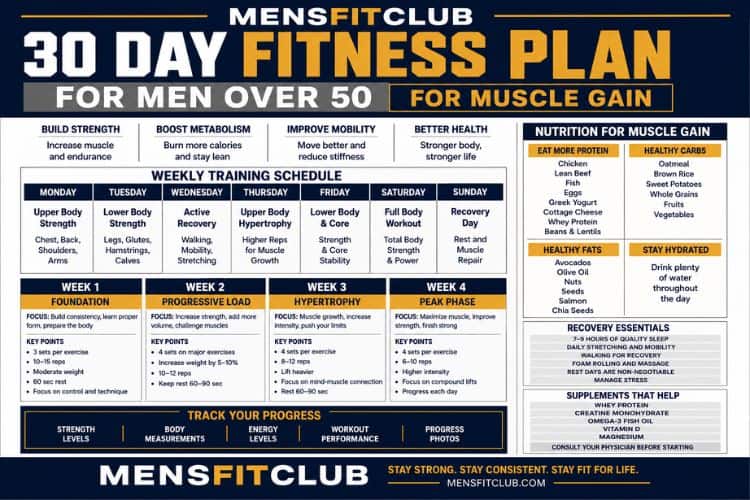
Your ideal weekly plan:
– 150+ minutes moderate cardio
– 75+ minutes vigorous cardio (optional but recommended)
– 2–3 strength sessions
– 1–2 rest or active recovery days
Prioritize Heart Health and Longevity
Lower Blood Pressure and Improve Circulation
As men age, blood vessels stiffen and heart efficiency declines. By age 65, the heart pumps about 1.5 quarts of blood per minute, down from 2.5 quarts at age 25. The result is fatigue, breathlessness, and higher cardiovascular risk.
Cardio reverses this damage. Regular aerobic activity improves endothelial function, lowers resting heart rate, and enhances blood flow. Studies show consistent exercisers can reduce blood pressure by 5–10 mmHg, comparable to some medications.
Best exercises: Brisk walking, swimming, cycling, and rowing. These increase oxygen delivery to organs and the brain, improving energy and mental clarity.
Warning Signs: Stop immediately if you feel chest pain, dizziness, or sudden shortness of breath. Always get medical clearance before starting a new program if you’re over 40.
Reduce Your Risk of Chronic Diseases
Cardio is one of the most powerful tools for preventing chronic illness. According to the National Diabetes Prevention Program, lifestyle changes including regular exercise can reduce type 2 diabetes risk by 58%, and by 71% for those over 60.
Heart disease, stroke, and certain cancers (like colon and breast) are also significantly reduced with consistent activity. Exercise improves insulin sensitivity, lowers inflammation, and helps maintain a healthy weight.
Key Insight: You don’t need extreme workouts. Just meeting the 150-minute weekly goal delivers most of these protective effects.
Extend Lifespan and Protect Cognitive Health
Living longer isn’t just about adding years. It’s about adding healthy years. Men who exercise regularly have a lower risk of Alzheimer’s, dementia, and cognitive decline.
How does it work? Cardio increases blood flow to the brain, feeding the hippocampus, which is your memory center. Strength training further protects it by reducing degeneration. Together, they sharpen focus, improve mood, and reduce anxiety and depression.
A landmark study from the University of Texas Southwestern found that men who resumed intense training at age 50 restored their heart’s pumping ability to levels seen in their 20s after just six months. That’s not just longevity. That’s reversing aging.
Choose Low-Impact, High-Return Workouts

Walk Briskly for Heart Health
Walking is the number one recommended cardio exercise for men over 50, and for good reason. It’s low-impact, requires no equipment, and fits easily into daily life.
But not all walking counts. To reach moderate intensity, you must walk briskly, fast enough that talking becomes slightly difficult. Aim for 3–4 mph, which is roughly a 15–20 minute mile.
Benefits:
– Strengthens legs and core
– Improves joint mobility
– Reduces food cravings
– Boosts immune function
– Lowers fall risk by improving balance
Pro Tip: Add hills or use a treadmill with incline. Incline walking raises heart rate without stressing joints, making it ideal for weight loss and endurance.
Start with 10–15 minutes and build to 30–60 minutes daily. Walk during lunch, after dinner, or with a friend for accountability.
Cycle to Protect Your Knees
If you have knee pain or joint concerns, cycling is an excellent alternative to running. It’s low-impact, builds leg strength, and improves cardiovascular endurance.
Whether on a stationary bike, in a spin class, or on an outdoor ride, cycling keeps joints moving without pounding. It’s especially effective for men recovering from injury or managing arthritis.
Calorie Burn: Up to 500–700 kcal/hour, depending on resistance and pace.
Important Note: Since cycling is non-weight-bearing, pair it with weight-bearing exercises (like walking or strength training) to maintain bone density.
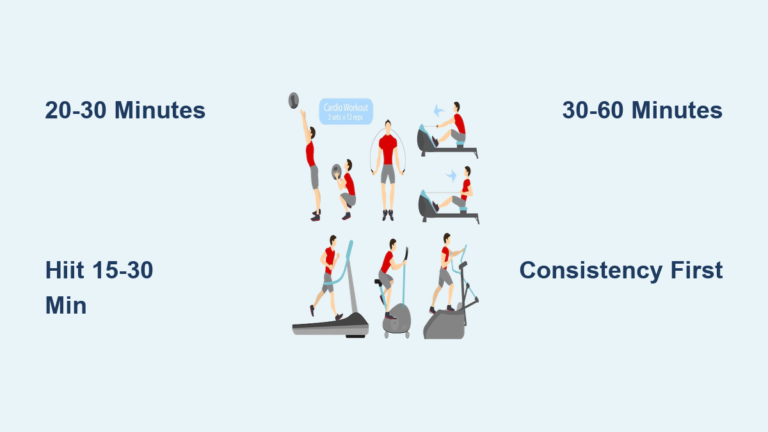
Try interval training: 2 minutes hard, 2 minutes easy, for 20–30 minutes. This boosts fitness without requiring long sessions.
Swim for Full-Body Conditioning
Swimming is a zero-impact, full-body workout that builds endurance, strength, and lung capacity. It’s perfect for men with joint pain, back issues, or mobility limitations.
Every stroke engages your arms, core, and legs. Kicking works the lower body. The water’s resistance builds muscle without weights.
Best For: Total body fitness, injury recovery, and stress relief.
Limitation: Like cycling, swimming doesn’t stimulate bone growth. Combine it with weight-bearing activities at least once a week.
Try lap swimming, water aerobics, or even water walking in the deep end. Aim for 20–45 minutes, 3–5 times a week.
Boost Intensity Safely with HIIT
Use HIIT for Time Efficiency
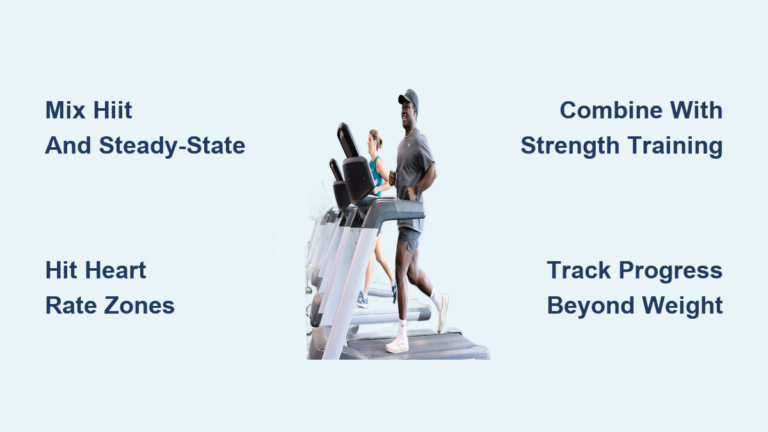
If you’re short on time, High-Intensity Interval Training (HIIT) delivers maximum results in minimal minutes. Just one 20-minute session per week can boost metabolism, burn fat, and improve heart health.
HIIT alternates short bursts of all-out effort (2–4 minutes) with active recovery (2–4 minutes of easy movement). Here’s a sample structure:
– 3 minutes brisk walk (warm-up)
– 2 minutes fast pace
– 2 minutes easy pace
– Repeat 4–5 times
– 3 minutes cool-down
Benefits:
– Increases EPOC (post-workout calorie burn)
– Improves aerobic and anaerobic fitness
– Boosts HGH for cell repair
– Prevents the “I’m too old” mindset
Golden Rule: Never start HIIT cold. Always warm up for 10–15 minutes first. Begin with just one session per week and build slowly.
Avoid Common HIIT Mistakes
HIIT is powerful but risky if done wrong. Men over 50 are more prone to overuse injuries, especially with poor form or excessive frequency.
Avoid These Mistakes:
– Doing HIIT more than 2x per week
– Skipping warm-up or cool-down
– Going all-out on every interval
– Performing high-impact moves (like jump squats) daily
Safer Options:
– Bike sprints
– Rowing intervals
– Incline treadmill walking
– Swimming sprints
Pro Tip: Add HIIT at the end of a regular cardio session. Your body is already warm, which reduces injury risk.
Support Bone and Joint Health

Include Weight-Bearing Activities
After 50, bone density declines, increasing fracture risk. Non-weight-bearing activities like swimming and cycling don’t slow this loss.
You must include weight-bearing cardio to maintain strong bones. These activities force your skeleton to bear load, stimulating bone growth.
Best Options:
– Brisk walking
– Hiking
– Running (if your joints allow)
– Stair climbing
– Jumping rope (with caution)
– Tennis or basketball (if fit)
Aim for at least 30–60 minutes, 3–5 times a week. Even walking on uneven terrain (like trails) improves balance and bone strength.
Prevent Falls with Balance and Flexibility
Falls are a leading cause of injury in older men. Poor balance, weak core, and tight muscles increase risk.
Cardio helps, but only if it includes elements of stability. Hiking, trail running, and stair climbing challenge balance. Rowing and swimming improve coordination.
Add Flexibility Work: Stretch hamstrings, hips, and calves daily. Tight hamstrings force your lower back to overwork during bending, raising injury risk.
Simple Daily Routine:
– 5 minutes dynamic warm-up before cardio
– 5–10 minutes static stretching after
– Yoga or tai chi once a week
This maintains range of motion, prevents strains, and keeps you moving freely.
Optimize Recovery and Routine
Warm Up and Cool Down Properly
Aging muscles and joints need more preparation. Skip the warm-up, and you risk strain or injury.
Always spend 10–15 minutes warming up before vigorous activity:
– Light walking or cycling
– Arm circles
– Leg swings
– Bodyweight squats
After exercise, cool down for 5–10 minutes with slow movement and stretching. This helps lower heart rate gradually and reduces soreness.
Rest and Rebuild Muscle
Rest is not laziness. It’s when your body repairs and grows stronger. Overtraining leads to burnout, injury, and stalled progress.
Recovery Guidelines:
– Take 48 hours between strength sessions for the same muscle group
– Schedule 1–2 full rest days per week
– Sleep 7–9 hours nightly for recovery
– Hydrate well and eat enough protein (1.6g/kg body weight)
If you feel unusually fatigued or sore, take an extra rest day. Your body will thank you.
Stay Consistent and Avoid Burnout
The best workout is the one you’ll actually do. Don’t force yourself into a routine you hate.
Tips for Consistency:
– Choose activities you enjoy
– Schedule workouts like appointments
– Use a fitness tracker
– Join a group or find a workout buddy
– Mix it up weekly to avoid boredom
If you miss a week, don’t quit. The “two-week rule” says fitness declines fast, but you can rebuild. Just start slow and work your way back.
Eat and Hydrate for Performance
Eat Enough Protein Daily
After 50, your body becomes less efficient at building muscle. To counteract sarcopenia, eat 1.6 grams of protein per kg of body weight daily.
For a 180-lb (82 kg) man, that’s about 131 grams of protein per day.
Good Sources:
– Chicken, turkey, fish
– Eggs, Greek yogurt
– Lean beef, cottage cheese
– Tofu, lentils, quinoa
– Protein shakes (if needed)
Spread intake across 3–4 meals to maximize muscle synthesis.
Stay Hydrated and Manage Stress
Dehydration worsens fatigue, cramps, and recovery. Drink water throughout the day, especially before, during, and after workouts.
Stress raises cortisol, which can increase belly fat and hinder recovery. Pair exercise with stress management:
– Meditation or deep breathing
– Nature walks
– Quality sleep
– Social connection
Exercise itself reduces stress, but only if you’re not overdoing it.
Frequently Asked Questions About Cardio for Men Over 50
Can men over 50 still build muscle?
Yes. While testosterone levels decrease and muscle building is slower than at age 25, studies confirm men in their 70s and 80s can gain 1–2 lbs of muscle per month with consistent resistance training and adequate protein intake (1.6g/kg daily).
Is High-Intensity Interval Training safe after 50?
Yes, for most healthy men, provided it’s introduced gradually. Start with one hard session per week, ensure a 10–15 minute warm-up, and avoid all-out efforts on every set. Medical clearance is required for those with cardiac risk factors.
What should men over 50 avoid in their workouts?
The biggest mistakes include ego lifting (attempting 1-rep maxes without preparation), daily high-impact activities without recovery, and skipping strength training entirely. Cardio-only routines accelerate muscle and bone loss.
How does exercise affect skin and appearance?
Exercise increases blood flow, delivering nutrients and oxygen to skin cells. It reduces stress and inflammation, promotes sleep for cell regeneration, and boosts collagen production. HIIT specifically increases Human Growth Hormone (HGH), contributing to a more youthful appearance.
What if I have a damaged heart or have had a heart attack?
Exercise cannot reverse scar tissue formed after a heart attack. However, it helps the body adapt, function more efficiently, and improves overall quality of life. Medical supervision is mandatory in these cases.
Key Takeaways for Building a Sustainable Cardio Routine After 50
Cardio for men over 50 isn’t about chasing youth. It’s about reclaiming strength, energy, and independence. The right routine protects your heart, builds endurance, preserves muscle, and sharpens your mind.
Start with brisk walking, cycling, or swimming. Hit 150 minutes of moderate cardio weekly. Add two strength sessions and one HIIT workout for maximum benefit. Warm up, rest, eat well, and stay consistent.
You don’t need extreme workouts. You need smart, sustainable habits. And the best part? It’s never too late to start. Men in their 70s and 80s are still building muscle, lowering blood pressure, and improving heart function. So can you.
Your next step: Schedule a medical checkup, lace up your walking shoes, and commit to 10 minutes of brisk movement today. Your future self will thank you.