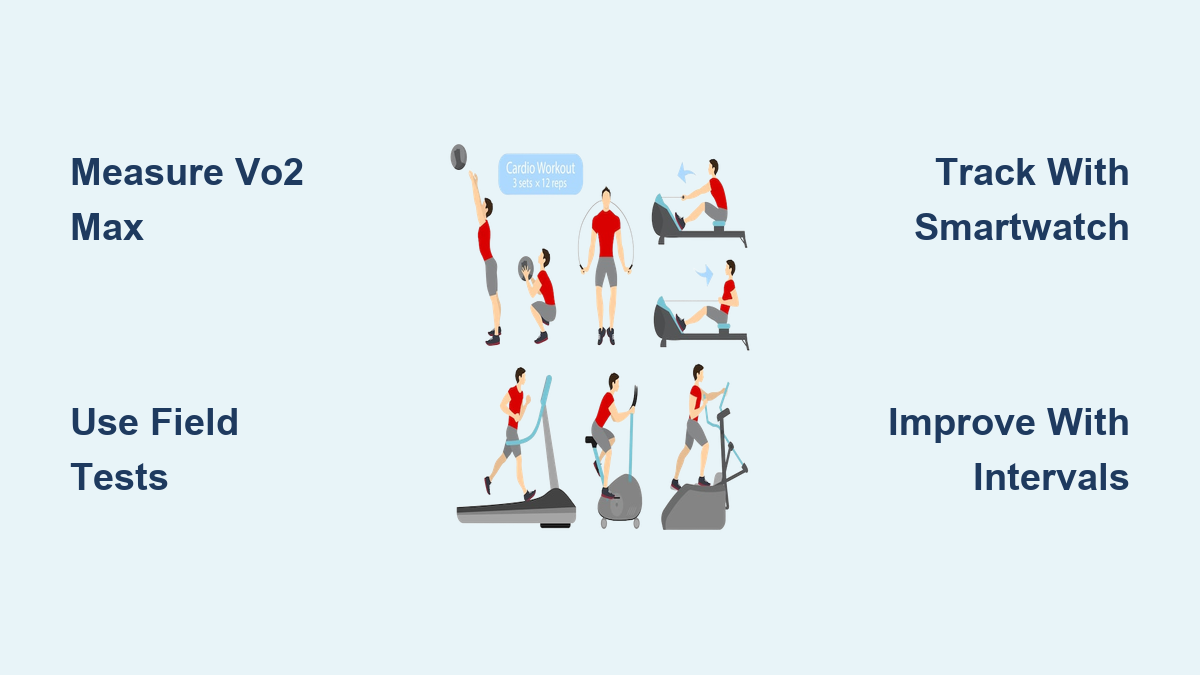
How to Measure Cardio Fitness: Quick Steps
Cardio fitness is one of the strongest predictors of long-term health and longevity, yet most people have no idea where their levels stand. The gold standard for measuring it, VO2 max, tells you how efficiently your body uses oxygen during intense exercise. This metric reflects the combined performance of your heart, lungs, and muscles, making it far more telling than just tracking steps or heart rate alone.
If you’ve ever wondered why some people breeze through a 5K while others struggle to climb stairs, the answer often lies in cardio fitness. A higher VO2 max means better endurance, faster recovery, and lower risk of chronic disease. The good news? You don’t need a lab to get a reliable estimate. From simple field tests to smartwatch readings, there are accessible ways to measure your cardio fitness at home or with minimal equipment.
Decode VO2 Max Meaning
What VO2 Max Reveals About Health
VO2 max measures the maximum amount of oxygen your body can use per minute per kilogram of body weight (mL/kg/min). It’s not just for athletes; this number is a powerful indicator of cardiovascular efficiency and overall vitality. The higher your VO2 max, the more energy your cells can produce aerobically, which translates to better stamina and less fatigue during daily activities.
Beyond performance, VO2 max correlates strongly with lifespan. Research shows that every 1 mL/kg/min increase lowers your risk of death by about 9%. Moving from the lowest fitness quartile to the next can cut mortality risk in half over ten years. High cardio fitness also reduces the likelihood of heart disease, type 2 diabetes, and other metabolic conditions.
Although VO2 max declines naturally by roughly 10% per decade, consistent aerobic training can slow or even reverse this trend. Training strengthens the heart muscle, increases blood volume, and improves oxygen delivery, allowing you to maintain youthful energy levels well into older age.
Why Cardio Fitness Beats Other Metrics
While step count, calories burned, and resting heart rate offer insights, none capture systemic efficiency like VO2 max. Two people may walk the same number of steps, but the one with higher cardio fitness will do so with less effort and recover faster.
Unlike body weight or BMI, VO2 max directly measures functional capacity, the ability to perform physical tasks without exhaustion. It’s why doctors increasingly view it as a vital sign for heart health. Tracking changes in cardio fitness gives you real feedback on how well your body adapts to exercise, making it ideal for monitoring progress beyond the scale.
Lab Testing for Accurate Results
Direct Maximal VO2 Testing
The most accurate way to measure cardio fitness is through direct VO2 max testing in a clinical or sports lab. During this test, you exercise to exhaustion on a treadmill or stationary bike while wearing a mask that analyzes inhaled and exhaled air.
Oxygen consumption rises with intensity until it plateaus; this peak is your true VO2 max. Simultaneously, an ECG monitors heart activity, and sensors track heart rate and breathing. The entire process is supervised by medical or fitness professionals to ensure safety.
Results are reported in mL/kg/min and provide a precise baseline for training or medical evaluation. Because it requires expensive equipment and maximal effort, this method is typically reserved for elite athletes, cardiac patients, or research settings.
Submaximal Tests in Clinical Settings
For those who can’t undergo full exertion, submaximal tests estimate VO2 max using heart rate response at controlled intensities, usually below 85% of max heart rate. These include treadmill walks, bike rides, or step-ups performed at increasing levels until target heart rate is reached.
Data from heart rate, workload, and time are plugged into validated equations to predict VO2 max. Though slightly less accurate than maximal tests, they’re safer and still highly reliable for general fitness assessment.
One key advantage: results can be converted into METs (Metabolic Equivalents), where 1 MET equals resting energy expenditure (3.5 mL/kg/min). For example, a VO2 max of 35 equals 10 METs (35 ÷ 3.5), indicating you can sustain activity 10 times more intense than rest.
Common Professional Protocols
Two widely used protocols in gyms and clinics are the Graded Exercise Test (GXT) and the Bruce Protocol.
- GXT involves gradual increases in speed or incline every few minutes while continuously monitoring blood pressure, ECG, and perceived exertion.
- Bruce Protocol follows a fixed schedule: every 3 minutes, both speed and incline increase (e.g., starting at 1.7 mph/10% grade, progressing to 6 mph/20%).
These tests help diagnose cardiovascular issues and establish safe training zones. However, they require professional oversight and access to specialized equipment like treadmills with EKG integration.
Field Tests You Can Do at Home
3-Minute Step Test Protocol
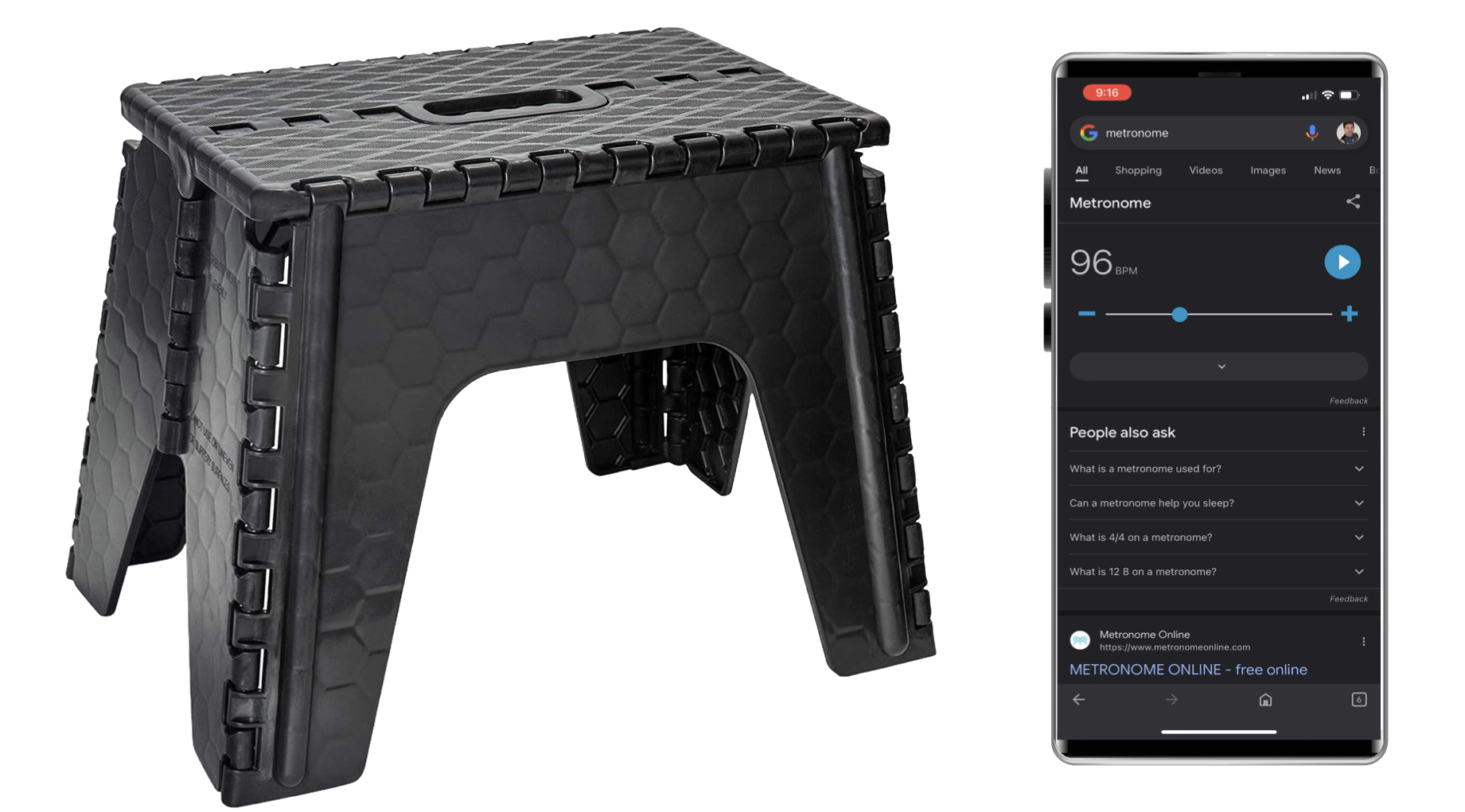
One of the easiest ways to estimate cardio fitness without equipment is the 3-minute step test. All you need is a 12-inch step and a timer.
How to perform it:
1. Warm up with light walking for 5 minutes.
2. Step up and down to a metronome beat: 96 beats per minute (24 cycles per minute: up-right, up-left, down-right, down-left).
3. Continue for exactly 3 minutes.
4. Sit down immediately and measure your heart rate for a full minute.
Your recovery heart rate reflects cardiovascular efficiency. A lower count means your heart recovers faster and your aerobic system is stronger.
Use the normative charts below to interpret your result based on age and sex.
Men (Post-Test BPM):
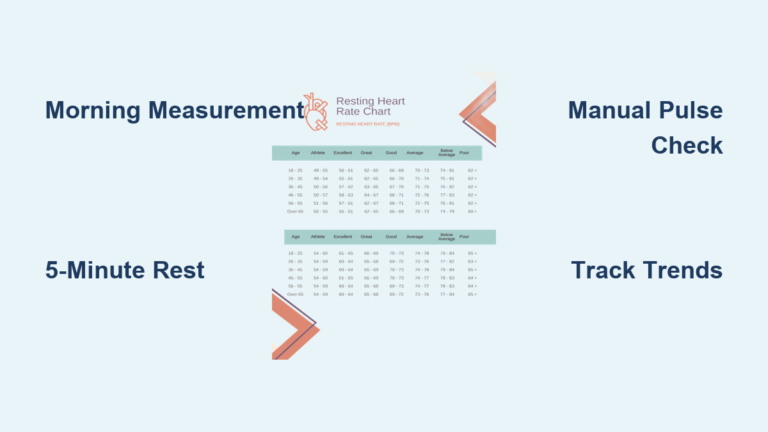
– 18–25: Excellent (50–76), Poor (111–119)
– 46–55: Excellent (56–82), Poor (121–126)
Women (Post-Test BPM):
– 18–25: Excellent (52–81), Poor (122–131)
– 46–55: Excellent (63–91), Poor (126–132)
Scores in the “Excellent” range suggest strong cardio fitness; “Poor” indicates room for improvement.
Rockport Walk Test Steps

The Rockport 1-Mile Walk Test estimates VO2 max using time and heart rate after walking a full mile as fast as possible.
Steps:
1. Warm up for 5 minutes.
2. Walk exactly 1 mile on a flat track or treadmill at maximum comfortable pace.
3. Record your total time and heart rate immediately upon finishing.
4. Input data into a Rockport calculator (available online): include age, weight, sex, time, and heart rate.
This test works best on a measured track to avoid distance errors. It’s ideal for beginners or those avoiding high-impact activity.
Example: A 40-year-old woman weighing 150 lbs completes the walk in 15 minutes with a heart rate of 130 bpm. Her estimated VO2 max would be approximately 40 mL/kg/min, solidly in the “Good” range for her age group.
Track Your Progress Monthly
Repeating these field tests every 4–6 weeks helps track improvements. As your cardio fitness increases, you’ll notice:
– Lower post-exercise heart rate
– Faster mile time at same effort
– Less breathlessness during daily tasks
Consistency matters more than perfection. Perform each test under similar conditions (same time of day, pre-test meals, rest level) for accurate comparisons.
Use Smartwatches for Ongoing Tracking
How Wearables Estimate VO2 Max
Modern fitness trackers like Apple Watch, Garmin, and Fitbit estimate VO2 max using heart rate and GPS data during outdoor activities. They analyze how quickly your heart rate rises relative to your pace; a slower rise indicates better cardio efficiency.
These devices use proprietary algorithms trained on large datasets to convert motion and heart rate patterns into a VO2 max estimate. While not lab-perfect, they offer excellent trend tracking over time.
For example, if your Apple Watch shows a steady increase from 38 to 42 mL/kg/min over three months, you’re improving, even if the absolute number isn’t perfect.
Apple Watch VO2 Max Accuracy
Apple Watch (Series 3 and later) provides VO2 max estimates during Outdoor Walk, Outdoor Run, and Hiking, but not indoor workouts or cycling.
Requirements for accurate readings:
– Wear the watch for at least 24 hours before testing
– Be 20 years or older
– Perform several outdoor sessions with heart rate >30% above resting (e.g., from 60 to 96 bpm)
– Stay on flat terrain (≤5% grade)
Apple’s internal study found its estimates within 1.2 mL/kg/min of lab results, with a reliability coefficient of 0.86–0.89, very strong for consumer tech.
Estimated range: 14–65 mL/kg/min. Values outside this may not display.
Access and Interpret Data Correctly
View your cardio fitness data in the Health app on iPhone or iPad:
1. Open Health app > Heart > Cardio Fitness
2. See trends by Day, Week, Month, or Year
3. Compare your level to age- and sex-matched averages
4. Receive notifications if your score falls below healthy thresholds
If new data could improve accuracy, tap “Update Your Data” to recalculate estimates.
Ensure your profile (age, weight, sex) is current; outdated info skews comparisons. Also, calibrate your watch with regular outdoor walks to fine-tune GPS and heart rate sensors.
Understand Your Fitness Level
Age-Specific VO2 Max Benchmarks

Your VO2 max naturally declines with age, but staying active slows the drop. Use these norms to see how you compare.
Male Norms (mL/kg/min):
| Age | Good | Fair | Poor |
|—–|——|——|——|
| 20–29 | 45.4–51.1 | 41.7–45.4 | <41.7 |
| 40–49 | 42.4–46.4 | 38.5–42.4 | <38.5 |
| 60–69 | 35.5–39.5 | 32.3–35.5 | <32.3 |
Female Norms (mL/kg/min):
| Age | Good | Fair | Poor |
|—–|——|——|——|
| 20–29 | 39.5–43.9 | 36.1–39.5 | <36.1 |
| 40–49 | 36.3–39.7 | 33.0–36.3 | <33.0 |
| 60–69 | 30.0–33.0 | 27.5–30.0 | <27.5 |
A score at or above the 60th percentile is considered “Good.” The population median is around 29 mL/kg/min, while the top 1% reach about 51 mL/kg/min.
If your score is in the “Poor” range, even small improvements can yield big health benefits.
What Your Score Means for Longevity
A VO2 max below 25 mL/kg/min places you in the bottom quartile and increases long-term health risks. But moving into the “Fair” or “Good” range, even by 3–5 points, can significantly reduce mortality risk.
For context:
– 25 mL/kg/min: Limited ability to perform moderate tasks
– 35 mL/kg/min: Can handle most daily activities comfortably
– 50+ mL/kg/min: Elite endurance athlete level (e.g., marathoners)
You don’t need elite numbers to be healthy. Simply staying above the average for your age group dramatically improves resilience and quality of life.
Boost Cardio Fitness Effectively
High-Intensity Interval Training
Interval training is the fastest way to increase VO2 max, especially if you’re already moderately fit.
How it works: Alternate short bursts of near-max effort with recovery periods. This pushes your cardiovascular system beyond its comfort zone, forcing adaptation.
Norwegian 4×4 Protocol (Gold Standard):
– Warm up 10 minutes
– 4 rounds of 4-minute runs at 90–100% max heart rate (Zone 5)
– Recover with 3 minutes of easy walking/jogging between sets
– Cool down 5–10 minutes
Perform 1–2 times per week. This method improves VO2 max more effectively than steady cardio alone and burns more calories in less time.
Pro tip: Use perceived exertion; during intervals, you should feel breathless and unable to speak in full sentences.
Steady-State Zone 2 Training
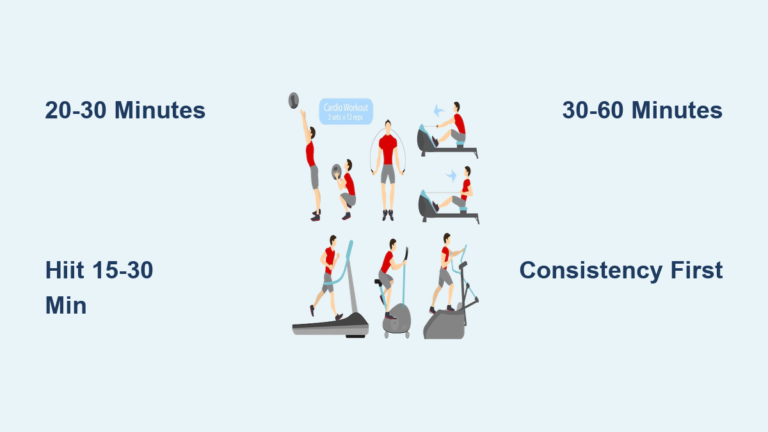
Also called aerobic base building, this involves maintaining a moderate pace for 20+ minutes.
Target intensity: 60–70% of max heart rate. You should be able to talk in short phrases but not sing.
Activities: Brisk walking, cycling, elliptical, swimming
Ideal for beginners or those returning from inactivity. It builds mitochondrial density, improves fat metabolism, and lowers resting heart rate over time.
Start with 15–20 minutes and gradually increase to 30–60 minutes. Consistency trumps duration; doing this 3–4 times per week yields steady gains.
Combine Strength and Cardio Work
Strength training enhances VO2 max indirectly by increasing muscle mass and oxygen demand. More muscle means greater capacity to extract and use oxygen during activity.
Include 2–3 weekly sessions of compound lifts (squats, deadlifts, push-ups) or resistance circuits. These recruit large muscle groups and boost overall metabolic efficiency.
When paired with aerobic training, strength work creates a synergistic effect, improving both power and endurance.
Stay Safe and Avoid Burnout
Recognize Overtraining Signs
Pushing too hard without recovery leads to overtraining syndrome, which stalls progress and harms health.
Warning signs:
– Persistent fatigue
– Elevated resting heart rate
– Mood swings or irritability
– Trouble sleeping
– Loss of appetite
– Decreased performance
If you notice these, take at least one full week off intense training. Replace with light walks, stretching, or yoga.
Prevent burnout by scheduling active rest days and prioritizing sleep and nutrition. Hydration and protein intake support recovery and adaptation.
Get Medical Clearance When Needed
If you have:
– Heart disease or high blood pressure
– Diabetes or lung conditions
– Are on medications that affect heart rate (e.g., beta-blockers)
Consult your doctor before attempting maximal tests or high-intensity training. Some medications can blunt heart rate response, leading wearables to overestimate VO2 max.
Also, never jump into intense protocols without gradual buildup. Start with steady-state cardio and slowly introduce intervals over 4–6 weeks.
Optimize Testing Conditions
For reliable DIY or wearable results:
– Test on flat, safe surfaces
– Avoid extreme heat or humidity
– Perform tests at similar times of day
– Be well-rested and hydrated
– Calibrate wearables regularly
Accurate measurement starts with consistency. Small changes in conditions can skew heart rate and pace data.
Frequently Asked Questions About Cardio Fitness
What is a good VO2 max for my age?
A “good” VO2 max falls at or above the 60th percentile for your age and sex. For example, men aged 20–29 should aim for 45.4 mL/kg/min or higher, while women in the same range should target 39.5 mL/kg/min or above. The general population median is about 29 mL/kg/min.
Can I measure cardio fitness without a lab?
Yes. Field tests like the 3-minute step test and Rockport 1-mile walk test provide reliable VO2 max estimates using minimal equipment. Smartwatches also offer ongoing estimates, though they are slightly less precise than lab methods.
How often should I test my cardio fitness?
Test every 4–6 weeks to track meaningful changes. Testing too often produces unreliable data because fitness adaptations take time. Always test under similar conditions for accurate comparisons.
Do wearables like Apple Watch accurately measure VO2 max?
Apple Watch estimates are within 1.2 mL/kg/min of lab results, with a reliability coefficient of 0.86–0.89. They work best for outdoor walks, runs, and hikes on flat terrain. Indoor workouts and cycling are not supported.
How quickly can I improve my VO2 max?
Most people see measurable improvements within 6–8 weeks of consistent training. High-intensity intervals produce faster gains than steady-state cardio alone, especially for those already moderately fit.
Does VO2 max decrease with age?
Yes, VO2 max declines by roughly 10% per decade. However, regular aerobic training can slow this decline significantly and maintain higher functional levels well into older age.
Key Takeaways for Measuring Cardio Fitness
Measuring cardio fitness doesn’t require a lab; field tests, wearables, and clinical assessments all provide valuable VO2 max estimates. Start with a simple 3-minute step test or Rockport walk test to establish your baseline, then use age- and sex-specific benchmarks to interpret your results. Track trends over time rather than fixating on a single number, and choose a measurement method that fits your lifestyle and goals.
Once you know your starting point, apply a mix of interval training and steady-state cardio to boost your score. Even modest improvements of 3–5 mL/kg/min can meaningfully reduce mortality risk and enhance daily energy. Stay consistent, prioritize recovery, and retest every 4–6 weeks to monitor progress. Your heart, lungs, and muscles will thank you for years to come.