How Long Should a Cardio Workout Be?
Standing on a treadmill or staring at your bike, the question hits you: “Am I doing this long enough?” The good news is that science gives you a clear answer. A cardio workout should last between 15 and 60 minutes, depending on your intensity, fitness level, and goals. Whether you’re walking, running, cycling, or doing HIIT, the right duration comes down to how hard you’re working and what you want to achieve.
Major health organizations like the American Heart Association and the U.S. Department of Health and Human Services confirm that just 150 minutes of moderate cardio per week, or 75 minutes of vigorous activity, can dramatically reduce your risk of heart disease, improve mood, aid weight management, and boost longevity. The key is matching session length to your personal goals and staying consistent.
Below, you’ll find exactly how long your cardio sessions should be, based on science-backed guidelines, fitness levels, and specific objectives like fat loss, endurance, or mental health.
Match Duration to Intensity
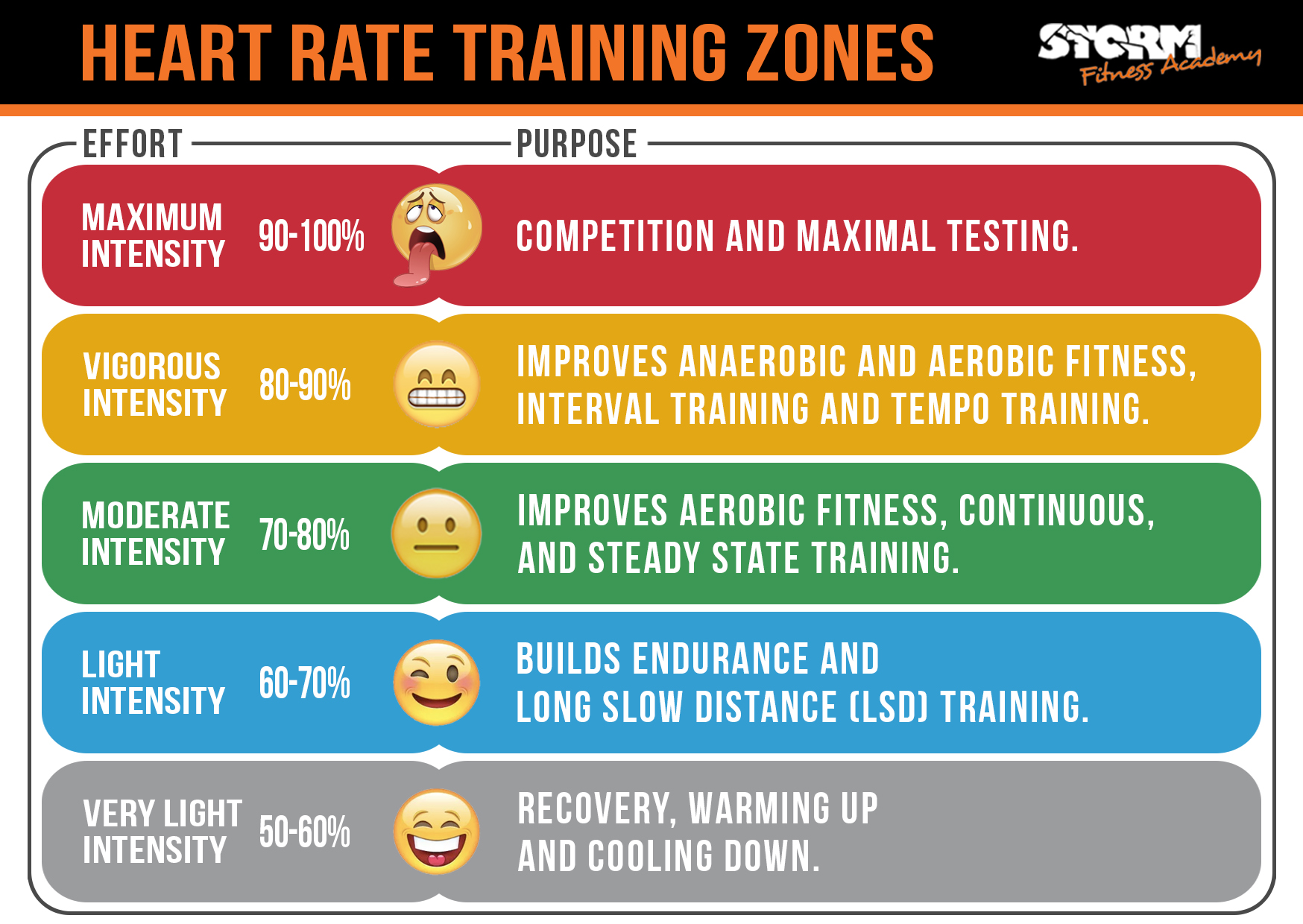
Cardio duration and intensity work together. The harder you push, the less time you need. Your heart rate zone determines how long each session should last to be effective.
Moderate-Intensity: 30–60 Minutes
For most adults, 30 to 60 minutes of moderate-intensity cardio is ideal when done 5 days a week. This keeps your heart rate at 60–80% of your max (220 minus your age), where you can talk but not sing.
- Examples: Brisk walking (3.5 mph), light cycling, water aerobics.
- Weekly target: 150–300 minutes total.
- Daily split: Three 10-minute walks equal one 30-minute session.
Even short bursts count. Research shows that accumulated sessions offer the same cardiovascular benefits as longer continuous ones, which is perfect for busy schedules.
Vigorous-Intensity: 20–30 Minutes
When you push harder, you can cut the time in half. Vigorous cardio at 80–90% of max heart rate lets you reach fitness goals faster.
- Examples: Running, sprint intervals, lap swimming, jumping rope.
- Weekly target: 75–150 minutes.
- Daily split: Three 25-minute runs per week meet the minimum.
One 20-minute run can burn as many calories as 40 minutes of walking. For time-crunched individuals, this is the most efficient path to heart health and fat loss.
Optimize by Training Type
Different cardio styles have built-in time rules. Choosing the right format helps you maximize results without overtraining.
Low-Intensity Steady State (LISS): 30–60 Minutes
LISS keeps your heart rate under 70% of max. It’s easy, sustainable, and ideal for recovery or building an aerobic base.
- Best for: Beginners, active recovery, fat oxidation.
- Session length: 30 to 60 minutes.
- Frequency: Daily or every other day.
Walking, slow cycling, or light swimming fit perfectly here. While LISS burns fewer calories per minute, its low stress allows for longer, more frequent sessions, which is great for steady fat loss.
High-Intensity Interval Training (HIIT): 15–30 Minutes
HIIT alternates short bursts of max effort with rest. It’s the gold standard for efficiency.
- Total workout time: 15–30 minutes (excluding warm-up and cool-down).
- Structure: 30 seconds hard, 30 seconds easy, repeated 6–10 rounds.
- Example: Jump squats, mountain climbers, sprint intervals.
Studies show just 15 minutes of HIIT, 3x/week, can improve fitness by nearly 10% within two months. It also boosts metabolism for hours post-workout through the EPOC effect, enhancing fat burn.
Pro Tip: Limit HIIT to 2–3 times per week. Overuse increases injury risk and central nervous system fatigue.
Adjust for Fitness Level
Your current fitness dictates how long you should go, not how long you think you should.
Beginners: Start with 10–20 Minutes
New to exercise? Begin with 10 to 20 minutes, 4–5 days a week. Focus on consistency, not speed or distance.
- Goal: Build stamina and heart resilience.
- Progression: Add 5 minutes weekly until you hit 30 minutes.
- Tip: Break it into three 10-minute walks for the same benefit with less intimidation.
Avoid jumping into hour-long sessions. That’s the fastest route to burnout or injury.
Advanced: 30–60+ Minutes
If you’re training for a marathon or optimizing performance, 60+ minute sessions are common and necessary.
- Endurance athletes: May log 90+ minutes daily.
- General fitness: Stick to 30–45 minutes of moderate or vigorous cardio.
- Balance: Pair long cardio with strength training to prevent muscle loss.
Advanced doesn’t mean longer every day. It means smarter periodization, alternating long runs with short HIIT and rest.
Tailor Duration to Your Goal
:max_bytes(150000):strip_icc()/SHAPE-7-cardio-workout-charts2-2000-af5ca0aacb0e4e5b92bbefa7d186ded2.jpg)
What you want determines how long you should work out.
Weight Loss: 30–60 Minutes, 5–6 Days/Week
Fat loss requires a calorie deficit. Cardio helps, but duration matters only if paired with diet.
- Fat-burning myth: The body starts burning fat after about 15 minutes, but total calorie burn increases with longer sessions.
- Calorie math: 1 pound of fat equals 3,500 calories. A 30-minute walk burns roughly 140 calories. Consistency is key.
- Best strategy: 45–60 minute LISS or moderate cardio, 5x/week, plus 2–3 HIIT sessions.
Caution: More than 60 minutes daily of intense cardio can spike cortisol, leading to fatigue and muscle loss.
Heart Health: 20–30 Minutes, 3–5 Days/Week
For longevity and disease prevention, just 20–30 minutes, 3–5 times a week, makes a huge difference.
- Impact: Lowers blood pressure, improves cholesterol by raising HDL, and reduces heart disease risk significantly.
- Minimum effective dose: Even one 20-minute vigorous session per week cuts mortality risk.
- Best choice: Brisk walking, cycling, or swimming, which are sustainable and joint-friendly.
Mental Health and Sleep: 10–30 Minutes
You don’t need long sessions to feel better mentally.
- Mood boost: 10–20 minutes of cardio reduces anxiety and depression.
- Sleep aid: Exercise helps you fall asleep faster and improves deep sleep, but avoid intense cardio within 2 hours of bedtime.
- Best time: Morning or afternoon sessions have the strongest mood and sleep benefits.
Even a short walk after work can reset your nervous system and reduce stress.
Avoid Overtraining and Injury
More isn’t always better. Know when to stop.
Signs You’re Doing Too Much
- Persistent fatigue even after rest.
- Declining performance despite effort.
- Insomnia or irritability.
- Frequent injuries or joint pain.
- Elevated resting heart rate.
If you notice these signs, shorten your sessions or take extra rest days.
Weekly Duration Limits
- Vigorous cardio: No more than 240–300 minutes (4–5 hours) per week.
- Moderate cardio: Up to 60 minutes daily is safe for weight loss.
- Single session max: Avoid exceeding 60–90 minutes unless training for endurance events.
Long workouts only benefit marathoners, and even then, they require proper fueling and recovery.
Smart Scheduling Tips

Make cardio fit your life, not the other way around.
Split Your Workouts
You don’t need to do it all at once. Three 10-minute sessions equal one 30-minute session in health benefits.
- Morning: 10-minute walk.
- Lunch: 10-minute stair climb.
- Evening: 10-minute bike ride.
This micro-burst approach is proven to lower blood pressure and improve adherence.
Sample Weekly Plans
Beginner (Weight Maintenance)
– Mon/Wed/Fri/Sat: 20–30 min brisk walk
– Total: ~100–120 min moderate cardio
Time-Crunched (HIIT Focus)
– Tue/Thu/Sat: 20 min HIIT (sprints, circuits)
– Total: 60 min vigorous, equal to 120 min moderate
Weight Loss (Balanced Approach)
– Mon/Wed/Fri: 45 min LISS (walk, cycle)
– Tue/Thu: 20 min HIIT
– Sat: 30 min moderate
– Total: ~255 min weekly, ideal for fat loss
Frequently Asked Questions About Cardio Duration
Is 20 minutes of cardio enough to lose weight?
Yes, 20 minutes can contribute to weight loss if your intensity is high enough and you maintain a calorie deficit through diet. However, longer sessions (30–60 minutes) or higher frequency typically produce faster results.
Can I do cardio every single day?
You can do moderate cardio daily, but limit vigorous sessions to 3–5 days per week. Include at least one full rest day to allow recovery and prevent overtraining.
How long should a beginner do cardio?
Beginners should start with 10–20 minutes, 4–5 days per week. Gradually add 5 minutes per week until you reach 30 minutes per session.
Is HIIT better than long cardio for fat loss?
HIIT is more time-efficient and boosts metabolism for hours after exercise. However, longer moderate sessions burn more total calories during the workout. Combining both often yields the best results.
How do I know if I’m overdoing cardio?
Watch for persistent fatigue, declining performance, insomnia, frequent injuries, or elevated resting heart rate. If these appear, reduce session length or add rest days.
Does cardio duration matter more than intensity?
Both matter, but they trade off against each other. Higher intensity requires less time, while lower intensity requires longer sessions to achieve similar benefits. The best approach matches your schedule and goals.
Final Takeaways on Cardio Workout Duration

So, how long should a cardio workout be?
- For general health: 20–30 minutes, 3–5 times a week, at moderate or vigorous intensity.
- For weight loss: 45–60 minutes, 5–6 days per week, or combine moderate sessions with HIIT.
- For time efficiency: 15–20 minute HIIT sessions, 2–3 times per week.
- For beginners: Start with 10–20 minutes and build gradually.
- For advanced: Tailor to performance goals, but don’t ignore recovery.
The real secret is that consistency beats duration. A daily 20-minute walk will outperform an occasional 90-minute slog. Focus on hitting your weekly total (150 min moderate or 75 min vigorous), match intensity to time, and listen to your body.
Your next step: Pick one of the sample weekly plans above and commit to it for the next 30 days. Track your sessions, notice how your energy and endurance improve, and adjust duration as your fitness grows.