Fun Cardio Exercises for Kids (2026 Guide)
If your child spends more time on screens than running around, you’re not alone. Yet, regular cardio exercises for kids are essential, not just for physical health, but for focus, mood, and confidence. The American Heart Association reports that up to 60% of children struggle with cardiorespiratory fitness, putting them at risk for obesity, diabetes, and heart issues early in life. The good news? Cardio doesn’t have to mean treadmills or grueling workouts. For kids, it’s all about play, movement, and imagination.
The World Health Organization and CDC recommend 60 minutes of moderate-to-vigorous physical activity daily for children ages 5–17, with younger kids needing up to 3 hours of active play. The key is making it fun so they don’t even realize they’re exercising. This guide breaks down age-appropriate cardio activities, quick workouts, safety tips, and proven strategies to keep kids moving, indoors or out, without resistance or boredom.
Best Cardio Exercises by Age Group

Toddlers and Preschoolers: Play-Based Movement (Ages 1–5)
For this age group, cardio means exploring, crawling, jumping, and pretending. Structure kills engagement, so keep it playful and short.
Top Activities:
– Crawl Through Tunnels: Use blankets over chairs or empty paper towel rolls to create mini tunnels.
– Bubble Chasing: Blow bubbles and encourage sprinting and popping.
– Animal Walks: Bear crawls, crab walks, and frog jumps build strength and coordination.
– Dance with Scarves: Add color and motion to music time.
– Hide-and-Seek: A classic that gets kids running, hiding, and problem-solving.
Pro Tip: Attention spans are short. Rotate activities every 5–10 minutes. A 3-year-old dancing for 10 minutes, then crawling under a table, then jumping on pillows has likely hit their daily cardio target without even noticing.
Early School Age: Skill-Building Games (Ages 6–8)
Now kids can follow rules, take turns, and enjoy simple challenges. Focus on coordination, rhythm, and foundational skills.
Top Activities:
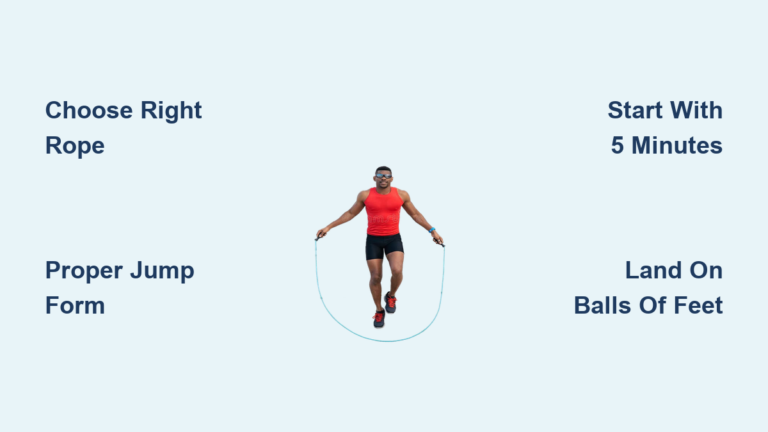
– Jump Rope: Start with basic jumps, then progress to double unders or group skipping.
– Hopscotch: Improves balance, counting, and motor skills.
– Relay Races: Use bean bags or batons for team-based fun.
– Four Square: A playground favorite that keeps heart rates up.
– Tag Variations: Freeze tag, shadow tag, or tunnel tag add variety.
Pro Tip: Avoid scorekeeping or competition. Praise effort, not speed. Say, “I love how you kept going!” instead of “You won!”
Pre-Teens: Strength and Speed Combos (Ages 9–12)
Kids at this stage crave mastery and can handle structure. Introduce bodyweight circuits, dance routines, and endurance challenges.
Top Activities:
– Jump Rope Circuits: 30 seconds on, 30 seconds off for 5 rounds.
– Swimming Laps: Builds lung capacity and full-body strength.
– Biking or Skateboarding: Feels like play, but is serious cardio.
– Choreographed Dance: Follow YouTube tutorials or create routines.
– Mountain Climbers and Burpees: Add to short HIIT sessions.
Pro Tip: Let them lead. Ask, “What workout should we do today?” or “Can you teach me a dance move?” Autonomy boosts engagement.
Teenagers: Purposeful Workouts (Ages 13–17)
Teens can train with purpose, whether for sports, stress relief, or fitness goals. Focus on intensity, progression, and consistency.
Top Activities:
– Running or Trail Hiking: Great for mental clarity and endurance.
– HIIT Workouts: 20 seconds work, 10 seconds rest (Tabata style).
– Team Sports: Soccer, basketball, or volleyball for social and cardio benefits.
– Cycling or Spin Classes: Indoor or outdoor for sustained effort.
– Strength and Cardio Circuits: Combine squats, push-ups, and jumps.
Pro Tip: Supervise weight training. Start with bodyweight, then light resistance. Technique matters more than intensity.
Quick Cardio Workouts for Kids (No Equipment)
Need to burn energy fast? Try these ready-to-go routines.
5-Minute Energy Blast
Perfect for after school or morning wake-up.
- March in Place (1 min): Warm up with big arm swings.
- Jumping Jacks (30 sec): Full-body movement.
- High Knees (30 sec): Run in place, knees to chest.
- Star Jumps (30 sec): Jump and spread arms and legs wide.
- Butt Kicks (30 sec): Kick heels to glutes.
- Stretch (1 min): Reach for the sky, then touch toes.
Repeat 2 to 3 times for longer sessions.
7-Minute Mood Boost (HIIT Style)
Proven to improve focus and emotional regulation.
- Warm-up (1 min): Gentle jogging or arm circles.
- Work (30 sec): Jumping jacks, high knees, or burpees.
- Rest (30 sec): Stand or walk slowly.
- Repeat 6 to 8 times.
- Cool-down: Deep breathing and seated stretch.
Short bursts increase dopamine and serotonin, brain chemicals that reduce anxiety and boost attention.
15-Minute Full-Body Routine
A trainer-designed circuit for fitness and fun.
Warm-up (3 min):
– Side twists (10 each side)
– Arm circles (10 forward and backward)
– Spot running (1 min)
Circuit (Repeat 3x):
1. Squats (10 reps): Build leg strength.
2. Jumping Jacks (30 sec): Elevate heart rate.
3. Plank (20 sec): Core stability.
4. Butt Kicks (30 sec): Cardio finisher.
Cool-down (2 min):
– Butterfly stretch (15 sec)
– Hamstring stretch (15 sec each leg)
– Deep breathing (1 min)
Play-Based Cardio: Make It Feel Like a Game

Kids don’t care about “cardio.” They care about fun. Turn exercise into imaginative play.
Obstacle Courses at Home
Use cushions, chairs, and tape to create a course.
Include:
– Crawl under a table (tunnel)
– Jump from pillow to pillow (lava floor)
– Balance on a taped line
– Spin 3 times, then run to finish
Time it for added excitement. Let them beat their own record.
Animal Movement Challenges
“Be a frog for 30 seconds!” “Now be a crab!”
Try:
– Bear Crawl: Hands and feet, hips high.
– Bunny Hops: Small, quick jumps.
– Flamingo Stand: One leg, arms out, great for balance.
Add sound effects. Roars, hops, and growls make it stick.
Dance Parties and Freeze Games
Turn on music and dance. When the music stops, freeze!
Variations:
– Slow Motion Dance: When music is low, move slowly.
– Mirror Dance: One leads, the other copies.
– Theme Nights: Superhero, disco, or animal dance party.
Dancing improves memory, coordination, and confidence.
Outdoor Cardio Activities Kids Love

Fresh air plus movement equals an unbeatable combo.
Running and Tag Variants
- Classic Tag: Chase and be chased.
- Shadow Tag: Step on their shadow.
- Freeze Tag: Tagged players must freeze until unfrozen.
Best for parks, backyards, or school fields.
Cycling Adventures
- Family Rides: 20 to 30 minutes on safe paths.
- Bike Scavenger Hunt: Find a red car, a dog, a mailbox.
- Obstacle Course: Weave through cones or trees.
Always wear helmets and use age-appropriate bikes.
Swimming for Full-Body Cardio
Swimming is low-impact and builds lung capacity.
Try:
– Relay races in the pool
– Underwater treasure hunt (sink safe toys)
– Kickboard sprints
Supervise at all times. Even strong swimmers need watchers.
Hopscotch and Jump Rope
Simple, timeless, and effective.
Hopscotch Tips:
– Use chalk on the driveway.
– Increase difficulty with two-foot jumps or hopping on one leg.
Jump Rope Ideas:
– Solo: Basic jumps, then criss-cross.
– Group: Double Dutch with two turners.
Start with 30-second intervals. Build endurance slowly.
How to Keep Kids Motivated
The biggest challenge isn’t finding exercises. It’s getting them to do it consistently.
Make It a Family Habit
- Walk after dinner instead of watching TV.
- Shoot hoops together at the park.
- Bike to the library instead of driving.
Kids mimic parents. If you move, they’ll want to.
Use Music and Themes
- Create playlists with high-energy songs.
- Theme days like “Ninja Training,” “Jungle Safari,” or “Superhero Workout.”
Example: “Today we’re jungle explorers. Crawl like crocodiles, jump like monkeys!”
Gamify with Apps and Challenges
- MentalUP App: Animated cardio and brain games.
- Step Challenges: Who can get 5,000 steps first?
- Sticker Charts: Reward 7 active days with a small prize.
Avoid over-reliance on screens. Use apps as tools, not replacements for play.
Praise Effort, Not Outcome
Say:
– “You worked so hard!”
– “I love how you didn’t give up.”
– “You’re getting stronger every day.”
Avoid:
– “You’re so fast!” (focuses on performance)
– “You won!” (can discourage others)
Safety Tips for Kids’ Cardio
Even fun activities need smart supervision.
Warm-Up and Cool-Down
- Always start with 2 to 3 minutes of light movement.
- Always end with stretching and deep breaths.
This prevents injury and teaches body awareness.
Listen to the Body
Teach kids to recognize:
– Normal tiredness: Heavy legs, sweating.
– Overtraining signs: Persistent soreness, irritability, trouble sleeping.
Rest is part of fitness. One day off per week is healthy.
Use Proper Gear
- Helmets for biking, skating, scooters.
- Supportive shoes for running and jumping.
- Water breaks every 15 to 20 minutes.
Offer water before, during, and after activity.
Supervise High-Risk Activities
- Water play: Constant adult presence.
- Climbing: Spot toddlers on low structures.
- Weight training (teens): Certified supervision only.
Weekly Cardio Routine Sample (Ages 5–12)
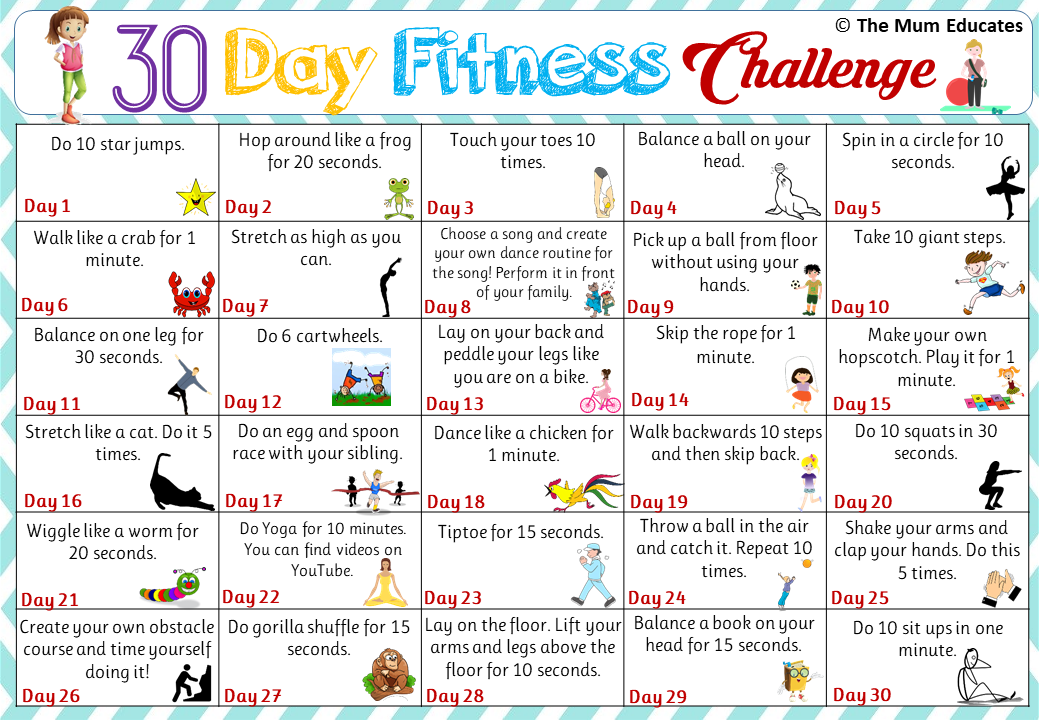
Balance variety and consistency with this flexible plan.
| Day | Activity | Duration |
|---|---|---|
| Monday | Dance workout (YouTube or app) | 20 min |
| Tuesday | Backyard obstacle course | 15 min |
| Wednesday | 7-Minute HIIT Mood Boost | 7 min |
| Thursday | Animal walks and tag games | 20 min |
| Friday | Free dance party | 15 min |
| Saturday | Family bike ride or walk | 30 min |
| Sunday | Stretching and breathing exercises | 10 min |
Swap days or extend time. The goal is daily movement, not perfection.
Why Cardio Matters: Beyond Physical Health
Stronger Heart and Lungs
Regular cardio strengthens the heart muscle and improves lung capacity. Kids breathe easier, recover faster, and build lifelong resilience.
Better Sleep and Appetite
Active kids fall asleep faster and sleep more deeply. They also regulate hunger better, reducing junk food cravings.
Sharper Focus and Mood
Movement increases blood flow to the brain, boosting dopamine and serotonin. The result is better concentration, fewer meltdowns, and improved emotional control.
Confidence and Social Skills
Mastering a jump rope trick or scoring a goal builds self-esteem. Team games teach sharing, communication, and patience.
Frequently Asked Questions About Cardio Exercises for Kids
How much cardio do kids need each day?
Children ages 5 to 17 need at least 60 minutes of moderate-to-vigorous physical activity daily. Toddlers and preschoolers (ages 1 to 4) need up to 3 hours of active play spread throughout the day.
What are the best cardio exercises for kids at home?
Jumping jacks, high knees, dance parties, obstacle courses, and animal walks are excellent indoor options. These require no equipment and can be done in small spaces.
At what age can kids start structured workouts?
Kids ages 6 and up can handle simple structured games and bodyweight exercises. Formal strength training with light resistance is appropriate for teens under certified supervision.
Is HIIT safe for children?
Yes, short HIIT sessions (like the 7-minute mood boost routine) are safe and effective for kids. Keep intervals brief, include rest periods, and focus on fun over intensity.
How can I motivate a child who refuses to exercise?
Reframe activity as play, not exercise. Use themes, music, family participation, and short sessions. Praise effort instead of results, and let kids choose activities.
What are signs my child is overexercising?
Watch for persistent fatigue, irritability, trouble sleeping, or ongoing soreness. If these appear, add more rest days and reduce intensity.
Key Takeaways for Making Cardio Fun and Effective for Kids
The best cardio exercises for kids are the ones they enjoy. Dancing in the living room, racing bikes with friends, and pretending to be animals all count toward the 60-minute daily goal. Match activities to developmental stages, prioritize play over performance, and keep sessions short and varied.
Start with one small change today. Pick a 5-minute energy blast, a family walk after dinner, or a backyard obstacle course. Make it fun, make it consistent, and watch your child’s energy, mood, and confidence grow.