Seated Cardio Workout: Quick Steps
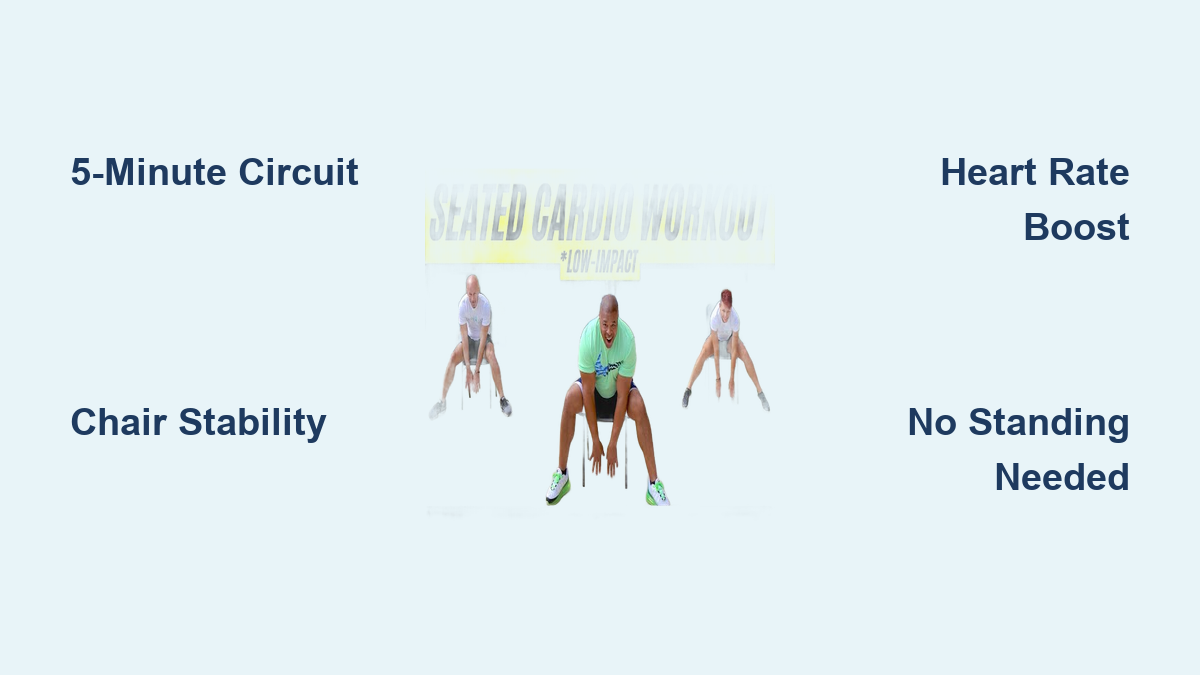
You don’t need to stand, jump, or leave your chair to get your heart pumping. A seated cardio workout delivers real cardiovascular benefits, including elevated heart rate, improved circulation, and stronger muscles, all while you sit comfortably. Whether you work at a desk, travel often, or manage mobility limitations, this approach gives you a practical way to stay active.
Sitting for long hours harms circulation and heart health, but you can flip that script. With just a sturdy chair and about 5 minutes, you can complete a full cardio circuit that strengthens your heart and engages major muscle groups. The routines are scalable, safe, and aligned with goals like lowering blood pressure and reducing heart disease risk.
In this guide, you’ll learn how to perform effective seated cardio exercises, follow a structured 5-minute circuit, and apply form cues that maximize results, all from the seat of a chair.
Warm Up Your Upper Body
Before high-rep movements, prepare your joints and muscles with simple mobility drills. These warm-ups increase blood flow and reduce stiffness, especially if you’ve been sitting for hours.
Roll Your Shoulders Backward
Sit tall with feet flat on the floor. Roll your left shoulder in a backward circular motion, then repeat with your right. Move slowly and feel the stretch across your upper back and chest.
- Reps: 3 full rolls per side
- Form Tip: Keep your neck relaxed and avoid hunching forward
- Why It Matters: Loosens tight shoulders caused by desk work or driving
Lift and Lower Your Shoulders
From the same upright position, lift both shoulders toward your ears, then release them down. This activates the trapezius muscles and connects your brain to your movement patterns.
- Reps: 4 lifts and drops
- Common Mistake: Shrugging too hard or holding tension in the neck
- Pro Tip: Inhale as you lift, exhale as you drop to sync breath with motion
Lower Body Cardio Moves
Seated cardio relies on fast, rhythmic leg movements to elevate heart rate. These exercises engage the glutes, quads, hamstrings, and calves without standing up.
Alternate Heel Taps Front and Back
Sit at the edge of your chair. Tap your right heel forward, then pull it back. Repeat on the left side. Speed up gradually to increase intensity.
- Reps: 8 taps per leg
- Arm Sync Option A: Swing the opposite arm forward with each tap
- Arm Sync Option B: Extend the opposite arm upward for more core engagement
- Visual Cue: Keep your torso stable and don’t lean forward
Perform Side Toe Taps
Shift your focus sideways. Tap your right toe out to the right, then switch and tap your left toe to the left. Move quickly but with control.
- Reps: 8 taps per side
- Engagement Focus: Activate your inner thighs and obliques
- Difficulty Boost: Add arm crosses by bringing hands from chest outward with each tap
Pump One Leg Fast (Single Leg Pump)
Pick up the pace. Rapidly tap your right heel forward and back in a quick pumping motion. Coordinate with arm swings to mimic running.
- Reps: 8 fast pumps per leg
- Heart Rate Effect: This spike-style move pushes you into moderate cardio zones
- Form Reminder: Keep your back straight and avoid bouncing in the chair
Do Seated Jumping Jacks
Mimic a standing jumping jack while seated. Start with knees together and arms at your sides. Spread both legs wide while bringing arms overhead, then return to center.
- Reps: 20 to 30
- Muscles Worked: Inner thighs, shoulders, core
- Pacing Strategy: Go fast for 10 reps, slow for 10, then repeat
Extend Legs to Activate Shins
Sit at the edge of the chair. Extend your right leg straight out, flexing your foot to engage the shin. Hold briefly, then lower. Repeat on the left.
- Reps: Up to 30 per leg
- Key Benefit: Strengthens the tibialis anterior, often weakened by inactivity
- Safety Note: Don’t lock the knee; keep a slight bend at full extension
Tap Toes Rapidly (Fast Feet)
Like running in place, but seated. Quickly alternate tapping the balls of your feet on the floor in small, bouncy motions.
- Reps: 16 counts
- Cardio Impact: Elevates heart rate fast, ideal for short bursts
- Common Error: Letting the upper body sway; brace your core
Core and Twist Exercises
Adding rotation increases calorie burn and challenges your core. These moves integrate abdominal engagement with dynamic motion.
Twist Your Torso Side to Side
Place hands behind your head or cross them over your chest. Rotate your upper body to the right, then to the left. Use your core, not your arms, to drive the movement.
- Reps: 16 total (8 per side)
- Focus Area: Obliques and transverse abdominis
- Form Tip: Keep hips facing forward; only the upper body turns
Lift Leg and Twist (Leg Lift and Twist)
Sit at the edge of the chair. Extend your right leg straight with foot on the floor. Cross arms over chest. Lift the right leg across your body toward the left knee, then return.
- Reps: 15 to 25 per side
- Target: Hip flexors, obliques, inner thighs
- Progression: Add light ankle weights when it feels too easy
Hinge Back and Touch Elbow to Knee
Sit upright with hands behind your head. Gently hinge back until your shoulder blades lightly touch the chair back. Bring right elbow to left knee, then switch sides.
- Reps: Up to 20
- Core Activation: Combines spinal flexion and rotation
- Warning: Don’t pull on your neck; keep fingers supporting, not tugging
Run in Place While Seated (Chair Running)
Bend your arms at the sides like a runner. Alternate bringing one knee toward your chest while pulling the opposite elbow back. Move quickly.
- Reps: 25 to 30
- Cardio Effect: Mimics running mechanics, great for endurance
- Posture Check: Keep spine tall; don’t hunch forward
Full Body Integration Moves
The most effective seated cardio combines upper and lower body actions. These exercises maximize heart rate elevation and calorie burn.
Pull Arms Down and Lift Heels
Reach both arms overhead. In one motion, pull arms down to your sides while squeezing shoulder blades together. At the same time, lift your heels off the floor.
- Reps: 16
- Muscle Groups: Shoulders, back, calves
- Breathing Sync: Exhale on the pull-down, inhale on the reach-up
Circle Your Arms for Endurance
Raise arms out to the sides at shoulder height. Make small forward circles, gradually increasing size. After one minute, reverse direction.
- Duration: 1 minute per direction
- Adaptation: Can be done seated or lying down
- Bonus: Improves shoulder mobility and circulation
Press Up from Chair Edge
Place palms on the edge of the chair with fingers forward. Press down through your hands as if lifting your body, lifting your glutes slightly off the seat. Hold for 1 to 2 seconds, then lower.
- Reps: 10 to 15
- Target: Triceps, shoulders, chest
- Safety: Only do this on a stable, non-rolling chair
Complete 5-Minute Seated Cardio Circuit
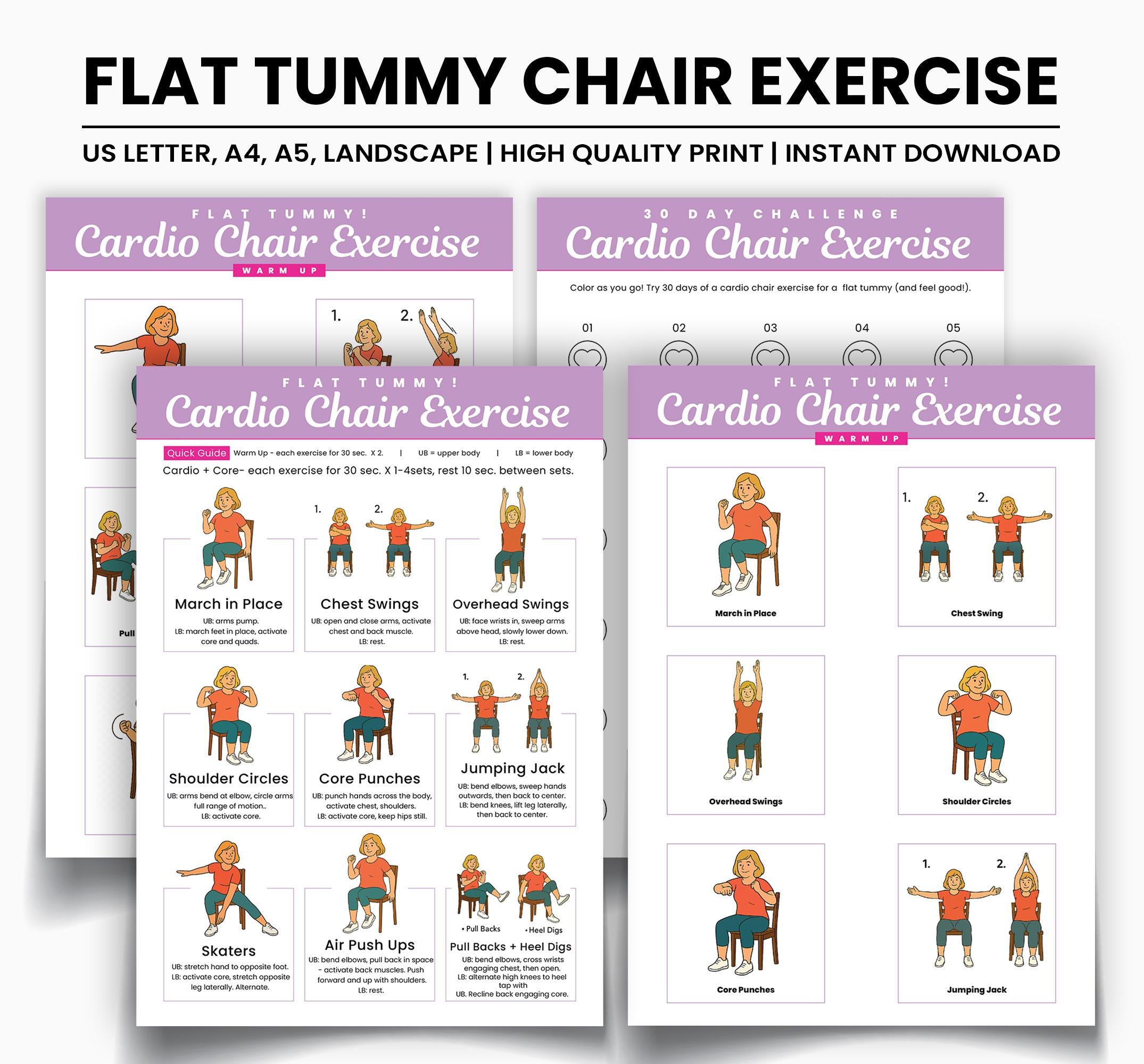
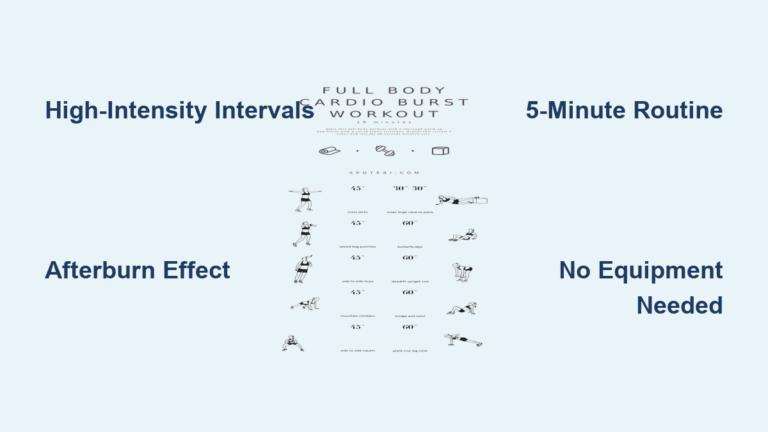
This proven circuit delivers maximum cardiovascular benefit in minimal time. It’s perfect for office breaks, travel, or quick energy resets.
Follow the 12-Step Blast Routine
- Shoulder Rolls: 3 per side
- Shoulder Lifts: 4 reps
- Alternating Heel Taps: 8 per leg
- Side Toe Taps: 8 per side
- Reach and Pull: 16 reps
- Single Leg Pump (Right): 8 reps
- Double Side Tap: 8 total (alternating)
- Double Arm Pull Down: 16 reps
- Knee-Kick Combo: 8 total
- Single Leg Pump (Left): 8 reps
- Fast Feet: 16 counts
- Side Leg Combo with Torso Twist: 16 reps each
- Time: About 5 minutes
- Intensity: Moderate to high (adjust speed as needed)
- Repeat: Do 2 to 3 rounds for a 10 to 15 minute workout
Modify for Beginners
If you’re new to exercise or managing physical limitations:
- Reduce reps by half
- Slow down the pace
- Skip any movement that causes discomfort
- Focus on form over speed
Use Props to Enhance Results
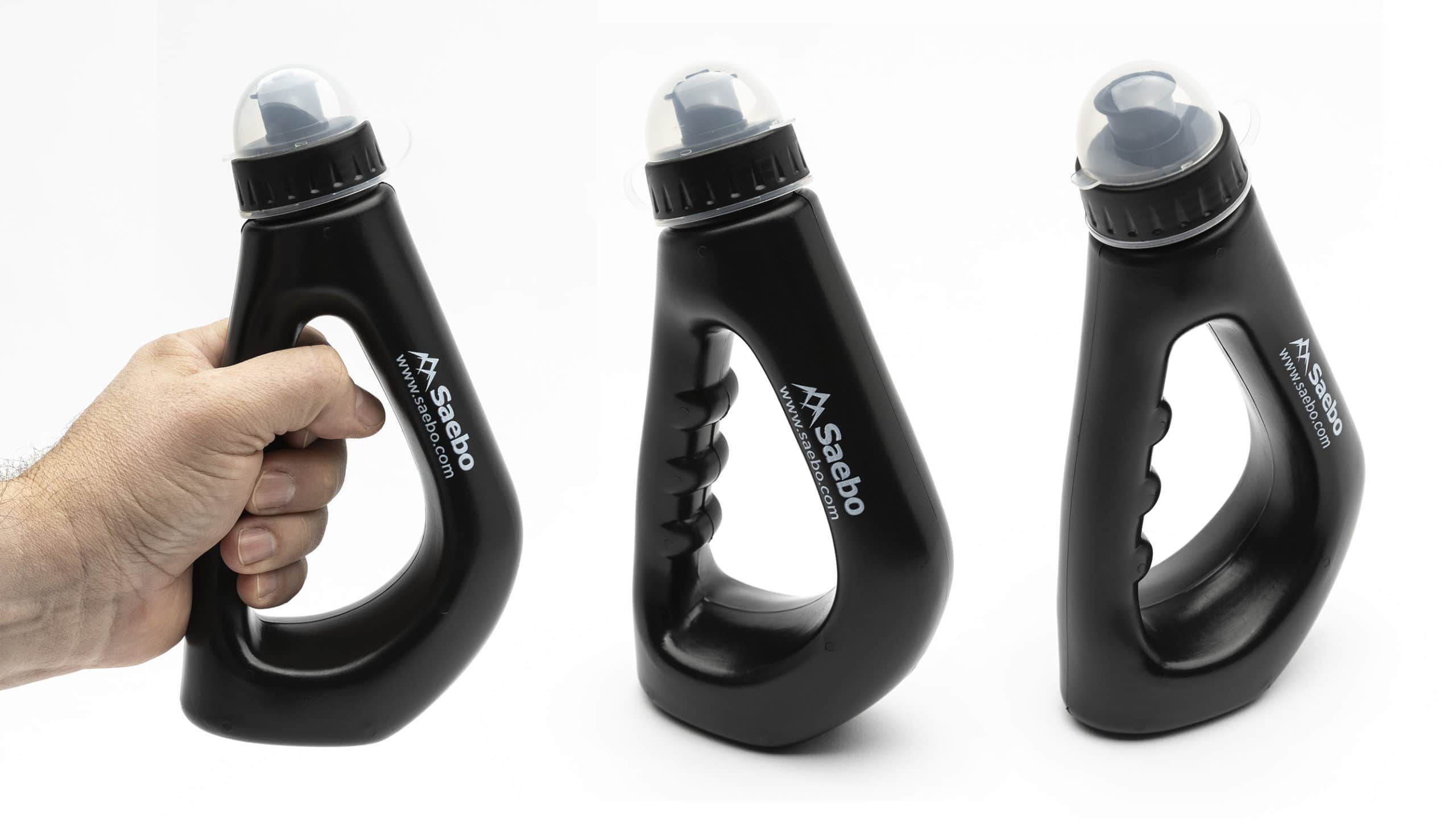
Even minimal equipment can amplify the benefits of seated cardio.
Squeeze a Water Bottle (Bottle Squeezes)
Hold a water bottle or soft ball between your hands. Squeeze firmly for 3 to 5 seconds, then release.
- Reps: 3 sets of 10
- Purpose: Relieves tension in hands, forearms, shoulders, and neck
- Ideal For: Office workers with repetitive strain or stress buildup
Apply Seated Cardio in Real-Life Scenarios

This workout fits seamlessly into daily life, not just home routines.
Work From a Desk? Do Micro-Workouts
Every 60 to 90 minutes, pause for a 5-minute seated cardio blast. It fights the negative effects of prolonged sitting, such as poor circulation and muscle stiffness.
- Best Moves: Heel taps, seated jacks, arm circles
- Pro Tip: Set a timer to stay consistent
Traveling? Stay Active in Confined Spaces
On planes, trains, or in hotel rooms, use your seat to maintain fitness.
- Airplane-Friendly Moves: Shoulder rolls, toe taps, torso twists
- No Space? No Problem: All exercises require less than 2 feet of clearance
Managing Mobility Issues? Stay Heart-Healthy
For those with arthritis, balance issues, or recovery needs, seated cardio provides safe cardiovascular conditioning.
- Focus On: Controlled movements, seated jacks, leg extensions
- Medical Note: Always consult your doctor before starting a new routine
Prevent Injury and Maximize Safety
Even low-impact workouts require proper precautions.
Choose a Stable Chair
Use a non-rolling, armless chair with a flat seat. Avoid recliners, wobbly stools, or wheeled office chairs.
- Test Stability: Gently shift your weight side to side before starting
- Floor Surface: Must be flat and non-slip
Maintain Proper Posture
“Sit tall” is the golden rule. Keep your spine neutral, shoulders back, and core engaged throughout.
- Avoid: Slouching, leaning on armrests, or hunching forward
- Visual Cue: Imagine a string pulling the top of your head toward the ceiling
Stop If You Feel Pain
Discomfort is normal when muscles work, but sharp or joint pain is not.
- Red Flags: Knee strain, lower back pain, shoulder impingement
- Action Step: Modify or skip the move; don’t push through pain
Track Progress and Increase Intensity

Like any workout, seated cardio should evolve as you get stronger.
Extend Duration Gradually
Start with one 5-minute circuit. Progress to:
- 2 rounds (10 minutes)
- 3 rounds (15 minutes)
- Daily consistency (most important)
Increase Reps or Speed
Once 20 reps feel easy, go to 30. Or keep reps the same but move faster.
- Example: Turn “slow seated jacks” into “speed jacks”
- Heart Rate Goal: Aim to speak in short phrases, not full sentences, during peak effort
Add Resistance When Ready
Once bodyweight feels too light:
- Use ankle weights (1 to 2 lbs) for leg extensions
- Hold light dumbbells (1 to 3 lbs) during arm movements
- Use resistance bands under feet during heel taps
Frequently Asked Questions About Seated Cardio Workouts
How long should a seated cardio workout last?
A standard seated cardio workout can be completed in about 5 minutes. You can extend the duration by repeating the circuit, working up to 10 to 15 minutes over time.
Can seated cardio really improve heart health?
Yes. Seated cardio strengthens the heart, lowers blood pressure, and reduces heart disease risk. These routines elevate heart rate into cardio zones without requiring standing movements.
What type of chair is best for seated cardio?
Use a sturdy, non-rolling chair with a flat seat and no armrests. A standard office or dining chair works well. Avoid recliners, stools, or wheeled chairs that could shift during movement.
Are seated cardio workouts good for beginners?
Yes. Seated cardio is a low-impact entry point into fitness. Beginners can reduce reps by half, slow the pace, and focus on proper form before increasing intensity.
How often should I do seated cardio?
Aim for daily consistency. If you’re at a desk, perform a 5-minute circuit every 60 to 90 minutes to counteract the negative effects of prolonged sitting.
Do I need any equipment for seated cardio?
No equipment is required. A sturdy chair and enough space to extend your legs are all you need. Optional props like water bottles or light dumbbells can enhance certain exercises.
Key Takeaways for Building a Seated Cardio Routine
A seated cardio workout is more than a compromise. It’s a smart, practical strategy for staying heart-healthy in a sedentary world. You don’t need a gym, special clothes, or standing room to get results. With a chair and 5 minutes, you can protect your heart, boost energy, and fight the dangers of prolonged sitting.
Start today with one circuit. Repeat it tomorrow. Build consistency, not perfection. Over time, these small efforts add up to better circulation, lower blood pressure, and a stronger, more resilient body, all from the seat of your chair.