Best Moderate Intensity Cardio Exercises (2026 Guide)
You don’t need to sprint or lift heavy weights to boost your health. The real powerhouse of long-term wellness? Moderate intensity cardio exercises. These activities elevate your heart rate just enough to strengthen your heart, lungs, and metabolism without pushing you to exhaustion. Whether you’re walking the dog, gardening, or dancing in your living room, you’re likely already doing forms of moderate cardio without realizing it.
Health experts agree that hitting 150 minutes per week of moderate cardio slashes your risk of heart disease, diabetes, and early death by up to 30%. The best part? It’s accessible to nearly everyone, with no gym membership or advanced fitness level required. You just need to move consistently and stay in the right intensity zone.
In this guide, you’ll learn exactly how to identify, perform, and benefit from moderate intensity cardio. From real-world examples to science-backed strategies for staying on track, we’ll break down everything you need to turn everyday movement into life-changing health gains.
How to Identify Moderate Intensity

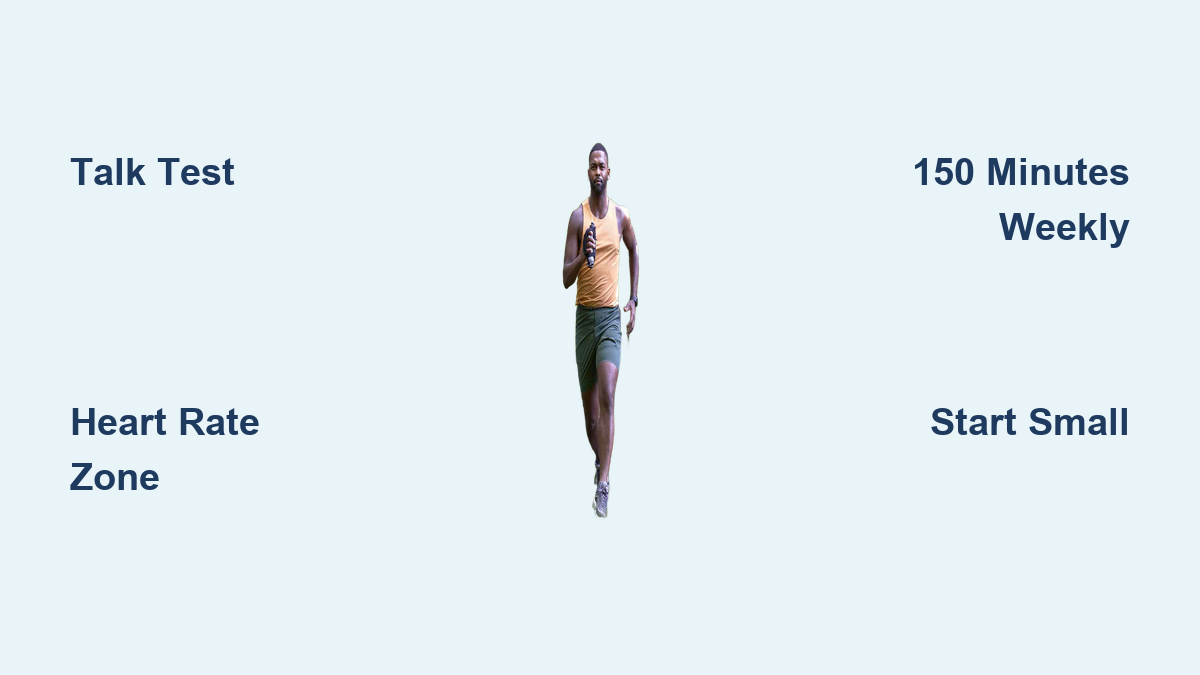
Use the Talk Test
The easiest way to know if you’re in the moderate zone is the Talk Test. If you can speak in full sentences but can’t sing comfortably, you’re there. Your breathing is quicker than normal but not labored. This simple rule works anywhere, with no gadgets needed.
For example, if you’re walking with a friend and can chat about your weekend without gasping, you’re likely in the sweet spot. If conversation feels strained or impossible, you’ve crossed into vigorous territory.
Monitor Your Heart Rate
For a more precise measurement, aim for 50% to 70% of your maximum heart rate. Calculate this using the simple formula:
220 minus Your Age = Estimated Max Heart Rate
Example: A 50-year-old’s max heart rate is roughly 170 bpm. Their moderate zone is 85 to 119 bpm.
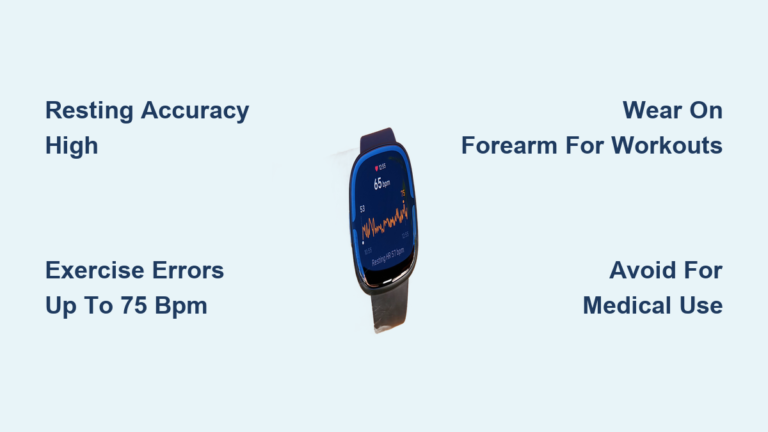
Use a fitness tracker or manually check your pulse at the wrist or neck during activity. Staying within this range ensures you’re getting the right dose of cardio.
Rate Your Perceived Effort
On a scale from 0 (sitting) to 10 (all-out sprint), moderate intensity feels like a 4 or 5, meaning “somewhat hard” but sustainable. You’re working, but you could keep going for 30 minutes or more without hitting a wall.
This method is especially helpful if you’re on medication like beta-blockers that affect heart rate, making traditional zones less accurate.
Weekly Guidelines by Age Group
Adults: 150 Minutes Minimum
Adults should aim for at least 150 minutes of moderate cardio weekly, about 30 minutes, 5 days a week. For greater benefits, especially weight control, bump it up to 300 minutes.
Include strength training on 2 or more days per week, targeting all major muscle groups. Even bodyweight squats or resistance bands count.
Note: Break activity into 10-minute chunks if needed. A 10-minute walk after each meal is just as effective as one long session.
Kids and Teens: 60 Minutes Daily
Children and teens ages 6 to 17 need 60 minutes of moderate to vigorous activity every day. Most should be aerobic, like biking, playing tag, or dancing.
At least 3 days per week, include:
– Vigorous activities: Running, jumping rope, or sports like soccer
– Muscle- and bone-strengthening exercises: Climbing, gymnastics, or hopscotch
For younger kids ages 3 to 5, encourage constant movement throughout the day. No formal workouts needed.
Special Populations
- Pregnant individuals: Moderate exercise is safe and recommended. Walking, swimming, or prenatal yoga are ideal. Always consult your provider first.
- Older adults (55+): Focus on balance and flexibility too. Brisk walking, water aerobics, or tai chi reduce fall risk and improve heart health.
- Chronic conditions (diabetes, heart disease): Exercise is medicine. Even 90 minutes per week improves blood sugar and heart function. Talk to your doctor before starting.
Best Moderate Intensity Cardio Activities
Brisk Walking
Walking at 2.5 to 4 mph qualifies as moderate cardio. No special gear required, just good shoes.
Pro tip: Add hills, walk with a stroller, or swing your arms to increase intensity.
Calories burned (avg): 150 to 250 per 30 minutes (varies by weight and speed)
Cycling on Flat Terrain
Leisurely bike rides on level ground keep your heart in the target zone without joint strain.
Try this: Commute to work, bike with kids, or join a low-intensity spin class.
Calories burned: 200 to 300 per 30 minutes
Water Aerobics or Swimming
Perfect for joint pain, arthritis, or pregnancy. The water supports your body while challenging your muscles.
Best for: Older adults or those recovering from injury.
Calories burned: 150 to 250 per 30 minutes
Doubles Tennis
Social and fun, doubles tennis involves less sprinting than singles, keeping intensity moderate.
Bonus: Hand-eye coordination and mental focus improve too.
Dancing
From ballroom to Zumba to just moving in your kitchen, dancing counts. If your heart’s pumping and you’re breathing harder, it’s working.
Tip: Use music playlists to keep motivation high.
Gardening and Yard Work
Digging, raking, mowing with a push mower, and planting are all moderate cardio.
Fact: 30 minutes of gardening burns as many calories as a gym session.
Stair Climbing and Active Chores
Taking the stairs, vacuuming vigorously, or mopping the floor all add up.
Hack: Turn chores into mini-workouts. Move faster, engage your core, and keep your heart rate up.
How to Start and Stay Consistent
Start Small, Build Gradually
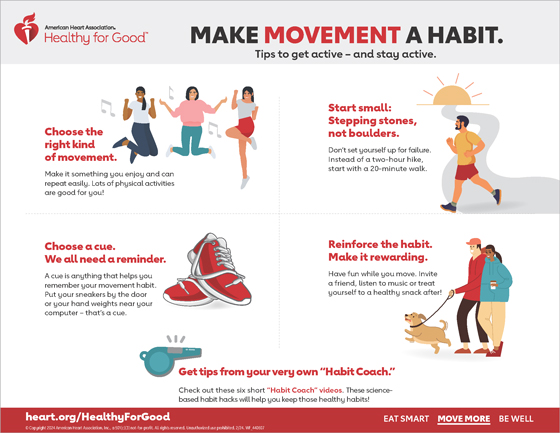
If you’re new to exercise, begin with 10-minute sessions. Walk around the block, march in place during TV ads, or stretch with movement.
Once that feels easy, add 5 minutes weekly until you hit 30 minutes. This prevents burnout and injury.
Follow the 10% Rule
Increase your weekly activity by no more than 10% per week. For example, if you do 150 minutes this week, aim for 165 next week.
This rule protects against overuse injuries and keeps progress sustainable.
Mix It Up to Avoid Boredom
Rotate activities: walk Monday, dance Tuesday, garden Saturday. Variety keeps your body challenged and your mind engaged.
Sample weekly plan:
– Mon: 30-min brisk walk
– Wed: 30-min water aerobics
– Fri: 20-min dance + 10-min stair climbing
– Sat: 45-min gardening
– Sun: Rest or light stretching
Use Technology Wisely
Fitness trackers can monitor heart rate and activity minutes. But don’t rely on them blindly. Cross-check with how you feel.
Red flag: If your device says you’re in the zone but you’re breathless or in pain, slow down.
Health Benefits Backed by Science
Live Longer, Reduce Mortality Risk
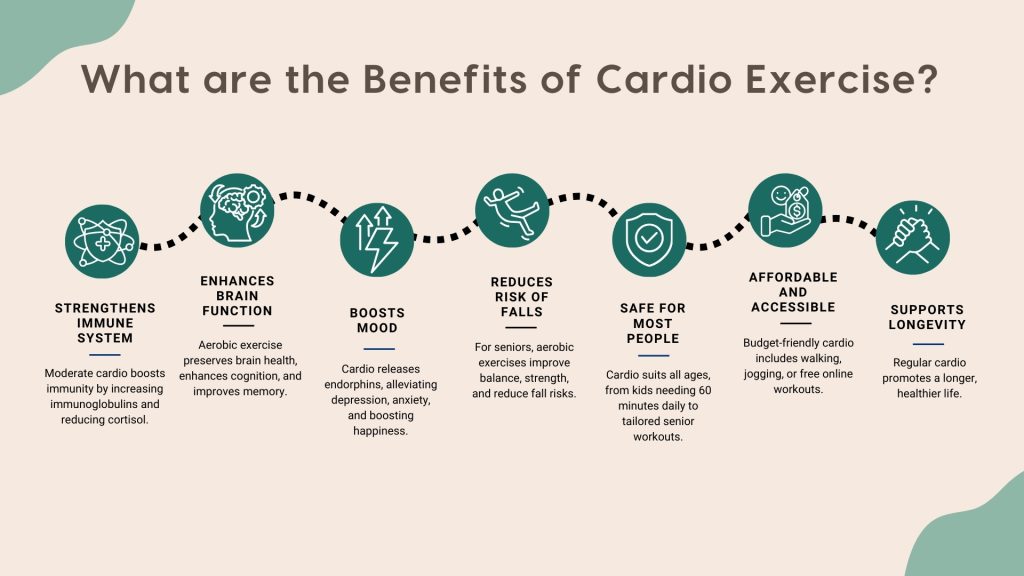
Just 150 to 300 minutes per week lowers your risk of early death by 20%. At 300 to 600 minutes, the drop jumps to 30%.
This includes deaths from heart disease, cancer, and stroke.
Prevent and Manage Chronic Diseases
- Heart Disease: Strengthens the heart muscle, lowers blood pressure, and improves circulation.
- Type 2 Diabetes: As little as 90 minutes per week reduces fasting blood glucose and improves insulin sensitivity.
- Stroke: Regular moderate activity cuts stroke risk by up to 27%.
- Cancer: Linked to lower rates of colon, breast, and lung cancer.
Boost Brain and Mental Health
- Memory and Focus: Increases blood flow to the brain, improving cognitive function.
- Dementia Risk: Lowers the chance of Alzheimer’s and other dementias by 30%.
- Mood and Sleep: Reduces anxiety and depression symptoms. Helps you fall asleep faster and sleep deeper.
Avoid Common Mistakes
Don’t Confuse Sweating with Intensity
Sweating depends on temperature, humidity, and genetics, not just effort. You can work hard in a cool room and barely sweat.
Better cue: Use the Talk Test. If you can talk but not sing, you’re on track.
Don’t Skip Warm-Up and Cool-Down
Always spend 5 to 10 minutes easing into and out of exercise.
- Warm-up: March in place, arm circles, light stretching
- Cool-down: Slow walking, deep breathing, gentle stretches
This prevents injury and reduces post-exercise soreness.
Don’t Ignore Pain
Muscle fatigue is normal. Joint pain, sharp aches, or chest discomfort are not.
Stop immediately if you feel:
– Chest pressure or dizziness
– Severe shortness of breath
– Pain in the joints or limbs
Consult a doctor before resuming.
Make It a Lifestyle, Not a Chore
Turn Daily Tasks into Cardio
- Walk the dog faster or take a longer route
- Park farther away at stores
- Take walking meetings or phone calls
- Use stairs instead of elevators
These small changes add up to hours of cardio per week.
Involve Friends and Family
Exercise with others to stay motivated. Join a walking group, dance with your kids, or garden with a neighbor.
Social support increases adherence by up to 70%.
Track Progress Without Obsession
Use a simple calendar or app to log your minutes. Aim for consistency, not perfection.
Reward yourself with non-food treats like a new playlist, massage, or workout gear.
When to See a Doctor
Consult a healthcare provider before starting if you:
– Are over 45 (men) or 55 (women) with heart disease risk factors
– Have diabetes, high blood pressure, or a history of heart issues
– Are pregnant or postpartum
– Take medications that affect heart rate, such as beta-blockers
They can help you set safe goals and adjust targets if needed.
Frequently Asked Questions About Moderate Intensity Cardio Exercises
What exactly counts as moderate intensity cardio?
Moderate intensity cardio raises your heart rate to 50% to 70% of your maximum, makes you breathe quicker, and allows you to talk but not sing. Brisk walking, cycling on flat terrain, water aerobics, and doubles tennis all qualify.
How many minutes of moderate cardio should I do each week?
Adults should aim for at least 150 minutes per week, spread across most days. For greater benefits like weight loss or further disease prevention, increase to 300 minutes weekly.
Can I break my workouts into shorter sessions?
Yes. Activity bouts of at least 10 minutes can be accumulated throughout the day. Three 10-minute walks count just as much as one 30-minute session.
How do I know if I’m working out hard enough?
Use the Talk Test. If you can speak in full sentences but cannot sing, you’re in the moderate zone. You can also check your heart rate to ensure it falls between 50% and 70% of your maximum.
Is moderate cardio enough to lose weight?
It can be. Combined with a balanced diet, 150 to 300 minutes of moderate cardio per week supports weight loss. For greater results, increase duration or add strength training.
What if I have a chronic condition like diabetes?
Moderate intensity cardio is often recommended and safe. Just 90 minutes per week can lower fasting blood glucose. Always consult your doctor before starting a new program.
Key Takeaways for Building a Sustainable Cardio Routine
Moderate intensity cardio exercises offer one of the best returns on investment for your health. You don’t need extreme workouts or expensive equipment. You just need consistency, proper intensity, and activities you enjoy.
Start where you are. Even 10 minutes a day builds the foundation for lasting change. Use the Talk Test or heart rate monitoring to stay in the zone, follow the 10% rule to progress safely, and mix up your activities to keep things fresh.
Your next step is simple: choose one activity from this guide and do it today. Walk around the block, dance to your favorite song, or tackle that overgrown garden. Every minute counts toward a longer, healthier life.