Can Cardio Reduce Blood Pressure?
If you’re managing high blood pressure, one of the most powerful tools at your disposal isn’t found in a pharmacy. It’s movement. Yes, cardio reduces blood pressure, and the evidence is overwhelming. Regular aerobic exercise is a cornerstone of non-drug treatment for hypertension, with research showing it can lower systolic readings by 5 to 7 mmHg on average, and up to 20 mmHg when combined with weight loss and other lifestyle changes.
The benefits extend far beyond a single number on a monitor. Cardio improves how your blood vessels function, lightens the load on your heart, and can even reverse structural damage like left ventricular hypertrophy (LVH), a thickening of the heart muscle linked to heart failure. These effects also begin quickly. A single session can trigger post-exercise hypotension, a blood pressure drop lasting up to 24 hours. This guide explains exactly how cardio lowers blood pressure, which workouts deliver the best results, and how to start safely.
How Cardio Lowers Blood Pressure
Reduces Vascular Resistance
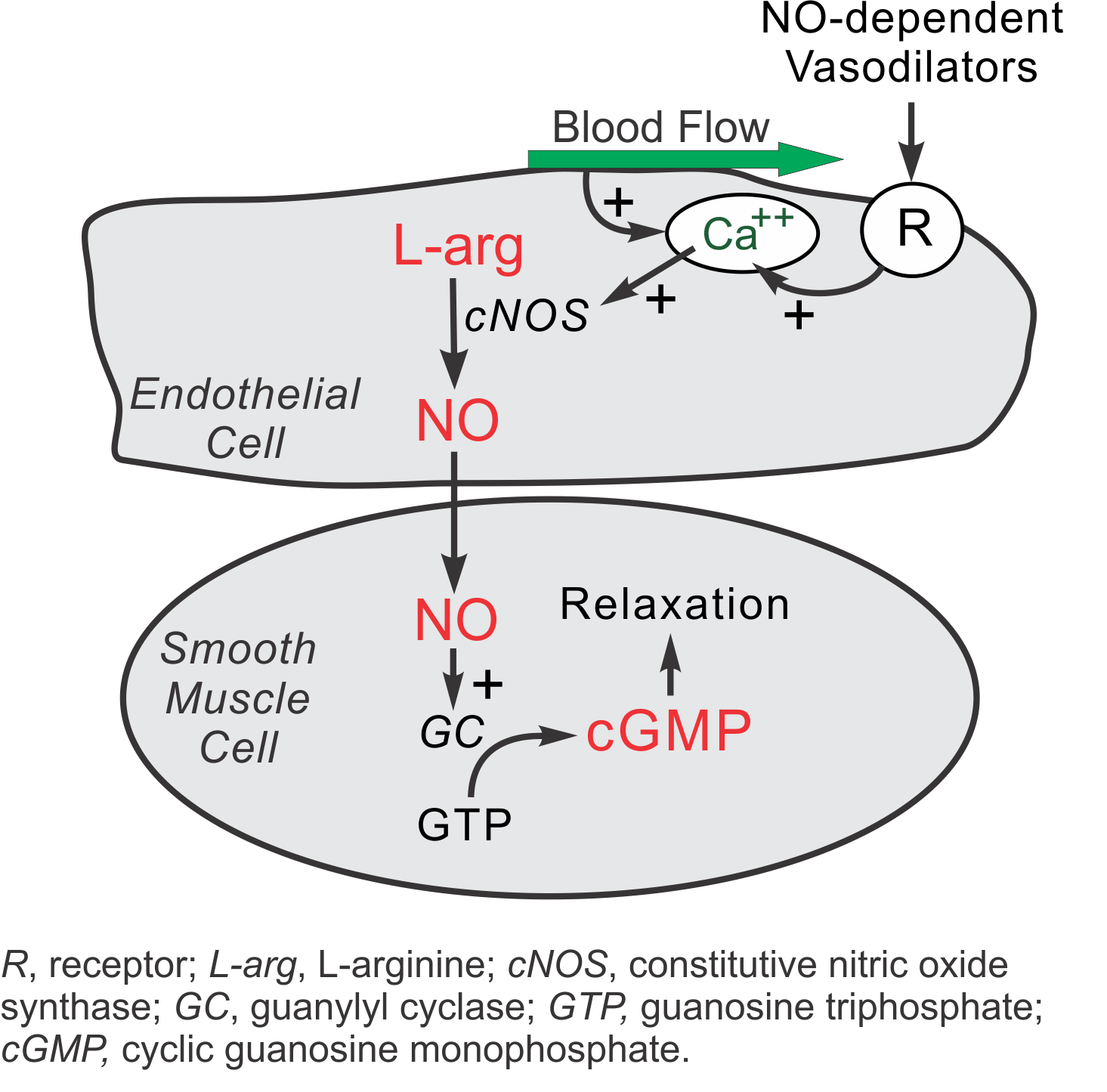
The primary way cardio reduces blood pressure is by lowering peripheral vascular resistance, the force blood must overcome to flow through arteries. Over time, hypertension stiffens vessels and narrows their inner diameter. Aerobic exercise counteracts this by stimulating nitric oxide release, a molecule that relaxes and widens blood vessels.
Regular cardio also improves endothelial function, the health of your arteries’ inner lining. This leads to smoother blood flow and less cardiac strain, resulting in lower systolic and diastolic readings even at rest.
Improves Heart Efficiency
Cardio trains your heart to pump more blood per beat (increased stroke volume), so it works less hard overall. This produces a lower resting heart rate, a key marker of cardiovascular fitness.
A stronger, more efficient heart reduces total circulatory workload. This structural adaptation helps prevent or reverse left ventricular hypertrophy (LVH), a dangerous thickening of the heart wall caused by chronic high pressure.
Triggers Post-Exercise Hypotension
After a cardio session, many people experience post-exercise hypotension, a significant blood pressure drop that can last up to 24 hours. This effect is strongest in those with higher baseline readings.
During this window, your body remains in a state of improved vascular relaxation and reduced sympathetic nervous system activity. Even daily tasks become easier on your heart.
Best Cardio Exercises for Lowering BP
Walking: Most Accessible and Effective
Brisk walking is one of the most studied and effective cardio forms for blood pressure control. Just 30 minutes a day, 5 days a week can reduce systolic pressure by 5–7 mmHg.
Pro tip: Split it into three 10-minute walks across morning, midday, and evening. Research shows this fragmented approach may be more effective at smoothing out daily blood pressure spikes than one continuous session.
- Pace: Walk at a speed where you can talk but not sing.
- Location: Parks, sidewalks, or treadmills all work.
- Bonus: Walking after meals also helps regulate blood sugar.
Cycling: Low-Impact, High Reward
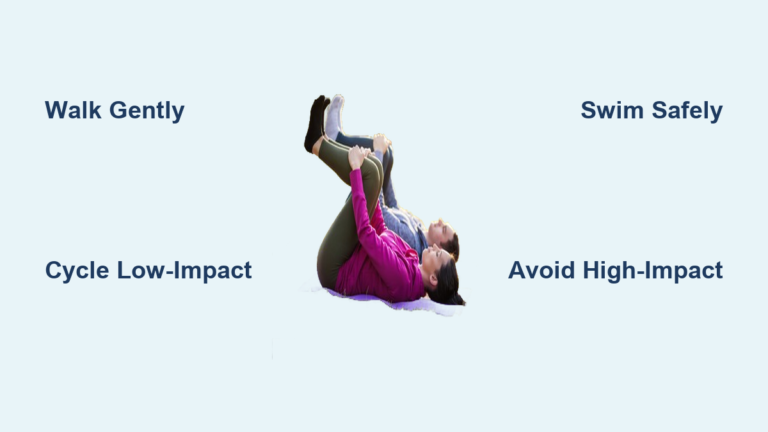
Whether on a stationary bike or outdoors, cycling delivers excellent cardiovascular benefits with minimal joint stress.
- Recommended: 30 minutes of moderate cycling daily, or three 10-minute sessions.
- Why it works: Engages large leg muscles, boosting circulation and vascular adaptation.
- For desk workers: Use an under-desk pedal exerciser for 10 minutes every hour.
Swimming: Ideal for Seniors and Joint Issues
Swimming is a top-tier choice, especially for adults over 60. A 12-week swimming program (up to 45 minutes per session) reduced systolic blood pressure by nearly 9 mmHg in older adults.
- Benefits: Full-body workout with zero joint impact.
- Ideal for: Those with arthritis, mobility issues, or obesity.
- Start slow: Begin with 15–20 minutes, then build duration and intensity.
Hiking: Nature Plus Incline Equals Results
Hiking combines cardio with elevation, engaging more muscle mass and increasing cardiovascular demand.
- Impact: Can lower blood pressure by up to 10 mmHg from sustained moderate effort.
- Bonus: Nature exposure reduces stress hormones like cortisol, which also helps lower BP.
- Start easy: Choose flat trails and progress to steeper terrain.
How Much Cardio Is Needed?
Weekly Targets for Blood Pressure Control
Major health organizations agree on these guidelines:
- 150 minutes per week of moderate-intensity aerobic activity (like brisk walking)
- Or 75 minutes per week of vigorous activity (like jogging or swimming laps)
- Spread across at least 5 days
This averages to 30 minutes a day, 5 days a week, but you can break it into 10-minute chunks. Three short sessions are just as effective, and sometimes better, for stabilizing blood pressure throughout the day.
Intensity Matters: Are You Working Hard Enough?
Use the conversational test to gauge intensity:
- Low intensity: You can talk and sing easily
- Moderate intensity: You can speak in short sentences but not sing (ideal for BP)
- High intensity: You can’t speak more than a few words without pausing
For precision, calculate your target heart rate zone:
Formula: (220 – Age) × 0.50 to (220 – Age) × 0.85
Example (age 50):
Max HR = 170 bpm → Target zone = 85–145 bpm
Check your pulse during exercise or use a fitness tracker to stay in range.
Beyond Cardio: Other Exercises That Lower BP
Isometric Training: Most Effective Modality
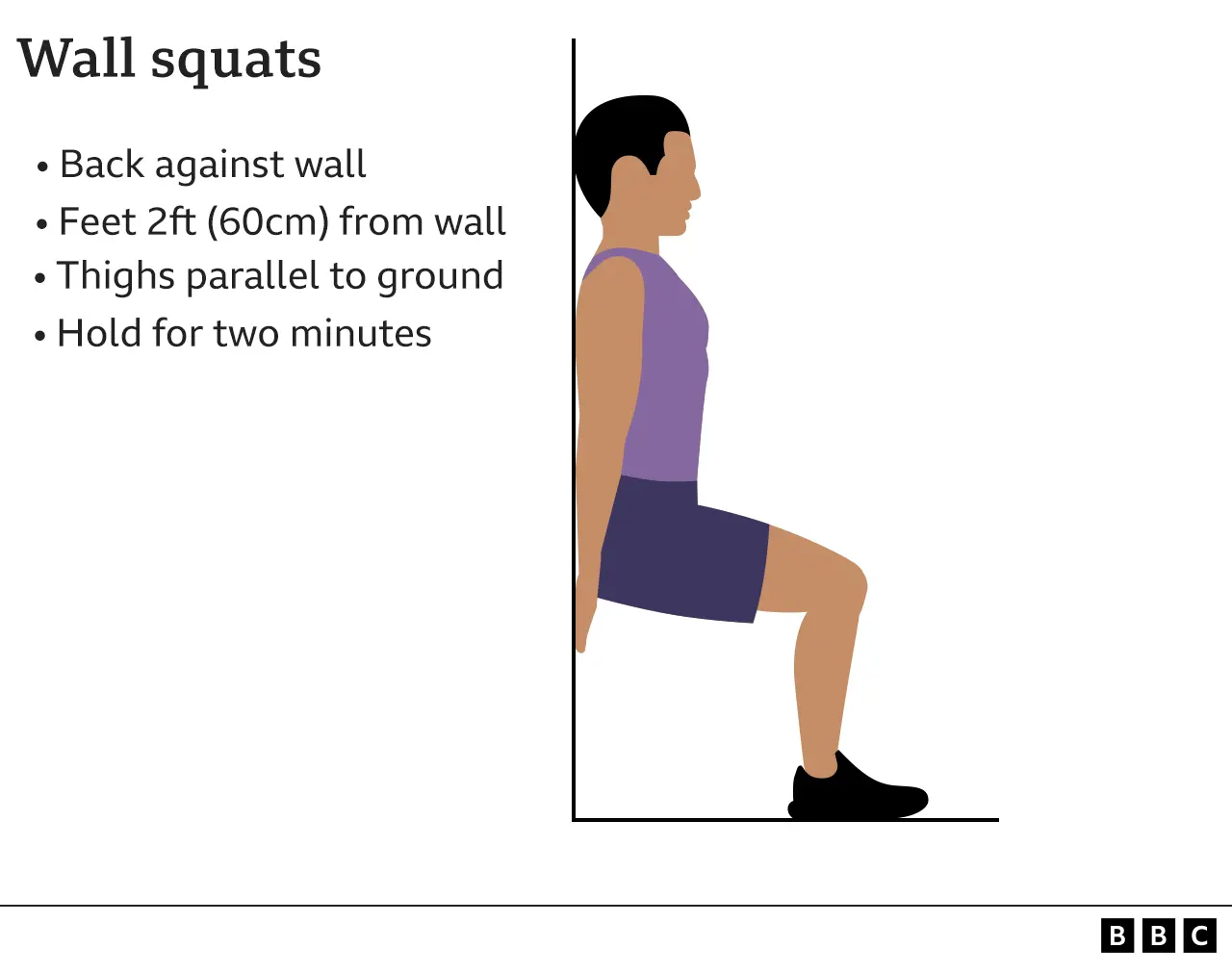
Surprisingly, isometric exercise, which involves static muscle contractions without joint movement, ranks as the most effective single type of exercise for lowering blood pressure.
A 2023 meta-analysis of nearly 300 trials ranked isometric training above cardio and weightlifting for blood pressure reduction.
Wall Squats for Blood Pressure
- How to do it: Back against wall, slide down until thighs are parallel to floor, hold 30–60 seconds.
- Repeat: 3–5 times, 3 days a week.
- Result: Can lower systolic BP by 10–15 mmHg with consistent practice.
Planks and Glute Bridges
- Plank: Hold a push-up position on forearms, keep body straight. Hold 20–60 seconds, repeat 2–3 times.
- Glute Bridge: Lie on back, knees bent, lift hips and squeeze glutes. Hold 30 seconds, repeat 10–15 times.
Important: Blood pressure spikes during isometric holds. Do not attempt if you have uncontrolled hypertension (≥180/110 mmHg) without medical clearance.
Dynamic Resistance Training: Strength Matters
Weight training is no longer off-limits for people with high blood pressure. When done correctly, it supports long-term BP control.
- Benefits: Reduces visceral fat, increases lean muscle, improves insulin sensitivity.
- Recommended: 2–3 sessions per week, 8–12 reps per set, moderate weight.
- Avoid: Heavy lifting or the Valsalva maneuver (holding your breath while straining), which can cause dangerous BP spikes.
Rule: Exhale during the lift, inhale during the release.
Combined Training: Best of All Worlds
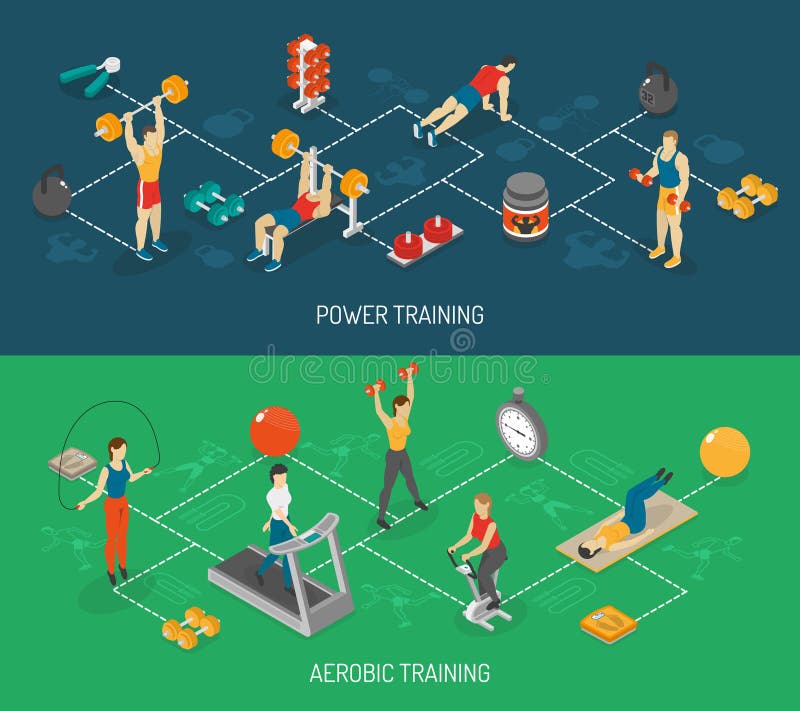
Mixing cardio, strength, and isometric exercises delivers maximum cardiovascular protection.
- Example routine:
- Monday: 30-min walk + bodyweight squats
- Wednesday: Cycling + wall squats
- Friday: Swimming + resistance band exercises
Studies show combined training improves blood pressure, cholesterol, and body composition more than any single modality alone.
Safety: When to Exercise and When to Wait
:max_bytes(150000):strip_icc()/HDC-How-To-Read-a-Blood-Pressure-Chart-Including-Low-High-and-Normal-Readingscopy-6543ec020e564dea85e675225d9f3049.png)
Blood Pressure Thresholds for Safe Exercise
Not all blood pressure levels are safe for starting a new routine. Know your numbers:
- Below 90/60 mmHg: Very low. Consult a doctor before exercising.
- 90/60 – 140/90 mmHg: Safe and encouraged.
- 140/90 – 179/99 mmHg: Can exercise to lower BP. Start slow.
- 180/100 – 199/109 mmHg: Consult a doctor first. Avoid intense activity.
- 200/110 mmHg or above: Do not start exercise. Seek medical care immediately.
Activities to Avoid with High BP
Skip exercises that cause sudden, extreme pressure spikes:
- Heavy weightlifting (like max deadlifts)
- Sprinting or explosive sports (like squash or basketball)
- Activities with rapid pressure changes (like scuba diving or skydiving)
Always warm up and cool down for 5–10 minutes to prevent sudden blood pressure drops or dizziness.
Special Considerations
For Older Adults (60+)
Swimming and chair-based exercises are ideal for seniors.
- Chair workouts: 10-min warm-up, 40-min seated movement (with bands or balls), 10-min cool-down.
- Benefits: Lowers BP, improves balance, reduces fall risk, without joint strain.
Walking and gentle cycling are also excellent, especially outdoors for mental health benefits.
What If Exercise Doesn’t Lower Your BP?
About 20–25% of people with hypertension are “non-responders” who see little to no BP drop from exercise.
Possible reasons include:
– Genetic factors
– Inadequate exercise type or intensity
– Underlying medical conditions
Don’t give up. Try adding isometric training or adjusting your routine. Some people respond better to specific modalities.
Detraining: Benefits Fade Without Consistency
The gains from exercise are reversible. Stop moving, and blood pressure can rebound in as little as 2 weeks.
This “use it or lose it” effect underscores the need for lifelong consistency. Even light daily activity helps maintain progress.
Practical Tips to Get Started
Overcome Common Barriers
No time?
→ Break activity into 10-minute blocks. Walk during lunch, after dinner, or between meetings.
No motivation?
→ Set non-scale goals: “Walk 5K,” “Join a charity walk,” or “Walk with a friend.”
No money?
→ Use free resources: parks, YouTube workout videos, or household chores (vacuuming and gardening count as moderate activity).
No enjoyment?
→ Choose fun activities: dance, hike, garden, or play with kids or pets.
Make Movement Part of Your Day
- Take the stairs instead of the elevator.
- Park farther away from stores or work.
- Get off transit one stop early.
- Stand and stretch every hour if you sit all day.
- Use a desk treadmill or under-desk bike for light movement while working.
Warm-Up and Cool-Down Are Essential
Skipping these phases increases injury and dizziness risk.
- Warm-up: 5–10 minutes of light activity (like marching in place or arm circles).
- Cool-down: Gentle walking or stretching to bring heart rate down gradually.
- Breathe: Never hold your breath during effort. Inhale during relaxation, exhale during exertion.
Long-Term Benefits Beyond Blood Pressure
Reduces Heart Disease and Stroke Risk
Lowering blood pressure through cardio directly cuts your risk of heart attack, stroke, and heart failure.
Exercise also improves insulin sensitivity, reduces inflammation, and lowers oxidative stress, all key drivers of cardiovascular disease.
Reverses Left Ventricular Hypertrophy
Hypertension causes pathologic heart remodeling, leading to LVH. Regular cardio helps reverse this damage by reducing wall thickness and left ventricular mass index (LVMi).
This benefit occurs independent of weight loss, proving that movement itself heals the heart.
Improves Mental Health and Sleep
Cardio reduces stress, anxiety, and depression, conditions that can worsen high blood pressure.
It also promotes deeper, more restorative sleep, which supports healthy blood pressure regulation.
Frequently Asked Questions About Cardio and Blood Pressure
How quickly does cardio lower blood pressure?
You can experience post-exercise hypotension after just one session, with blood pressure reductions lasting up to 24 hours. For lasting changes, most people see meaningful improvements within 4 to 8 weeks of consistent exercise.
Can I lower my blood pressure with just 10 minutes of exercise a day?
Yes. Research shows that three 10-minute walks spread throughout the day can be more effective at preventing blood pressure spikes than a single 30-minute session. Consistency matters more than duration.
Is walking enough to lower blood pressure?
Absolutely. Brisk walking for 30 minutes a day, 5 days a week, can reduce systolic blood pressure by 5–7 mmHg. It remains one of the most accessible and well-studied forms of cardio for hypertension.
What exercises should I avoid with high blood pressure?
Avoid heavy weightlifting, sprinting, and explosive sports that cause sudden pressure spikes. Also steer clear of activities with rapid pressure changes, like scuba diving or skydiving, unless cleared by a specialist.
Why isn’t my blood pressure going down despite exercise?
About 20–25% of people with hypertension are non-responders to exercise. Genetic factors, exercise type, or underlying conditions may play a role. Try adding isometric exercises or consult your doctor for alternative strategies.
How long do the blood pressure benefits of exercise last?
The benefits require maintenance. If you stop exercising, blood pressure can rebound within 2 weeks. Daily movement is essential to preserve your gains.
Key Takeaways for Using Cardio to Lower Blood Pressure
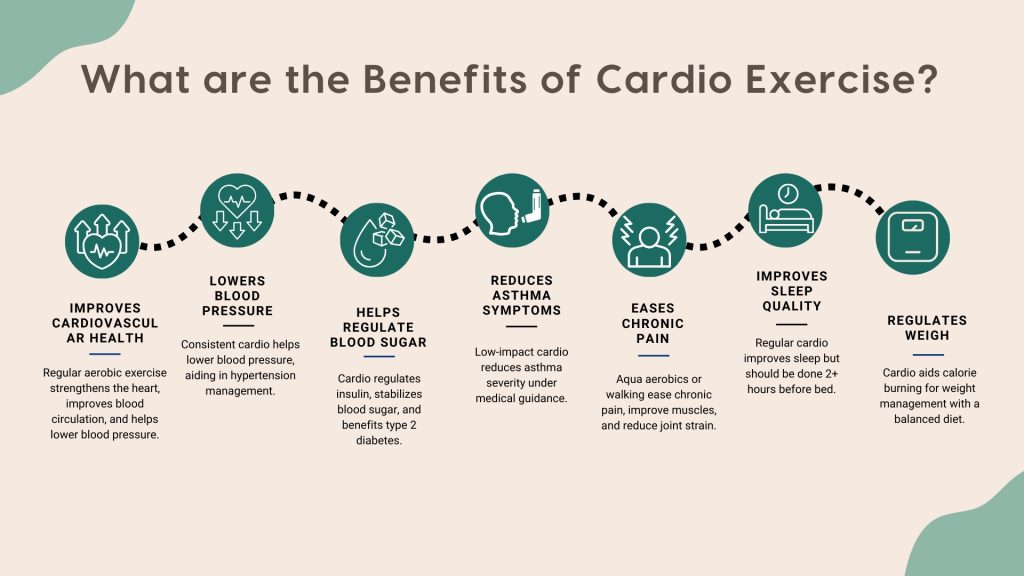
Cardio reduces blood pressure by 5 to 20 mmHg, depending on consistency, exercise type, and baseline levels. Walking, cycling, swimming, and hiking are proven winners, but adding isometric exercises like wall squats or planks can maximize your results. Aim for 150 minutes of moderate activity weekly, break it into 10-minute chunks if needed, and stay consistent. The benefits are real, rapid, and life-saving, but only if you keep moving. Always consult your doctor before starting a new routine, especially if your blood pressure is very high.