Bowflex Cardio Workout: Quick Steps
You don’t need your Bowflex machine to get a serious sweat going. Whether you’re stuck in a hotel room, short on time, or simply want a break from resistance training, a high-intensity Bowflex cardio workout can happen anywhere your body is. The secret lies in intensity, smart movement pairing, and work-to-rest ratios that keep your heart rate elevated.
This guide breaks down two proven bodyweight protocols designed to match the metabolic demand of equipment-based cardio. You’ll learn how to structure fast, effective sessions using only your bodyweight, maximize calorie burn in as little as eight minutes, and maintain proper form from start to finish. No machines. No weights. Just real results.
Pair Cardio and Core for Maximum Burn
:quality(85):extract_cover()/2024/07/09/077/n/1922729/tmp_bfPJFr_ecd510baa4251fd7_PS23_Fitness_Workout_13_Move_03_Plank_Jacks.jpg)
Combining standing cardio moves with mat-based core work keeps your heart pumping while building full-body endurance. This pairing strategy prevents your heart rate from dropping between exercises.
Structure Your Work-to-Rest Ratio
The most effective bodyweight cardio circuits follow a precise timing formula. Use 45 seconds of work followed by 15 seconds of rest, then repeat for three full rounds. This creates a 3:1 work-to-rest ratio that keeps your cardiovascular system under constant demand.
You have two flow options:
– Alternating: Perform one cardio move, then its paired core move before moving on.
– Sequential: Complete all cardio exercises first, then all core moves.
Pick whichever rhythm feels more natural for your current energy level.
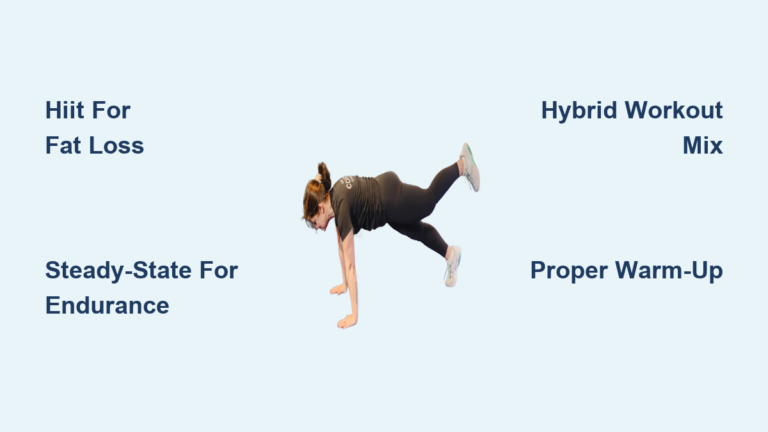
Jumping Jack + Plank Jack
Start vertical, then shift to horizontal stability. The jumping jack elevates your heart rate while the plank jack challenges your core to resist rotation as your legs move.
- Jumping Jack (45 sec): Jump feet out while raising arms overhead. Land softly with knees slightly bent.
- Plank Jack (45 sec): From a high plank position, jump feet wide and back in. Keep hips level and core braced.
Pro Tip: Exhale as your feet jump out, inhale as they return. Controlled breathing sustains performance.
Squat Cross Knee + Bicycle Crunch
Fuse lower-body power with rotational core engagement. This pair trains your quads, glutes, and obliques in a single sequence.
- Squat Cross Knee: Lower into a squat, then drive one knee across your body toward the opposite elbow. Alternate each rep.
- Bicycle Crunch: Lie on your back and bring opposite elbow to knee in a pedaling motion. Keep your lower back pressed to the floor throughout.
Form Check: Don’t let your knee collapse inward during the squat. Push your hips back and keep your chest up.
Forward Kick + V-Up
Boost dynamic leg control while activating your entire anterior core. This pairing builds hip flexor strength and abdominal endurance simultaneously.
- Forward Kick: Stand tall and kick one leg straight forward while swinging arms back like a sprinter. Alternate legs quickly.
- V-Up: Lie flat, then lift your arms and legs simultaneously to form a “V” shape. Reach your hands toward your toes, then lower slowly with control.
Avoid: Jerking your neck during the V-Up. Lead with your chest, not your head.
High Knees + Mountain Climber

Crank up the tempo with rapid knee drives in both vertical and horizontal planes. This combination torches calories while building shoulder stability.
- High Knees: Run in place, driving your knees toward chest height. Pump your arms aggressively to maximize intensity.
- Mountain Climber: From a plank position, alternate driving knees toward your chest. Keep your hips low and your back flat.
Speed Tip: The faster you move, the higher your heart rate climbs, but only if your form stays solid.
Skater + Side Plank Rotation
Train lateral power and oblique strength, two qualities often neglected in linear cardio like running or cycling.
- Skater: Step laterally to one side, swing your opposite arm across your body, and sweep your back leg behind you. Then leap or step to the other side.
- Side Plank Rotation: From a side plank, rotate your torso under and through, threading one arm beneath your body. Return to the starting position and repeat.
Balance Hack: Keep your back foot hovering one inch off the ground after each skater landing to increase the stability challenge.
Torch Calories in Just 8 Minutes
Short on time? This high-octane Bowflex cardio workout delivers sweat, stamina, and full-body engagement in just eight minutes. Three exercises form the backbone of this efficient routine.
Deceleration Squat With Knee Drives
Slow down to speed up. The controlled descent builds eccentric strength while the explosive knee drives spike your heart rate.
How to perform:
1. Stand with feet shoulder-width apart and toes slightly turned out.
2. Lower slowly over 3 to 4 seconds into a squat, pushing hips back until thighs are parallel to the floor.
3. Raise your arms forward during the descent for balance.
4. Stand up, then immediately drive your knees upward four times (two per side), pumping your arms aggressively.
5. Return immediately to the next squat repetition.
Why it works: The slow descent increases time under tension in your quads and glutes. The rapid knee drives send your heart rate soaring.
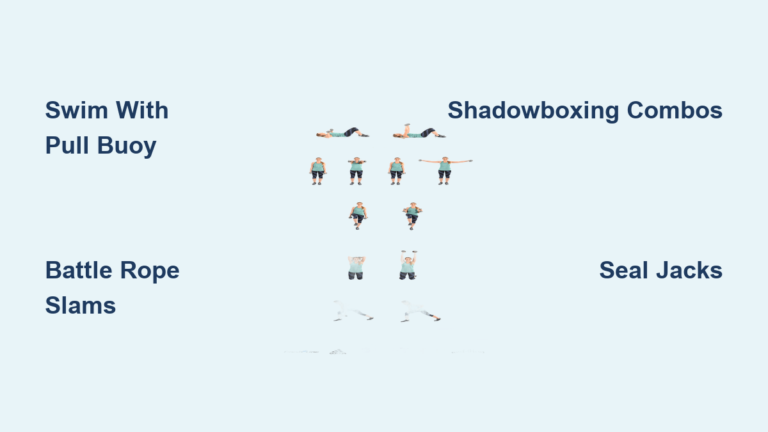
Skater Bounds for Lateral Power

Lateral movement challenges balance and burns calories fast. This exercise trains the muscles responsible for side-to-side sports performance.
- Step or hop side-to-side in a wide, athletic stance.
- Swing your opposite arm across your body with each leap.
- Land softly and focus on “sticking” the landing to train control.
- Advanced variation: Keep your back foot one inch off the ground after landing to maximize difficulty.
Beginner option: Step instead of hop. Master the movement pattern before adding impact.
One-Arm Burpees for Full-Body Intensity
This advanced variation adds anti-rotation core demand and unilateral stability to a classic move.
Execution steps:
1. Crouch down and place one hand on the floor directly under your shoulder.
2. Hop your feet back into a one-arm plank, keeping your body in a straight line from head to heels.
3. Hop your feet forward toward your hand.
4. Stand up tall.
5. Switch arms and repeat the sequence.
Modification: Use both hands in the plank position if single-arm balance feels unstable.
Form Warning: If your hips sag or twist during the plank, revert to two hands. Form always beats ego.
Dial In Intensity With Speed and Rest
You don’t need a heart rate monitor to know if you’re working hard enough. Speed and recovery are your two primary intensity controls.
Move Faster, But Stay in Control
Speed drives intensity, and the faster you move, the higher your heart rate climbs. However, speed without control leads to injury and poor results.
Rule of thumb: If your form breaks down (knees collapsing, back sagging, breath gasping uncontrollably), slow down immediately.
Sweet spot: Move as fast as you can while maintaining perfect alignment throughout every rep.
Stick to the 45/15 Timing
The 45-second work interval paired with 15 seconds of rest creates an ideal 3:1 ratio. This structure keeps your heart in the cardio-training zone without allowing full recovery.
- Why it works: Your heart never gets a chance to fully recover, so it keeps pumping hard throughout the session.
- Bonus benefit: You build both cardiovascular stamina and muscular endurance at the same time.
Time-saver: This structure fits into the tightest schedules. It’s perfect for mornings, lunch breaks, or travel days.
Scale the Workouts to Your Fitness Level
Whether you’re new to cardio or a seasoned athlete, these protocols adjust to match your current capabilities.
Modify for Safety and Success
Don’t sacrifice form for speed. Use these adjustments to match your fitness level:
- One-Arm Burpee: Use both hands in the plank position.
- Skater: Step side-to-side instead of hopping.
- High Knees: March in place with strong arm drive.
- V-Up: Perform partial sit-ups with hands behind your head.
Progression path: Once your form is solid at the modified level, gradually increase speed or duration.
Choose the Flow That Suits You
Not every body moves the same way. Pick the sequence that feels best for your current rhythm:
- Alternating flow: Great for keeping your heart rate high as you bounce between cardio and core.
- Sequential flow: Better if you prefer to power through all cardio first, then focus on core work.
Experiment: Try both styles and notice which one leaves you more breathless. That feedback tells you which flow challenges you most.
Train Anywhere With Zero Equipment
These Bowflex cardio workouts are built for real life. No gym membership required.
Perfect for Travel and Small Spaces
All you need is floor space roughly the size of a yoga mat. That makes these sessions ideal for:
– Hotel rooms
– Airport layovers
– Home living rooms
– Outdoor patios
No equipment? No problem. Your body is the most versatile fitness tool you own.
Use as Active Recovery
Swap one weekly Bowflex session for this bodyweight routine to prevent overuse injuries and add training variety.
- Maintains cardiovascular fitness without heavy loading
- Enhances core stability and balance
- Promotes blood flow without stressing your spine
Expert Tip: Schedule these bodyweight sessions on days between heavy resistance workouts to keep your body moving while allowing joints to recover.
Prevent Injury While Maximizing Results
Even without weights, high-intensity cardio carries risk if performed with poor technique.
Prioritize Form Over Speed
It feels tempting to go all-out from the start, but form is non-negotiable for long-term progress.
Warning signs to watch for:
– Hips sagging in any plank position
– Knees caving inward during squats
– Holding your breath during burpees
– Neck straining during crunches or V-Ups
Fix it: Slow down. Reset your position. Re-engage your core before continuing.
Master the Deceleration Phase
The slow squat descent builds functional strength and joint control. Never rush this portion of the movement.
- Take 3 to 4 seconds to lower into the squat
- Keep your chest up and your back neutral
- Push your hips back like you’re sitting into a chair
Why it matters: Eccentric strength protects your joints and boosts your power output during explosive movements.
Achieve Real Results in Minimal Time
You don’t need hours to get fit. These workouts prove that intensity beats duration every time.
What to Expect From Each Session
Even an 8-minute session can deliver meaningful results:
– Elevated heart rate and oxygen consumption
– Heavy sweating and significant calorie burn
– Improved coordination and balance
– Core endurance gains
User feedback: Many report feeling like they “just left the gym” after completing one full round.
Stay Consistent With Short Bursts
Short workouts lead to higher adherence rates. Here’s how to make them stick:
- Perform the routine daily or on alternating days
- Pair with your regular Bowflex strength sessions
- Use as a warm-up or finisher to other workouts
Pro Strategy: Add one 8-minute session in the morning and notice improved energy levels throughout your entire day.
Frequently Asked Questions About Bowflex Cardio Workouts
Can You Get a Good Cardio Workout Without a Bowflex Machine?
Yes. Bodyweight protocols using high-intensity intervals and proper work-to-rest ratios can match the cardiovascular demand of equipment-based training. The key is maintaining intensity through speed and movement complexity.
How Long Should a Bodyweight Cardio Session Last?
Effective sessions can range from 8 minutes for time-efficient routines to 20 to 30 minutes for full circuits. Duration matters less than intensity. A focused 8-minute session with maximum effort can outperform a leisurely 45-minute workout.
What Is the Best Work-to-Rest Ratio for Cardio?
A 45-second work interval with 15 seconds of rest (3:1 ratio) keeps your heart rate elevated without full recovery. This ratio maximizes cardiovascular training while building muscular endurance simultaneously.
How Often Should You Do Bodyweight Cardio Workouts?
Three to five sessions per week works well for most fitness levels. You can also use these protocols as active recovery between heavier Bowflex resistance sessions to maintain cardiovascular fitness without overloading your joints.
Do You Need Any Equipment for These Workouts?
No equipment is required. All you need is enough floor space to lie down and move freely. A yoga mat adds comfort but is optional.
Can Beginners Do These Workouts Safely?
Yes, with modifications. Beginners should step instead of hop during skaters, use both hands during burpees, and march instead of run during high knees. Focus on mastering form before increasing speed.
Final Takeaways for Your Next Bowflex Cardio Session
You don’t need your Bowflex machine to get a powerful cardio workout. With smart exercise pairing, high-intensity intervals, and bodyweight mastery, you can torch calories, build endurance, and strengthen your core from anywhere.
Use the 45/15 circuit for a balanced cardio-core blast when you have 15 to 20 minutes available. Choose the 8-minute deceleration routine when time is tight but you still want maximum output. Modify exercises as needed, prioritize form above all else, and push speed only when your control allows it.
Your next great cardio session isn’t waiting for a machine. It’s waiting for you to start.