Beginner Cardio Workout Guide
Starting a cardio routine can feel intimidating, especially if you haven’t exercised in years or ever. The good news is that a beginner cardio workout doesn’t need to be intense, long, or complicated to deliver real results. Whether your goal is to lose weight, boost energy, or improve heart health, the right plan builds stamina gradually, protects your joints, and keeps you coming back. This guide gives you a clear roadmap based on proven methods, accessible exercises, and simple intensity monitoring, so you can start strong and stay safe from day one.
You’ll learn how to choose the right activity, measure effort without fancy equipment, follow structured routines, and avoid the common mistakes that derail most beginners.
Pick the Best Cardio Type for Your Body and Goals
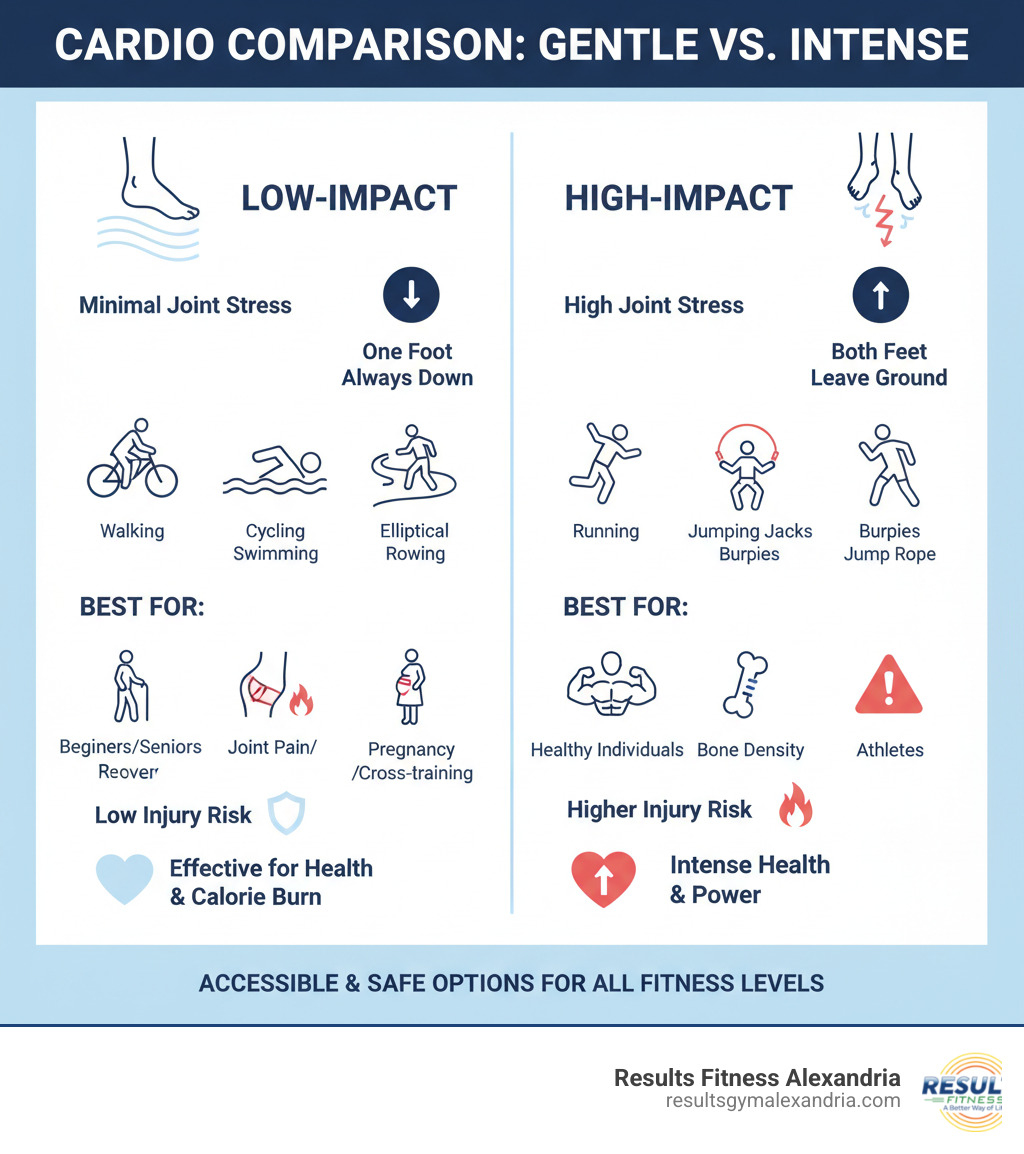
Enjoyment is the strongest predictor of consistency. The best beginner cardio workout is one you’ll actually do, so match the activity to your fitness level, joint health, and personal preferences.
Low-Impact Options for Joint Safety
Low-impact cardio reduces stress on your knees and hips while still strengthening your heart. These are ideal if you’re overweight, recovering from injury, or completely new to exercise.
Walking is the simplest and most effective starting point. No equipment is needed. Begin with 10 to 15 minutes daily and use a phone or pedometer to track steps. Aim to build toward 7,000 to 10,000 steps per day over time. Walk at a pace where you can talk but not sing, which signals you’re in your aerobic zone.
Cycling protects your joints while building leg strength. Use a stationary bike at home or visit a gym. Outdoors, always wear a helmet and stick to bike lanes. Adjust the seat so your leg is nearly straight at the bottom of the pedal stroke. Start with 10 to 20 minutes at a moderate effort.
Elliptical training mimics running without the impact. Use both arms and legs for full-body engagement. Keep your posture tall and avoid leaning on the handles. Begin with 10 to 15 minutes and increase weekly.
Swimming and water aerobics are excellent for seniors, pregnant individuals, or those with arthritis. Water supports your body weight while providing natural resistance. Even walking in chest-deep water counts as effective cardio.
Moderate-Impact Activities for Faster Progress
Once you’ve built a base, moderate-impact options boost calorie burn and aerobic capacity.
Jogging and running start with a run/walk method. Jog for 1 to 2 minutes, then walk for 2 minutes. Repeat for 15 to 20 minutes total. Use a conversational pace; if you can’t speak in full sentences, slow down. Run every other day to allow recovery, and add 1 minute of jogging per session each week.
Dancing is fun and effective. Try beginner Zumba, YouTube dance workouts, or freestyle movement at home. Keep moving continuously for at least 10 minutes to elevate your heart rate. It’s great for coordination and mood.
Rowing delivers a full-body, low-impact workout with high calorie burn. On a rowing machine, use proper form: push with your legs first, hinge back, then pull with your arms. Reverse the motion to return. Start with 5 to 10 minutes and avoid rounding your back.
Beginner-Friendly HIIT and Circuits
High-intensity interval training (HIIT) and bodyweight circuits deliver fast results in less time, but they must be scaled down for beginners.
Bodyweight circuits require no equipment. Pick 5 to 6 moves like step jacks, high knees, butt kicks, standing oblique twists, and lateral shuffles. Do each for 30 seconds, rest 30 seconds, and repeat for 3 rounds. Total time is about 15 minutes.
Beginner HIIT uses a 1:1 work-to-rest ratio. For example, do 30 seconds of jumping jacks (step instead of jump if needed), then 30 seconds of rest, followed by 30 seconds of high knees and another 30 seconds of rest. Repeat 4 times for a 16-minute session. Limit this to 1 to 2 times per week, never on consecutive days.
Monitor Your Intensity Without Equipment
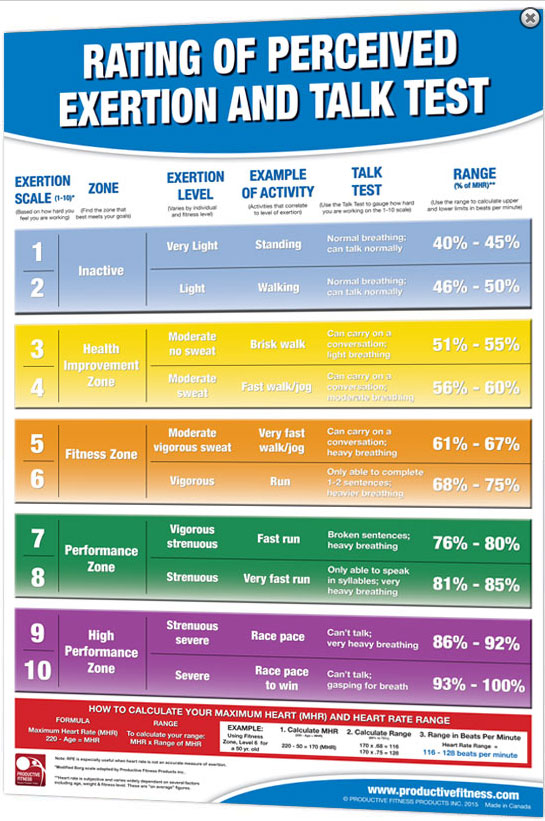
You don’t need a heart rate monitor to train effectively. These simple, reliable methods keep you in the fat-burning, stamina-building zone.
Use the Talk Test
This is your most practical tool. During moderate cardio, you should be able to talk in short sentences but not sing a full song. If you’re gasping for air, slow down immediately. This keeps you in the aerobic zone, where your body burns fat efficiently and builds endurance safely.
Rate of Perceived Exertion (RPE)
Rate your effort on a scale from 1 to 10:
- RPE 1 to 3: Light effort (warm-up or cool-down)
- RPE 4 to 5: Moderate effort (ideal for most beginner workouts)
- RPE 6: Challenging but sustainable
- RPE 7 and above: Too hard for now
Aim for RPE 4 to 5 during steady-state cardio. Push to RPE 6 only during short intervals.
Target Heart Rate Zones
If you have a monitor, stay between 50 and 70 percent of your maximum heart rate. Estimate your max with this formula: 220 minus your age equals max beats per minute. For example, a 35-year-old has a max of 185 bpm, making the target zone 93 to 130 bpm. Use this for accuracy, but trust how you feel first.
Follow These Starter Workout Routines
Begin with one of these structured routines. Each builds confidence, improves fitness, and prevents burnout.
13-Minute Walking Workout
Perfect for absolute beginners or those restarting after a break.
- 0 to 3 minutes: Warm up with a slow, comfortable walk. Focus on posture.
- 3 to 7 minutes: Pick up the pace to a brisk walk at RPE 5. Let your arms swing naturally.
- 7 to 10 minutes: Slow slightly for recovery at RPE 4.
- 10 to 13 minutes: Cool down with a slow walk at RPE 3.
- After: Stretch your calves, hamstrings, and quads.
Progress: Add 2 minutes weekly until you reach 30 minutes of continuous walking.
10-Minute Stationary Bike Routine
Ideal for joint-sensitive beginners or indoor training.
- 0 to 3 minutes: Warm up at low resistance and RPE 3 to 4.
- 3 to 7 minutes: Increase resistance slightly. Maintain rhythm at RPE 5.
- 7 to 10 minutes: Cool down by reducing resistance to RPE 3.
- After: Stretch your calves and quads.
20-Minute Home Cardio (No Equipment)
Great for small spaces, pregnancy, or bad weather. Do each exercise for 45 seconds, then rest 15 seconds:
- Squat and overhead punch
- Standing hamstring curl
- Heel tap jump rope
- High knee skips
- Lateral squat walks
- Star jacks
- Jab and tap
- Sumo squat and reach
- Lateral shuffles
- Oblique knee drive
Result: About 1,000 steps and an elevated heart rate in 20 minutes.
35-Minute Endurance Builder
For those ready to extend duration.
- 0 to 5 minutes: Warm up at RPE 3 to 4.
- 5 to 10 minutes: Establish a moderate baseline at RPE 5.
- 10 to 15 minutes: Push slightly to RPE 6.
- 15 to 20 minutes: Recover at RPE 5.
- 20 to 25 minutes: Push again to RPE 6.
- 25 to 30 minutes: Recover at RPE 5.
- 30 to 35 minutes: Cool down at RPE 3 to 4.
For weight loss: Add 5-minute blocks weekly up to 60 minutes.
Start Running Without Injury
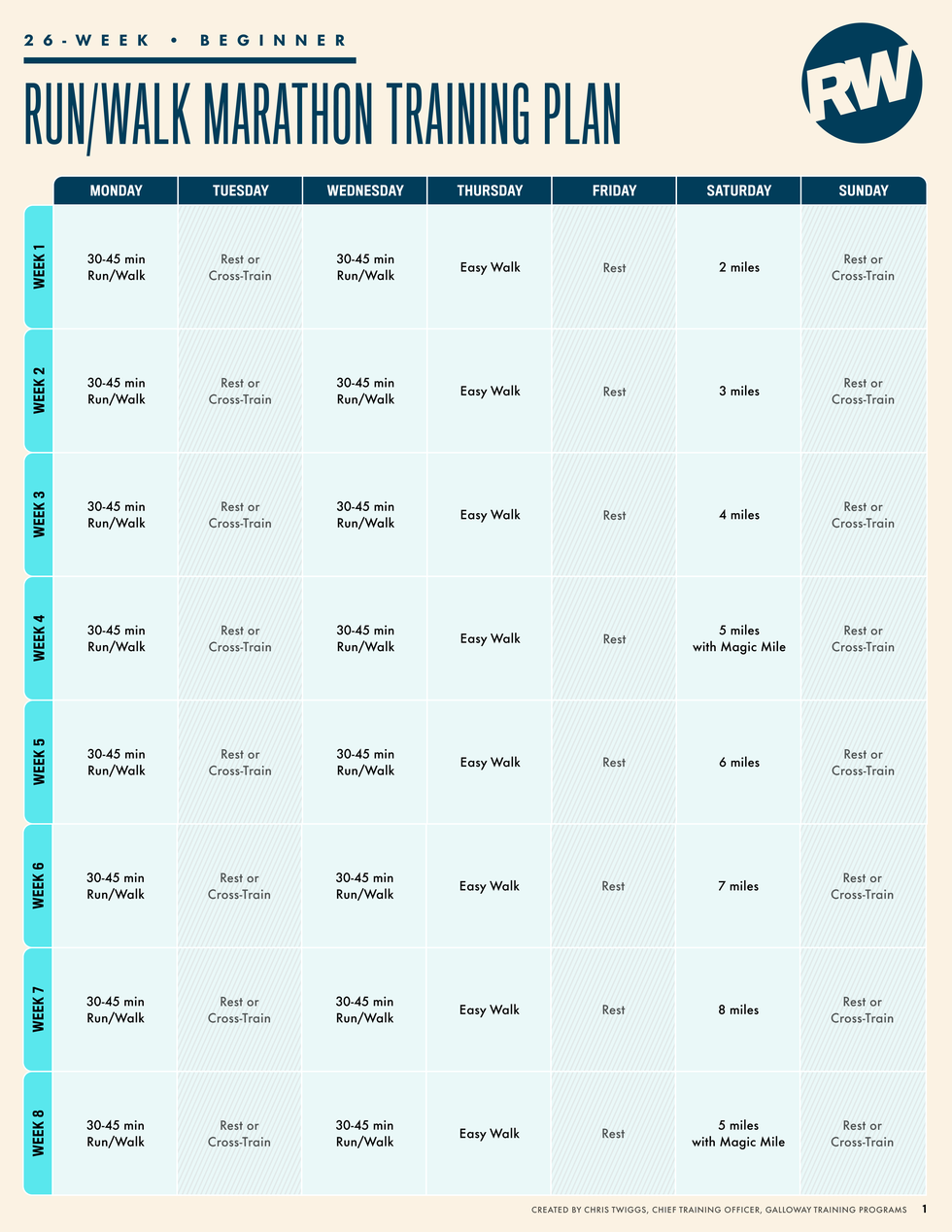
Running is powerful, but starting too hard causes pain and dropout. Follow this phased plan.
Phase 1: Prepare Your Body and Mind
- Footwear: Buy supportive running shoes. Visit a specialty store if possible.
- Clothing: Wear moisture-wicking fabric for comfort.
- Surface: Choose trails, tracks, or treadmills over concrete.
- Expectation: Focus on consistency, not speed or distance.
Phase 2: First Three Sessions
- Time: 15 to 20 minutes total
- Method: Jog 1 minute, walk 2 minutes. Repeat 6 to 7 times.
- Pace: Conversational. If breathless, walk longer.
- Form: Take short, quick steps. Keep an upright posture and swing your arms naturally.
Phase 3: Weekly Progression
Each week, add 1 minute of jogging and reduce walking by 1 minute. For example, Week 1 is 1 minute jog and 2 minutes walk, while Week 4 is 4 minutes jog and 2 minutes walk.
Goal: 30 minutes of continuous jogging in 6 to 8 weeks.
Phase 4: Handle Side Stitches
Prevent: Don’t eat 2 hours before running. Sip water and avoid large gulps.
Fix: Stop and walk slowly. Breathe deeply and press on the painful area. Resume at a slower pace once it subsides.
Build a Sustainable Weekly Routine

Consistency beats intensity. Use this sample schedule to stay on track:
- Monday: 13-minute walk or bike
- Tuesday: Rest or light stretching
- Wednesday: 20-minute home cardio
- Thursday: Rest
- Friday: 15-minute walk plus 5-minute jog
- Saturday: 35-minute endurance session
- Sunday: Rest
Aim for 3 to 4 days per week and allow rest between runs.
Track Progress Without Obsession
Use simple metrics:
- Duration: Can you go longer without stopping?
- Perceived effort: Does RPE 5 feel easier now?
- Recovery: Less soreness and more energy?
Avoid daily weigh-ins. Focus instead on how your clothes fit and how you feel overall.
Prevent Overtraining
Watch for these warning signs:
- Persistent fatigue
- Trouble sleeping
- Irritability
- Joint pain
Solution: Take 2 to 3 full rest days. Reduce intensity and hydrate well.
Avoid Common Beginner Mistakes
Small errors can derail your progress. Steer clear of these pitfalls.
Starting Too Hard
“Too much, too soon” is the top reason beginners quit. Don’t run 20 minutes on day one or do 100 jumping jacks. Begin gently and progress slowly.
Skipping Recovery
Muscles strengthen during rest, not during exercise. Never run two days in a row as a beginner. Take at least one full rest day between cardio sessions.
Poor Form Habits
- Holding treadmill rails kills posture and reduces calorie burn.
- Overstriding while running causes braking and joint stress.
- Slouching during circuits increases back strain.
Fix: Record yourself or ask a trainer for feedback.
Ignoring Strength Training
Cardio alone leads to muscle loss over time. Add bodyweight squats, lunges, or resistance bands 2 times per week. Stronger muscles mean better endurance and injury protection.
Dehydration and Poor Timing
- Drink water before, during (if over 30 minutes), and after workouts.
- Wait 2 hours after a large meal before intense cardio.
- A light snack like a banana or toast 30 to 60 minutes before is fine.
Stay Motivated for the Long Haul
Fitness is a marathon, not a sprint. Use psychology to stay consistent.
Find Your “Why”
Ask yourself why you want to do cardio. More energy? Lower blood pressure? Playing with your kids without getting winded? Write it down and review it when motivation dips.
Make It Enjoyable
If you hate running, don’t run. Try dancing, cycling, or swimming instead. Enjoyment predicts adherence better than any fitness tracker.
Use Accountability Tools
- Workout buddy: Meet a friend weekly.
- Fitness app: Try Strava, MyFitnessPal, or Apple Health.
- Schedule it: Treat workouts like non-negotiable appointments.
Celebrate Small Wins
Finished your first 10-minute jog? Celebrate. Completed a full week? Reward yourself with something non-food. Progress is progress, no matter how small.
Modify Your Plan for Special Situations

Tailor your approach to your body and life stage.
Joint Pain or Injury
Stick to low-impact options like swimming, cycling, elliptical, or walking. Avoid jumps and step out instead of jumping in circuits.
Weight Loss Focus
- Increase duration to 45 to 60 minutes most days.
- Add intervals like 1-minute brisk walk followed by 1-minute slow walk.
- Pair your routine with solid nutrition, since diet drives most weight loss results.
Limited Time
Use micro-workouts:
- Three 10-minute walks
- One 15-minute HIIT session
- 1,000 steps every 2 hours
You can hit 150 weekly minutes without long sessions.
Pregnancy or Postpartum
- Safe options: Walking, swimming, recumbent bike
- Avoid: Anything with a high risk of falling, jumping, or abdominal pressure
- Consult your doctor before starting any new routine
Seniors
Focus on heart health, balance, and mobility. Best options include walking, water aerobics, and recumbent bikes. Add light resistance training for strength.
Frequently Asked Questions About Beginner Cardio Workouts
How often should beginners do cardio each week?
Aim for 3 to 4 sessions per week, with rest days between them. If you’re running, never do it on consecutive days as a beginner. This schedule allows your body to recover and adapt while building consistency.
What is a good beginner cardio workout for weight loss?
Start with 20 to 30 minutes of moderate-intensity cardio like brisk walking, cycling, or home circuits. Gradually extend duration to 45 to 60 minutes and add short intervals of higher intensity. Pair your workouts with proper nutrition for the best results.
Can I do cardio every day as a beginner?
It’s better to take rest days, especially when starting out. Muscles and your cardiovascular system need time to recover and strengthen. Three to four days per week with rest in between is safer and more sustainable than daily sessions.
How do I know if my cardio intensity is too high?
Use the talk test. If you can’t speak in short sentences without gasping, you’re working too hard. Slow down until you can maintain a conversation. You should feel challenged but not exhausted.
What should I eat before a beginner cardio workout?
Wait at least 2 hours after a large meal before doing intense cardio. A light snack like a banana or toast 30 to 60 minutes before is fine if you’re hungry. Stay hydrated by sipping water before and during your session.
Is walking enough of a workout for beginners?
Absolutely. Walking is one of the most effective and accessible forms of cardio. Starting with 10 to 15 minutes daily and building to 30 minutes of brisk walking provides significant cardiovascular, mental, and metabolic benefits.
Key Takeaways for Starting Your Beginner Cardio Journey
Beginner cardio is about building a habit, not chasing performance goals. Start with what feels manageable, whether that’s walking, light cycling, or simple home circuits. Use the talk test and RPE scale to stay in the right intensity zone without needing equipment. Follow structured routines that grow with you, and avoid the trap of doing too much too soon.
Stay consistent, listen to your body, and celebrate every small win. Over time, your stamina, mood, and overall health will improve naturally and sustainably. The best workout is the one you can stick with. Start today.