Best Treadmill Settings for Cardio (2026 Guide)
Finding the best treadmill setting for cardio isn’t about chasing the fastest speed or steepest incline. It’s about matching intensity to your goals while keeping your heart rate in the optimal 60–80% zone for cardiovascular development. The most effective treadmill workouts combine incline, pace, and time to challenge your heart efficiently without sacrificing form or joint health.
This guide breaks down the exact settings, protocols, and heart rate targets that deliver real results. Whether you’re a beginner building stamina or an advanced athlete chasing VO2 max, you’ll find science-backed configurations you can apply to your next session.
Why Incline Beats Speed for Heart Health

Flat treadmill running increases impact without necessarily boosting cardiovascular efficiency. Walking or running on an incline forces your body to work against gravity, increasing energy demand by 52% at 5% incline and 113% at 10% compared to flat ground. This added resistance elevates heart rate faster, recruits more muscle (especially glutes, hamstrings, and calves), and burns more calories while allowing you to maintain a safe, joint-friendly pace.
High-speed sprints spike heart rate quickly but often compromise form and increase injury risk. Incline training delivers steady, sustainable intensity, making it ideal for building endurance and improving heart function over time.
Ideal Incline Range by Goal
- Weight loss and calorie burn: 5% to 12%
- Beginner stamina: 3% to 5%
- Advanced conditioning: Up to 15% (or 40% on incline trainers)
- Low-impact cardio: 5% to 10% at 2–4 mph
For most users, a 5–10% incline at a moderate pace of 3.5–5 mph hits the sweet spot. It’s challenging enough to raise heart rate but sustainable for 20+ minutes.
Avoid the Zero-Incline Plateau
Sticking to 0% incline trains your body too efficiently, leading to plateaus. Even a 1% incline mimics outdoor terrain and prevents adaptation. Rotate incline levels weekly to keep your heart and muscles responsive.
Target Heart Rate: Your Real Cardio Metric
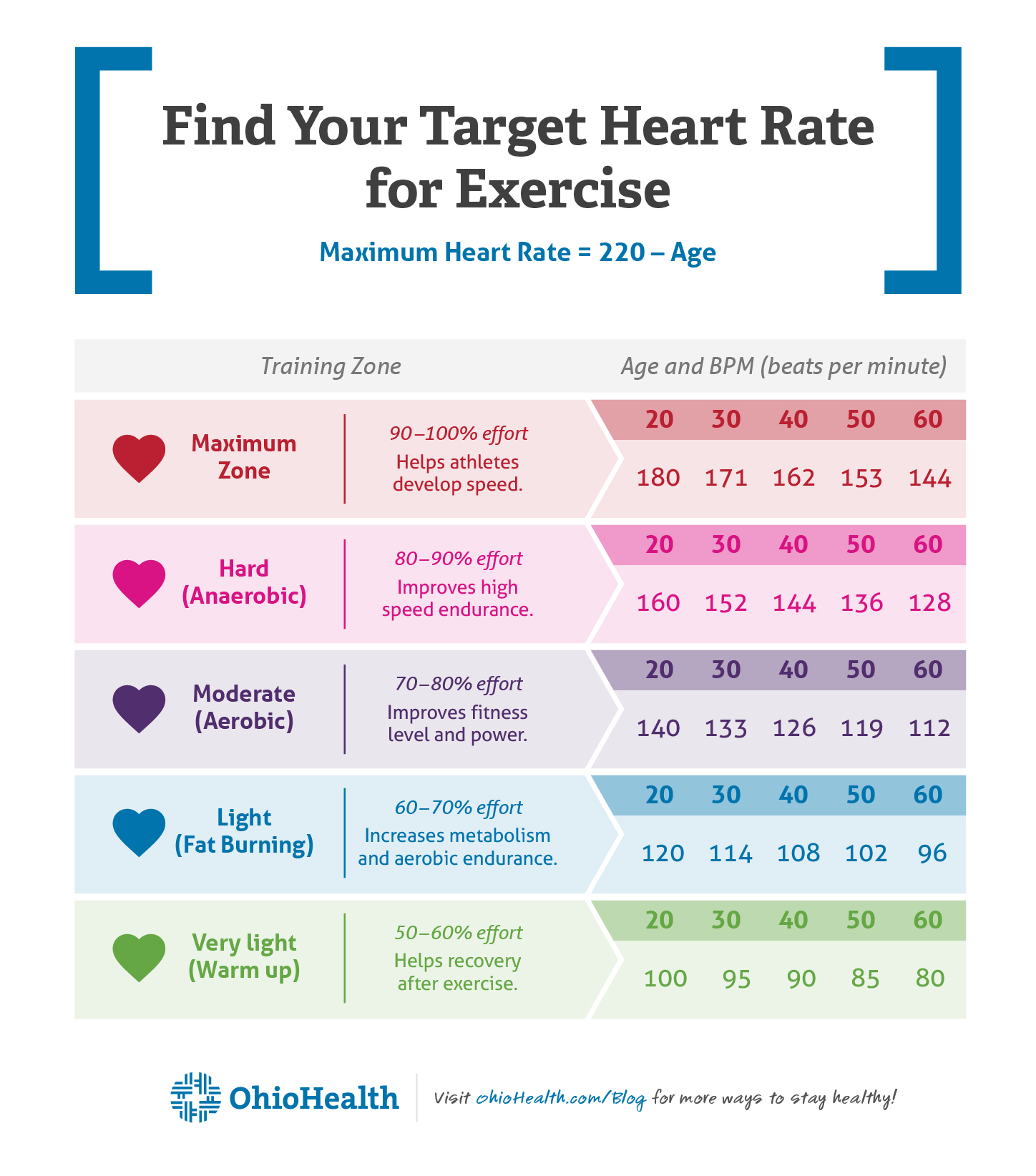
The best treadmill workout keeps your heart in the 60–80% maximum heart rate (MHR) zone. This is where fat burning, cardiovascular adaptation, and endurance gains peak.
Calculate Your Ideal Zone
- Subtract your age from 220 to get MHR (age 40 = 180 bpm)
- Multiply by 0.6 and 0.8 to find your range (108–153 bpm for age 40)
Use this number to guide your speed and incline adjustments, not the other way around.
Use RPE When No Monitor Is Available
No chest strap or wrist sensor? Use the Rate of Perceived Exertion (RPE) scale from 0 to 10.
- RPE 6–7 feels challenging but sustainable
- You can speak short sentences but not sing
- Breathing is deep and consistent
If you’re gasping or zoning out, you’re too high. If you’re bored, you’re too low.
Check Pulse Mid-Workout
Pause briefly and count your wrist pulse for 10 seconds, then multiply by 6. Do this every 5–10 minutes to stay on target. Adjust incline or speed in small increments to fine-tune intensity.
5 Proven Treadmill Cardio Workouts
12-3-30: The No-Think Fat Burner
Best for: Beginners, joint-sensitive users, consistent calorie burn
Settings: 12% incline, 3 mph, 30 minutes
Structure:
– Warm-up: 5 min at 0% incline, 3.1 mph
– Main: 30 min at 12% incline, 3 mph
– Cool-down: 5 min at 1% incline, 2.5 mph
This viral protocol builds endurance without requiring running. Expect to burn 200–300 calories in 30 minutes depending on weight and fitness.
Pro Tip: If 12% feels too steep, start at 8% and work up. Consistency beats perfection.
20-Minute Progressive Incline Climb
Best for: Steady-state cardio, building stamina, heart health
Structure:
– Warm-up: 5 min at 0% incline, 3.1 mph
– Segment 1: 5 min at 3% incline, 3.1 mph
– Segment 2: 5 min at 5% incline, 3.4 mph
– Segment 3: 5 min at 7% incline, 3.7 mph
– Cool-down: 5 min at 0% incline, 2.5 mph
This gradual overload keeps your heart rate climbing steadily. It’s ideal for hitting and maintaining your target zone without burnout.
HIIT Fat-Burning Intervals
Best for: Time-crunched users, maximum calorie burn, afterburn effect
Structure:
– Warm-up: 5 min at 0% incline, 3.1 mph
– Repeat 5 times:
– High: 1 min at 5% incline, sprint pace (RPE 8–9)
– Recovery: 2 min at 1% incline, 2.5 mph walk
– Cool-down: 5 min at 0% incline, 2.5 mph
HIIT burns up to 30% more calories than steady-state and keeps your metabolism elevated for hours. Use this 2–3 times per week, never back-to-back.
Warning: Don’t skip warm-up or recovery. Overdoing HIIT leads to burnout and injury.
Treadmill Hike Simulation
Best for: Low-impact cardio, glute activation, outdoor prep
Settings: 5–10% incline, 2–4 mph, 10–20 minutes
No speed spikes, just steady resistance. This mimics mountain hiking and works well for users with knee issues or those training for trail events.
Speed Ladder (Pyramid) Workout

Best for: Advanced users, VO2 max, speed endurance
Structure:
– Warm-up: 5 min walk or jog
– Climb: Start at 6 mph, increase 0.5 mph every minute until max effort
– Peak: Hold max speed for 2 minutes
– Descent: Decrease 0.5 mph every minute back to start
– Cool-down: 5 min walk
Beginner version: 3 min climb, 2 min peak, 3 min descent
This pushes cardiovascular limits safely. Track your peak speed weekly to measure progress.
Customize Settings by Fitness Level
Beginners: Build Stamina Safely
Start with 3% incline at 3.1 mph for 10–16 minutes. Use the Beginner Incline Stamina Builder:
- Warm-up: 3 min at 0%, 3.1 mph
- Main: 10 min at 3%, 3.1 mph
- Cool-down: 3 min at 0%, 2.5 mph
Your goal is to hit 20 minutes in your target heart rate zone within 4–6 weeks. Avoid jumping into 12-3-30 too soon. Start at 5–8% incline if needed.
Weight Loss Seekers: Maximize Calorie Burn
Focus on incline plus intervals and total energy expenditure. Best protocols include 12-3-30 (3x/week), HIIT intervals (2x/week), or a hybrid approach alternating 5 min flat with 3 min at 8% incline.
No treadmill setting overrides poor nutrition. Cardio supports a calorie deficit; it doesn’t create it alone. Track progress by weighing weekly, measuring your waist, and noting endurance gains, not just scale numbers.
Cardiovascular Health Focus: Sustain the Zone
Aim for 20+ minutes at 60–80% MHR, 3+ days per week. Best workouts include the Progressive Incline Climb, Steady Treadmill Hike at 7% and 3.5 mph for 25 minutes, or the Calorie Burner Hybrid with RPE 6–7 cycles.
Monitor heart rate every 5 minutes and adjust incline up or down 1% to stay in zone. Your long-term aim is 150 minutes of moderate-to-vigorous cardio weekly.
Advanced Athletes: Push Limits
Use max incline (15–40%), high-speed pyramids up to 8–10 mph, and decline running if your machine supports -6%.
Sample advanced HIIT:
– 30 sec sprint at 10% incline, max speed
– 90 sec recovery at 1%, 3 mph
– Repeat 8 times
Cross-train with strength work like lunges, planks, and squats 2x per week to prevent overuse injuries.
Safety, Form, and Long-Term Success
Maintain Proper Posture
- Stand tall with shoulders back and eyes forward
- Don’t lean on handrails; this reduces calorie burn by up to 30% and ruins form
- Engage your core to stabilize your pelvis and reduce lower back strain
If you’re holding on, the incline or speed is too high.
Use the Safety Key
Always clip the magnetic safety key to your shirt. It stops the belt instantly if you fall or lose balance, especially important during high-incline or HIIT sessions.
Hydrate and Fuel Smart
- Drink water before, during (if over 30 min), and after your session
- For sessions over 45 min, consider a small carb-protein snack post-workout
- Avoid heavy meals 1–2 hours before cardio
Prevent Overtraining
Limit HIIT to 2–3 sessions per week. Schedule rest or low-intensity steady-state (LISS) days in between. Listen to your body: soreness is normal, but sharp pain is not.
Equipment Matters: Know Your Treadmill
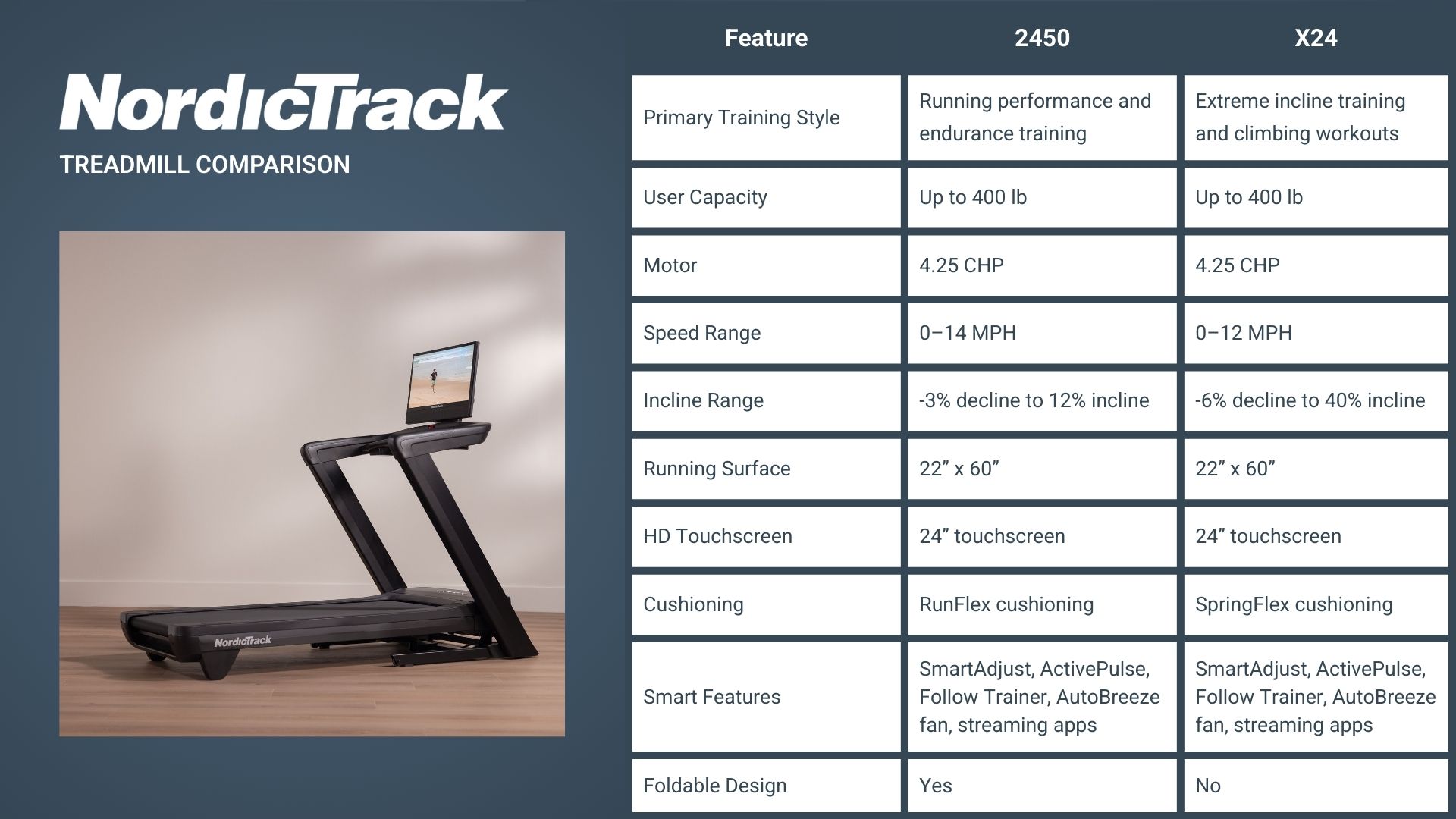
Standard vs. Incline Trainers
- Standard treadmills: 0–15% incline, sufficient for most users
- Incline trainers (e.g., NordicTrack X24): -6% to 40%, ideal for advanced training, rehab, and serious cardio gains
Higher inclines let you simulate mountain terrain without high speed, reducing joint load.
Use Interactive Features
Treadmills with Bluetooth heart rate sync, iFIT, or Peloton auto-adjust incline and speed based on live coaching. This removes decision fatigue and ensures proper pacing.
Cushioning Protects Joints
Look for deck suspension systems that absorb impact, especially if you run frequently. A well-cushioned belt reduces stress on knees and hips compared to pavement.
Frequently Asked Questions About Treadmill Cardio
What is the best treadmill setting for cardio and fat loss?
The best treadmill setting for cardio and fat loss combines incline with intervals. A 5–12% incline at 3–4 mph for 20–30 minutes, or HIIT protocols alternating sprints with recovery walks, maximizes calorie burn while keeping heart rate elevated.
How do I calculate my target heart rate for treadmill cardio?
Subtract your age from 220 to find your maximum heart rate. Multiply by 0.6 and 0.8 to find your target zone. For a 40-year-old, that’s 108–153 bpm. Adjust speed and incline to stay within this range.
Is walking on an incline better than running for cardio?
Incline walking at 5–10% can match or exceed the cardiovascular benefits of flat running while reducing joint impact. At 10% incline, energy expenditure increases by 113% compared to flat walking, making it highly effective for heart health.
How long should a cardio session be on a treadmill?
Aim for 20–30 minutes of continuous effort in your target heart rate zone. Beginners can start with 10–16 minutes and gradually build up. The weekly goal is 150 minutes of moderate-to-vigorous cardio.
How often should I do HIIT on a treadmill?
Limit HIIT to 2–3 sessions per week with rest or low-intensity days in between. HIIT is intense and requires recovery. Overdoing it leads to burnout, injury, and diminished returns.
Do I need a special treadmill for effective cardio?
A standard treadmill with 0–15% incline works for most users. Advanced incline trainers offering -6% to 40% provide more variety and higher resistance options but aren’t necessary for beginners or intermediate users.
Key Takeaways for Choosing the Best Treadmill Setting for Cardio
The best treadmill setting for cardio is the one you can sustain consistently with proper form, at the right intensity, for 20+ minutes, 3+ times per week. Focus on heart rate (60–80% MHR) over speed, use incline to challenge your body without joint stress, and rotate protocols to prevent plateaus.
Start where you are, progress gradually, and pair your efforts with good nutrition. Whether you choose 12-3-30, progressive climbs, or HIIT intervals, showing up and staying in your target zone will build a stronger heart, leaner body, and greater stamina one step at a time.