7 Key Advantages of Cardio Exercises
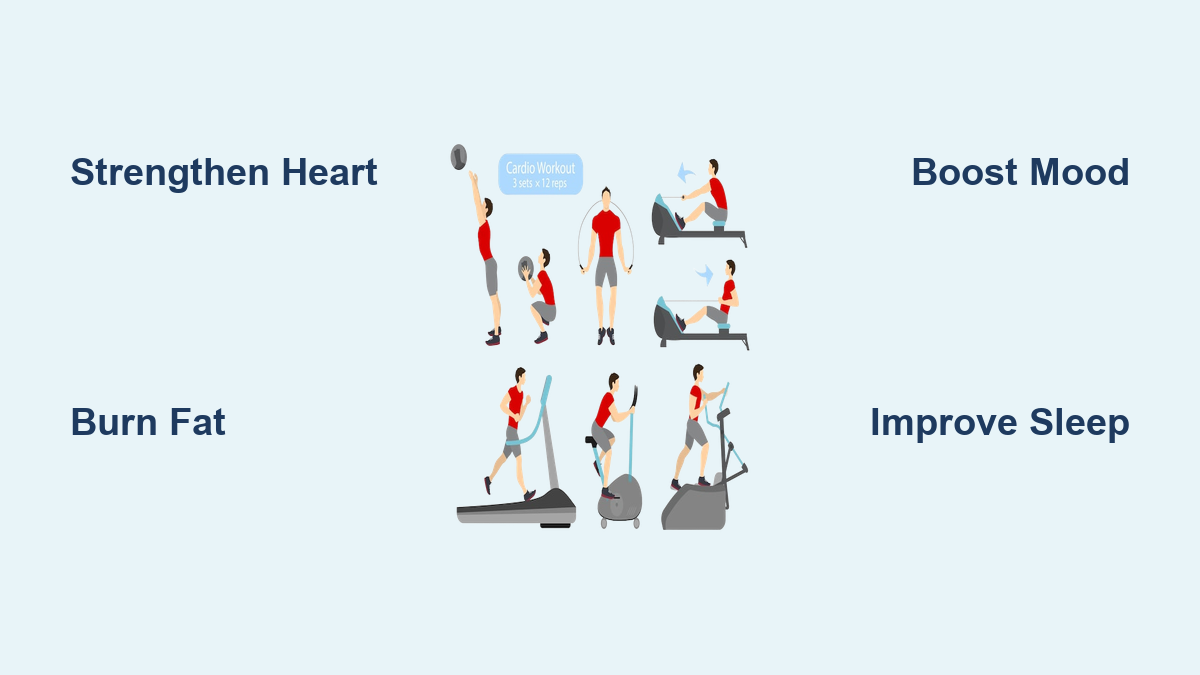
Cardio exercises are among the most effective ways to boost overall health, yet millions overlook their full potential. Whether it is brisk walking, cycling, swimming, or dancing, aerobic activity strengthens your heart, sharpens your mind, and enhances daily energy. The advantages of cardio exercises go far beyond weight loss; they reshape your body’s biology, protect against disease, and improve mental well-being. From lowering blood pressure to reducing anxiety and even slowing brain aging, cardio delivers measurable, science-backed results.
In this guide, you will discover exactly how cardio transforms your health from the inside out and how to use it strategically for long-term vitality.
Strengthen Your Heart Naturally
Improve Heart Muscle Efficiency
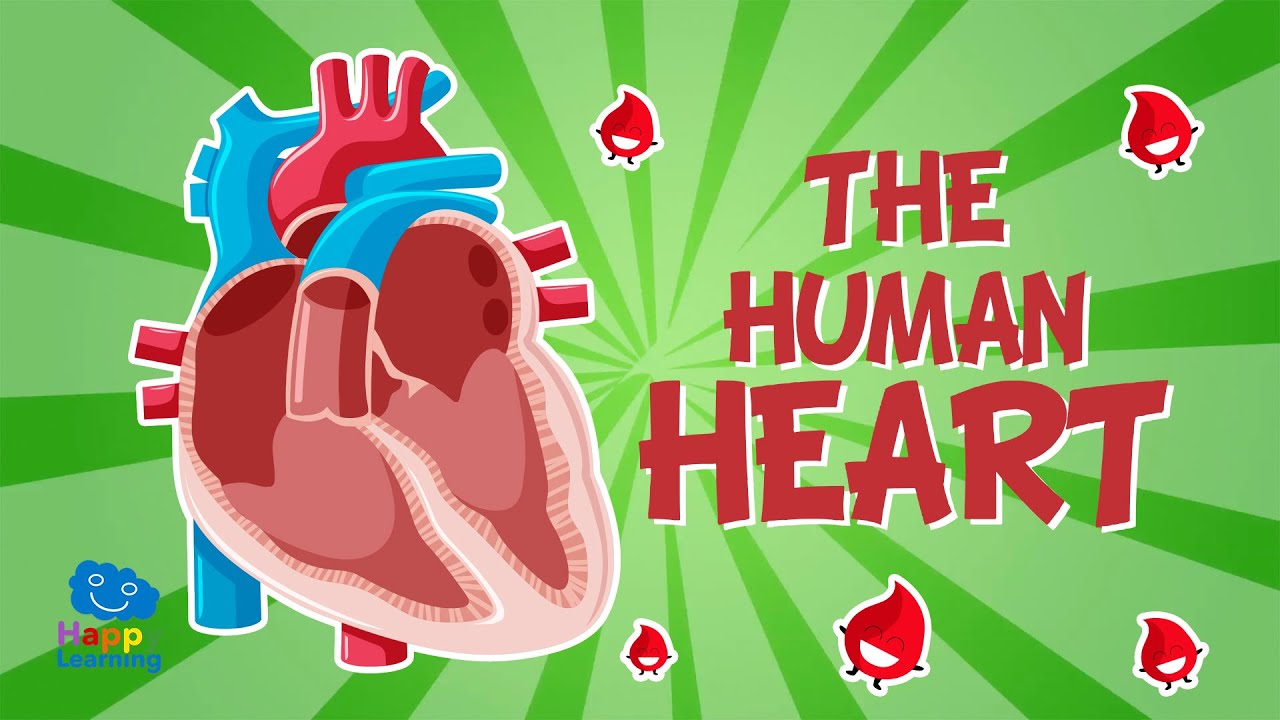
Regular cardio exercise trains your heart to pump blood more effectively. As you engage in aerobic activity, the heart adapts by becoming stronger and more efficient, requiring fewer beats to circulate blood. This leads to a lower resting heart rate, a key marker of cardiovascular fitness. Over time, this reduced workload helps preserve heart tissue and delays age-related stiffening, especially when exercise begins in midlife. Studies show dedicated training can restore flexibility in the heart muscle, lowering the risk of heart failure.
Lower Blood Pressure and Cholesterol
Cardiovascular workouts directly combat two major risk factors: high blood pressure and unhealthy cholesterol levels. Exercise improves blood vessel elasticity, allowing them to expand and contract more easily, which reduces arterial strain. Simultaneously, aerobic activity increases HDL (“good” cholesterol) while decreasing LDL (“bad” cholesterol), reducing plaque buildup in arteries. For optimal results, aim for 40 minutes of moderate-to-vigorous cardio, 3 to 4 times per week, to see significant improvements in both blood pressure and lipid profiles.
Burn Fat and Control Weight

Boost Calorie Burn and Metabolism
One of the most well-known advantages of cardio exercises is their ability to burn calories and support weight loss. To lose 4% to 6% of body weight over 10 months, research suggests burning 400 to 600 calories per session, five times a week, equivalent to walking or jogging up to 4 miles depending on pace and body weight. But the benefits do not stop during the workout. Cardio elevates your metabolic rate, helping your body convert food into energy more efficiently even at rest.
Prevent Weight Regain
Maintaining lost weight is often harder than losing it, but cardio plays a critical role. Regular aerobic activity reduces sedentary time and helps regulate appetite and energy balance. While diet is essential, studies confirm that cardio alone can lead to weight loss, even without dietary changes. However, combining cardio with healthy eating produces the best long-term outcomes and makes it easier to keep the weight off.
Balance Blood Sugar and Prevent Diabetes
Enhance Insulin Sensitivity
Cardio improves how your body manages blood sugar by increasing insulin sensitivity. This means your cells respond better to insulin, reducing the burden on the pancreas and helping maintain stable glucose levels. For people at risk of Type 2 diabetes, this effect is protective. For those already diagnosed, regular aerobic activity helps manage blood sugar fluctuations and reduces complications.
Reduce Pancreatic Stress
Physical movement decreases stress on the pancreas, the organ responsible for producing insulin. By improving circulation and metabolic efficiency, cardio supports long-term pancreatic health. Any form of aerobic activity, including walking, cycling, or swimming, contributes to this benefit, making it accessible regardless of fitness level.
Protect Your Brain and Mood
Fight Cognitive Decline
The brain thrives on movement. Cardio increases blood flow to critical regions like the frontal, parietal, and temporal lobes, which govern memory, reasoning, and judgment. MRI studies show that older adults with higher aerobic fitness experience less brain tissue loss over time. This preservation is linked to a lower risk of dementia and improved cognitive function in both aging populations and younger adults.
Lift Depression and Anxiety
Exercise acts as a natural antidepressant. During cardio, your body releases endorphins, serotonin, dopamine, and norepinephrine, chemicals that reduce stress, elevate mood, and combat feelings of depression and anxiety. Just 30 minutes of interval walking daily for 10 days has been shown to significantly reduce depressive symptoms. Even a single session can provide an immediate mood boost, making cardio a powerful tool for daily mental resilience.
Boost Immunity and Prevent Disease
Activate Immune Defenses
Moderate aerobic exercise strengthens the immune system by increasing the production of immunoglobulins, which are antibodies that fight infection. Research comparing active and sedentary women found that only the active group showed improved immune markers and lower cortisol levels. This means regular exercisers are less likely to catch colds or the flu and may recover faster when they do get sick.
Lower Cancer Risk
While excessive high-intensity training without rest can suppress immunity, balanced cardio supports long-term disease prevention. Regular aerobic activity is linked to a reduced risk of certain cancers due to improved immune function, reduced inflammation, and better weight control. For cancer survivors, cardio also enhances quality of life and physical fitness during recovery.
Build Stronger Bones and Joints
Increase Bone Density
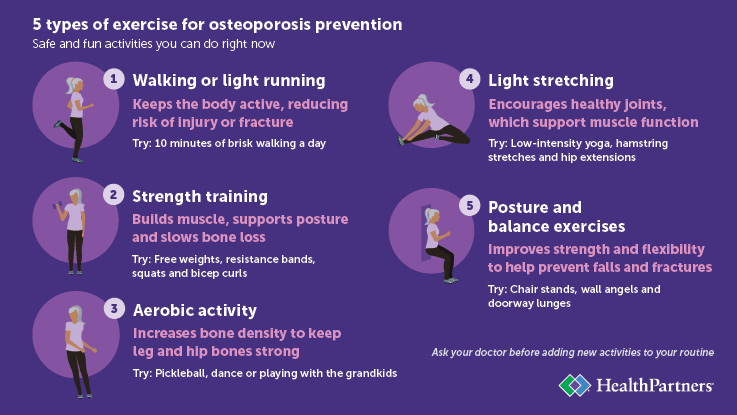
Weight-bearing cardio exercises like walking, jogging, and dancing stimulate bone formation and slow age-related bone loss. This makes them essential for preventing osteoporosis and reducing the risk of hip fractures, especially in older adults. Unlike non-weight-bearing activities, these forms of cardio apply gentle stress that signals bones to become denser and stronger over time.
Ease Arthritis Pain
Contrary to myth, cardio does not harm joints; it protects them. Low-impact options like swimming, water aerobics, and cycling strengthen muscles around joints, improve circulation, and maintain range of motion. For people with arthritis or chronic back pain, these activities reduce discomfort and improve mobility. Strengthening supporting muscles also enhances joint stability and decreases injury risk.
Enhance Sleep and Daily Energy
Fall Asleep Faster, Stay Asleep Longer
People who do regular cardio report falling asleep more quickly and experiencing deeper, more restorative REM sleep. The physical exertion helps regulate circadian rhythms, while the reduction in stress hormones like cortisol promotes relaxation. However, timing matters. Avoid intense workouts within two hours of bedtime, as the surge in adrenaline can interfere with sleep onset.
Fight Daytime Fatigue
Cardio increases oxygen delivery to muscles and organs, boosting stamina and reducing fatigue. Over time, your body becomes more efficient at using oxygen, so daily tasks like climbing stairs or carrying groceries feel easier. This improved endurance supports independence as you age and enhances overall vitality.
Extend Lifespan and Stay Independent
Live Longer, Healthier
Studies consistently show that people who do regular cardio live longer. They have a lower risk of dying from heart disease, stroke, diabetes, and some cancers. The cumulative effect of better circulation, metabolic health, and disease resistance translates directly into increased life expectancy. Even starting in middle age can reverse some damage caused by years of inactivity.
Prevent Falls in Older Adults
Mobility declines with age, but cardio helps maintain strength, balance, and agility. One in three adults over 65 falls each year, but aerobic dance and similar activities can reduce that risk. A study of women aged 72 to 87 found that just one hour of aerobic dance, three times a week for 12 weeks, significantly improved balance, including the ability to stand on one leg with eyes closed. These gains mean greater independence and fewer injuries.
Support Sexual and Skin Health
Improve Sexual Function
Cardio boosts sexual health in both men and women. For men, regular activity lowers the risk of erectile dysfunction by improving blood flow and cardiovascular function. For women, exercise enhances arousal and sexual well-being, thanks to better circulation, improved body image, and reduced stress. The psychological benefits, like increased confidence and mood, also contribute to a healthier sex life.
Promote Youthful Skin
Increased circulation from cardio delivers more oxygen and nutrients to skin cells, promoting a clearer, healthier complexion. Better blood flow can reduce signs of aging and support skin repair. Additionally, since stress worsens conditions like eczema and acne, the mood-stabilizing effects of aerobic exercise help keep chronic skin issues under control.
Tailor Cardio to Your Life Stage
Benefits for Children and Teens
Kids need at least 60 minutes of daily aerobic activity, including vigorous exercise three days a week. Cardio supports healthy heart development, builds strong bones, and enhances concentration and academic performance. Activities like running, biking, and team sports are safe and effective for children and help establish lifelong healthy habits.
Safe Choices for Chronic Conditions
Cardio is beneficial even for people with long-term health issues:
- Asthma: Improves lung function and reduces attack frequency (with medical guidance).
- Heart Disease: Can reverse heart stiffness and improve circulation in those with coronary issues.
- Chronic Pain: Low-impact cardio restores muscle endurance and reduces back pain through improved mechanics and weight control.
Always consult a doctor before starting if you have a pre-existing condition.
Optimize Your Routine for Results
Follow Science-Backed Guidelines
To get the most from cardio, follow recommendations from major health organizations:
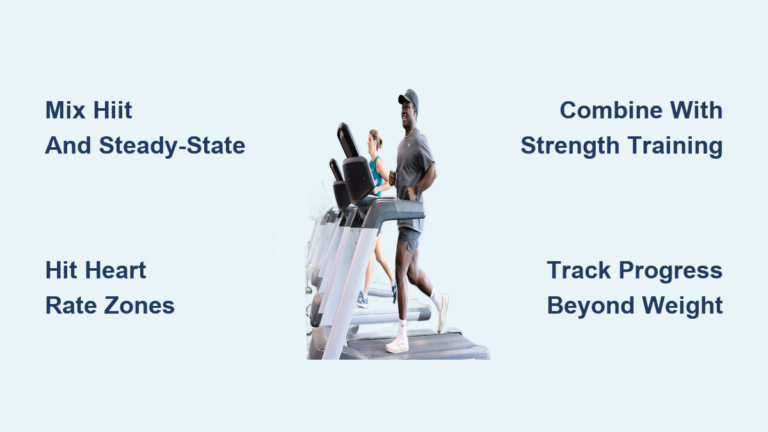
- 150 minutes of moderate-intensity (such as brisk walking) or 75 minutes of vigorous-intensity (such as running) per week.
- Spread activity across most days. 30 minutes, 5 days a week is ideal.
- Beginners can start with three 10-minute sessions daily and gradually increase.
For specific goals like lowering cholesterol, aim for 40 minutes of moderate-to-vigorous exercise, 3 to 4 times weekly.
Choose the Right Intensity
- Moderate: You are breathing harder but can talk (brisk walking, swimming, doubles tennis).
- Vigorous: Talking is difficult (running, fast cycling, singles tennis).
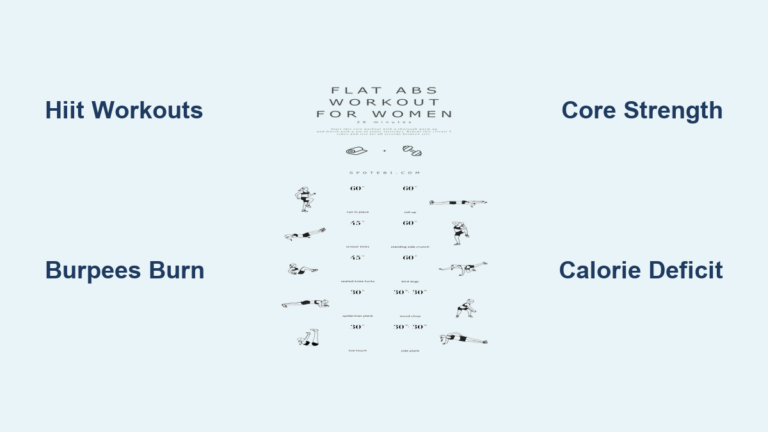
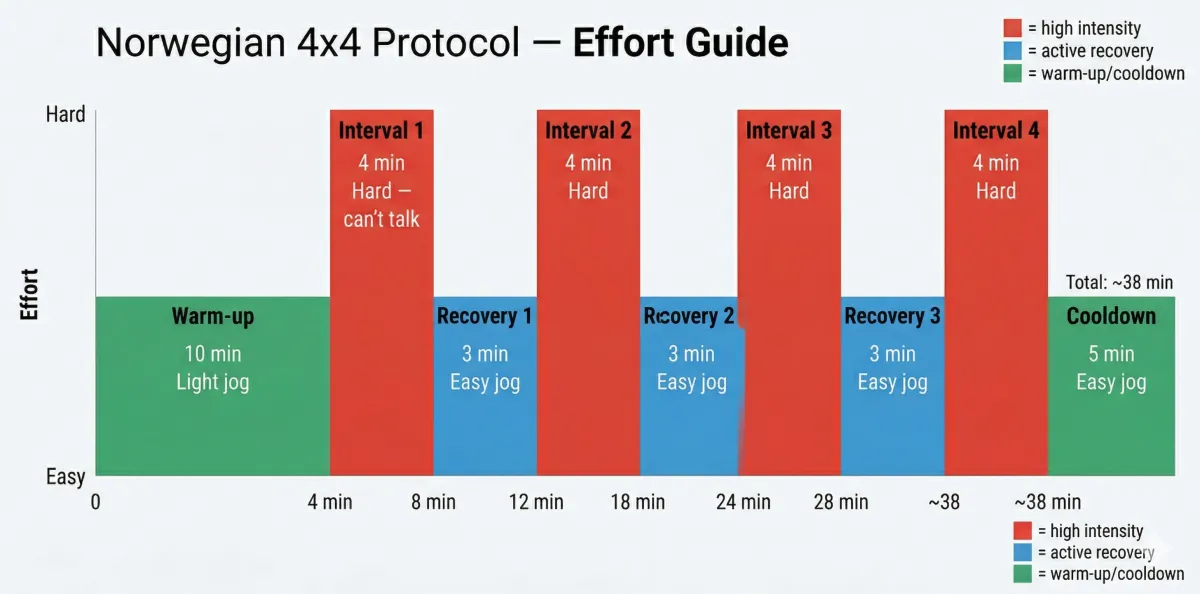
- HIIT (High-Intensity Interval Training): Alternate short bursts of max effort with recovery. Example: 4×4 method with 4 minutes hard, 3 minutes easy, repeated 4 times. HIIT delivers similar benefits in less time and boosts cardiovascular and metabolic adaptation.
Stay Safe and Build Lasting Habits
Start Smart, Progress Gradually
If you have been inactive, begin slowly with 5 minutes of walking in the morning and evening, then build duration and pace. Listen to your body. Soreness is normal, but pain is a warning. Allow rest days, especially after intense workouts, to prevent overuse injuries and immune suppression.
Avoid Common Mistakes
- Exercising too close to bedtime → Finish at least 2 hours before sleep.
- Doing high-intensity cardio right after meals → Wait 1 to 2 hours to prevent cramping.
- Sticking to one routine → Vary activities to prevent boredom and overuse injuries.
Use group classes or instructors to learn proper form, especially if you have balance or joint concerns.
Make It a Daily Habit
Treat cardio like brushing your teeth, a non-negotiable part of daily life. Track progress with apps or journals, and focus on how exercise makes you feel: more energized, calmer, stronger. Remember that any movement counts. Gardening, mopping, or climbing stairs all contribute to heart health. Consistency beats perfection. Just keep moving.
Frequently Asked Questions About Cardio Exercises
What are the main advantages of cardio exercises for heart health?
Cardio strengthens the heart muscle, allowing it to pump blood more efficiently with fewer beats. It lowers resting heart rate, reduces blood pressure, improves blood vessel elasticity, and increases HDL cholesterol while decreasing LDL cholesterol. These changes lower the risk of heart disease, stroke, and heart failure.
How much cardio do I need each week to see results?
Major health organizations recommend at least 150 minutes of moderate-intensity or 75 minutes of vigorous-intensity cardio per week, spread across most days. For specific goals like lowering cholesterol, aim for 40 minutes of moderate-to-vigorous exercise, 3 to 4 times weekly.
Can cardio help with weight loss without dieting?
Yes, studies confirm that cardio alone can produce weight loss, even without dietary changes. To lose 4% to 6% of body weight over 10 months, aim for sessions that burn 400 to 600 calories, five times a week. However, combining cardio with healthy eating produces the best long-term results.
Does cardio improve mental health?
Absolutely. Cardio releases endorphins, serotonin, dopamine, and norepinephrine, which are natural mood-boosting chemicals. Just 30 minutes of interval walking daily for 10 days has been shown to significantly reduce depressive symptoms. Even a single session can lift your mood immediately.
Is cardio safe for people with joint pain or arthritis?
Yes, low-impact cardio options like swimming, water aerobics, and cycling are ideal for people with arthritis or chronic back pain. These activities strengthen muscles around joints, improve circulation, and maintain range of motion without placing excessive stress on the body.
When should I avoid doing cardio?
Avoid high-intensity cardio within two hours of bedtime, as adrenaline can disrupt sleep. Also, skip intense workouts immediately after meals to prevent digestive cramping. If you have a chronic condition, consult your doctor before starting a new routine.
Final Thoughts on the Lasting Benefits of Cardio
The advantages of cardio exercises are vast, proven, and accessible to nearly everyone. From protecting your heart and brain to boosting mood, immunity, and longevity, aerobic activity is one of the most powerful tools for lifelong health. You do not need a gym or expensive equipment, just the willingness to move. Start where you are, use what you have, and build a routine that fits your life. Your future self will thank you.