Wheelchair Cardio Exercises: Quick Steps
For wheelchair users, staying active isn’t just about fitness. It’s a vital part of long-term health and independence. Wheelchair cardio exercises are essential for boosting heart health, building endurance, and improving mental wellbeing. With the right routine, you can reduce fatigue, enhance daily mobility, and lower the risk of conditions like diabetes, heart disease, and pressure sores.
The good news? You don’t need a gym or expensive gear to get started. Whether it’s a quick 5-minute arm pump or a high-intensity handbike session, every beat of your heart counts. This guide breaks down proven cardio exercises, equipment options, and smart routines tailored specifically for wheelchair users, so you can move safely, effectively, and consistently.
Let’s dive into how you can build a sustainable, enjoyable cardio plan that fits your lifestyle and keeps your heart strong.
Meet Weekly Cardio Goals
How Much Cardio You Need
Adults using wheelchairs should aim for 150 minutes of moderate-intensity aerobic activity per week, just like non-wheelchair users. This helps maintain heart health, energy levels, and emotional balance. Pair this with 2 or more days of muscle-strengthening exercises to support posture and daily movement.
You don’t have to hit this target all at once. Start small. Just 5 to 10 minutes a day is a great beginning. Focus on consistency, not perfection. As your stamina builds, aim for 20-minute sessions, 3 to 5 times a week.
Know Your Intensity Level
To make sure your workout counts, use the conversation test. You should be able to talk but not sing during exercise. This means your heart rate is elevated but safe.
Look for signs like:
– Slight breathlessness
– Mild sweating
– Increased heart rate
These signals confirm you’re in the moderate-intensity zone, where your body gains maximum cardiovascular benefit.
Prevent Shoulder & Back Strain
Fix the Pushing Imbalance
Daily wheelchair propulsion overworks your chest and shoulders while underusing your back muscles. This imbalance can lead to tight pecs, weak rotator cuffs, and chronic shoulder pain.
To protect your joints:
– Strengthen your back with pulling motions like rows and pull-downs
– Stretch tight chest muscles daily
– Engage rotator cuff muscles with light resistance work
This balance reduces injury risk and makes pushing easier over time.
Add Core Stability Work
A strong core improves balance, posture, and transfer ability. Even seated, you can activate core muscles through:
– Controlled torso twists
– Weight shifts side to side
– Seated marches with resistance
Do these before or after cardio to boost functional strength and prevent strain during workouts.
Top Cardio Equipment Options
Use an Arm Bike at Home

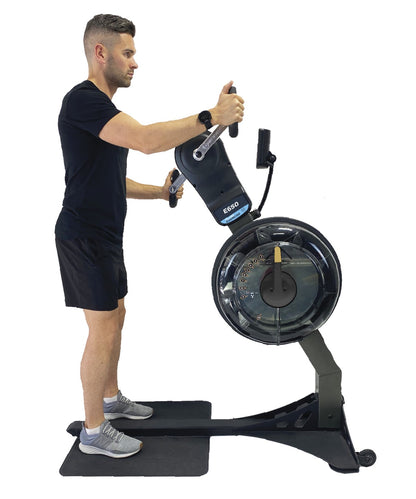
An upper body ergometer (arm bike) is one of the most effective tools for wheelchair cardio. It delivers steady, low-impact movement that raises your heart rate safely.
Why it works:
– Easy to use from your chair or bed
– Adjustable resistance levels
– Tracks time, speed, and calories
Start with 10 minutes at low resistance, 2 to 3 times a week. Gradually increase duration and intensity as endurance improves.
Try the Invictus Active Trainer
This roller-based system lets you roll your own wheelchair onto the machine. No transferring needed. It simulates a spin-class experience with real-time feedback via app.
Key perks:
– Connects to phone or tablet for tracking
– Includes guided workout DVDs
– Portable with built-in ramps
Ideal for users who want a dynamic, gym-style workout at home without repositioning their body.
Invest in a Berkel Bike (For Full-Body Training)

The Berkel Bike combines hand and leg cycling, making it perfect for users with partial or full lower-body function. It supports FES (Functional Electrical Stimulation), which activates leg muscles via electrical pulses. This is ideal for those with spinal cord injuries.
Features:
– Gears for resistance control
– Virtual racing via TRAX system
– Indoor and outdoor models available
Best for advanced users seeking immersive, full-body cardio training.
Choose YouBike for Compact Use
At just 12kg and foldable, the YouBike fits tight spaces and stores easily. It allows arm-powered movement with leg support pedals, promoting circulation and reducing pressure sore risk.
Great for:
– Bed-bound or limited-mobility users
– Preventing blood pooling
– Improving joint mobility
Use it daily for 10 to 15 minutes to maintain cardiovascular function without leaving your chair or bed.
No-Equipment Cardio Moves
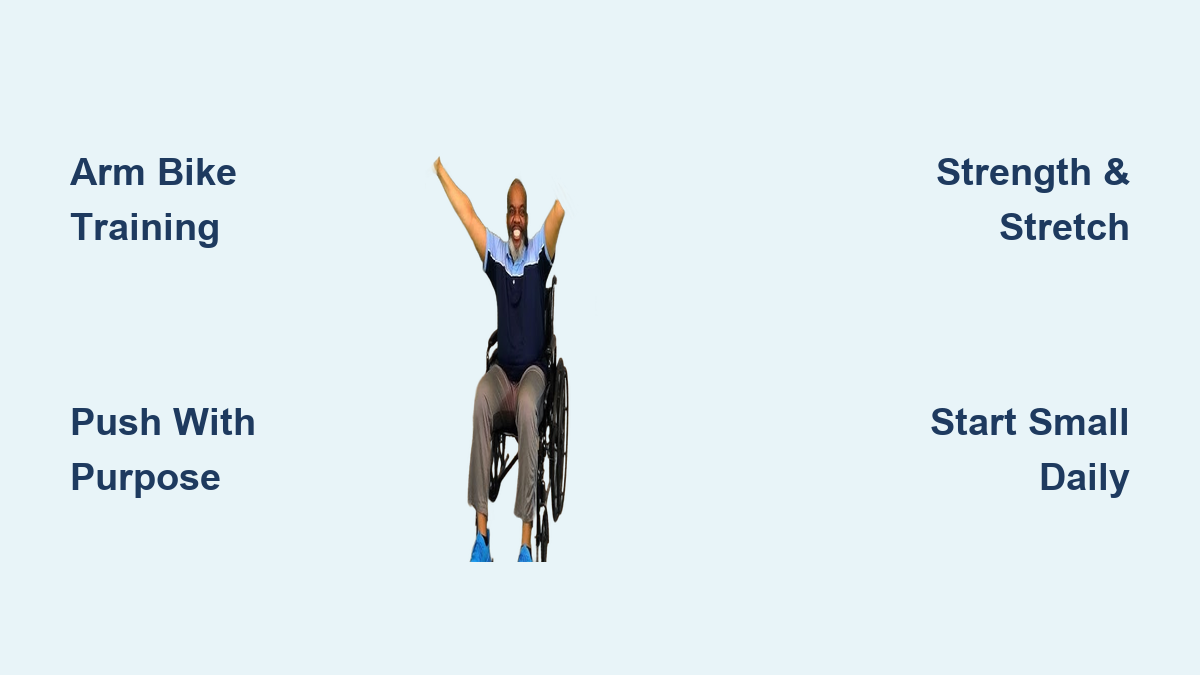
Push With Purpose
Turn everyday movement into cardio. Instead of short, casual pushes, go for structured propulsion sessions:
– Push fast for 1 minute, then rest 1 minute (repeat 10 times)
– Use a track or safe outdoor path
– Wear gloves to protect hands
This mimics interval training and builds stamina for daily tasks.
Join Wheelchair Basketball
One of the best high-intensity workouts, wheelchair basketball combines sprinting, stopping, and quick turns. It’s fun, social, and excellent cardio.
Even recreational play counts. Look for local adaptive sports leagues. You’ll build fitness while making connections.
Try Adaptive Rowing
Rowing machines adapted for seated use engage arms, back, and core. The pulling motion also balances out pushing strain.
Tips:
– Adjust seat height if needed
– Keep back straight
– Focus on smooth, full strokes
Row 3 to 5 minutes between strength sets for active recovery and cardio boost.
Dance in Your Chair
Adaptive aerobic dance videos found on YouTube offer upbeat, rhythm-based workouts. They improve coordination, mood, and heart health, all from your seat.
Search for “seated dance cardio” or try channels like Kym Perfetto or Ben Clark Fitness for wheelchair-friendly routines.
Swim for Total-Body Conditioning
Swimming reduces joint stress while offering natural resistance. Use flotation devices if needed, and focus on arm strokes like freestyle or backstroke.
Many public pools offer adaptive swim programs. Ask about accessible entry points like lifts or ramps.
Combine Cardio & Strength

Follow the 20-Minute HIIT Routine
High-Intensity Interval Training (HIIT) maximizes results in less time. Try this beginner-friendly version:
Work 30 seconds | Rest 30 seconds | Repeat 4 rounds
- Arm Cycling (fast pace)
- Seated Punches (with wrist weights)
- Resistance Band Rows
- Medicine Ball Passes (forward and overhead)
- Wheelchair Push Sprints
This full-body routine elevates your heart rate and builds muscle, perfect for busy schedules.
Add Wrist Weights to Cardio
Boost intensity by wearing 0.5 to 2 lb wrist weights during arm exercises. Use them during:
– Arm bike sessions
– Seated boxing
– Dance workouts
Start light to avoid joint strain. Never exceed 3 lbs unless approved by a therapist.
Do Strength After Cardio
Finish cardio with 10 to 15 minutes of resistance work:
– Dumbbell shoulder presses
– Band pull-aparts
– Seated bicep curls
This combo improves recovery and increases calorie burn post-workout.
Build Flexibility & Mobility
Practice Chair Yoga Daily
Chair yoga increases flexibility, reduces stiffness, and calms the mind. Try these simple moves:
– Neck rolls: Slow circles to release tension
– Shoulder rolls: Forward and backward to loosen joints
– Seated twist: Rotate torso gently to each side
Hold each stretch for 20 to 30 seconds. Breathe deeply to enhance blood flow.
Use Stretch Straps Safely
A yoga strap or towel helps you stretch hard-to-reach areas:
– Hamstrings: Loop strap around foot, extend leg
– Chest: Hold strap behind back, pull hands apart
– Shoulders: Drape strap over shoulder, pull ends gently
Avoid bouncing. Move slowly and stop if pain occurs.
Start Smart & Stay Safe
Talk to Your Doctor First
Before starting any new routine, consult your healthcare provider or physical therapist. They can help tailor exercises to your ability, especially if you have:
– Autonomic dysreflexia
– Spasticity
– Skin sensitivity or pressure sore history
A professional can also recommend safe heart rate zones.
Avoid Overuse Injuries
Repetitive pushing causes wear on shoulders and wrists. Prevent overuse by:
– Balancing push exercises with pull movements
– Taking rest days
– Using proper hand positioning on wheels
If you feel sharp pain or numbness, stop and reassess your form.
Stay Cool and Hydrated
Some wheelchair users have trouble regulating body temperature. During cardio:
– Drink water before, during, and after
– Exercise in cool environments
– Wear breathable clothing
Monitor for signs of overheating: dizziness, nausea, or excessive fatigue.
Find Community & Support
Join Adaptive Sports Leagues
Sports like wheelchair rugby, tennis, and racing offer competitive fun and serious cardio. Benefits include:
– Built-in motivation
– Peer support
– Structured training
Check local recreation centers or search online for teams near you.
Visit IFI-Certified Gyms
The Inclusive Fitness Initiative (IFI) certifies gyms that are truly accessible. These facilities offer:
– Adaptive equipment
– Trained staff
– Specialized classes
Use the Activity Alliance website to find IFI-accredited gyms in your area.
Explore Free Online Resources
YouTube channels provide free, high-quality workouts:
– Kym Perfetto: Full-body seated routines
– Ben Clark: Wheelchair fitness tips and challenges
– Yoga with Adriene (Adaptive Episodes): Gentle mobility and breathwork
Modify moves as needed. Your body, your rules.
Stick With It Long-Term
Make It Enjoyable
The best exercise is the one you’ll do regularly. Choose activities you love, whether it’s dancing, hand cycling, or playing basketball. When fun leads the way, consistency follows.
Track Progress Visibly
Use a simple journal or app to log:
– Workout duration
– How you felt
– Any improvements like less fatigue or easier transfers
Seeing progress builds confidence and keeps you motivated.
Bring a Friend
Work out with a partner or join a group class. Social connection increases accountability and makes fitness feel less like work.
Even calling a friend during a handbike session can keep you going longer.
Frequently Asked Questions About Wheelchair Cardio Exercises
How Often Should a Wheelchair User Do Cardio Exercise?
Adults using wheelchairs should aim for 150 minutes of moderate-intensity aerobic activity per week, spread across 3 to 5 sessions. Beginners can start with just 5 to 10 minutes a day and build up gradually.
What Is the Best Cardio Exercise for Wheelchair Users?
An arm bike (upper body ergometer) is one of the most effective options because it provides steady, low-impact movement that raises heart rate safely. Other excellent choices include wheelchair basketball, adaptive rowing, and swimming.
Can You Build Muscle in a Wheelchair?
Yes. Strength training with resistance bands, dumbbells, wrist weights, and medicine balls helps build muscle in the shoulders, chest, back, and core. Aim for 2 or more days per week of resistance work alongside your cardio routine.
Is Wheelchair Cardio Safe for People With Spinal Cord Injuries?
It can be, with proper guidance. Equipment like the Berkel Bike supports Functional Electrical Stimulation (FES), which activates paralyzed leg muscles during exercise. Always consult a healthcare provider before starting, especially if you have autonomic dysreflexia or spasticity.
How Can I Prevent Shoulder Pain From Wheelchair Cardio?
Balance pushing exercises with pulling motions like rows and pull-downs. Stretch your chest daily, strengthen your rotator cuff with light resistance work, and take rest days to avoid overuse injuries.
Where Can I Find Free Wheelchair Cardio Workouts?
YouTube offers many free adaptive workout videos from trainers like Kym Perfetto, Ben Clark, and Yoga with Adriene. Local adaptive sports leagues and IFI-certified gyms also provide structured classes and community support.
Key Takeaways for Building a Sustainable Wheelchair Cardio Routine
Wheelchair cardio exercises are not just possible. They are powerful. From arm bikes to adaptive sports, every form of movement strengthens your heart, body, and mind.
Start small with 5 to 10 minutes a day, stay consistent, and prioritize enjoyment. Balance cardio with strength training and flexibility work to prevent injury and maximize results. Connect with adaptive sports leagues, certified gyms, or online communities for motivation and accountability.
Your next step: Choose one activity from this guide that excites you. Schedule it into your week, set a 5-minute timer, and begin today. Your heart, your independence, and your confidence will thank you.