Fix Headache After Cardio: Quick Steps
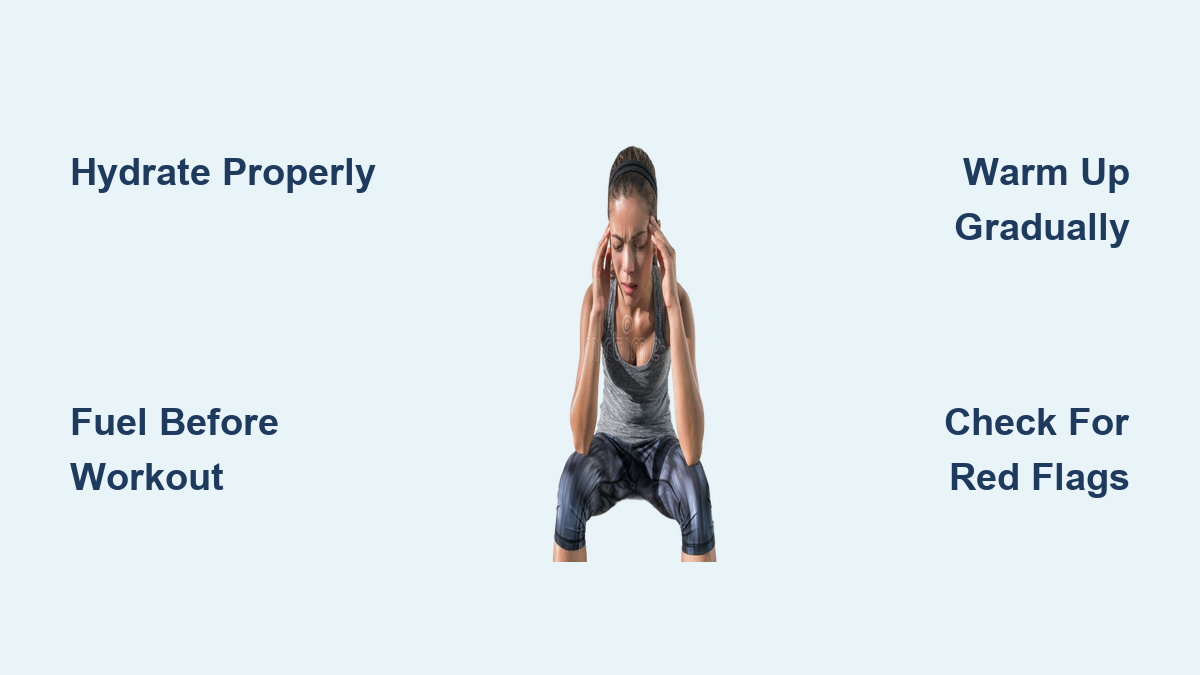
You’re mid-run, heart pounding, sweat dripping — and then a throbbing pain hits the back of your skull. If you’ve ever dealt with a headache after cardio, you’re far from alone. This frustrating issue affects casual gym-goers, weekend warriors, and elite athletes alike. While most cases stem from simple, fixable triggers like dehydration or poor fueling, some signal serious medical conditions that demand urgent attention.
Exercise-induced headaches fall into two main categories: primary exercise headache (benign and self-limiting) and secondary exercise headache (caused by dangerous conditions like brain aneurysms or heart disease). Knowing which type you’re dealing with can literally save your life. In this guide, you’ll learn how to identify the cause of your post-cardio headache, recognize red flags, and apply proven prevention and relief strategies.
Primary Exercise Headache: The Benign Type
Primary exercise headache is triggered solely by physical activity, with no structural or vascular brain abnormality behind it. It’s essentially your body’s vascular system overreacting to exertion.
Symptoms and Patterns
- Onset: Begins during exercise or within 30 minutes of stopping
- Pain type: Throbbing, pulsating, or pounding
- Location: Usually bilateral, often across the forehead or entire head
- Duration: Typically 5 minutes to 4 hours, though some episodes last up to 48 hours
- Triggers: Hot weather, high altitude, or skipping warm-up
Unlike migraines, primary exercise headaches often lack aura. However, some people report nausea, light sensitivity, or sound sensitivity, especially those who already suffer from migraines.
Who Gets Primary Exercise Headaches?
- Competitive athletes (26% prevalence in cyclists)
- Adolescents (up to 30.4% affected)
- People with a history of migraines (33% to 66% comorbidity)
- Those exercising in extreme heat or humidity
The good news? About 80% of cases resolve within 10 years, and many clear up within a year of diagnosis.
Secondary Exercise Headache: Red Flags You Can’t Ignore

Secondary exercise headaches are not harmless. They signal an underlying medical emergency, from brain aneurysms to heart disease, and require immediate evaluation.
When to Head to the ER
Stop exercising and seek emergency care if your headache:
- Comes on suddenly and severely (thunderclap or “worst headache ever”)
- Lasts longer than 48 hours
- Is accompanied by neck stiffness, vision changes, slurred speech, weakness, numbness, confusion, or loss of balance
- Includes fever or rash
- Follows a head injury
- Worsens progressively over time
These symptoms suggest potentially life-threatening causes like subarachnoid hemorrhage, brain tumor, or arterial dissection.
Cardiac Cephalalgia: The Heart-Headache Connection
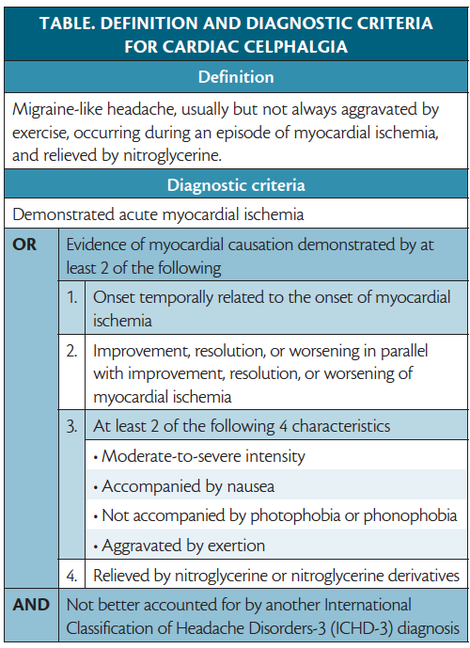
One dangerous and often missed cause is cardiac cephalalgia, a headache triggered by reduced blood flow to the heart during myocardial ischemia.
Key Signs:
- Pain occurs during exertion (walking uphill, climbing stairs)
- Located in the back of the head (occipital region)
- Often bilateral and severe
- Relieved by nitroglycerin
- No photophobia or phonophobia
- May include chest pain, shortness of breath, or sweating
If your headache improves with rest and nitroglycerin, it could be heart-related. Never ignore this — untreated cardiac cephalalgia increases your risk of heart attack.
Common Non-Pathological Causes of Headache After Cardio
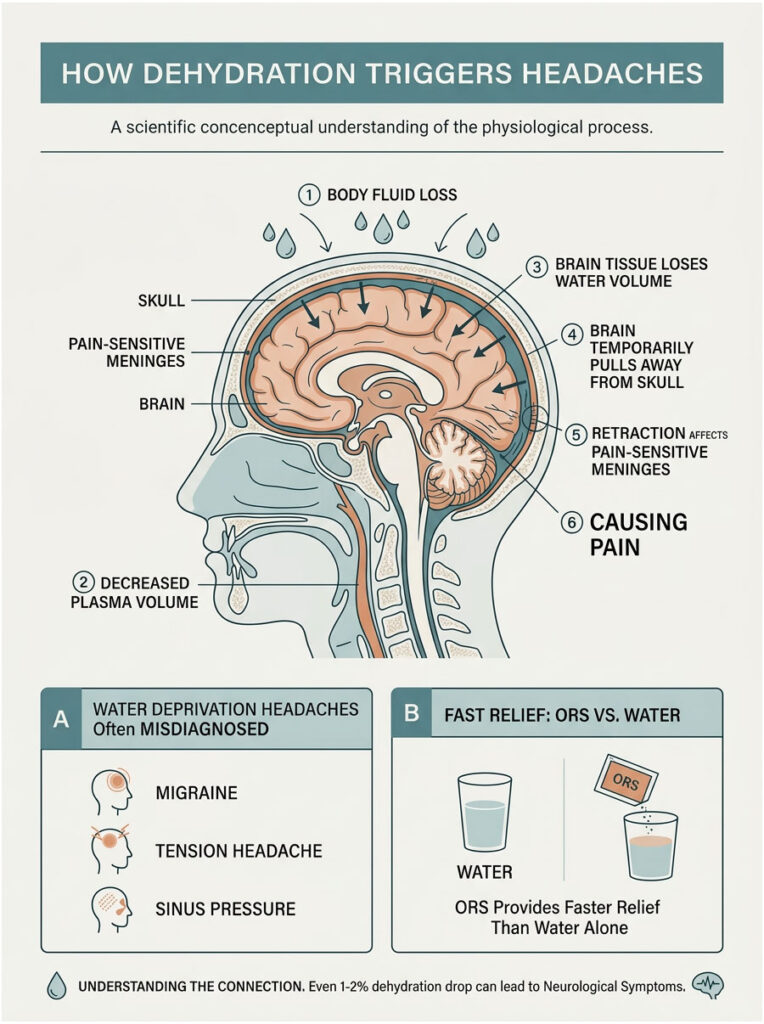
Most post-cardio headaches aren’t caused by brain or heart problems. They’re triggered by fixable physiological imbalances.
Dehydration and Electrolyte Loss
Even a 2% loss of body water impairs brain function and can trigger headaches.
How It Happens:
- Sweating reduces blood volume, causing the brain to slightly shrink and pull on pain-sensitive membranes
- Low sodium, potassium, magnesium, or calcium disrupts nerve signaling
- Vasopressin increases, constricting blood vessels and reducing cerebral blood flow
Prevention:
- Drink 16–20 oz of water 2–3 hours pre-workout
- Sip 8 oz every 15–20 minutes during exercise
- Replenish with electrolyte drinks after intense sessions
- Check urine color: pale yellow means well-hydrated
Low Blood Sugar (Hypoglycemia)
The brain runs on glucose. When blood sugar drops during cardio, it can cause headache, dizziness, shakiness, and confusion.
At Risk:
- Exercising fasted (morning runs without breakfast)
- Long-duration cardio sessions over 60–90 minutes
- Diabetics on insulin or glucose-lowering medications
Fix:
- Eat a small carb-rich snack 1–2 hours before (banana with peanut butter, yogurt with fruit)
- Carry fast-acting carbs during long workouts (juice, energy gels)
- Avoid refined sugars that cause energy crashes
Overexertion and Poor Conditioning
Pushing too hard too soon shocks your vascular system.
Why It Happens:
- Unconditioned bodies can’t regulate blood pressure efficiently
- Sudden spikes in heart rate and blood pressure strain cerebral vessels
- Common in “weekend warriors” or people returning to exercise after a break
Warning Signs:
- Headache within the first 10–15 minutes of exercise
- Dizziness, nausea, or chest tightness
- Blood pressure spikes that can exceed 400/300 mmHg during maximal effort
Prevention:
- Warm up gradually with 5–10 minutes of light cardio
- Increase intensity slowly over weeks
- Use a heart rate monitor to stay in your target zone
Neck and Shoulder Tension
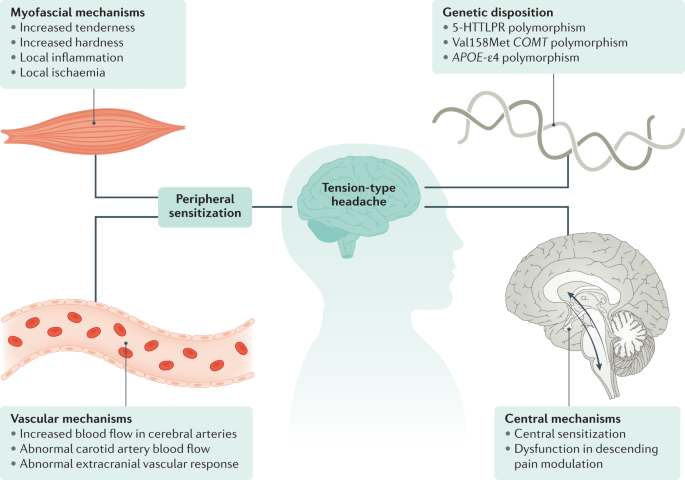
Poor posture during cardio, like hunching over a treadmill or bike, strains neck muscles and leads to cervicogenic headaches.
How It Works:
- Tight trapezius or suboccipital muscles refer pain to the head
- Trigger points in the shoulders activate headache pathways
- Common in runners, cyclists, and elliptical users
Relief:
- Stretch neck and shoulders before and after workouts
- Foam roll your upper back and neck
- Adjust equipment to maintain a neutral spine
- Consider physical therapy for chronic tension
Hyperventilation During Intervals
High-intensity cardio can cause rapid, shallow breathing, leading to hypocapnia (low CO₂ levels).
Effect:
- Low CO₂ causes cerebral vasoconstriction, reducing blood flow and triggering headache
- Often described as “tight” or “pressing” pain
Fix:
- Practice diaphragmatic breathing: inhale deeply through your nose, exhale slowly through your mouth
- Slow down during intervals to normalize breathing
- Try box breathing (4-second inhale, 4-second hold, 4-second exhale)
Environmental Triggers
Heat, humidity, altitude, and poor air quality dramatically increase headache risk.
Heat Exhaustion Symptoms:
- Headache
- Heavy sweating
- Cold, clammy skin
- Rapid pulse
- Fatigue or dizziness
Prevention:
- Avoid exercising in direct sun or high humidity
- Wear light, breathable clothing
- Use fans or air conditioning indoors
- Acclimatize to altitude over several days
- Hydrate with electrolyte-enhanced fluids
Caffeine: The Double-Edged Sword
Caffeine can both trigger and prevent headaches, depending on how you use it.
Overconsumption Problems:
- Pre-workouts with over 200–300 mg caffeine cause vasoconstriction, jitters, and dehydration
- Caffeine acts as a diuretic, worsening fluid loss
Withdrawal Issues:
- Regular users may get headaches if they skip caffeine before a workout
- Peak withdrawal hits 12–24 hours after the last dose
Smart Use:
- Limit daily intake to under 400 mg
- Time caffeine 30–60 minutes before your workout
- Consider low-stim or caffeine-free pre-workouts
- Pair caffeine with L-Theanine (100–200 mg) to smooth out the effects
How Doctors Diagnose the Cause
You can’t self-diagnose a secondary headache. A medical workup is essential if symptoms are new, severe, or persistent.
Step 1: Rule Out Emergencies
Ask yourself these questions:
- Is this the worst headache of my life?
- Did it come on suddenly?
- Do I have any neurological symptoms?
- Do I have heart disease risk factors?
If you answered yes to any of these, head to the ER immediately.
Step 2: Medical Evaluation
Your doctor may order:
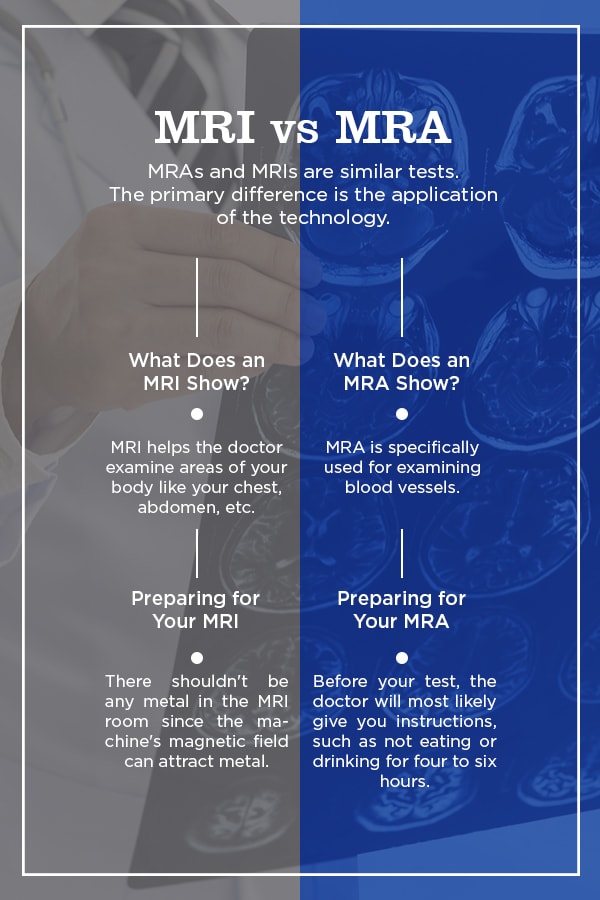
- MRI brain: Rules out tumors and structural issues
- MRA or CT angiogram: Checks for aneurysms and dissections
- CT scan: Used in emergencies to detect bleeding
- ECG or stress test: Evaluates for cardiac cephalalgia
- Lumbar puncture: If subarachnoid hemorrhage is suspected but imaging is normal
- Blood tests: Check glucose, electrolytes, and dehydration markers
Primary exercise headache is a diagnosis of exclusion, confirmed only after all secondary causes are ruled out.
Immediate Relief Strategies
If a headache strikes during or after cardio, act fast.
Stop and Rest
- Cease exercise immediately
- Find a cool, dark, quiet place to sit or lie down
Rehydrate
- Drink water or an electrolyte solution
- Add a pinch of salt and sugar to water if no sports drink is available
Refuel
- If hypoglycemia is suspected, consume 15–20 g of fast-acting carbs:
- 4 oz of orange juice
- 1 banana
- 1 glucose tablet
Apply Heat or Cold
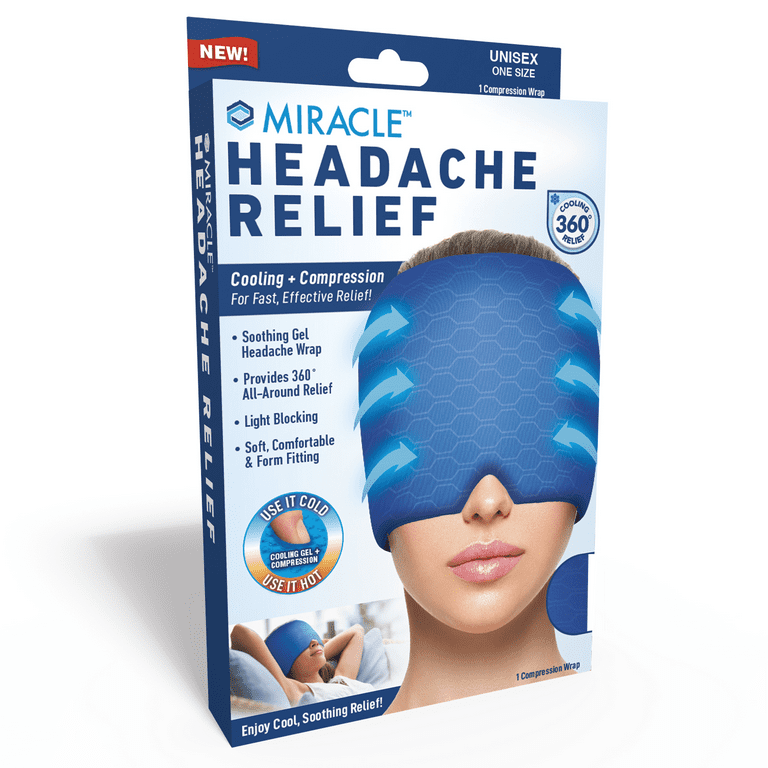
- Cold pack on forehead: Constricts dilated blood vessels (helps pulsating headaches)
- Heat on neck and shoulders: Relaxes tight muscles (helps tension-type pain)
Stretch and Massage
- Gently stretch your neck with side bends, chin tucks, and shoulder rolls
- Massage the base of your skull and trapezius muscles
- Use a foam roller or massage ball on your upper back
Natural Anti-Inflammatories
Consider supplements with evidence for headache relief:
- Curcumin (500–1000 mg): Reduces inflammation
- Omega-3s (1000–2000 mg): Supports vascular health
- Magnesium (200–400 mg): Prevents vascular spasm
- Boswellia or Cat’s Claw: Natural COX inhibitors
Avoid NSAIDs like ibuprofen if you’re already dehydrated, as they can strain your kidneys.
Long-Term Prevention Plan
Preventing post-cardio headaches comes down to optimizing your body’s readiness for exertion.
Hydration Protocol
| Timing | Fluid | Amount |
|---|---|---|
| 2–3 hours pre-workout | Water | 16–20 oz |
| Every 15–20 mins during | Water or electrolyte drink | 8 oz |
| Post-workout | Electrolyte drink | 16–24 oz |
Monitor your urine color and aim for pale yellow.
Pre-Workout Fueling
Eat a balanced snack 1–2 hours before exercise:
- Carbs: Banana, oats, rice
- Protein: Greek yogurt, peanut butter, hard-boiled egg
- Avoid: High-fat or high-fiber foods that slow digestion
For sessions longer than 90 minutes, consume 30–60 g of carbs per hour.
Warm-Up and Cool-Down
- 5–10 min warm-up: Brisk walk, dynamic stretches
- 5–10 min cool-down: Slow walking, static stretching
Gradual transitions prevent sudden hemodynamic shifts.
Breathing Technique
- Avoid the Valsalva maneuver (holding your breath while straining)
- Exhale during exertion
- Practice rhythmic breathing during cardio (inhale 2 steps, exhale 2 steps)
Environmental Control
- Exercise indoors when the heat index exceeds 90°F (32°C)
- Use a fan or air conditioning
- Wear moisture-wicking, light-colored clothing
- Acclimatize to altitude over 3–5 days
Caffeine Management
- Keep daily intake under 400 mg
- Avoid high-dose pre-workouts
- Don’t skip your usual caffeine if you’re dependent
- Try combining L-Theanine with caffeine for smoother energy
Medical Treatments
If lifestyle changes don’t work, medications can help, especially for primary exercise headache.
Indomethacin: The Gold-Standard Preventative
- Dose: 25–150 mg daily, taken before exercise
- Effectiveness: Over 80% of patients see complete relief
- Onset: Works within 1–4 weeks
- Side Effects: Stomach irritation, often paired with a proton pump inhibitor
Used prophylactically, it’s the most effective drug for preventing exertional headaches.
Other Options
- Propranolol (beta-blocker): For refractory cases
- Flunarizine (calcium channel blocker): Prevents vascular spasm
- Naproxen: Longer-acting NSAID alternative
- Rimegepant (CGRP antagonist): Emerging option for migraine-prone individuals
Cardiac Cephalalgia Treatment
- Nitroglycerin: Acute relief
- Revascularization: Angioplasty or bypass if coronary disease is confirmed
- Avoid triptans or ergots: These are contraindicated in heart disease
Special Considerations
Pregnancy
New exertional headaches during pregnancy are red flags. They may indicate:
- Preeclampsia
- Cerebral venous thrombosis
- Hypertensive encephalopathy
Immediate imaging and obstetric evaluation are required.
Age Factors
- Adolescents: High prevalence (up to 30.4%), but usually short-lived
- Over 40: New-onset exertional headache demands urgent workup due to higher risk of cardiac or vascular causes
Comorbid Migraine
If you have migraines, you’re more likely to get exercise-induced headaches. These may include:
- Photophobia
- Phonophobia
- Nausea
- Aura
Prevent with migraine-specific strategies: consistent sleep, stress management, magnesium, and CGRP-targeted medications.
Frequently Asked Questions About Headache After Cardio
Why do I get a headache after running but not after lifting weights?
Running and other sustained cardio create more consistent vascular demand and fluid loss through sweat, which can trigger dehydration-related headaches. Weightlifting involves shorter bursts of exertion but often includes the Valsalva maneuver (holding breath), which spikes blood pressure and intracranial pressure differently. Both can cause headaches, but through different mechanisms.
How long should a headache after cardio last before I worry?
A primary exercise headache typically lasts between 5 minutes and 48 hours. If your headache persists beyond 48 hours, comes on suddenly and severely, or includes neurological symptoms like vision changes or weakness, seek emergency care immediately.
Can drinking water before cardio prevent headaches?
Yes, proper hydration is one of the most effective prevention strategies. Drinking 16–20 oz of water 2–3 hours before exercise and sipping 8 oz every 15–20 minutes during activity helps maintain blood volume and prevents the brain contraction that triggers pain.
Is a headache after cardio a sign of a heart problem?
It can be. Cardiac cephalalgia is a headache caused by reduced blood flow to the heart during exertion. Warning signs include headache during physical activity, pain at the back of the head, relief with rest or nitroglycerin, and accompanying chest pain or shortness of breath. If you suspect this, see a doctor immediately.
What is the best medication for preventing exercise headaches?
Indomethacin is the gold-standard preventative medication for primary exercise headache. Doses of 25–150 mg taken before exercise provide complete relief in over 80% of patients, typically within 1–4 weeks.
Can warm-up exercises really prevent post-cardio headaches?
Yes. A gradual 5–10 minute warm-up allows your blood vessels and cardiovascular system to adjust to increased demand, preventing the sudden hemodynamic shifts that trigger headaches. Studies show quantitative warm-ups are particularly effective at preventing exercise-induced migraines.
Key Takeaways for Preventing Headache After Cardio
Most headaches after cardio are preventable with proper hydration, fueling, and pacing. Focus on drinking enough water before, during, and after exercise, eating a balanced snack 1–2 hours beforehand, and warming up gradually to let your body adjust. Avoid common pitfalls like high-dose pre-workouts, exercising in extreme heat without acclimatization, and pushing intensity too quickly.
However, never ignore sudden, severe, or neurological symptoms. A thunderclap headache, vision changes, or pain lasting over 48 hours could signal a life-threatening condition like subarachnoid hemorrhage or cardiac cephalalgia. When in doubt, get it checked.
Your next step: Audit your last workout. Did you hydrate adequately? Fuel properly? Warm up gradually? Small adjustments to your routine can eliminate most post-cardio headaches and keep you moving pain-free.