Best Cardio Exercises for Pregnant Women (2026 Guide)
Pregnancy doesn’t mean pressing pause on your fitness goals. In fact, cardio exercises for pregnant women are not only safe but highly recommended for most expecting mothers. Regular physical activity supports energy levels, eases common discomforts like back pain and constipation, and can lead to a smoother labor and faster recovery. With the right approach, you can maintain or even begin a cardio routine that keeps you strong throughout your pregnancy journey.
But safety always comes first. Every woman’s body responds differently, and medical clearance from your ob-gyn or midwife is essential before starting or continuing any workout. Once approved, your focus shifts from performance goals to maintaining health and stamina. The secret lies in choosing low-impact, joint-friendly activities that adapt to your changing body, especially as your center of gravity shifts and ligaments loosen from hormonal changes.
This guide breaks down the safest cardio options by trimester, explains how to monitor intensity safely, and highlights warning signs that mean it’s time to stop. You’ll also discover how to integrate strength and mobility work, avoid high-risk activities, and stay motivated with realistic routines.
Follow Essential Safety Guidelines First
Before starting any cardio routine, understanding the foundational safety rules protects both you and your baby.
Get Medical Clearance Before Anything Else
Even if you exercised regularly before pregnancy, consult your healthcare provider before continuing or starting any program. While physical activity is safe for most healthy pregnancies, certain conditions make it risky. These include placenta previa, cervical insufficiency, preeclampsia, severe anemia, or carrying multiples. Your provider will assess your health and either give the green light or recommend specific modifications.
Use the Talk Test Instead of Heart Rate Zones
Forget strict heart rate caps. The outdated 140-beats-per-minute rule no longer applies, especially for women who were already active. Instead, use the “Talk Test” to gauge effort:
- If you can speak in full sentences without gasping, you’re in the safe moderate-intensity zone
- If you’re too breathless to talk, slow down immediately
- If you can sing comfortably, you may need to increase effort slightly
This simple tool adjusts automatically to your fitness level and trimester, making it the most reliable intensity guide.
Prevent Overheating and Dehydration
Pregnant women are more prone to overheating, especially in the first trimester when high core temperatures can affect fetal development. Stay safe by:
- Drinking water before, during, and after workouts, with an extra glass for every 30 minutes of activity
- Wearing breathable, moisture-wicking clothing
- Avoiding hot environments, including hot yoga, saunas, and extreme heat
- Exercising in temperature-controlled spaces or during cooler outdoor hours
Choose the Best Low-Impact Cardio Activities

These options deliver excellent cardiovascular benefits while minimizing joint stress and fall risk, perfect for all stages of pregnancy.
Walking: The Safest Choice for Every Trimester
Walking is the most accessible cardio exercise during pregnancy. It requires no special equipment, can be done anywhere, and easily adjusts to your energy levels.
- Start with 5–10 minutes daily and add 5 minutes weekly until reaching 30 minutes most days
- Wear supportive, cushioned sneakers to absorb impact as your feet flatten
- Use a belly support belt in later months to reduce pelvic pressure
- Boost intensity with gentle hills or treadmill incline, but avoid gripping rails too tightly
Pro tip: Break your 30 minutes into three 10-minute walks if fatigue or nausea makes longer sessions difficult.
Swimming and Water Workouts
Water-based exercise is ideal because buoyancy supports your growing belly and reduces joint strain.
- Freestyle and backstroke (before 16 weeks) are excellent choices; avoid backstroke after the first trimester due to supine hypotensive syndrome
- Water aerobics classes provide social support and structured workouts with zero impact
- Benefits include eased back pain, reduced swelling, improved circulation, and nausea relief
- Avoid diving, jumping into water, and scuba diving due to gas embolism risk
Keep pool temperature between 78°F and 84°F (26°C–29°C) and skip hot tubs entirely.
Stationary Cycling Over Outdoor Riding
Cycling outdoors becomes riskier as your balance shifts. A stationary bike eliminates fall hazards while keeping your heart rate up.
- Recumbent bikes offer back support and comfort in later trimesters
- Upright bikes work well earlier, with proper seat adjustment
- Avoid standing climbs that increase intra-abdominal pressure
- Stop immediately if you feel overheated
Prenatal Aerobics and Dance
Low-impact group classes like prenatal Zumba or dance fitness combine cardio with community and fun.
- Focus on rhythm rather than speed, keeping movements smooth and controlled
- Avoid jumping, bouncing, or quick direction changes
- Tell your instructor you’re pregnant so they can offer modifications
- Swap high knees or leaps for marching or step touches
Use Pregnancy-Safe Cardio Machines
Gym equipment can be used safely with a few key adjustments to protect your joints and balance.
Ellipticals and Stair Climbers
These machines mimic running without joint impact, making them excellent choices in early and mid-pregnancy.
- Keep an upright posture on ellipticals and use handles lightly for balance
- Maintain a steady pace on stair climbers without leaning heavily on rails
- Watch your balance as your belly grows and your center of gravity shifts
Aim for 20–30 minutes at moderate intensity, 3–5 times per week.
Rowing Machines With Proper Form
Rowing provides a full-body cardio and strength workout, but technique matters.
- Sit tall, hinge at the hips, and drive with your legs, not your back
- Engage your core throughout the stroke to protect your spine
- Avoid rounding your back or overextending at the top of the motion
- Keep intensity moderate with steady, rhythmic strokes where you can still talk
Skip rowing if you have pelvic girdle pain or lower back issues.
Continue Running With Proper Precautions
If you were a regular runner before pregnancy, you may continue with medical approval and smart modifications.
- Stick to flat, even surfaces or use a treadmill for better control
- Shorten your stride as your belly grows to maintain balance
- Stop if you experience pelvic pressure, incontinence, or abdominal doming
- Transition to walking when running becomes uncomfortable, usually in the third trimester
Never start running during pregnancy if you weren’t doing it before. Walking is a safer entry point.
Try These Home-Based Cardio Moves
No gym? No problem. These low-impact, equipment-free exercises can be done in short bursts at home.
Safe Prenatal Cardio Exercises to Try
Do each for 1–3 minutes, resting as needed:
- Marching in place: Lift knees actively while swinging arms for a great warm-up
- Low-impact jumping jacks: Step one foot out while raising arms, then alternate
- Side step with heel kick: Step side-to-side, tapping heel toward glutes
- Skiers: Step one foot back diagonally into a shallow lunge, tap floor, return
- Lateral shuffles: Stay low and shuffle side-to-side while tapping the floor
- Traveling high knees: March across the room with controlled knee lifts
Pro tip: Pair these with 360 breathing (inhale to expand belly fully, exhale to draw core in) to safely engage your deep core.
Integrate Strength and Mobility Work
Cardio works best when paired with strength and flexibility. These movements support joint stability, posture, and labor readiness.
Core and Pelvic Floor Safety
Avoid traditional crunches and planks in later pregnancy since they can cause diastasis recti (abdominal separation).
- 360 Breathing: Inhale into ribs and belly, exhale drawing core in and up. Do 5–10 reps before any workout
- Pelvic tilts: Stand against a wall, press lower back flat by engaging abs, hold 4 seconds
- Kegels: Tighten pelvic floor muscles (as if stopping urine flow) before coughing or sneezing
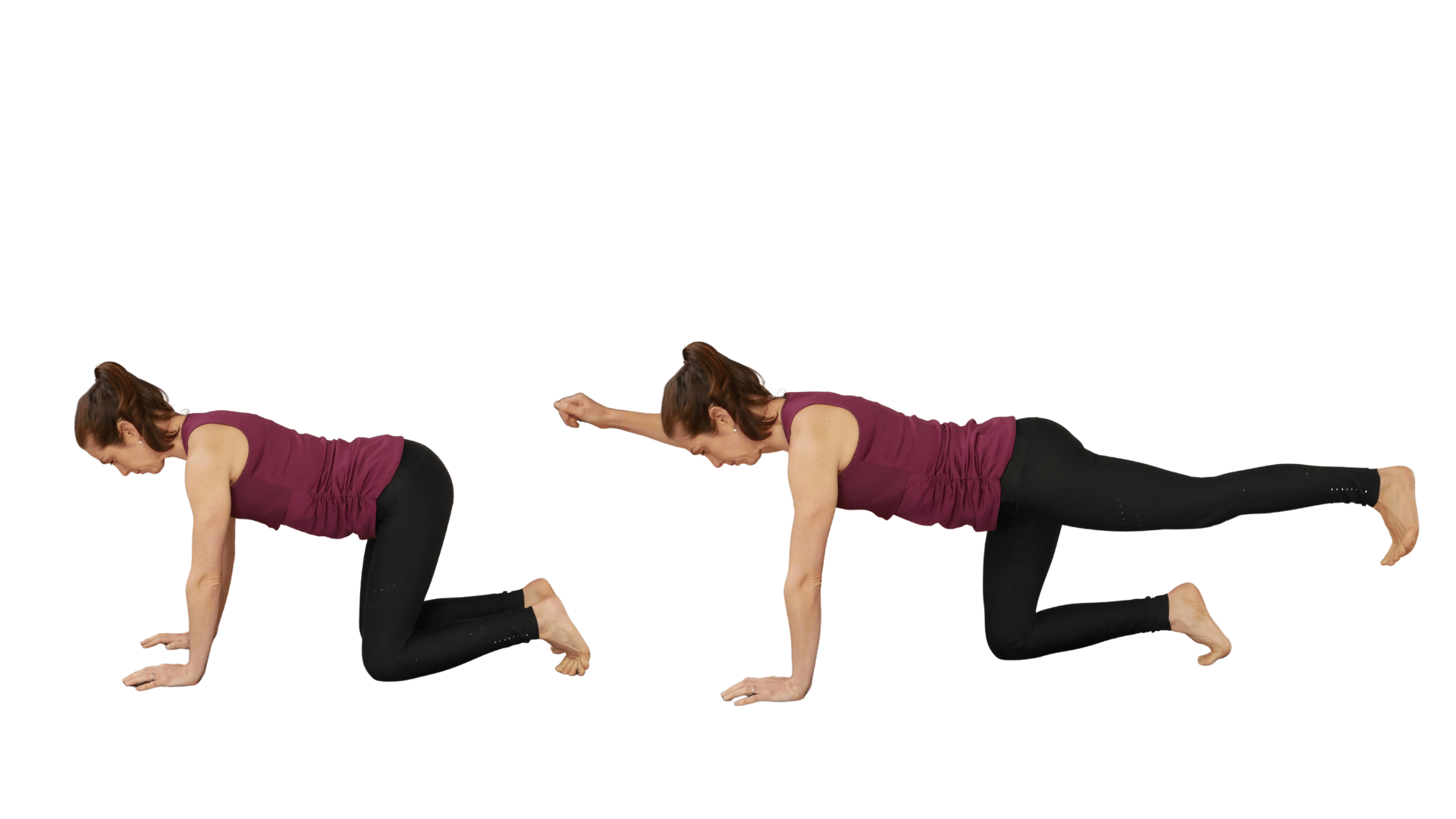
- Bird dog: On hands and knees, extend opposite arm and leg to strengthen your back
Lower Body Strength for Labor
Strong legs and glutes make daily movement easier and prepare your body for pushing.
- Squats: Feet wider than hips, lower like sitting in a chair, use a chair behind for safety
- Lunges: Reverse or stationary lunges are safer than forward lunges
- Clamshells: Lie on your side, knees bent, lift the top knee to strengthen hips
- Cossack squats: Lateral squats that improve hip mobility for labor positions
Upper Body and Posture Support
Your growing belly pulls shoulders forward, so counteract this with back-focused moves.
- Incline push-ups: Hands on wall, bench, or sturdy surface to keep spine neutral
- Staggered row: Hinge at hips and row light dumbbells to your ribs
- Arm curls: Use light weights to maintain arm strength for lifting and carrying
Avoid These High-Risk Activities
Some exercises and environments pose real dangers during pregnancy.
Sports With Fall or Impact Risk
- Avoid skiing, horseback riding, gymnastics, surfing, skydiving, and contact sports like soccer, basketball, and boxing
- Falls can cause abdominal trauma, and even minor impacts may affect the placenta
Movements That Strain the Body
- No supine exercises after 16 weeks (lying flat on back compresses blood flow)
- Skip high-impact jumps, deep twists, and jerky motions that stress loose joints
- Avoid full sit-ups, double leg lifts, or traditional planks if you see abdominal doming
Hot and High-Altitude Environments
- No hot yoga, saunas, or hot tubs since overheating risks fetal development
- Avoid altitudes above 6,000 feet (1,800m) if not acclimatized
Recognize Warning Signs to Stop Immediately
Your body will tell you when something’s wrong. Stop exercising and call your provider if you experience:
- Vaginal bleeding or fluid leakage
- Dizziness, faintness, or chest pain
- Headache that won’t go away
- Shortness of breath before starting exercise
- Rapid or irregular heartbeat
- Calf pain or swelling (possible blood clot)
- Painful contractions or decreased fetal movement after 28 weeks
- Unusual pelvic, hip, or abdominal pain
When in doubt, rest and consult your doctor.
Plan Your Weekly Routine for Maximum Benefit
A structured yet flexible plan helps you stay consistent without burnout.
Aim for 150 Minutes Weekly
- Target at least 150 minutes of moderate cardio per week, about 30 minutes, 5 days
- Break it up: three 10-minute walks count just as much as one long session
- Beginners should start with 5 minutes daily, adding 5 minutes each week
Sample Daily Activity Distribution
- Morning: 10-minute walk
- Midday: 15 minutes of yard work or dancing while cooking
- Evening: 15-minute prenatal strength and mobility session
- Total: 40 minutes of varied, achievable activity
Wear the Right Gear for Comfort and Safety
Proper attire enhances comfort, safety, and performance.
- Supportive sports bra to prevent breast tissue strain
- Maternity activewear with stretchy, breathable fabrics
- Sturdy sneakers with arch support and cushioning
- Belly support belt for third-trimester walking or standing
- Optional home gear: stability ball, light dumbbells, resistance bands, yoga mat
Adapt Your Routine by Trimester
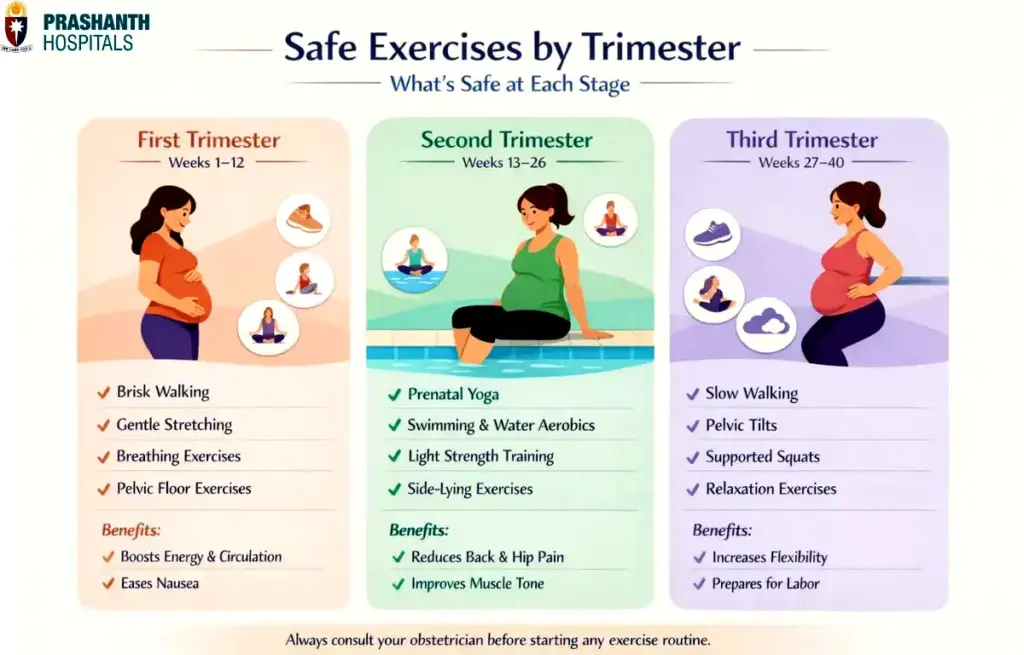
Your needs change each trimester, so adjust accordingly.
First Trimester: Build the Habit
- Focus on establishing a routine despite fatigue and nausea
- Continue pre-pregnancy workouts if approved
- Avoid overheating since it’s critical in early fetal development
- Exercise after eating to reduce nausea
Second Trimester: Adjust for Balance
- Modify for your growing belly and shifting center of gravity
- Stop lying flat on your back after 16 weeks
- Swimming and water aerobics become more comfortable
- Add balance drills like standing on one leg while brushing teeth
Third Trimester: Prioritize Comfort
- Focus on maintaining fitness rather than building it
- Reduce intensity and duration with shorter, more frequent sessions
- Use support like a wall or chair during squats and lunges
- Ideal activities include walking, swimming, recumbent cycling, and gentle yoga
Prepare for Labor and Faster Recovery
Think of pregnancy as athletic training for birth. The endurance, strength, and body awareness you build now pay off during delivery and beyond.
- Cardio endurance helps you last through long labor
- Pelvic floor strength reduces incontinence risk postpartum
- Core control supports posture and prevents back injury
- Consistent exercise lowers gestational diabetes risk by 50%, preeclampsia risk by 40%, and cesarean birth likelihood
After delivery, women who exercised during pregnancy often recover faster, lose baby weight more easily, and report better mood and energy.
Frequently Asked Questions About Cardio Exercises for Pregnant Women
What cardio exercises are safe during the first trimester?
Walking, swimming, stationary cycling, and low-impact aerobics are all safe options during the first trimester. The key concern is avoiding overheating, so stay hydrated and skip hot environments. Most women can continue their pre-pregnancy routines with medical approval.
How can I tell if I’m exercising too hard while pregnant?
Use the Talk Test. If you can hold a conversation while exercising, you’re in the safe zone. If you’re too breathless to speak in full sentences, slow down. The outdated 140-beats-per-minute heart rate limit no longer applies to active women.
Can I start a new cardio routine during pregnancy?
Yes, but start slowly. Beginners should begin with 5 minutes of walking daily, adding 5 minutes each week until reaching 30 minutes most days. Never start running during pregnancy if you weren’t already a runner. Always get medical clearance first.
When should I stop exercising and call my doctor?
Stop immediately and contact your provider if you experience vaginal bleeding, fluid leakage, dizziness, chest pain, persistent headache, rapid heartbeat, calf pain or swelling, painful contractions, or decreased fetal movement after 28 weeks.
Is it safe to use cardio machines at the gym?
Yes, ellipticals, stair climbers, stationary bikes, and rowing machines are all safe with proper form and modifications. Avoid standing climbs on bikes, maintain good posture on ellipticals, and stop if you feel overheated or experience abdominal doming.
How does exercise during pregnancy affect labor and delivery?
Regular cardio exercise builds endurance and strength that help during labor. Studies show it reduces gestational diabetes risk by up to 50%, preeclampsia risk by nearly 40%, and cesarean birth likelihood. Active women often experience shorter labors and faster postpartum recovery.
Key Takeaways for Safe Cardio During Pregnancy

Cardio exercises for pregnant women are safe, beneficial, and recommended for most expecting mothers when done with proper precautions. Choose low-impact activities like walking, swimming, and stationary cycling that protect your joints and accommodate your changing body. Always get medical clearance first, use the Talk Test to monitor intensity, and stop immediately if you experience any warning signs.
Start where you are, move with intention, and celebrate every step forward. Your body is doing incredible work, and staying active is one of the best gifts you can give yourself and your baby.