Cardio Pilates Workout for Beginners: Quick Guide
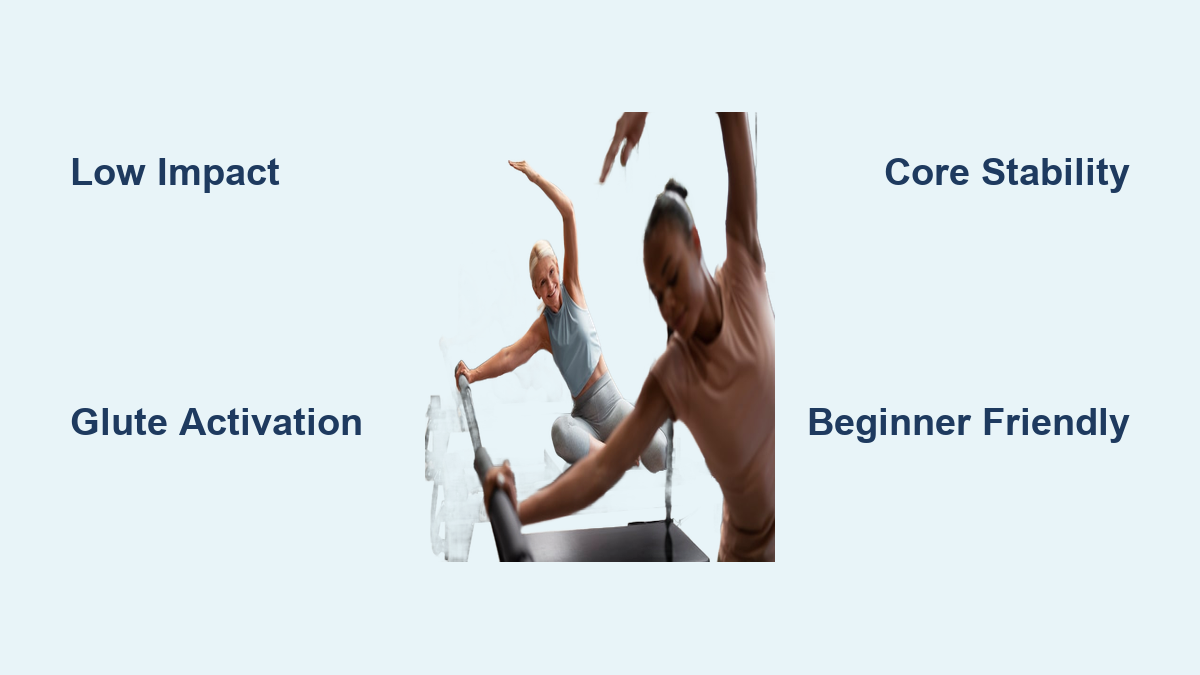
If you’re just starting your fitness journey, a cardio pilates workout for beginners is the perfect way to build strength, improve coordination, and boost energy—without high impact or complex moves. This 31-minute routine blends low-impact cardio with targeted Pilates exercises to tone muscles, especially in the glutes and thighs, while enhancing balance and range of motion. Whether you’re recovering from a tough workout, managing low energy, or simply new to movement, this session meets you where you are—no jumping, no pressure, just progress.
The beauty of this beginner-friendly workout lies in its adaptability. You can modify every move to suit your comfort level, and even add resistance bands or light dumbbells later to increase intensity. What starts as a gentle warm-up gradually builds into coordinated cardio-Pilates intervals, followed by a calming cool-down that leaves you refreshed, not wrecked. In just half an hour, you’ll activate your core, fire up your legs, and reset your mind—all while staying low on impact.
You don’t need equipment, a lot of space, or prior experience. Just a mat and willingness to show up. This guide breaks down the full routine from the popular FitnessBlender video, giving you clear, step-by-step instructions, modifications, and tips to get the most from your cardio pilates workout for beginners.
Warm-Up: Prep Your Body Gently
:max_bytes(150000):strip_icc()/8SimpleMatPilatesMovesforBeginners-a5e3e476539a488093eceb2972c90bd2.jpg)
Start with 30 seconds each of light, flowing movements to raise your heart rate slowly and awaken your muscles. This warm-up increases circulation, improves joint mobility, and primes your nervous system for coordination.
March and Stretch Activation
Begin by marching in place, lifting your knees comfortably. As you march, reach your arms overhead and stretch upward, then lower them as you step. This simple motion warms up your shoulders, hips, and spine while syncing breath with movement. Keep your core gently engaged and avoid locking your knees.
Ventral Lift with Step
Step one foot forward into a gentle lunge position while lifting your arms diagonally upward (like a “V” shape). Focus on lengthening your front body—the ventral side—then step back and repeat on the other side. This opens your chest and hip flexors, counteracting sitting posture.
IT Band Stretch Steps
Step to the side and cross one leg behind the other, reaching the same-side arm overhead and leaning slightly to the opposite side. You should feel a stretch along the outer hip and thigh (the IT band). Step back and repeat on the other side. Move slowly and avoid leaning too far.
Chest Opener and Reach
Stand tall, clasp your hands behind your back, and gently lift them while opening your chest forward. Keep your shoulders relaxed and chin slightly tucked. This counters rounded shoulders and improves posture—key for both Pilates and daily life.
Single-Leg Walker with Arms
Step forward and kick the opposite leg straight out while reaching both arms forward. Alternate sides with each step. This dynamic move boosts coordination and warms up your hamstrings and hip flexors. If balance is tricky, shorten your kick and focus on form.
Side Lunges for Mobility
Take three wide steps to the side, lowering into a shallow lunge each time. Keep your back straight and knees tracking over toes. This warms up your inner thighs and glutes while improving lateral movement control.
Fly Jacks for Light Cardio
Step feet wide and raise arms out to the sides like a snow angel, then return. Unlike traditional jumping jacks, this low-impact version elevates your heart rate safely. Keep movements smooth and breathe steadily.
Cardio-Pilates Intervals: 45 Seconds On, 15 Seconds Off
Now shift into alternating cardio and Pilates moves. Each exercise lasts 45 seconds with 15 seconds of rest—enough to challenge beginners without burnout. Focus on form, breath, and control.
Kneeling Leg Lifts for Glute Activation
On all fours, lift one leg straight back without arching your lower back. Squeeze the glute at the top. Alternate sides. This isolates the glutes and engages the core—perfect prep for more intense moves.
Modification: Lift only a few inches if your lower back feels strained.
Hydrant with Extension
From the same position, bend your knee and lift your thigh out to the side (like a dog at a fire hydrant), then extend the leg straight back. Alternate sides. This fires up the glute medius, crucial for hip stability.
Tip: Keep hips level—don’t rock side to side.
Side Lunge with Arm Lift
Step wide to the side and lower into a lunge, then rise while lifting both arms overhead. This combines strength and coordination. Keep your front knee behind your toes.
Avoid: Collapsing the knee inward—push it out over the pinky toe.
Step Squats with Control
Step one foot out to the side and squat, then step back. Alternate sides. Unlike fast squats, this version emphasizes slow, controlled movement to build muscle endurance and joint stability.
Slow Jumping Jacks with Knee Curl
Step one foot out while raising arms, then bring feet and arms back. Add a gentle knee curl at the end to engage the hamstrings. This keeps the heart rate up while minimizing joint stress.
Forward Lunge with Ventral Raise
Step forward into a lunge and lift arms overhead in a “V.” This integrates upper and lower body movement, improving total-body coordination. Step back and repeat on the other side.
Water Break: Pause and Reset
Use this 15-second break to hydrate and check in with your body. Are your muscles warm? Is your breathing steady? This brief pause helps prevent fatigue and keeps your form sharp.
Side-Lying Leg Raises
Lie on your side and lift your top leg straight up, then lower slowly. Work the outer hips and glutes. Keep your hips stacked—don’t roll backward.
Modification: Bend the bottom leg for balance.
Clamshells for Hip Strength
Lie on your side, knees bent, feet together. Open your top knee like a clamshell while keeping hips still. This small but powerful move targets deep hip stabilizers often neglected in beginner workouts.
Single-Leg Runner Motion
Lie on your back, bring one knee toward your chest, and simulate a running motion with small pulses. Engages core and hip flexors. Keep your lower back pressed into the mat.
Tip: Move slowly—speed reduces effectiveness.
Warrior Jacks for Power
Step one foot back into a low lunge, arms in a “T,” then jump (or step) feet together while raising arms overhead. This dynamic move builds aerobic endurance and leg power.
Low-impact option: Step instead of jump, and reduce range of motion.
Press and 3-Point Step
From standing, step forward, then side, then back—while pressing arms forward each time. This multi-directional movement improves balance and mimics real-life motion patterns.
Bird Dog for Core Stability
On all fours, extend one arm and the opposite leg straight out. Hold briefly, then return. Alternate sides. This classic Pilates move enhances coordination and protects your lower back by strengthening deep core muscles.
Focus: Keep your spine neutral—no sagging or hiking hips.
Cool Down: Stretch and Reset
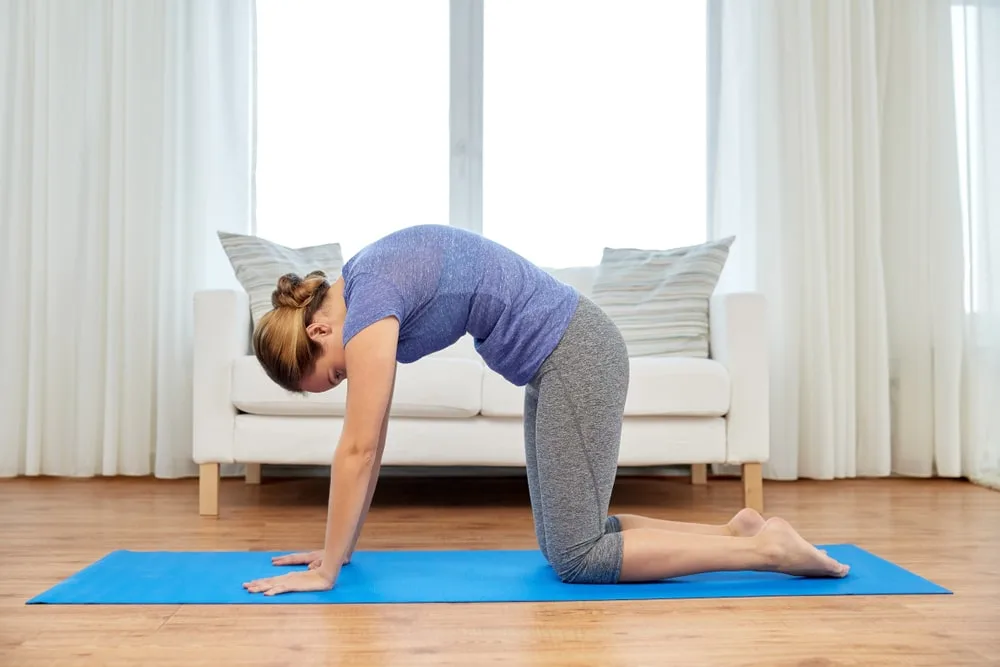
Now transition to deep, relaxing stretches. This cool-down lasts several minutes and is designed to calm your nervous system, improve flexibility, and acknowledge your effort.
Cat-Cow for Spinal Mobility
On hands and knees, alternate between arching your back (cow) and rounding it (cat). Move with your breath—inhale for cow, exhale for cat. This restores natural spinal movement after static holds.
Cat-Cow with Side Stretch
From the same position, slide one hand under your body and reach the other arm overhead, creating a side stretch through your ribcage. Switch sides. This opens tight lateral muscles from sitting or poor posture.
Prone Quad Stretch
Lie on your stomach, grab one ankle, and gently pull it toward your glutes. Keep your hips pressed down. This stretch targets the front of the thigh and improves knee alignment.
Modification: Use a strap or towel if you can’t reach your foot.
Cobra for Front Body Release
Press your hands into the floor and lift your chest slightly, keeping elbows slightly bent. Avoid pushing too high—this isn’t a full backbend. This stretch counteracts slouching and opens the chest and abdomen.
Kneeling Calf Stretch
Step one foot forward into a lunge, then press the back heel down. Feel the stretch in your calf. Keep your back leg straight. Switch sides. This helps prevent tight calves from walking or standing.
Hamstring Stretch on Back
Lie on your back, extend one leg up, and hold behind your thigh or calf. Keep the other leg bent with foot flat. This safely stretches the back of the thigh without straining your lower back.
Tip: Keep your head down and neck relaxed.
Lying Torso Twist
Bring both knees to one side while keeping your shoulders flat on the mat. This gentle spinal twist releases tension in the lower back and improves rotational mobility.
Full Body Relaxation Stretch
Lie flat, arms overhead, legs extended. Stretch every part of your body at once—like a starfish. Breathe deeply and let go of tension. This final pose integrates all the work you’ve done.
Why This Cardio Pilates Workout Works for Beginners

A cardio pilates workout for beginners combines the best of both worlds: cardiovascular health and muscular control. Unlike high-intensity routines, this format builds fitness sustainably, reducing injury risk while improving posture, balance, and mental focus.
Low Impact, High Reward
Because it avoids jumping and uses bodyweight only, this routine is joint-friendly. Yet it still elevates your heart rate and builds endurance—ideal for older adults, injury recovery, or those with joint sensitivities.
Builds Mind-Muscle Connection
Pilates emphasizes precision and control, training your brain to communicate better with your muscles. Over time, this improves movement efficiency in daily life—from lifting groceries to climbing stairs.
Adaptable to Your Level
You control the intensity. Need it easier? Reduce range of motion or skip arm movements. Want it harder? Add ankle weights, slow down reps, or perform transitions explosively. This flexibility makes it sustainable long-term.
Common Mistakes to Avoid in Beginner Pilates Workouts
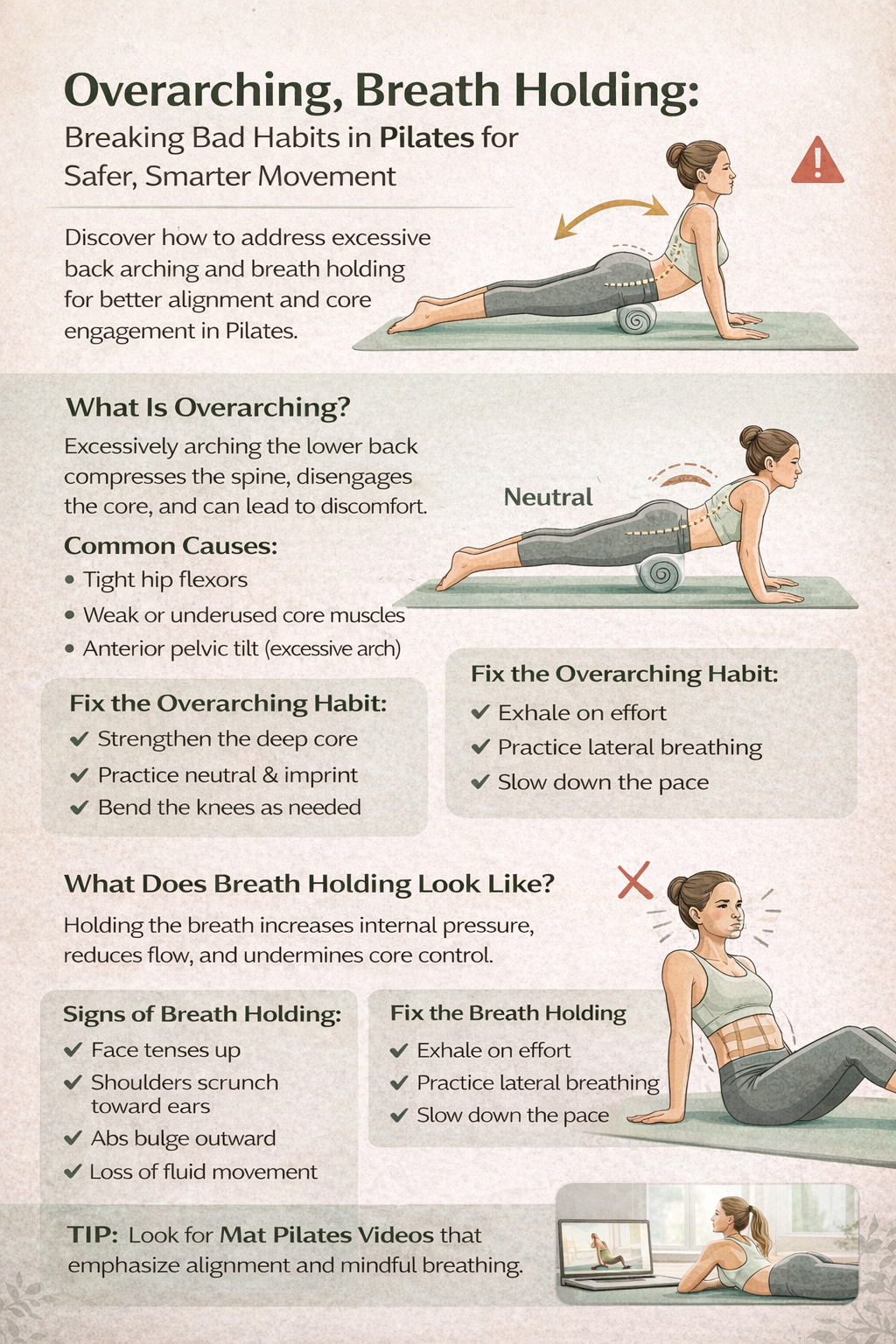
Even in a beginner workout, small errors can reduce results or lead to discomfort.
Holding Your Breath
Many beginners unconsciously hold their breath during effort. Instead, breathe steadily—exhale on exertion (like lifting a leg), inhale on release. This fuels muscles and calms your nervous system.
Rushing Through Form
Pilates is about quality, not speed. Moving too fast sacrifices control. Focus on smooth, deliberate motions—even if that means doing fewer reps.
Arching the Lower Back
In moves like leg lifts or clamshells, avoid overarching your spine. Engage your core by imagining your navel drawing toward your spine. This protects your back and increases effectiveness.
Neglecting the Cool-Down
Skipping stretching reduces flexibility gains and may increase soreness. Use the cool-down as a mental reset—acknowledge your effort and transition mindfully out of workout mode.
How to Progress Over Time
Once this routine feels comfortable, make small upgrades to keep challenging your body.
Add Resistance
Use light dumbbells (2–5 lbs), resistance bands, or ankle weights during cardio intervals. For example, hold weights during step squats or attach a band to your legs for clamshells.
Increase Duration
Repeat the cardio-Pilates block a second time to extend the workout to 45 minutes. Or shorten rest periods from 15 to 10 seconds for greater intensity.
Improve Tempo Control
Try slowing down each rep—e.g., 4 seconds up, 4 seconds down. This increases time under tension, boosting strength and endurance.
Frequently Asked Questions About Cardio Pilates Workouts for Beginners
Is a cardio pilates workout for beginners effective for weight loss?
Yes, when performed consistently and paired with balanced nutrition. This routine elevates your heart rate while building lean muscle, which supports a healthy metabolism over time.
How often should beginners do this cardio pilates workout?
Aim for 3 sessions per week, with rest days in between. This allows your body to recover while building consistency, which matters more than intensity for long-term results.
Do I need any equipment for a beginner cardio pilates routine?
No equipment is required. A yoga mat provides comfort, but you can do this workout on any soft surface. Later, you can add light dumbbells or resistance bands to increase challenge.
Can I do this workout if I have joint pain or injuries?
Generally yes, since it’s low-impact. However, always consult your doctor or physical therapist before starting any new exercise program, especially if you’re recovering from injury.
What makes this different from regular Pilates?
This routine blends traditional Pilates with low-impact cardio intervals, giving you cardiovascular benefits alongside the strength and control of classical Pilates work.
Will I feel sore after my first session?
You may feel mild muscle soreness, especially in your glutes and thighs. This is normal for beginners. Stay hydrated, stretch gently, and the soreness will fade as your body adapts.
Final Thoughts: Consistency Over Intensity in Your Cardio Pilates Journey
A cardio pilates workout for beginners isn’t about pushing hard—it’s about showing up, moving with awareness, and building a foundation. This 31-minute routine delivers full-body benefits without burnout, making it ideal for daily or every-other-day practice.
Remember: fitness isn’t measured by sweat or soreness. It’s measured by consistency, self-compassion, and the willingness to keep going. Whether you’re healing, starting over, or just moving gently today—this workout honors where you are.
Try it 3 times a week, pair it with walks, or use it as active recovery after tougher sessions. Over time, you’ll notice better posture, stronger legs, and a calmer mind.
And when you finish, take a moment during that final full-body stretch to appreciate what your body just did—for you.