Fix Fitness Tracker Not Working Issues
You’ve charged your fitness tracker, synced it with your phone, and started your morning walk, only to find zero steps recorded. You’re not alone. A fitness tracker not working issue affects thousands of users daily, but most problems stem from simple software misconfigurations, permission blocks, or sync failures you can fix in under 10 minutes.
The good news? Whether your device shows no data, fails to sync, or gives erratic GPS routes, this guide covers every common cause and exact fix. We’ll walk through security blocks, OS permissions, Bluetooth sync issues, and hardware troubleshooting. By the end, you’ll know how to diagnose the real problem and get your tracker back on track.
Fix Security Verification Blocks First
Before diving into device settings, confirm you’re not facing a browser-based access issue. What feels like a broken tracker may actually be a login or verification failure blocking access to your fitness dashboard.
Invalid Connection Error Messages
If you see messages like “Invalid connection” or its equivalents in other languages, including Conexión inválida, 不正な接続, or 无效的连接, your browser or network is blocking access to the app’s server.
These errors often follow a pattern:
– “Security verification in progress”
– “Verification Successful (attempted)”
– “Verification Failed (confirmed)”
– Redirect fails
This isn’t your tracker; it’s your network or browser rejecting the connection.
Immediate Browser and Network Fixes
Try these steps in order:
1. Refresh the page to clear temporary glitches.
2. Clear browser cache and cookies to remove corrupted data.
3. Use a different browser like Chrome, Firefox, or Safari.
4. Disable browser extensions such as ad blockers or privacy tools.
5. Check firewall or network settings if you’re on public Wi-Fi or a corporate network.
If another device logs in without issue, the problem is local to your browser. Reset and try again.
Enable Motion and Location Permissions
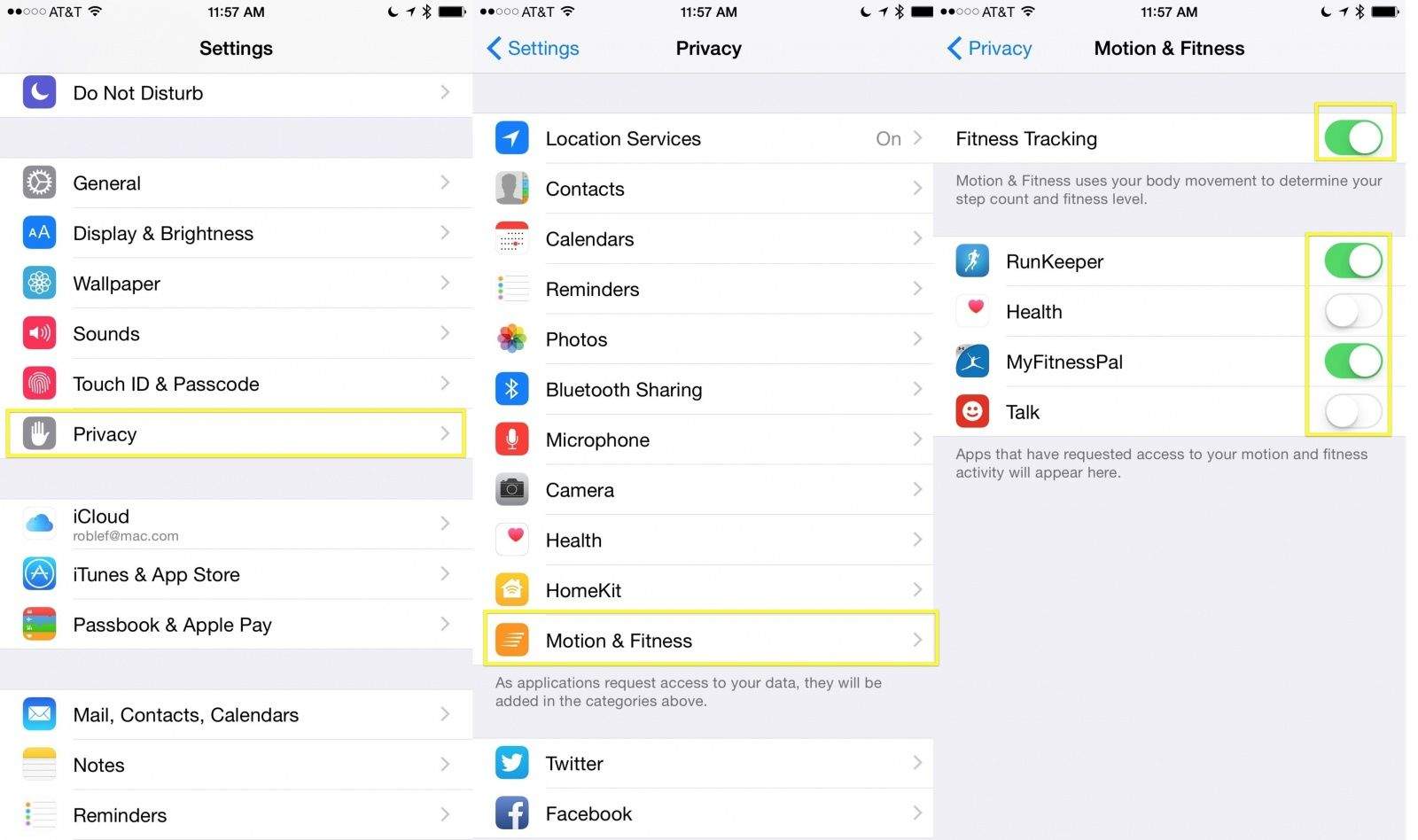
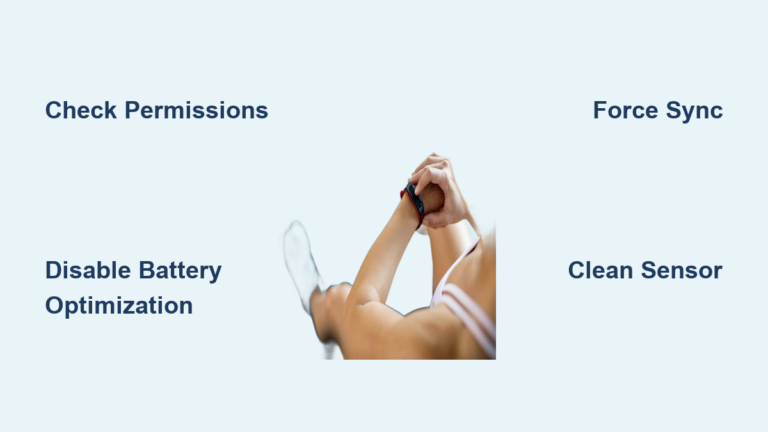
Most tracking failures happen because your phone won’t let the app access motion sensors. Without permission, your fitness app is blind and cannot count steps or calculate distance.
iOS: Turn On Motion and Fitness Access
If your iPhone shows 0 steps or “No Data,” check:
– Settings > Privacy & Security > Motion & Fitness
– Ensure the toggle for your fitness app is ON
Also verify:
– Background App Refresh is enabled under Settings > General
– This allows the app to run quietly and log steps even when closed
Pro Tip: After enabling Motion and Fitness, walk for 2–3 minutes. If steps still don’t update, restart your iPhone. If the issue persists, update iOS or contact Apple Support, as hardware failure is rare but possible.
Android: Grant Physical Activity Permission
Android restricts background sensor access by default.
– Settings > Apps > [Your Fitness App] > Permissions
– Tap Physical activity and set it to Allow
This single setting is the top fix for Android users with frozen step counts.
Stop Battery Optimization from Killing Tracking
Android aggressively shuts down background apps to save power, which kills fitness tracking mid-workout.
To fix:
1. Go to Settings > Battery > Battery Optimization
2. Search for your fitness app
3. Tap it and set to Unrestricted
Now the OS won’t close the app when you’re not using your phone.
Expert Note: Users who charge their phone overnight and track morning walks often miss this step. Without unrestricted battery access, the app may not start tracking until manually opened.
Fix Missing or Inaccurate Distance
If steps appear but distance doesn’t, the issue is location services.
Solution:
– Enable Precise Location for your fitness app
– Start workouts in open areas away from tall buildings or tree cover
GPS needs a clear view of the sky to lock onto satellites. Dense urban areas cause the “urban canyon effect,” where signals bounce off buildings, creating jagged, inaccurate routes.
Quick Test: Walk a known distance like a 400m track. If recorded distance is off by more than 5%, recalibrate in an open area.
Optimize Device Placement and Sensor Contact
Even with perfect settings, poor placement or dirty sensors sabotage accuracy.
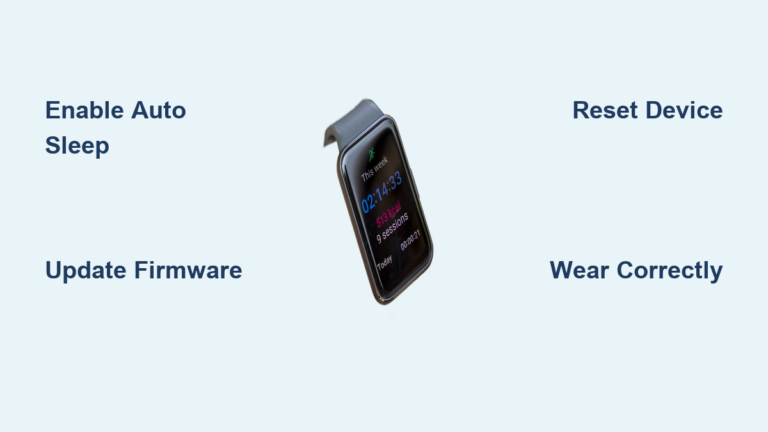
Wear Your Tracker Correctly
Where you carry your device matters:
– Phone in hand causes swinging motion and false step counts
– Phone in backpack blocks GPS signal and prevents location data
– Optimal spot: Front pocket or armband
For wrist-based trackers:
– Wear 1–2 finger widths above the wrist bone
– Band should be snug but comfortable with no gaps
Loose bands cause optical heart rate sensors to miss beats or fail entirely.
Clean the Sensor Lens Regularly
Sweat, sunscreen, and lotion build up on the back of fitness watches, blocking the LED light needed for heart rate readings.
Maintenance routine:
– After every sweaty workout, wipe the sensor with a dry microfiber cloth
– Weekly, clean with a slightly damp cloth (water only, no alcohol)
– Inspect for scratches or cloudiness that could impair light transmission
Warning: A dirty sensor won’t kill your device, but it will make heart rate data unreliable, especially during high-intensity intervals.
Resolve Sync and Bluetooth Failures
Data stuck on your tracker means sync failed. The device recorded steps, but they never reached your phone.
Understand the Sync Chain
Data flows in stages:
1. Sensors
2. Tracker memory
3. Bluetooth
4. Phone app
5. Cloud
A break at step 3 means your data stays trapped on the device.
Fix Bluetooth Sync Issues
When steps appear on your watch but not in the app:
1. Toggle Bluetooth off and on to reset the wireless module
2. Force-close the fitness app to clear stuck processes
3. Open the app again to trigger automatic sync
4. Wait 30 seconds because full sync can take time
If no data appears:
– Unpair and re-pair the device
– This clears corrupted connection profiles and resets encryption
Common Mistake: Users assume no sync means dead battery or broken hardware. In reality, a simple Bluetooth reset fixes most of these cases.
Avoid Wireless Interference
Bluetooth uses the 2.4GHz band, the same as Wi-Fi routers and microwaves.
– Don’t sync near running microwaves
– Stay close to your phone since sync range is typically 30 feet with no obstructions
– Walls, metal, and even your body can block the signal
For best results, sync in the same room with no large barriers.
Diagnose Based on Symptoms
Use this decision matrix to pinpoint your issue fast.
App Shows 0 Steps
Cause: Motion sensor access blocked
Fix:
– iOS: Enable Motion & Fitness permission
– Android: Grant Physical activity permission
Wait 2–3 minutes after enabling. If still zero, restart the phone.
Distance Missing or Wrong
Cause: GPS can’t lock or location disabled
Fix:
– Enable Precise Location
– Start workout in open area
– Wait for GPS lock (solid icon) before moving
Avoid downtown areas or forested trails if accuracy is critical.
Tracking Stops Mid-Workout
Cause: Battery optimization kills background app
Fix:
– Android: Set app to Unrestricted in Battery Optimization
– iOS: Enable Background App Refresh
This is the top cause for interrupted runs or walks.
Steps on Watch, Not on Phone
Cause: Bluetooth sync failure
Fix:
– Toggle Bluetooth
– Force-close and reopen app
– Unpair and re-pair device
Try syncing in a quiet, interference-free space.
No Heart Rate Data
Cause: Poor skin contact or dirty sensor
Fix:
– Tighten band slightly
– Clean sensor with microfiber cloth
– Retest after wiping sweat or lotion
Optical sensors need consistent contact and clean lenses.
GPS Route Looks Jagged or Erratic
Cause: Urban canyon effect or weak signal
Fix:
– Wait for GPS lock in open area before starting
– Avoid narrow city streets with tall buildings
– Use a GPS watch with multi-band support for better accuracy
This is environmental, not a device defect.
“Invalid Connection” in Browser
Cause: Security block from browser or network
Fix:
– Clear cache and cookies
– Disable extensions
– Try a different browser or device
– Check firewall settings
This affects dashboard access, not the tracker itself.
Perform Real-World Diagnostic Tests
Verify your fixes with these simple tests.
Calibration Walk Test
Goal: Check step and distance accuracy
Steps:
1. Walk a known distance (e.g., 400m track)
2. Compare app result to actual distance
3. Acceptable error: ≤5%
If off by more than 5%, recalibrate in open space and retest.
Heart Rate Stress Test
Goal: Confirm HR sensor reliability
Steps:
1. Wear a chest strap if available
2. Compare optical reading to chest strap at rest, jog, and sprint
3. Note any lag or dropouts
If the optical sensor falls behind by more than 10 BPM, clean the lens and tighten the band.
Sync Latency Test
Goal: Measure data transfer speed
Steps:
1. Walk 500 steps with phone off or out of range
2. Turn on Bluetooth and open app
3. Time how long until all steps appear
Full sync should take under 60 seconds. If longer, re-pair the device.
Prevent Future Tracking Failures
Keep your fitness tracker running smoothly with these habits.
Weekly Maintenance Routine
- Clean sensor lens to prevent heart rate errors
- Check band tightness and replace stretched straps
- Verify app permissions since OS updates sometimes reset them
- Restart tracker and phone to clear memory glitches
Before Every Workout
- Confirm GPS lock by waiting for a solid satellite icon
- Ensure unrestricted battery mode, especially on Android
- Wear on dominant wrist to improve step detection accuracy
- Start in open area for a clean GPS signal
When to Seek Support
Contact manufacturer support only if:
– All fixes fail after 2–3 attempts
– Hardware is damaged (cracked screen, water ingress)
– Firmware won’t update after multiple tries
Most “broken” trackers are just misconfigured. The vast majority of cases don’t require replacement.
Frequently Asked Questions About Fitness Tracker Issues
Why does my fitness tracker show 0 steps even after walking?
This usually means motion sensor access is blocked. On iOS, enable Motion & Fitness in Privacy settings. On Android, grant Physical activity permission. Wait a few minutes after enabling, and restart your phone if steps still don’t appear.
How do I fix a fitness tracker that won’t sync to my phone?
Start by toggling Bluetooth off and on, then force-close and reopen the fitness app. If sync still fails, unpair the device and re-pair it to reset the connection. Stay within 30 feet of your phone and avoid interference from Wi-Fi routers or microwaves.
Why does my fitness tracker stop tracking mid-workout?
Android battery optimization is the top cause. Go to Settings > Battery > Battery Optimization, find your fitness app, and set it to Unrestricted. On iOS, enable Background App Refresh under General settings.
Why is my GPS route jagged or inaccurate?
This is likely the “urban canyon effect,” where tall buildings bounce GPS signals and cause erratic readings. Start your workout in an open area to lock onto satellites before moving into dense urban zones.
How do I clean my fitness tracker’s heart rate sensor?
Wipe the sensor with a dry microfiber cloth after every sweaty workout. Weekly, use a slightly damp cloth with water only. Avoid alcohol or harsh chemicals. Clean sensors ensure accurate optical heart rate readings.
When should I contact manufacturer support for a broken fitness tracker?
Reach out only after trying all troubleshooting steps at least 2–3 times. Contact support if you see physical damage, water damage, or persistent firmware update failures. Most issues are software-related and don’t require replacement.
Key Takeaways for Fixing a Fitness Tracker Not Working
A fitness tracker not working is almost always a fixable software or setup issue, not a dead device. Start by checking permissions, then verify Bluetooth sync, device placement, and environmental factors. With the right settings and a quick weekly maintenance routine, your tracker will deliver accurate, reliable data every day.
Your next step: walk through the diagnostic matrix above, apply the matching fix, and run the calibration walk test to confirm everything works. Stay consistent, keep permissions enabled, and clean the sensor regularly. Your health insights depend on it.