Best Cardio for People with Asthma (2026 Guide)
Many people with asthma avoid cardio out of fear that exercise will trigger an attack. The truth is the opposite: cardio for people with asthma is not only safe but actively recommended by medical experts. Regular aerobic activity improves lung function, lowers inflammation, and reduces the frequency of flare-ups over time. The real key lies in choosing the right activities, avoiding known triggers, and following a structured plan that keeps your airways protected. This guide breaks down the best cardio workouts, how to prevent exercise-induced symptoms, and practical steps to stay safe and strong at any fitness level.
Best Cardio Options for Asthma
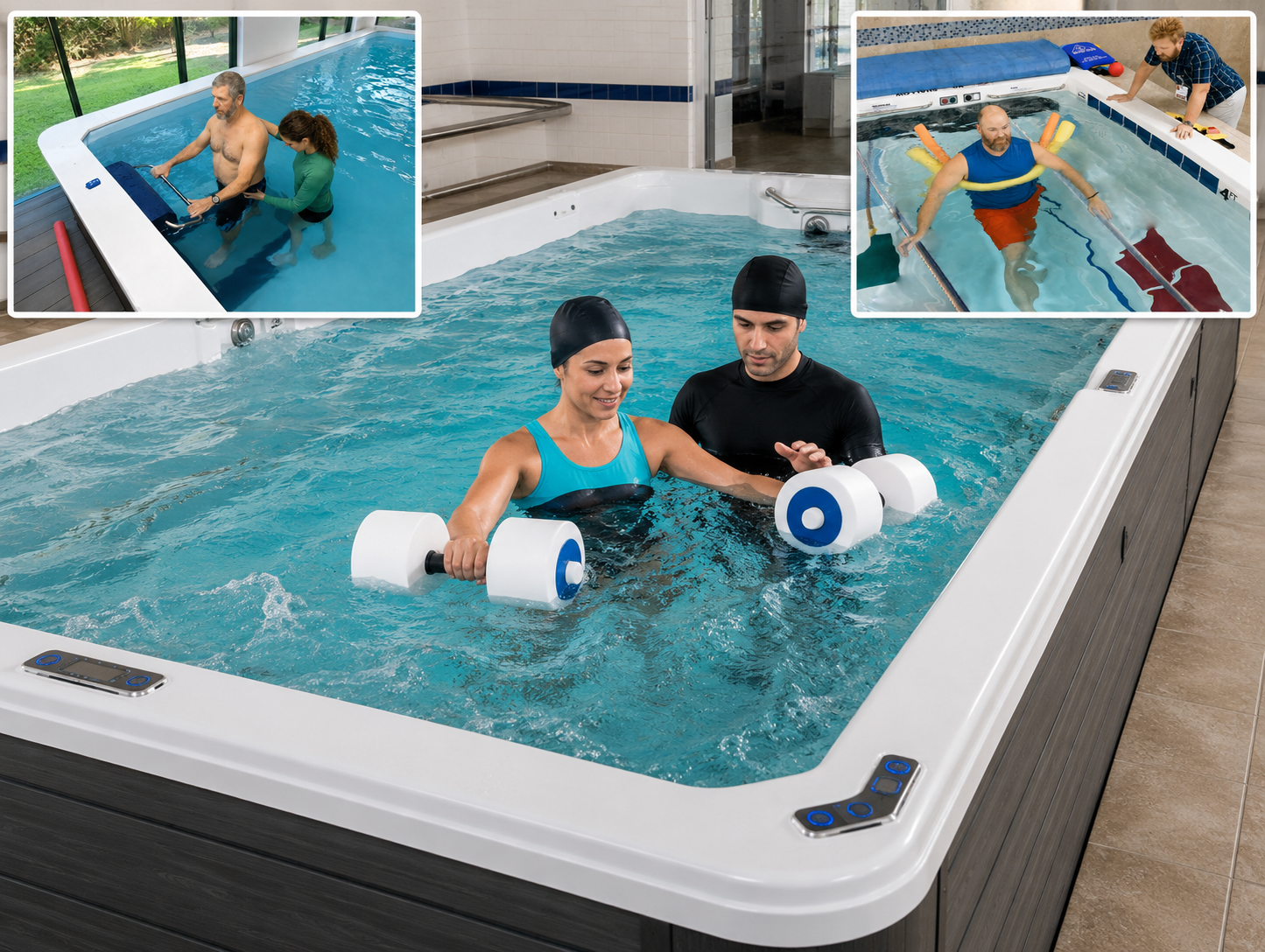
The safest cardio for people with asthma involves short bursts of effort, low-intensity movement, or warm and moist air. These conditions minimize stress on the airways while still building heart and lung strength.
Swimming in Warm, Moist Air
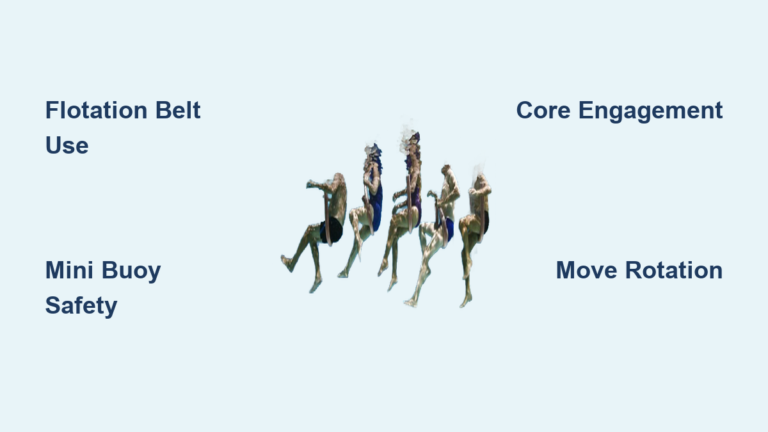
Swimming consistently ranks as the top asthma-friendly cardio option. The humid, warm pool environment soothes sensitive airways and reduces the risk of bronchoconstriction.
- Water pressure on the chest supports breathing mechanics
- The horizontal position helps the lungs expand more fully
- Indoor pools expose you to low pollen and fewer outdoor allergens
Cautions: Some swimmers react to chlorine. If irritation occurs, saltwater pools or open-water swimming may work better. Always keep a waterproof inhaler case poolside for quick access.
Pro Tip: Start with 15-minute sessions and focus on steady, rhythmic breathing. Gradually extend your time as tolerance improves.
Walking at a Conversational Pace
Walking is simple, accessible, and ideal for beginners. It builds endurance without overloading the lungs.
- Frequency: Aim for 3 days per week
- Duration: 30 minutes per session
- Intensity: Use the “Talk Test.” If you can speak comfortably, you are at the right pace
Environment Matters:
– Walk indoors on a treadmill or track during cold weather
– Choose air-conditioned spaces on high-pollen days
Bonus: Walking with a partner boosts motivation and adds a safety layer if they know your asthma action plan.
Hiking on Flat, Low-Pollen Trails
Hiking blends nature and movement, but trail selection matters for asthma management.
- Choose routes with gentle inclines rather than steep climbs
- Check local pollen forecasts before heading out
- Bring your rescue inhaler and stay hydrated
Best Seasons: Late summer and fall often have lower pollen counts than spring.
Recreational or e-Biking for Controlled Effort
Biking offers freedom and fitness, but traditional cycling can strain breathing in cold or windy conditions. An e-bike solves this problem with pedal-assist features.
- Reduce effort instantly when breathing feels tight
- Cover longer distances without overexertion
- Adjust intensity based on how you feel that day
Options:
– City e-bikes for paved paths
– Folding models for easy storage
– Beach cruisers for relaxed rides
Safety First: Always wear a helmet, learn basic handling, and start on quiet streets.
Sports with Built-In Rest Periods
Intermittent sports work well for asthma because the stop-and-go rhythm prevents prolonged airway stress.
Volleyball and Badminton
These sports allow natural recovery between plays.
- Volleyball: Rotations give you time to catch your breath
- Badminton: Lower intensity than tennis and often played indoors
- Doubles Play: Reduces running demands and court coverage
Environment Bonus: Indoor courts limit pollen and cold-air exposure.
Basketball, Baseball, and Soccer
These team sports alternate sprinting with rest, which helps prevent exercise-induced bronchoconstriction (EIB).
- Basketball: Fast breaks alternate with downtime
- Baseball: Long pauses between pitches and plays
- Soccer: Casual play with breaks is manageable; avoid nonstop drills unless your asthma is well-controlled
Low-Impact, Mind-Body Cardio Choices
These workouts blend movement, breath control, and mental focus, making them ideal for long-term asthma management.
Yoga for Breath and Balance
Yoga strengthens the breathing muscles and reduces stress, a known asthma trigger.
- Pranayama (breath control): Teaches slow, deep breathing
- Sun salutations: Gentle flow to warm up the body
- Meditation: Lowers anxiety linked to breathlessness
Best Styles: Hatha, restorative, or gentle flow. Avoid hot yoga, which can dry out the airways.
Pro Tip: Practice among indoor plants if possible. Greenery may improve air quality and breathing comfort.
Pilates for Core and Control
Pilates focuses on precision, core strength, and controlled breathing.
- No pressure to keep pace with others
- Builds posture and diaphragm support
- Can be done on a mat or reformer machine
Start Smart: Work with a certified instructor to learn proper form before practicing alone.
Jump Rope and Rowing: High-Value Home Cardio
These versatile options deliver strong cardio benefits with minimal space or cost.
Jump Rope: Start Small, Build Stamina
Jumping rope is portable, affordable, and effective.
- Beginner Plan: 5 minutes or 150 skips per day
- Progress: Add time or try basic tricks as you improve
- Coordination Help: If skipping feels hard, start with calf raises to build ankle stability
Surface Tip: Use a mat or sprung floor to reduce joint impact.
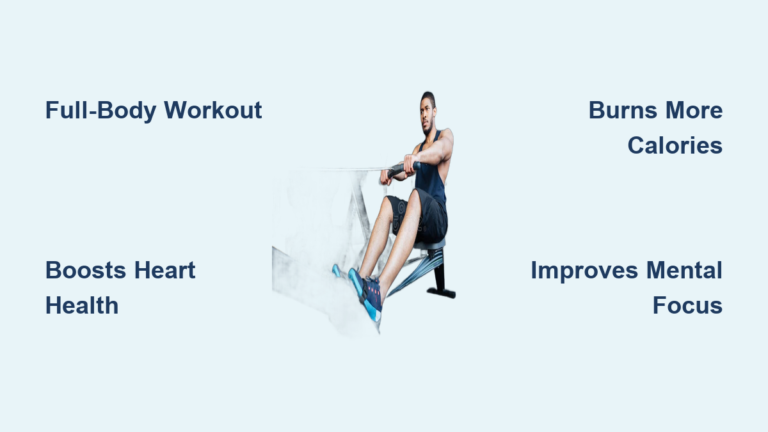
Rowing: Full-Body, Low-Impact Cardio
Rowing machines provide excellent heart training without jarring movements.
- Smooth motion protects joints
- Engages arms, legs, and core simultaneously
- Many models include games (Fish Game, Biathlon) to help pace your effort
Equipment Note: Machines range from $200 to $2,000. Test different resistance types (air, water, magnetic) to find your fit.
Home-Friendly: Compact models fit in small spaces, making daily use realistic.
Strength Training: Anaerobic but Asthma-Safe
While not traditional cardio, strength training supports heart health and suits asthma due to its start-stop rhythm.
Why It Works for Asthma
- Short bursts of effort with rest between sets
- Builds muscle, which improves metabolism and breathing efficiency
- Can include cardio elements through circuit training
Beginner Protocol:
– Start with 5 to 10 lb weights
– Focus on 12 to 15 reps per set
– Rest 60 to 90 seconds between sets
Household Alternatives: Water bottles or canned goods work as effective weights. Free strength apps offer routines for all levels, so no gym membership is required.
Prevent Exercise-Induced Bronchoconstriction (EIB)
EIB involves airway narrowing during or after exercise and affects many people with asthma. It is manageable with the right approach.
Know the Symptoms
EIB typically starts 5 to 20 minutes into exercise and can last 10 to 15 minutes after stopping.
Common Signs:
– Wheezing
– Coughing
– Chest tightness
– Shortness of breath
– Excess mucus (a key sign of asthma, not just poor fitness)
Not Just “Out of Shape”: If you are coughing or wheezing, especially with mucus, it is likely EIB rather than simple deconditioning.
Common Triggers to Avoid
Certain conditions make EIB more likely:
- Cold, dry air: A top trigger, especially in winter
- High pollen or pollution: Check air quality apps before outdoor workouts
- Chlorine fumes: In some indoor pools
- Long, continuous effort: Endurance running versus interval training
Smart Substitutions:
– Run on a treadmill indoors instead of outside in winter
– Choose doubles badminton over singles
– Swap distance running for sprint intervals
Pre-Workout Safety Steps

Prepare your body and environment to prevent asthma symptoms before they start.
Consult Your Doctor First
Never start a new routine without medical approval, especially if your asthma is uncontrolled.
- Discuss which activities are safest for you
- Confirm pre-exercise medication use
- Review your asthma action plan
Specialist Tip: See a pulmonologist or allergist if you are unsure about EIB.
Use Pre-Exercise Medication
If prescribed, use your rescue inhaler 15 to 30 minutes before exercise.
- Prevents airway tightening
- Most effective when timed correctly
- Does not replace daily controller medications
Never Skip Controllers: Long-term meds reduce inflammation and make exercise safer overall.
Warm Up and Cool Down
Skipping warm-ups increases EIB risk significantly.
- Warm-Up: 5 to 10 minutes of light activity like slow walking or arm circles
- Cool-Down: Gradual slowdown to normalize breathing and heart rate
Bonus: Add breathing exercises during cool-down for extra benefit.
Check Your Environment
Asthma-safe exercise depends heavily on conditions.
| Factor | Safe Choice | Risky Choice |
|---|---|---|
| Air Temp | Warm, moist | Cold, dry |
| Location | Indoor, filtered air | Outdoor, high pollen |
| Time of Day | Midday (pollen lower) | Early morning (peak pollen) |
Pro Tip: Use apps like Pollen.com or AirNow.gov to plan workouts around air quality.
During-Workout Management Tips
Stay in control while exercising with these real-time strategies.
Pace Yourself with the Talk Test
For moderate activities, you should be able to talk comfortably.
- If you are gasping, slow down
- Use e-bike assist or take a break
- Switch to walking between intervals
Listen to Your Body: Pushing through symptoms can lead to full attacks.
Stay Hydrated
Dry airways are more reactive. Sip water before, during, and after exercise.
- Dehydration thickens mucus, worsening cough
- Carry a bottle during outdoor activities
Ideal Fluids: Water or electrolyte drinks. Avoid sugary sodas.
Communicate Your Needs
Tell partners, coaches, or teammates about your asthma.
- Let them know when you need a break
- Show them how to help if symptoms occur
- Ensure someone knows where your inhaler is
For Kids: Teach children to speak up immediately if breathing feels off.
Emergency Response: What to Do If Symptoms Strike
Act fast if asthma symptoms appear during exercise.
Immediate Action Steps
- Stop the activity
- Sit down and stay calm
- Use your rescue inhaler (1 to 2 puffs)
- Breathe slowly using pursed-lip or belly breathing
- Wait 5 to 10 minutes
If Symptoms Improve: Resume light activity only when fully recovered.
If No Improvement or Worsening:
– Take another 2 puffs
– Wait 5 more minutes
– Call emergency services if there is still no relief
Pediatric Rule: Children must tell an adult immediately when symptoms start.
Know When to Seek Help
Seek medical attention if you experience:
– Wheezing during exercise
– Coughing that will not stop
– Chest tightness that lingers
– Shortness of breath that does not resolve after rest
– Doubt about whether symptoms are from fitness or asthma
Diagnosis Matters: Only a doctor can confirm EIB versus poor conditioning.
Breathing Techniques to Support Cardio

Train your lungs to work more efficiently with these proven methods.
Diaphragmatic (Belly) Breathing
Strengthens the diaphragm and reduces breathing effort.
- Lie on your back with hands on your belly
- Inhale slowly through your nose and feel your belly rise
- Exhale through pursed lips as your belly falls
- Practice 5 to 10 minutes daily
Use During Exercise: Apply during cool-down or recovery breaks.
Pursed-Lip Breathing
Keeps airways open longer and slows your breathing rate.
- Inhale through your nose for 2 counts
- Exhale through pursed lips (like blowing out a candle) for 4 counts
- Use during or after exertion
Benefit: Reduces trapped air in the lungs, which is common in asthma.
Buteyko and Pranayama
- Buteyko: Focuses on nasal breathing and reduced breath volume, which may reduce hyperventilation
- Pranayama: Yogic techniques like Nadi Shodhana (alternate nostril breathing) for calm and control
Note: These support but do not replace medication.
Build Your Asthma Action Plan

A personalized plan is your roadmap to safe, active living.
What It Should Include
- Green Zone: Activities you can do safely
- Yellow Zone: Warning signs and when to slow down
- Red Zone: Emergency steps and when to call 911
- Medication Schedule: Pre-exercise and daily use
- Triggers to Avoid: Cold air, pollen, chlorine, and others
Work With Your Doctor: Update the plan regularly based on symptoms and activity goals.
Match Activity to Your Profile
| User Type | Best Choices | Tips |
|---|---|---|
| Beginner | Walking, swimming, e-biking | Start slow, focus on consistency |
| Social Exerciser | Volleyball, hiking, walking groups | Inform others of your plan |
| Home Exerciser | Yoga, jump rope, bodyweight training | Use apps for guidance |
| Competitive | Doubles badminton, swimming, sprint intervals | Strict trigger control, precise meds |
| Allergy Sufferer | Indoor cycling, badminton, Pilates | Check pollen daily |
Frequently Asked Questions About Cardio for People with Asthma
What is the best cardio exercise for someone with asthma?
Swimming is widely considered the best option because the warm, moist air soothes airways and indoor pools reduce allergen exposure. Walking, e-biking, and low-intensity cycling are also excellent choices for beginners.
How can I prevent asthma attacks during exercise?
Use your rescue inhaler 15 to 30 minutes before activity if prescribed, warm up for 5 to 10 minutes, avoid cold dry air and high-pollen environments, and stay hydrated. Following your asthma action plan consistently is the most effective prevention strategy.
Is it safe to do cardio every day with asthma?
Yes, daily cardio is safe for most people with well-controlled asthma. Start with shorter sessions and lower intensity, then gradually build up. Always consult your doctor before establishing a daily routine.
What should I do if I have an asthma attack while exercising?
Stop the activity immediately, sit down, and use your rescue inhaler (1 to 2 puffs). Practice slow pursed-lip breathing and wait 5 to 10 minutes. If symptoms do not improve, take another 2 puffs and call emergency services if relief does not come.
Can children with asthma participate in sports and cardio?
Absolutely. Children with asthma can safely play sports like baseball, volleyball, and badminton. Teach them to tell an adult right away if breathing feels off, and ensure coaches know about the condition and the child’s action plan.
How do I know if my symptoms are from being out of shape or from asthma?
Being out of shape usually causes only shortness of breath. Asthma and EIB cause more severe symptoms, including wheezing, persistent coughing, and excess mucus. If you experience these signs, see a doctor for proper diagnosis.
Key Takeaways for Exercising Safely with Asthma
Cardio for people with asthma is not about limitation. It is about making smart, informed choices that protect your airways while building strength and endurance. Focus on activities like swimming, walking, e-biking, and intermittent sports that match your fitness level. Always warm up, use prescribed medications on schedule, and monitor your environment for triggers like cold air and high pollen. Build a personalized asthma action plan with your doctor and update it as your fitness improves. Start small, listen to your body, and celebrate every step forward. Your lungs and your heart will grow stronger together.