Best Cardio Exercises for Arthritis (2026 Guide)
If arthritis pain makes movement feel like a bad idea, you are not alone. Many people instinctively rest sore joints, yet research shows that staying active cuts the risk of osteoarthritis-related disability by 43%. The right cardio exercises for arthritis strengthen the muscles that support your joints, improve flexibility, and ease stiffness, all without the pounding of high-impact workouts.
This guide covers the safest, most effective cardio options for arthritic joints. You will learn how to match activities to your condition, build a 30-day plan, and avoid common mistakes that trigger flare-ups. Whether you have osteoarthritis, rheumatoid arthritis, or fibromyalgia, gentle, consistent movement can become your daily medicine.
Choose Low-Impact Cardio Wisely
Low-impact does not mean low results. These workouts elevate your heart rate while keeping joint stress minimal through controlled motion or water buoyancy. The goal is smooth movement, proper alignment, and zero jarring forces.
Why Low Impact Matters
High-impact activities like running or jumping can send compressive forces through your knees and hips at five times your body weight. For arthritic joints, that accelerates wear and pain. Low-impact cardio keeps ground reaction forces low. Water reduces joint load by up to 75%, while cycling and elliptical training eliminate impact entirely.
The phrase “motion is lotion” reflects medical consensus. Joints need synovial fluid circulation to stay nourished and lubricated. Movement stimulates this process, reducing stiffness and slowing degeneration.
Match Exercise to Your Arthritis Type
Different forms of arthritis respond to different activities. Tailor your choice to your condition:
- Osteoarthritis (OA): Focus on joint protection. Swimming, recumbent biking, and walking on soft trails are ideal.
- Rheumatoid Arthritis (RA): Prioritize fatigue management. Short sessions of 5–10 minutes work better than long bouts.
- Fibromyalgia: Emphasize gentle rhythm and stress reduction. Water aerobics and tai chi improve pain tolerance.
- Post-Joint Replacement: Wait until incisions heal. Begin with water walking or stationary cycling under supervision.
Always consult your doctor or physical therapist before starting, especially if you have balance issues, osteoporosis, or recent surgery.
Swim and Move in Water
Water therapy is the gold standard for moderate to severe arthritis. Buoyancy supports body weight while resistance builds strength, with no joint pounding.
Water Walking Builds Confidence
Walking in waist-deep water cuts joint load by 50% compared to land. Each step becomes a controlled, full-range movement that strengthens legs without impact.
- How to start: Walk forward, backward, and sideways for 10–15 minutes. Use pool walls for balance if needed.
- Pro tip: Wear water shoes with grip to prevent slips.
- Avoid: Overdoing it. Enthusiasm in water can lead to fatigue and next-day joint soreness.
Water Aerobics for Full-Body Conditioning
Chest-deep water reduces joint stress by 75% while allowing dynamic movement. Classes typically include arm sweeps, leg lifts, and gentle jumps with both feet staying in contact.
- Warm up: 5–10 minutes of easy walking and arm circles.
- Best for: Those with hip, knee, or spine arthritis.
- Find programs: Check local YMCAs or the Arthritis Foundation’s aquatic network.
Swim with Joint-Safe Strokes
Swimming builds cardiovascular endurance and works all major muscle groups.
- Best stroke: Freestyle (front crawl). It keeps legs straight, minimizing knee and hip strain.
- Avoid: Breaststroke. The whip kick rotates hips and stresses knees.
- Start slow: Begin with 5–10 minutes, rest, then repeat. Use a kickboard if arm pain flares.
Walk Without Joint Pain
Walking is accessible, free, and effective for mild to moderate arthritis. It is fully weight-bearing but low-impact when done correctly.
Treadmill Walking for Controlled Progress
A treadmill lets you control speed, incline, and stability.
- Start: 10–15 minutes, 3+ days per week.
- Increase: Add 5 minutes weekly until reaching 30 minutes.
- Incline limit: Never exceed 5% to 10%. Higher slopes alter gait and stress knees.
- Use handlebars: For balance, but avoid leaning, which strains shoulders.
Outdoor Walking on Joint-Friendly Surfaces
Nature boosts mental health, but surface choice matters.
- Best: Smooth dirt or gravel trails. They absorb shock better than concrete.
- Avoid: Asphalt, cracked sidewalks, and uneven terrain.
- Downhill caution: Walking downhill increases knee compression. Take shorter steps or use trekking poles.
Try Nordic Walking for Full-Body Support
Using poles engages arms, shoulders, and core while unloading hips and knees.
- Benefits: Up to 20% less joint force compared to regular walking.
- Gear: Adjustable poles with wrist straps reduce grip strain.
- Technique: Swing arms opposite legs, planting poles diagonally.
Cycle to Protect Joints
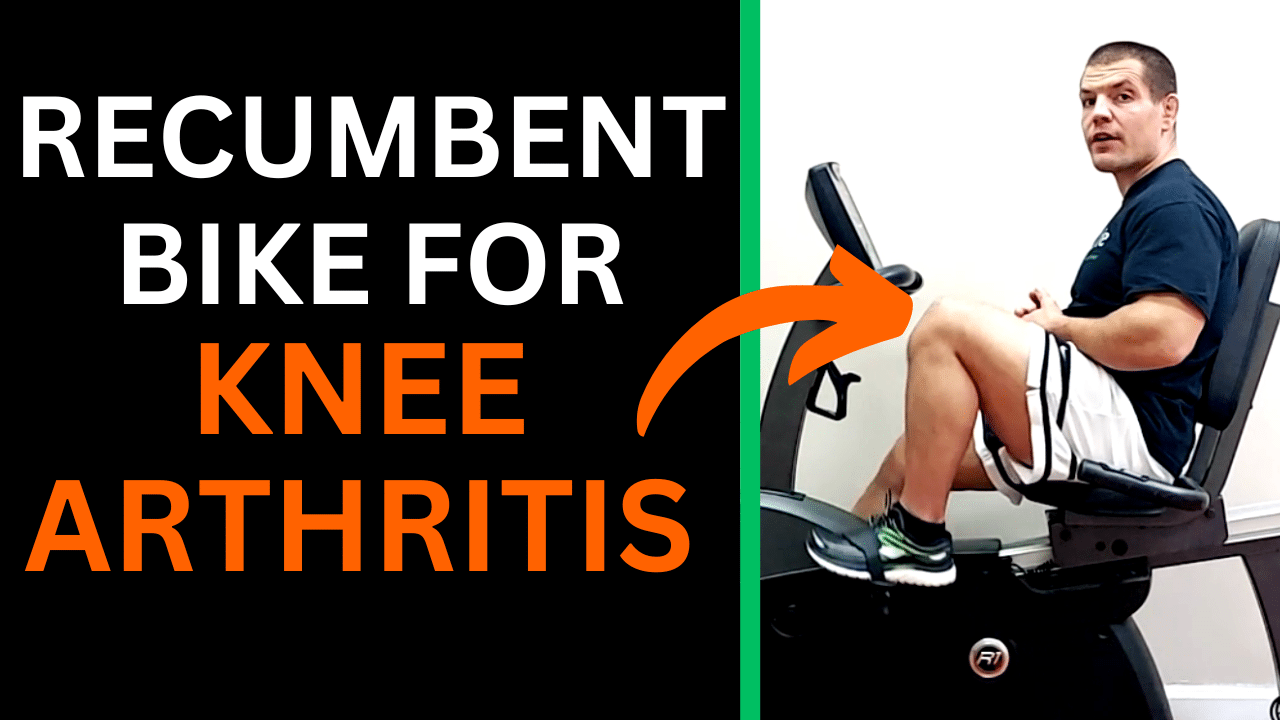
Cycling is non-weight-bearing, making it ideal for lower-body arthritis. It builds quad and hamstring strength without pounding.
Use Recumbent Bikes for Back and Knee Relief
Recumbent bikes support your back and position legs forward, reducing knee flexion.
- Ideal for: People with back pain, knee OA, or post-surgery recovery.
- Seat adjustment: Set height so knees are slightly bent at the bottom of the pedal stroke.
- Session length: Start with 10–15 minutes, increase by 5 minutes weekly.
Avoid Upright Bike Pitfalls
Upright bikes may worsen symptoms if not adjusted properly.
- Problems: Hunched posture stresses wrists, elbows, and lower back.
- Fix: Raise handlebars to chest level. Use padded gloves to absorb vibration.
- Alternative: Use a hybrid or comfort bike outdoors with upright seating.
Use Cardio Machines Safely

Gym machines offer predictable motion and joint protection when used correctly.
Elliptical Training Without Joint Stress
Ellipticals mimic running without impact. The pedals move in a smooth oval, reducing knee shear forces.
- Start: 10-minute sessions at lowest resistance and slope.
- Progress: Add 5 minutes weekly. Only increase resistance after 30 minutes feels easy.
- Caution: Not ideal for balance issues. Hold rails lightly or skip if unstable.
Rowing Machines for Total-Body Work
Rowers engage legs, back, shoulders, and arms without knee strain.
- Technique: Drive with legs first, then lean back, then pull arms. Reverse smoothly.
- Modify: Reduce resistance if wrist or shoulder pain occurs.
- Best for: Upper-body arthritis with strong lower limbs.
Stair Machines: Use with Caution
Some stair climbers offer fluid motion, but others force deep knee bends.
- Test first: Try 2–3 minutes. Stop if knees burn or ache.
- Limit: Avoid if you have patellofemoral pain or advanced knee OA.
- Alternative: Step-ups on a low platform (4–6 inches) with hand support.
Practice Mind-Body Cardio
These activities blend aerobic benefits with mental focus, balance, and flexibility.
Tai Chi for Balance and Pain Relief
This slow martial art uses flowing movements to improve stability and reduce arthritis pain.
- Benefits: Proven to reduce falls and joint stiffness.
- Modify: Perform seated if standing is painful. Focus on arm motions and breathing.
- Shoes: Wear flat, flexible sneakers with good grip.
Yoga to Improve Flexibility and Mood
Yoga increases range of motion and reduces stress-related pain spikes.
- Best styles: Iyengar or chair yoga, which emphasize alignment and use props.
- Avoid poses that compress joints, such as deep lunges or wrist-heavy planks.
- Resting pose: Always know how to return to child’s pose or savasana.
Pilates for Core Stability
Pilates strengthens deep core muscles that support spine and pelvis.
- Safe setup: Use mats with extra cushioning. Avoid forward bends if you have osteoporosis.
- Focus: Pelvic tilts, leg slides, and spine articulation within pain-free range.
- Best with instructor: One-on-one sessions ensure proper form.
Play Low-Impact Sports
Social, fun, and surprisingly aerobic, these activities keep you moving without isolation.
Golf: Walk, Don’t Ride
Walking an 18-hole course covers 3–5 miles, offering excellent low-impact cardio.
- Joint-friendly gear: Use lightweight graphite clubs and a wheeled cart.
- Footwear: Soft-spike shoes or walking sneakers.
- Warm up: Rotate torso and swing light irons before starting.
Bocce Ball for Social Movement
This slow-paced game keeps you upright and moving.
- Benefits: Minimal bending or lunging. Great for hand arthritis if tossing gently.
- Limit: Avoid overextending arms. Use underhand rolls if shoulder hurts.
Shuffleboard for Arm and Leg Engagement
Pushing the cue works arms; stepping along the board moves legs.
- Risk: Deep lunges stress knees. Push gently to avoid shoulder strain.
- Shoes: Wear non-slip sneakers to prevent slips on smooth surfaces.
Cross-Country Skiing for Total-Body Fitness
A moderate to vigorous workout with minimal joint twisting.
- Best for: Mild arthritis and good balance.
- Avoid: If you have shoulder or hip OA.
- Learn first: Take lessons to master falling and getting up safely.
Strengthen and Stretch Weekly
Cardio alone is not enough. Muscles must support joints. Include strength and flexibility work 2–3 times per week.
Strengthen Key Muscle Groups
Strong muscles absorb shock and stabilize joints.
- Frequency: 2–3 days per week, with 48 hours rest between sessions.
- Reps: 1–3 sets of 8–12 repetitions.
- Equipment: Resistance bands, ankle weights, or soup cans.
Lower Body Exercises
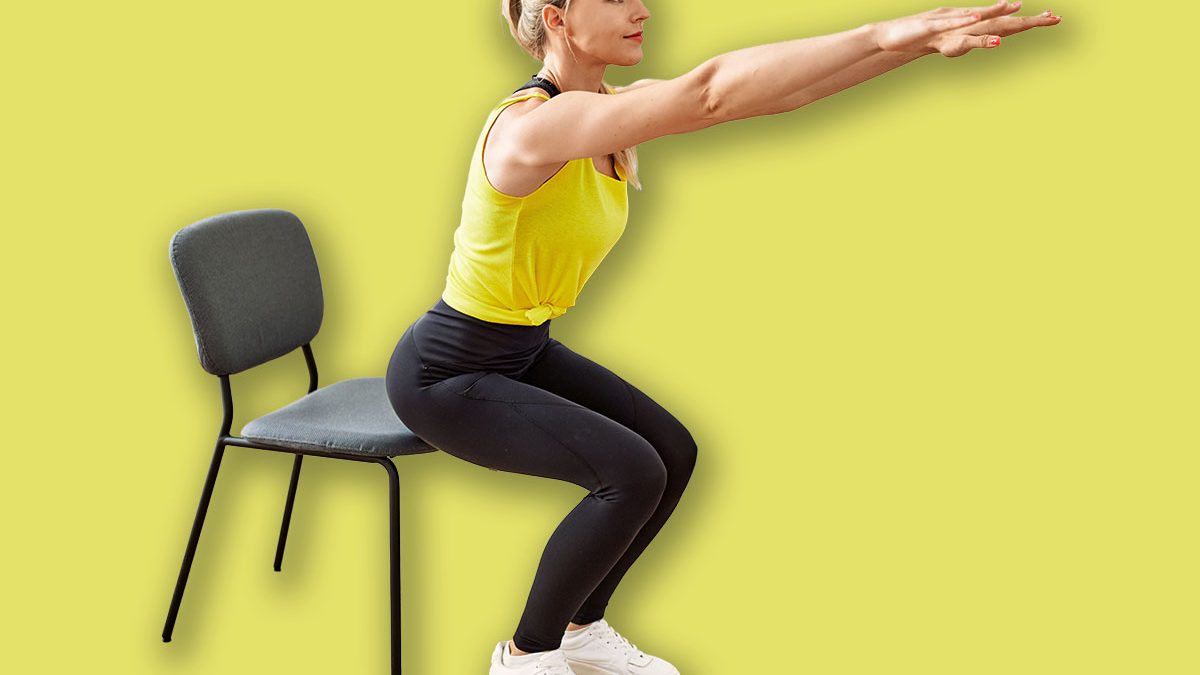
– Chair squats: Lower slowly until you touch the seat, then stand.
– Bridges: Lie on back, lift hips, squeeze glutes.
– Side leg raises: Strengthen hip abductors to prevent knee drift.
Core and Upper Body
– Elbow planks: Reduce wrist strain compared to full planks.
– Seated rows with band: Strengthen back, improve posture.
– Bicep curl to shoulder press: Builds arm endurance for daily tasks.
Stretch Daily to Prevent Stiffness
Hold each stretch 20–30 seconds. Never bounce.
- Calf stretch: Against wall, back leg straight, heel down.
- Quad stretch: Standing, pull heel to buttocks, keep knees close.
- Hamstring stretch: Sit on chair edge, reach toward toes, back straight.
- Hip stretch: Lie on back, pull both knees to chest.
Follow Safety Rules Religiously
Even gentle exercise can backfire without precautions.
Warm Up and Cool Down
- Warm-up: 3–5 minutes of light marching or arm swings.
- Water classes: Extend to 5–10 minutes.
- Cool-down: 5 minutes of slow walking or stretching to prevent stiffness.
Monitor Pain Signals
- Mild discomfort at start: Normal. Often fades in 5 minutes.
- Severe pain during exercise: Stop immediately.
- Joint pain (not muscle): Modify or switch activities.
- Post-exercise soreness: Expected initially. If it lasts more than 2 hours, reduce intensity next time.
Schedule Rest and Recovery
- Rest days: 1–2 per week.
- Active recovery: Gentle stretching or walking.
- Fatigue? Break activity into 5–10 minute chunks throughout the day.
Adapt for Special Needs
Customize your routine based on physical limits.
After Joint Replacement
- Wait: Until surgical incisions are fully healed (typically 4–6 weeks).
- Start with: Water walking, recumbent cycling, or seated tai chi.
- Avoid: High resistance or deep ranges until cleared by PT.
With Balance Issues
- Avoid: Ellipticals or uneven trails.
- Use support: Hold treadmill rails, walk with poles, or exercise near a wall.
- Best options: Stationary bike, water aerobics, chair yoga.
Osteoporosis and Spine Safety
- Never bend forward with rounded back. This risks spinal fractures.
- Modify: Pilates and yoga poses to keep spine neutral.
- Focus: On extension-based movements, such as lying face down and lifting the chest.
Hand and Wrist Arthritis
- Grip solutions: Tie resistance bands to wrist straps.
- Avoid: Weight-bearing on hands. Use elbow planks.
- Cycling: Wear padded gloves; avoid drop handlebars.
Fix Common Problems Fast
Do not let setbacks derail progress. Use this quick guide.
| Issue | Action |
|---|---|
| Tired after 5 minutes | Break into 5–10 minute chunks. Rest between. |
| Knees hurt walking downhill | Take smaller steps. Use trekking poles. Avoid steep slopes. |
| Swelling after swimming | Reduce session time. Ensure proper warm-up. |
| Bored with routine | Cross-train: alternate swimming, cycling, and tai chi. |
| Can’t grip bands | Use wrist loops or ankle weights instead. |
| Pain worsens over days | Scale back intensity. See physical therapist. |
Start a 30-Day Cardio Plan
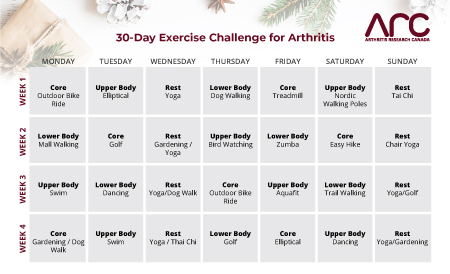
Build consistency without burnout.
Week 1: Begin Gently
- Cardio: 5–10 minutes daily (walking, cycling, or water walking).
- Strength: 2 days (chair squats, bridges, seated rows).
- Stretch: Daily, after activity.
Week 2: Increase Duration
- Cardio: 15 minutes, 5 days.
- Add: One yoga or tai chi session.
- Track steps: Aim for 5,000 per day.
Week 3: Build Stamina
- Cardio: 20–25 minutes, 5 days.
- Try: Elliptical or rowing machine (10 minutes).
- Strength: 3 sets instead of 1.
Week 4: Reach 150 Minutes
- Cardio: 30 minutes, 5 days (150 minutes total).
- Mix it up: Swim twice, cycle once, walk twice.
- Use app: Track progress with OPERAS to link activity and symptoms.
Stay Motivated
- Join a class: Water aerobics or bocce league.
- Invite a friend: Walking partners boost accountability.
- Reward consistency: Not performance.
Frequently Asked Questions About Cardio Exercises for Arthritis
What are the safest cardio exercises for arthritis?
Low-impact options like water walking, swimming, recumbent cycling, and treadmill walking are safest. These activities elevate your heart rate while keeping joint stress minimal, making them ideal for osteoarthritis, rheumatoid arthritis, and fibromyalgia.
How often should I do cardio if I have arthritis?
Aim for at least 150 minutes of moderate-intensity aerobic activity per week, broken into 30-minute sessions across 5 days. If that feels like too much, start with 5–10 minute chunks throughout the day and build up gradually.
Can cardio make arthritis pain worse?
Cardio done correctly should reduce pain over time. However, pushing through severe joint pain or overdoing high-impact activities can trigger flare-ups. Stop immediately if you feel sharp pain, and modify or switch activities if joint discomfort persists beyond two hours post-workout.
Is swimming better than walking for arthritis?
Both are excellent. Swimming in chest-deep water reduces joint load by 75%, making it ideal for moderate to severe arthritis. Walking on soft trails is more accessible and works well for mild cases. Many people alternate between the two for variety.
Should I exercise during an arthritis flare-up?
During active flare-ups, reduce intensity or switch to gentle movement like stretching or chair yoga. Avoid forcing painful joints through full-range motion. Once symptoms calm, gradually resume your regular cardio routine.
What should I do if my hands hurt when gripping exercise equipment?
Tie resistance bands to wrist straps instead of gripping them directly. Use padded cycling gloves and avoid drop handlebars. For weight-bearing exercises, switch from full planks to elbow planks to reduce wrist load.
Key Takeaways for Building Your Arthritis-Friendly Cardio Routine
The best cardio exercises for arthritis share three qualities: low impact, smooth motion, and sustainability. Water-based activities, cycling, walking on soft surfaces, and elliptical training all protect joints while building the endurance and strength you need for daily life.
Start with just 5–10 minutes a day, prioritize proper warm-up and cool-down, and listen to your body’s pain signals. Pair your cardio with 2–3 weekly strength sessions and daily stretching to fully support your joints.
Your next step: Choose one activity from this guide, schedule it for tomorrow, and commit to just 10 minutes. Consistency, not intensity, is what turns movement into long-term relief.