Cardio Exercise for Hair Growth: Does It Work?
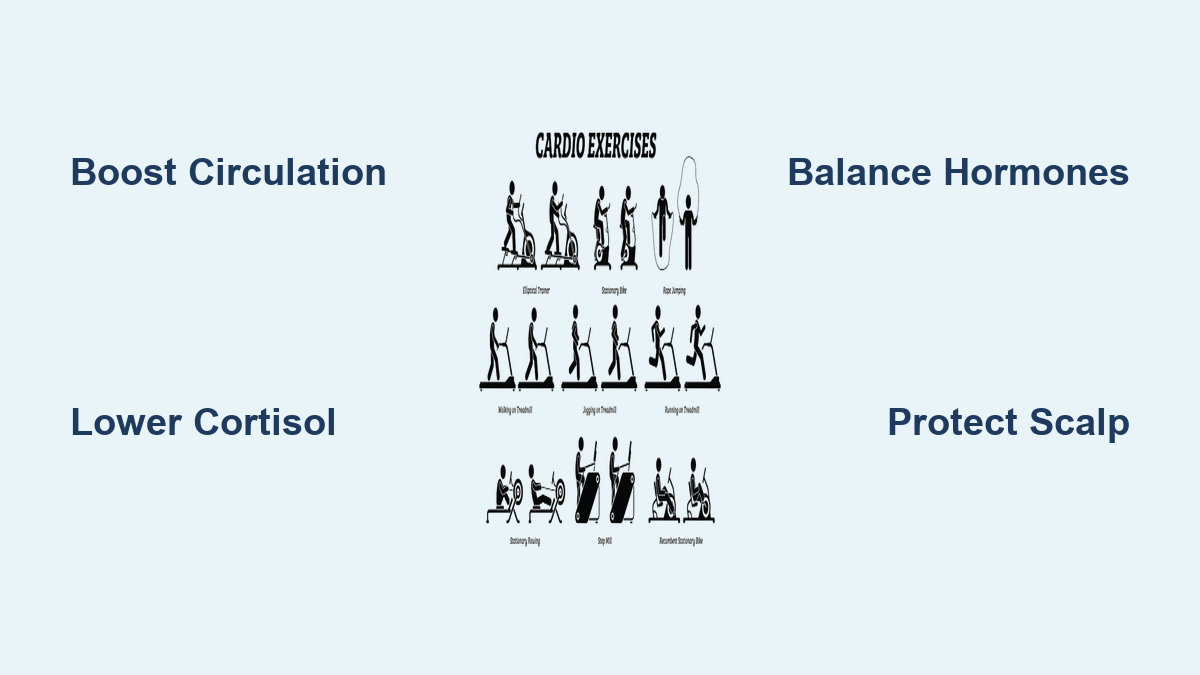
If you’re noticing more strands in your brush or a thinning hairline, your workout routine might hold part of the solution. Cardio exercise for hair growth isn’t hype; it’s a science-supported strategy that improves scalp circulation, lowers stress hormones, and helps balance the androgens linked to thinning. While no treadmill session can resurrect dead follicles, consistent aerobic activity creates the internal environment your hair needs to thrive.
Research from Central South University found that people doing aerobic sessions over 60 minutes were 5.4 times more likely to report hair improvement than those doing light leisure activities. Below, you’ll find the exact cardio protocols proven to support hair health, which workouts may backfire, and how to protect your strands while breaking a sweat.
Boost Scalp Circulation with Aerobic Exercise

Your scalp relies on a dense network of tiny blood vessels to feed each follicle oxygen and nutrients. When that supply drops, follicles shrink and hairs grow thinner until they stop altogether.
Scalp Hypoxia and Hair Loss
Thinning regions of the scalp can have up to 60% less oxygen than healthy areas. This condition, known as scalp hypoxia, shortens the growth phase and pushes follicles toward miniaturization. Cardiovascular exercise elevates your heart rate and forces blood into peripheral tissues, including the scalp, delivering nourishment that topical treatments alone may miss.
Long-Duration Cardio Maximizes Blood Flow
Short workouts rarely generate enough sustained pressure to reach oxygen-starved zones. The 2021 Central South University study found that only sessions lasting more than 60 minutes were strongly linked to improved hair status. Prolonged aerobic effort triggers vasodilation, the widening of blood vessels, mimicking the effect of minoxidil and allowing nutrient-rich plasma to penetrate deep into the dermal papilla.
Pro Tip: Aim for “Zone 2” cardio, a moderate intensity where you can talk but not sing. This keeps your heart rate elevated without spiking cortisol.
Reduce Stress-Induced Shedding with Cardio
Stress is one of the leading triggers of telogen effluvium (TE), a condition where physical or emotional shock pushes large numbers of follicles into the resting phase, causing visible shedding 2–3 months later.
Cortisol’s Role in Hair Loss
Chronic stress floods your system with cortisol, a hormone that shortens the anagen (growth) phase and prolongs the telogen (resting) phase. Moderate-intensity cardio lowers baseline cortisol over time while boosting endorphins and serotonin, breaking the stress-shedding cycle before it starts.
Optimal Cardio for Stress Relief
For maximum cortisol reduction, target:
– Duration: 30–45 minutes per session
– Frequency: 4 times per week
– Intensity: Use the talk test; you should be able to speak in full sentences but feel slightly breathless
Brisk walking, jogging, and swimming all qualify. These activities keep your body in a recovery state rather than a chronic stress state.
Warning: Overtraining has the opposite effect. Excessive exercise elevates cortisol and can trigger TE. If you notice sudden shedding about 3 months after starting an intense regimen, overexertion could be the cause.
Balance Hormones That Affect Hair Growth
Hormonal imbalances, especially involving dihydrotestosterone (DHT), sit at the center of androgenic alopecia in both men and women. The type of cardio you choose can either help or hinder this hormonal balance.
How DHT Causes Hair Loss
DHT forms when testosterone converts via the enzyme 5α-reductase. In genetically sensitive individuals, DHT binds to follicle receptors, shrinking them over time until growth stops entirely.
Long-Duration Cardio May Lower Testosterone
While short bursts of intense exercise can temporarily spike testosterone, endurance cardio has the opposite effect. Marathon runners and ultra-endurance athletes often show lower baseline testosterone, which may reduce DHT availability to follicles and slow miniaturization.
Avoid High-Intensity Workouts That Spike DHT
Frequent anaerobic training, like heavy weightlifting or sprinting, can elevate testosterone and DHT levels, especially without adequate recovery. For men with a genetic predisposition to balding, this may accelerate loss.
Solution: Balance strength sessions with aerobic work. Follow a heavy lift with a 30-minute jog or bike ride to help stabilize hormones.
Best Cardio Exercises for Hair Growth
Choose activities that sustain moderate intensity for extended periods to maximize scalp benefits.
Jogging or Running
Running maintains an elevated heart rate over time, making it one of the most effective cardio exercises for hair growth.
– Ideal Session: 60+ minutes at a conversational pace
– Benefit: Maximizes peripheral blood flow and lowers cortisol
– Tip: Use soft surfaces like dirt trails to reduce joint impact and allow longer sessions
Swimming
Swimming offers full-body aerobic conditioning with minimal joint stress.
– Caveat: Chlorine and salt water can dry out hair and scalp
– Protection: Wear a swim cap and rinse immediately after swimming
– Bonus: Water resistance enhances circulation without high impact
Cycling
Steady-effort cycling, whether outdoors or on a stationary bike, supports prolonged aerobic output.
– Duration Goal: 60–90 minutes
– Intensity: Maintain 60–70% of your max heart rate
– Scalp Note: Wear a moisture-wicking headband to absorb sweat and prevent clogged follicles
Brisk Walking
Walking works for beginners or those with joint issues, provided you extend the duration.
– Minimum Time: 75–90 minutes to achieve vascular benefits
– Pace: Fast enough to raise your heart rate but allow conversation
– Best Time: Morning walks add sunlight exposure for vitamin D, another nutrient that supports hair
Aqua Aerobics or Bootcamps
Water-based classes combine resistance and cardio while reducing physical strain.
– Ideal For: Seniors or anyone with mobility limitations
– Hair Protection: Always rinse after class to remove chlorine
– Added Benefit: Hydrostatic pressure in water enhances venous return and circulation
Avoid These Hair-Damaging Exercise Habits

Cardio supports hair growth, but certain fitness behaviors can undo your progress.
Overtraining and Elevated Cortisol
Pushing too hard too often keeps your body in chronic stress mode.
– Signs: Fatigue, insomnia, increased resting heart rate, sudden shedding
– Timeline: Hair loss appears 2–3 months after overtraining begins
– Fix: Add rest days and prioritize moderate aerobic sessions over max-effort workouts
Rapid Weight Loss and Nutrient Deficits
Crash dieting combined with intense cardio can shock your body into survival mode, redirecting resources away from hair.
– Result: Telogen effluvium as the body prioritizes vital organs
– Prevention: Eat a balanced diet rich in protein, iron, zinc, and B vitamins
– Rule: Never lose more than 1–2 pounds per week
Environmental Damage from Outdoor Workouts
Sun, chlorine, and sweat can degrade hair structure and irritate your scalp.
| Threat | Risk | Prevention |
|---|---|---|
| UV Radiation | Keratin breakdown, dryness, breakage | Wear a hat or apply UV-protectant spray |
| Chlorine/Salt Water | Strips natural oils, weakens shaft | Rinse immediately; use a swim cap |
| Sweat Buildup | Clogs follicles, causes irritation | Wash or rinse hair post-workout |
Testosterone-Boosting Supplements
Many bodybuilding supplements increase DHT precursors, accelerating genetic hair loss.
– Avoid: DHEA, tribulus terrestris, and prohormones
– Safer Alternatives: Whey protein, creatine, BCAAs
– Best Source: Natural protein from eggs, fish, and nuts
Maintain Hair Health During Exercise
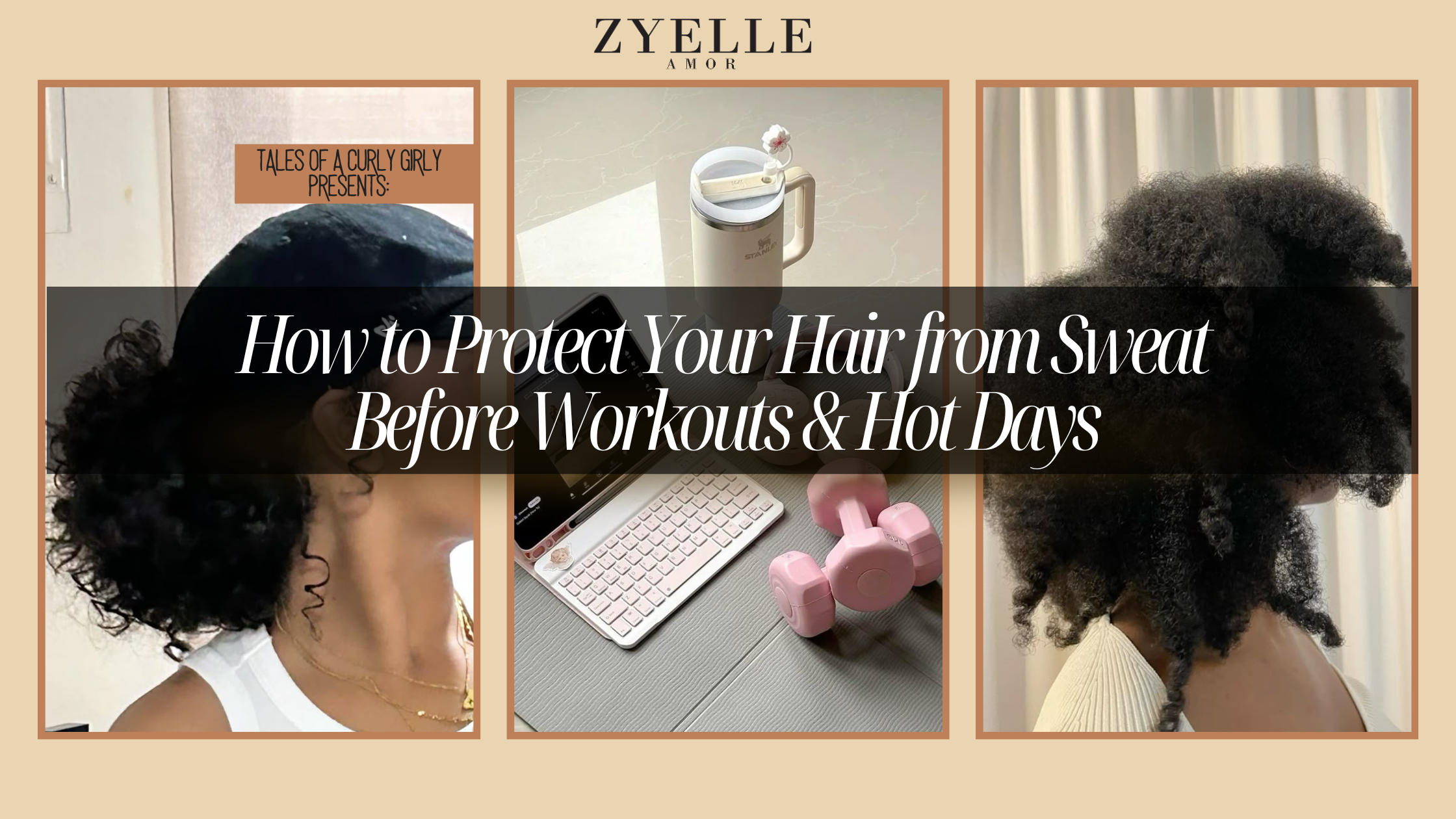
Maximize cardio’s benefits while minimizing damage with a simple pre- and post-workout routine.
Pre-Workout Hair Protection
Prepare your hair before sweating:
– Apply a few drops of coconut or argan oil to ends and scalp
– Wear a loose-fitting headband to absorb sweat
– Tie hair loosely if it’s long, since tight ponytails cause traction alopecia
Post-Workout Scalp Care
Cleanse and nourish after exercise:
1. Rinse immediately to remove salt and chlorine
2. Use a gentle sulfate-free shampoo 2–3 times per week
3. Condition only the ends to avoid greasy roots
4. Dry with a microfiber towel for less friction than cotton
Scalp Massage for Extra Circulation
Enhance cardio’s blood flow benefits with manual stimulation:
– Use fingertips to massage your scalp in small circles
– Apply moderate pressure for 2–3 minutes
– Do this during shampooing or before bed
– Effect: Increases local blood flow by up to 30%
Sleep and Recovery: The Hidden Hair Regrowth Phase
All the cardio in the world won’t help if you’re not sleeping. 7–9 hours of quality sleep is essential for hair regrowth.
- During deep sleep, your body repairs tissues and balances hormones
- Poor sleep elevates cortisol, counteracting exercise’s benefits
- Growth hormone, which is critical for follicle regeneration, is released primarily during REM sleep
Tip: Finish cardio at least 3 hours before bed to avoid an elevated heart rate interfering with sleep onset.
Track Your Hair Growth Progress
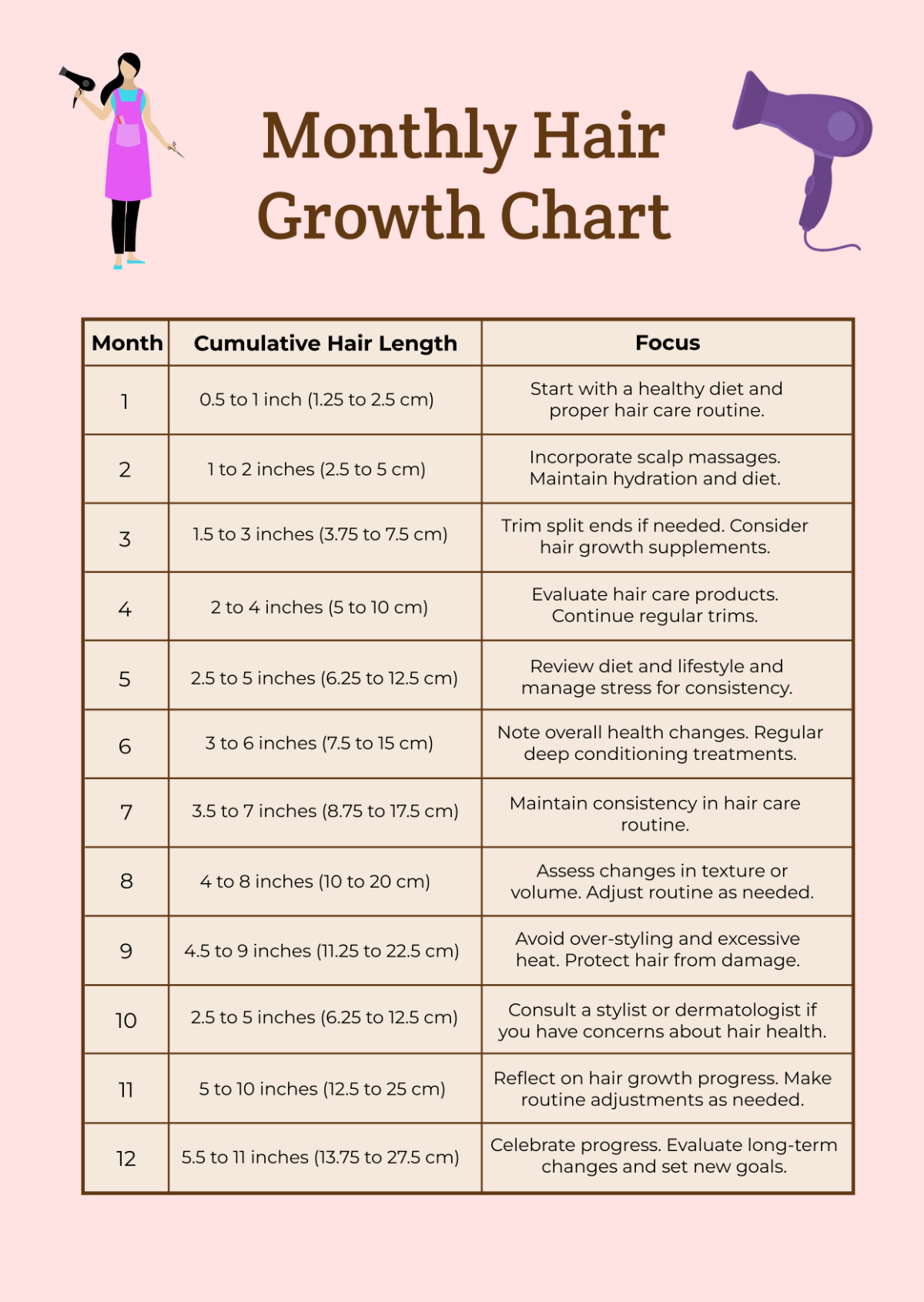
Changes from cardio take time. Use these methods to monitor real improvements.
Monthly Photo Documentation
- Take photos in consistent lighting and angles
- Capture top, crown, front, and side views
- Compare monthly to spot subtle changes in density
Shedding Count (Pull Test)
- Gently pull 50–60 hairs from different scalp areas
- Count shed strands
- More than 6 per pull indicates active shedding
- Goal: Watch the count drop over 3–6 months
Hair Density Tracking
- Use a smartphone with a macro lens
- Count hairs per square centimeter in thinning zones
- Look for stabilization first, then slow regrowth
Monitor Physiological Markers
- Resting Heart Rate (RHR): Should decrease as fitness improves
- Sleep Quality: Track via wearables
- Correlation: Lower RHR and better sleep often precede visible hair improvements
Tailor Cardio to Your Hair Loss Type
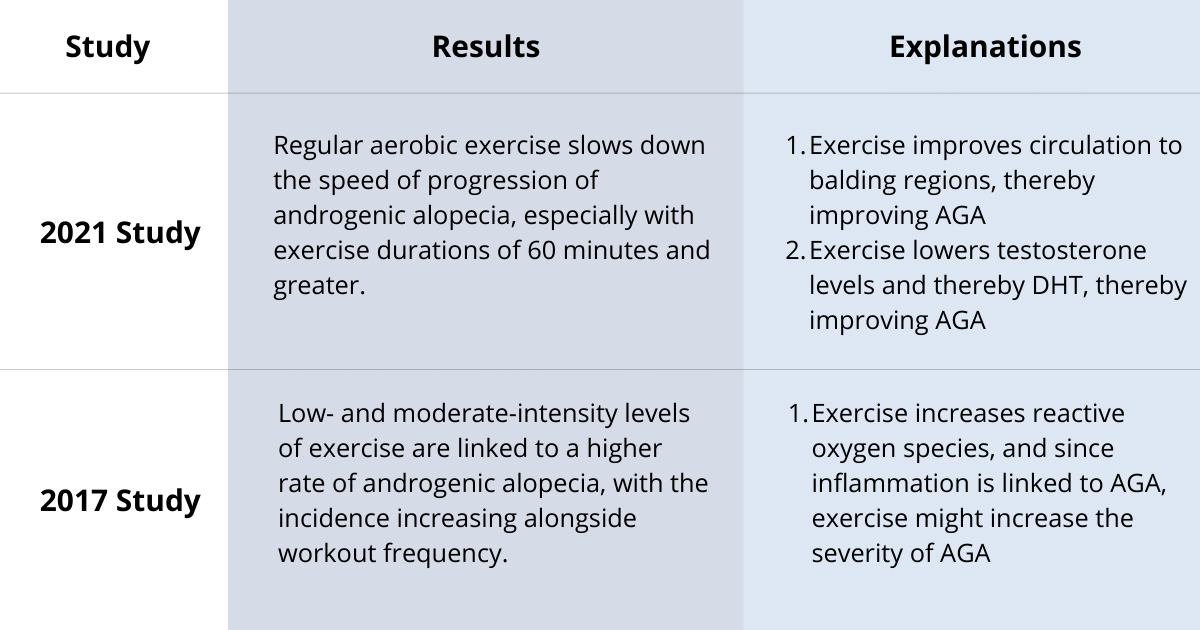
Different causes of hair loss call for slightly different approaches.
Stress-Induced Shedding (Telogen Effluvium)
- Focus: Cortisol reduction
- Best Cardio: 30–45 minute jogs or swims, 4x/week
- Avoid: Overtraining and extreme diets
Early-Stage Androgenic Alopecia
- Focus: Improve circulation, lower DHT
- Best Cardio: 60+ minute aerobic sessions, 3x/week
- Avoid: Frequent HIIT or heavy lifting without balance
PCOS-Related Hair Loss (Women)
- Focus: Improve insulin sensitivity, regulate androgens
- Best Combo: 45 minutes cardio plus resistance training, 5x/week
- Benefit: Reduces testosterone levels naturally
Senior or Joint-Limited Individuals
- Focus: Consistency over intensity
- Best Options: Water aerobics, stationary cycling, brisk walking
- Goal: 75–90 minutes of low-impact cardio, 4x/week
High-Intensity Athletes
- Risk: Overtraining and supplement use
- Fix: Add “Zone 2” cardio and eliminate DHT-boosting supplements
- Monitor: Shedding patterns and recovery metrics
When Cardio Isn’t Enough: Know the Limits
Cardio is a powerful tool, but it’s not a cure-all.
- No Effect on Dead Follicles: Once follicles are fully miniaturized, no amount of exercise will revive them
- Genetic Reality: A strong family history of baldness may require medical treatment like finasteride or minoxidil
- Underlying Conditions: Thyroid issues, anemia, or autoimmune diseases can mimic genetic hair loss, so get tested first
Bottom Line: Cardio works best as preventative or early-intervention therapy. Start early, stay consistent, and combine it with a healthy diet and good sleep.
Frequently Asked Questions About Cardio and Hair Growth
Does cardio really help hair grow back?
Cardio cannot regenerate dead follicles, but it can improve the scalp environment for existing ones. By boosting circulation and lowering cortisol, moderate aerobic exercise supports thicker, healthier growth, especially in early-stage thinning or stress-related shedding.
How long should I do cardio each day for hair benefits?
Research points to sessions lasting more than 60 minutes as the threshold for noticeable hair improvement. Shorter workouts still benefit overall health but may not produce the same scalp-specific effects.
Can too much exercise cause hair loss?
Yes. Overtraining elevates cortisol and can trigger telogen effluvium about 2–3 months later. Balance intense sessions with rest days and moderate aerobic activity to avoid this pitfall.
Is running better than walking for hair growth?
Running elevates heart rate faster and sustains it more efficiently, so you reach the 60-minute threshold with greater circulatory impact. Walking works too, but you may need 75–90 minutes to achieve similar benefits.
Should I avoid weightlifting if I’m losing hair?
Heavy lifting isn’t off-limits, but frequent, high-volume strength sessions can spike DHT in genetically susceptible individuals. Balance your lifting routine with steady-state cardio and avoid testosterone-boosting supplements.
How long before I see results from cardio for hair?
Expect a 3–6 month window before visible changes. Hair grows slowly, and shedding cycles take time to reset. Track progress monthly with photos and pull tests for the most accurate picture.
Key Takeaways for Using Cardio to Support Hair Growth
Cardio exercise for hair growth works by improving scalp circulation, lowering cortisol, and gently modulating DHT levels. Aim for 60+ minutes of moderate-intensity aerobic activity, 4 times per week, and choose low-risk options like jogging, swimming, or cycling. Protect your hair from UV, chlorine, and sweat buildup, and pair your workouts with proper nutrition and 7–9 hours of sleep.
Results take patience, typically 3–6 months, but the payoff extends well beyond your hair. Start with a brisk walk or easy jog this week, track your progress monthly, and give your follicles the consistent support they need to thrive.